Antietam National Battlefield in Sharpsburg, Maryland, preserves the site of the Battle of Antietam, fought on September 17, 1862 — the bloodiest single day in American military history, with an estimated 23,000 casualties. The Union's strategic victory gave President Abraham Lincoln the political leverage to issue the preliminary Emancipation Proclamation five days later, fundamentally shifting the war's purpose to include the abolition of slavery. Established as a national battlefield site in 1890, the park encompasses approximately 3,230 acres of rolling farmland and includes landmarks such as Burnside Bridge, the Dunker Church, and Bloody Lane.
📚 Learn More at NPSHistory.com →

On September 17, 1862, Union and Confederate forces collided near Sharpsburg, Maryland, in the single bloodiest day in American history, with 23,000 casualties in 12 hours of savage fighting.
Battle of Antietam resulted in over 22,726 dead, wounded, or missing—more than any other single day of combat in U.S. history. Union's tactical performance at Antietam gave President Lincoln the 'victory' he needed to issue the preliminary Emancipation Proclamation. One of the first five Civil War battlefields to receive federal protection, designated in 1890.
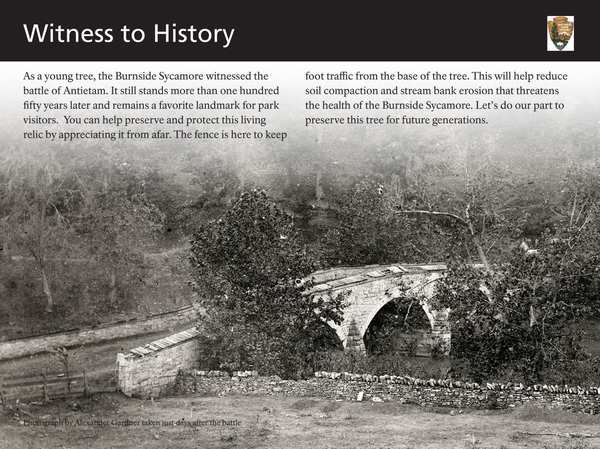
From the internal review records: “Witness to History: natural resource (historic Burnside Sycamore) with no beauty and grandeur reference.”
Why this matters: Antietam marks the turning point where military victory transformed into a moral reckoning—the bloodiest day that ultimately changed the war's purpose. Over 750,000 people visit this site each year.
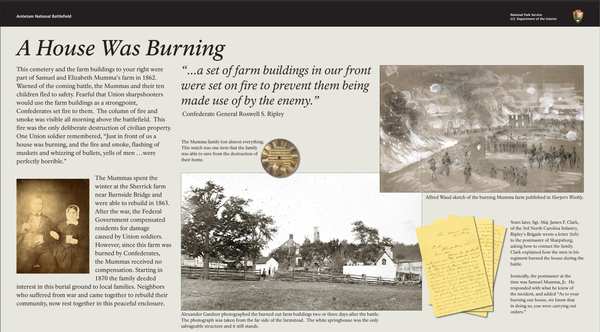
House Was Burning: armies causing destruction to civilian property.
Witness to History: natural resource (historic Burnside Sycamore) with no beauty and grandeur reference.
Pry Family Upheaval: Union army causing destruction to civilian property.
ANB Wayside at Newcomer: armies causing destruction to civilian property.
History or Memory: Lost Cause narrative


On September 17, 1862, Union and Confederate forces collided near Sharpsburg, Maryland, in the single bloodiest day in American history, with 23,000 casualties in 12 hours of savage fighting.
Battle of Antietam resulted in over 22,726 dead, wounded, or missing—more than any other single day of combat in U.S. history. Union's tactical performance at Antietam gave President Lincoln the 'victory' he needed to issue the preliminary Emancipation Proclamation. One of the first five Civil War battlefields to receive federal protection, designated in 1890.
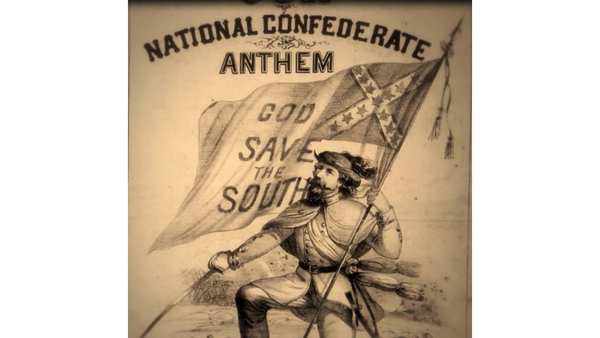
The administration has flagged for review content that includes the language: “God Save the South”, “inseparable from slavery”, “white southerners”, and “separation from the north was the only thing that could prevent the abolition of slavery”.
Why this matters: Antietam marks the turning point where military victory transformed into a moral reckoning—the bloodiest day that ultimately changed the war's purpose. Over 750,000 people visit this site each year.
Park film shown in Visitor Center theater. Time of content in film shown below.
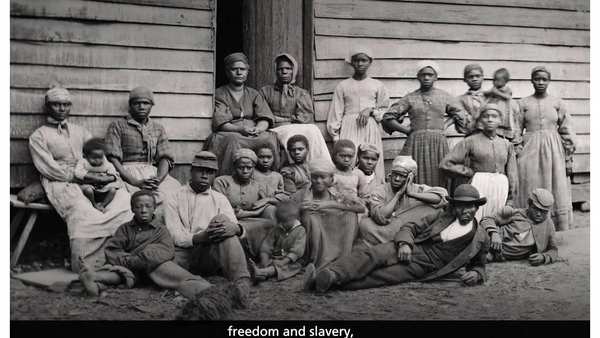
Clip 1 (1:14) - narrative on country torn between north and south/freedom and slavery; hope and despair
Clip 2 (2:17) - image of Confederate flag with “God Save the South”; narrative on cause of war being “inseparable from slavery”; reference to Confederacy and “white southerners”; Benning quote “separation from the north was the only thing that could prevent the abolition of slavery”
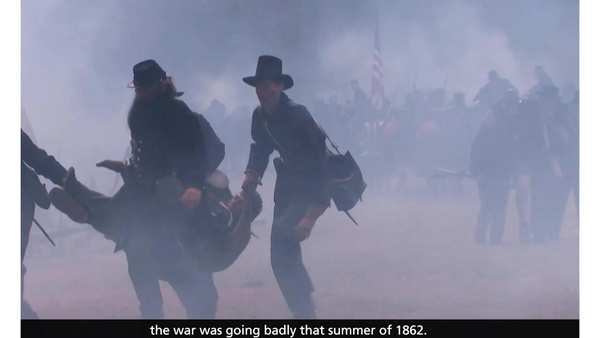
Clip 3 (3:00) - war going badly for Union in 1862; Confederate victories


On September 17, 1862, Union and Confederate forces collided near Sharpsburg, Maryland, in the single bloodiest day in American history, with 23,000 casualties in 12 hours of savage fighting.
Battle of Antietam resulted in over 22,726 dead, wounded, or missing—more than any other single day of combat in U.S. history. Union's tactical performance at Antietam gave President Lincoln the 'victory' he needed to issue the preliminary Emancipation Proclamation. One of the first five Civil War battlefields to receive federal protection, designated in 1890.
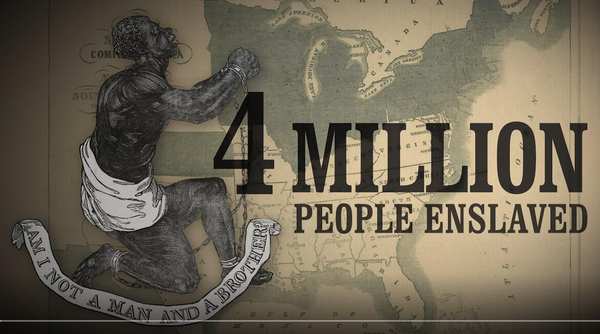
Among the content targeted: “am I not a man and a brother?” — language that the administration has flagged for review under its directive to review historically accurate interpretive materials.
Why this matters: Antietam marks the turning point where military victory transformed into a moral reckoning—the bloodiest day that ultimately changed the war's purpose. Over 750,000 people visit this site each year.
Video Wall in Visitor Center lobby shows continuous loop of images and quotes. Time stamp shown below.
Video Wall 1:06: image of enslaved person in chains; quote “am I not a man and a brother?”
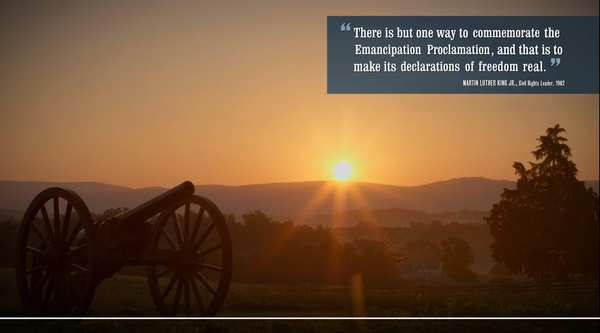
Video Wall 14:20: Martin Luther King Jr. quote about Emancipation Proclamation and freedom


On September 17, 1862, Union and Confederate forces collided near Sharpsburg, Maryland, in the single bloodiest day in American history, with 23,000 casualties in 12 hours of savage fighting.
Battle of Antietam resulted in over 22,726 dead, wounded, or missing—more than any other single day of combat in U.S. history. Union's tactical performance at Antietam gave President Lincoln the 'victory' he needed to issue the preliminary Emancipation Proclamation. One of the first five Civil War battlefields to receive federal protection, designated in 1890.
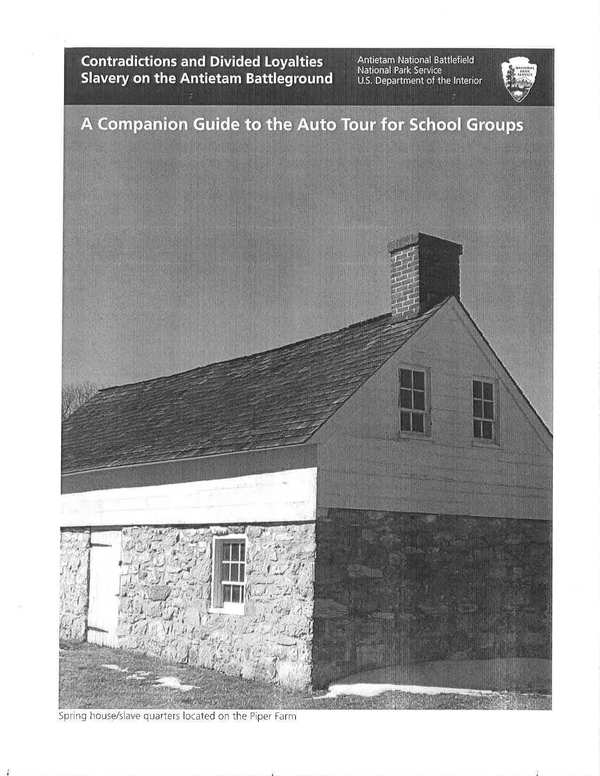
From the internal review records: “Contradictions and Divided Loyalties (companion guide to the Auto Tour for school groups)”
Why this matters: Antietam marks the turning point where military victory transformed into a moral reckoning—the bloodiest day that ultimately changed the war's purpose. Over 750,000 people visit this site each year.
This review entry contains a mix of publications typically provided by request only.
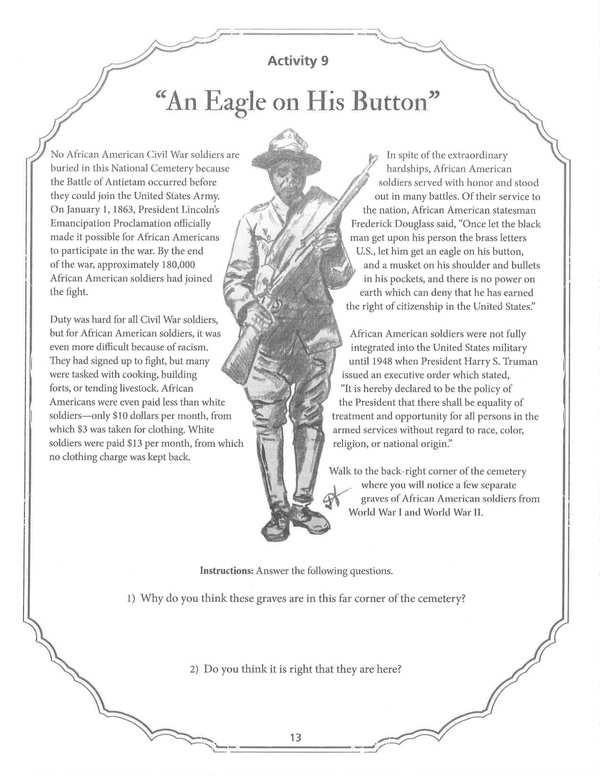
National Cemetery Jr Ranger booklet
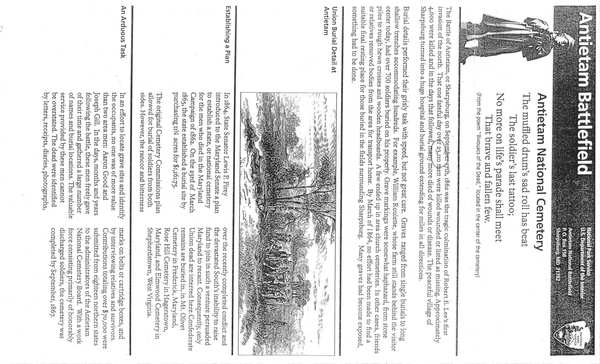
National Cemetery site bulletin
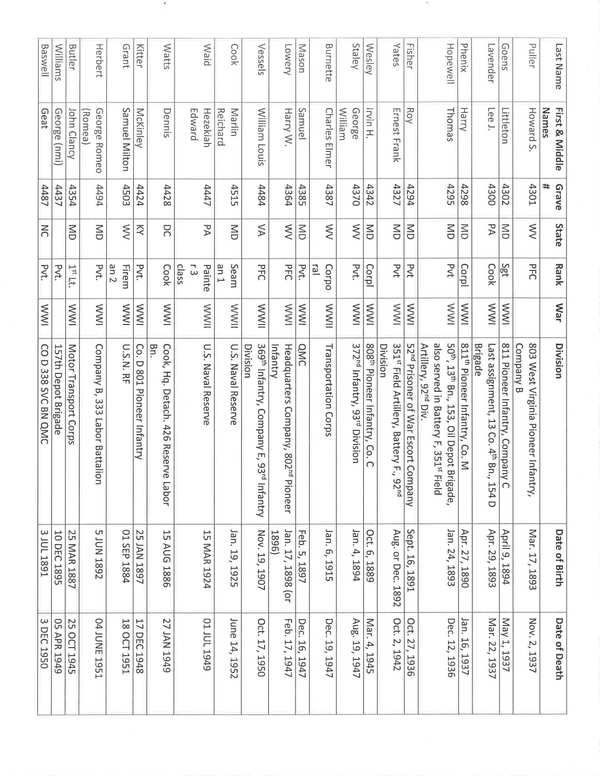
List of African Americans buried in the National Cemetery
Contradictions and Divided Loyalties (companion guide to the Auto Tour for school groups)


On September 17, 1862, Union and Confederate forces collided near Sharpsburg, Maryland, in the single bloodiest day in American history, with 23,000 casualties in 12 hours of savage fighting.
Battle of Antietam resulted in over 22,726 dead, wounded, or missing—more than any other single day of combat in U.S. history. Union's tactical performance at Antietam gave President Lincoln the 'victory' he needed to issue the preliminary Emancipation Proclamation. One of the first five Civil War battlefields to receive federal protection, designated in 1890.
Why this matters: Antietam marks the turning point where military victory transformed into a moral reckoning—the bloodiest day that ultimately changed the war's purpose. Over 750,000 people visit this site each year.
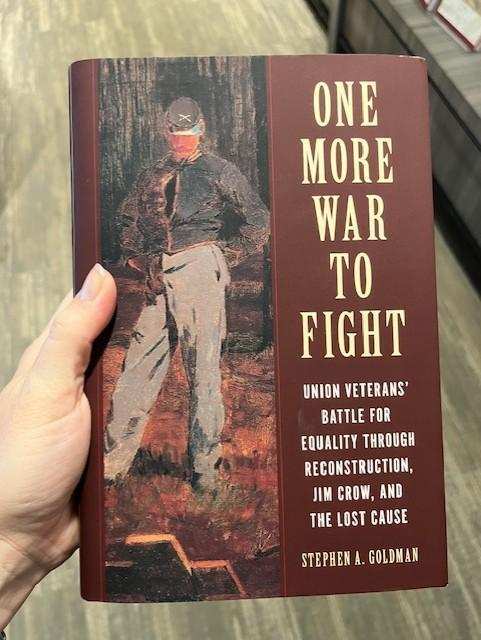
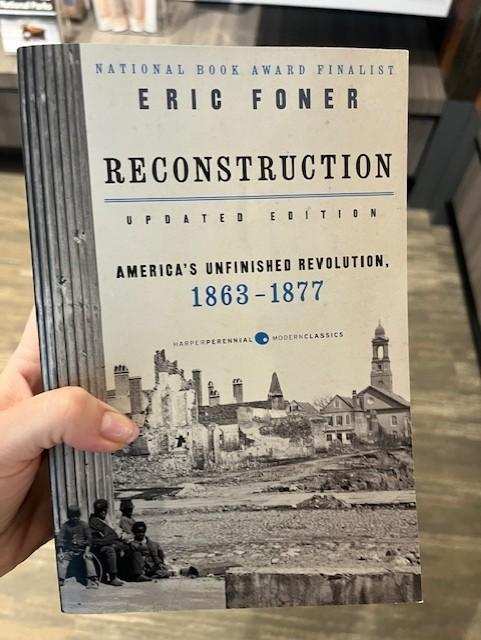
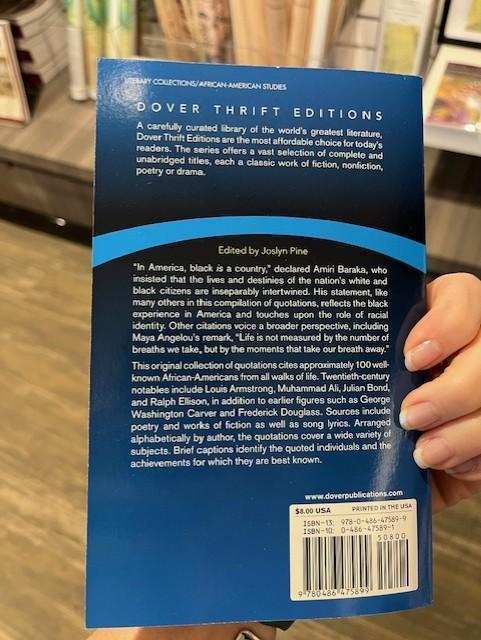
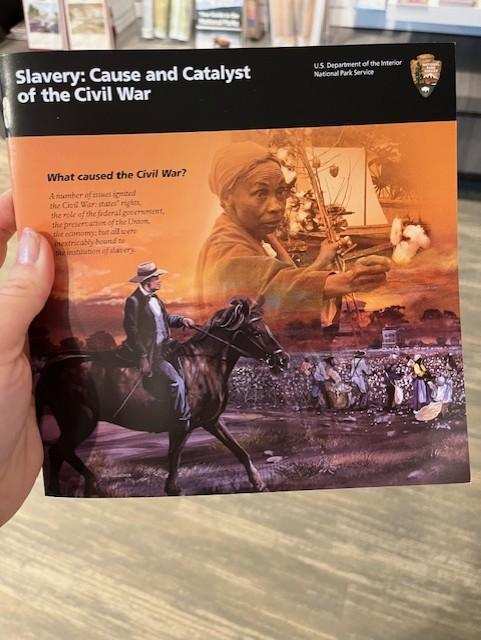
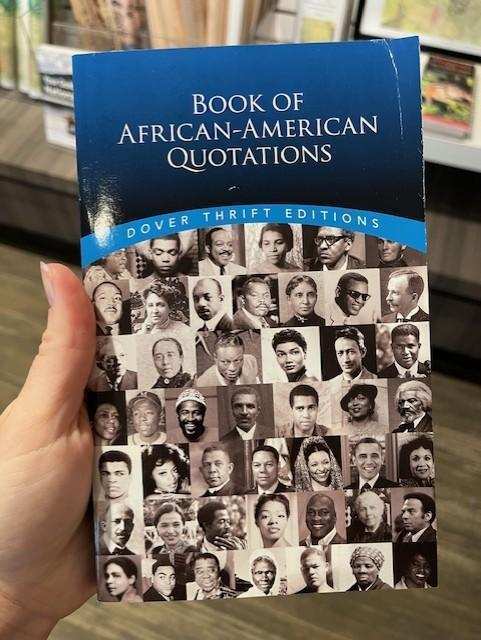
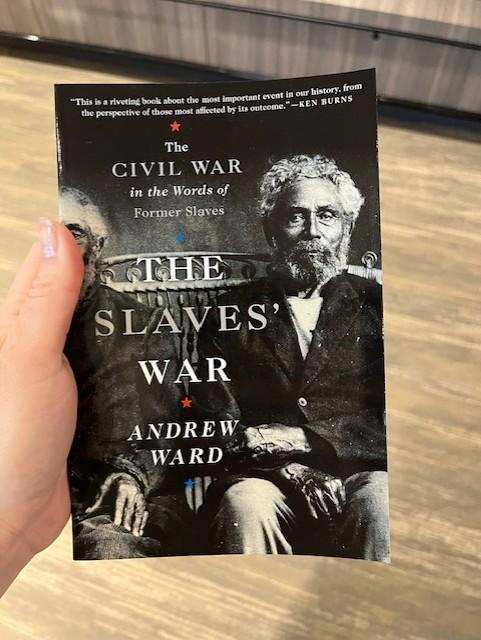
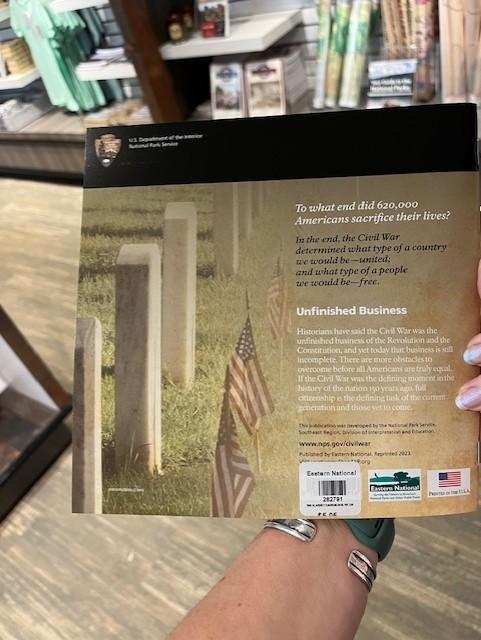
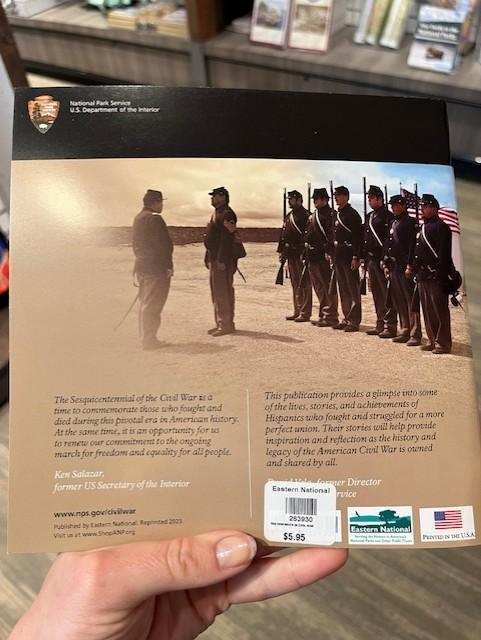
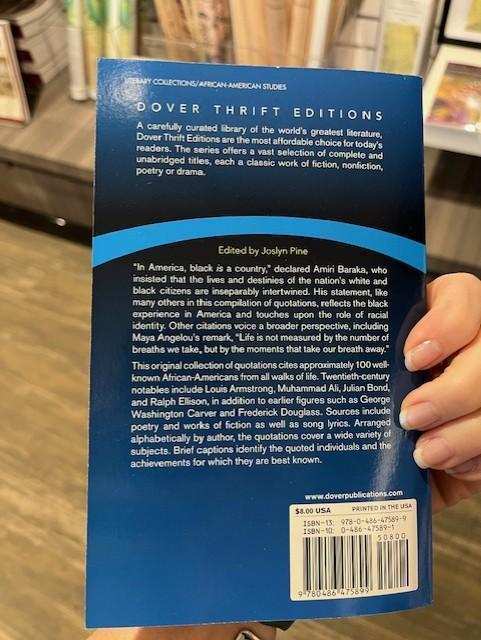
This collection of books is in the Eastern National bookstore at Antietam. Images below, where necessary, are front and back covers.


On September 17, 1862, Union and Confederate forces collided near Sharpsburg, Maryland, in the single bloodiest day in American history, with 23,000 casualties in 12 hours of savage fighting.
Battle of Antietam resulted in over 22,726 dead, wounded, or missing—more than any other single day of combat in U.S. history. Union's tactical performance at Antietam gave President Lincoln the 'victory' he needed to issue the preliminary Emancipation Proclamation. One of the first five Civil War battlefields to receive federal protection, designated in 1890.
From the internal review records: “During the design process for our visitor center exhibits, we framed all the interpretive content around five universal concepts—things that every human has experienced, even if those experiences are vastly different: Conflict, Terror, Survival, Freedom, and Memory. This approach provided a framework that straddled the divide between an experience that was purely chronological and one that was pur...”
Why this matters: Antietam marks the turning point where military victory transformed into a moral reckoning—the bloodiest day that ultimately changed the war's purpose. Over 750,000 people visit this site each year.
During the design process for our visitor center exhibits, we framed all the interpretive content around five universal concepts—things that every human has experienced, even if those experiences are vastly different: Conflict, Terror, Survival, Freedom, and Memory. This approach provided a framework that straddled the divide between an experience that was purely chronological and one that was purely thematic and provided an entry point for all visitors to connect with the material. It also informed the development of our park orientation film and video wall. Two exhibit panels are partner-generated and located within the Newcomer House - an NPS-owned building containing the partner-operated (through Cooperative Agreement) visitor contact station.
*Note: not sure if all images uploaded via the “Upload” link, so a URL is provided below to a OneDrive folder.
See all 874+ entries across every national park and wildlife refuge.
Open Interactive Map →