Blue Ridge Parkway
Park History
Sourced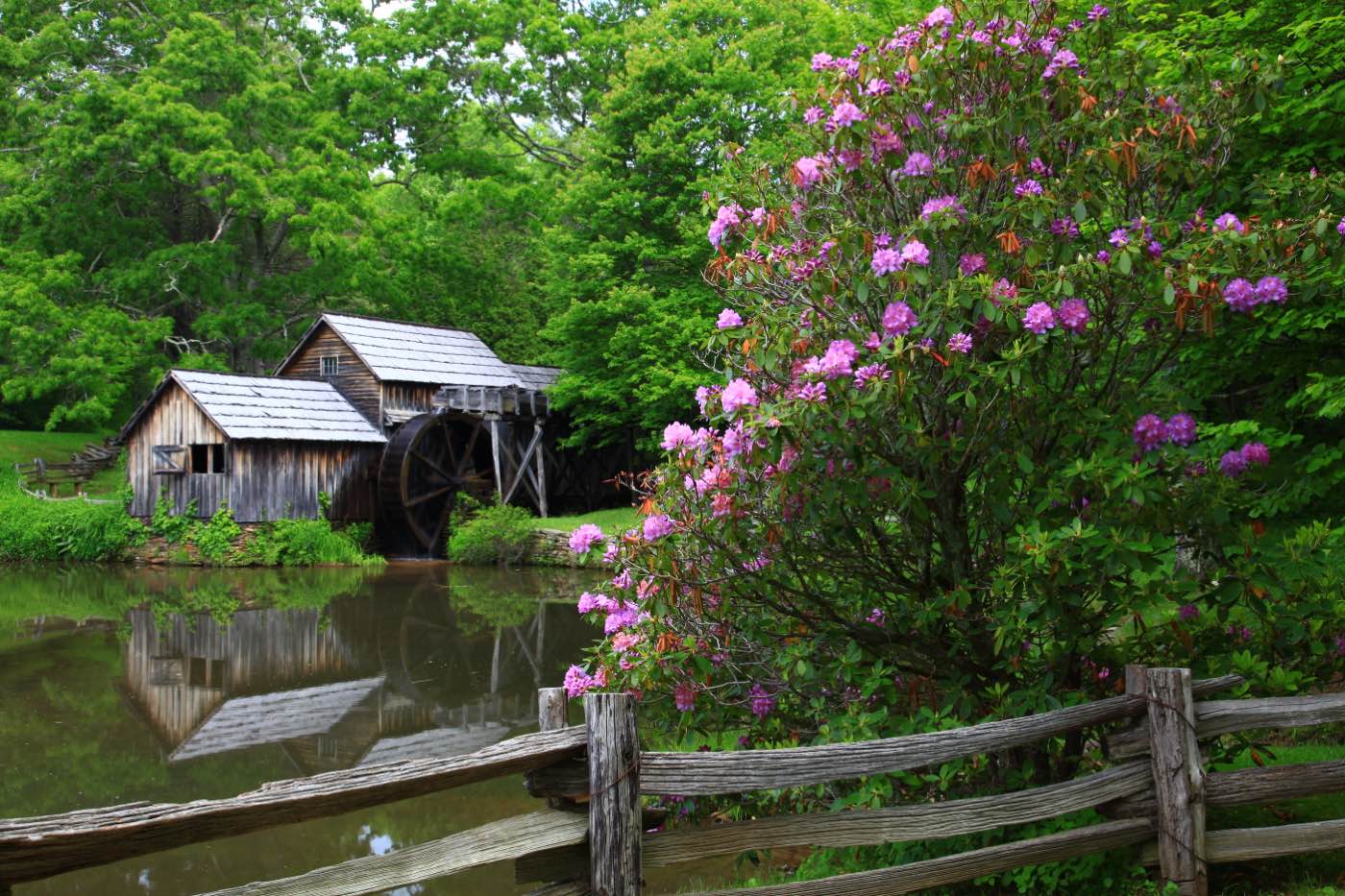
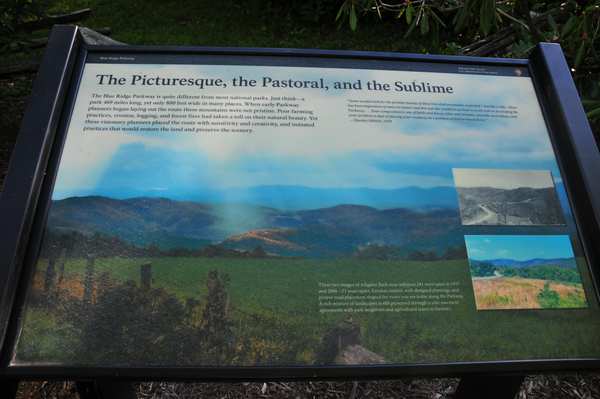
The Blue Ridge Parkway is a continuous 469-mile motor road through the central and southern Appalachians, linking Shenandoah and Great Smoky Mountains national parks. [2] For 355 miles it follows the Blue Ridge, the eastern rampart of the Appalachians; then it skirts the Black Mountains and weaves through the Craggies, the Pisgahs and the Balsams to the Great Smokies, ranging from 649 to 6,047 feet past tulip trees, dogwood, spruce and fir and dense thickets of catawba rhododendron. [1] The 2016 foundation document calls it the longest road planned as a single park unit in the United States, a road through 29 counties that is frequently the most heavily visited unit of the national park system. [2]
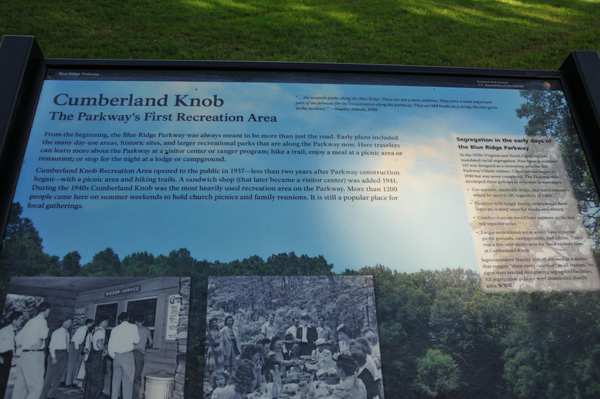
It was a Depression public works project. Congress allocated the first construction funds on June 16, 1933, under the National Industrial Recovery Act, and gave the Park Service its management on June 30, 1936. [2] New York landscape architect Stanley Abbott was hired to oversee the project, and construction began September 11, 1935, near Cumberland Knob, North Carolina — mostly by private contractors, with Works Progress Administration, Emergency Relief Administration and Civilian Conservation Corps crews as well. The last link, the Linn Cove Viaduct, opened in 1987, completing the continuous route. [3]
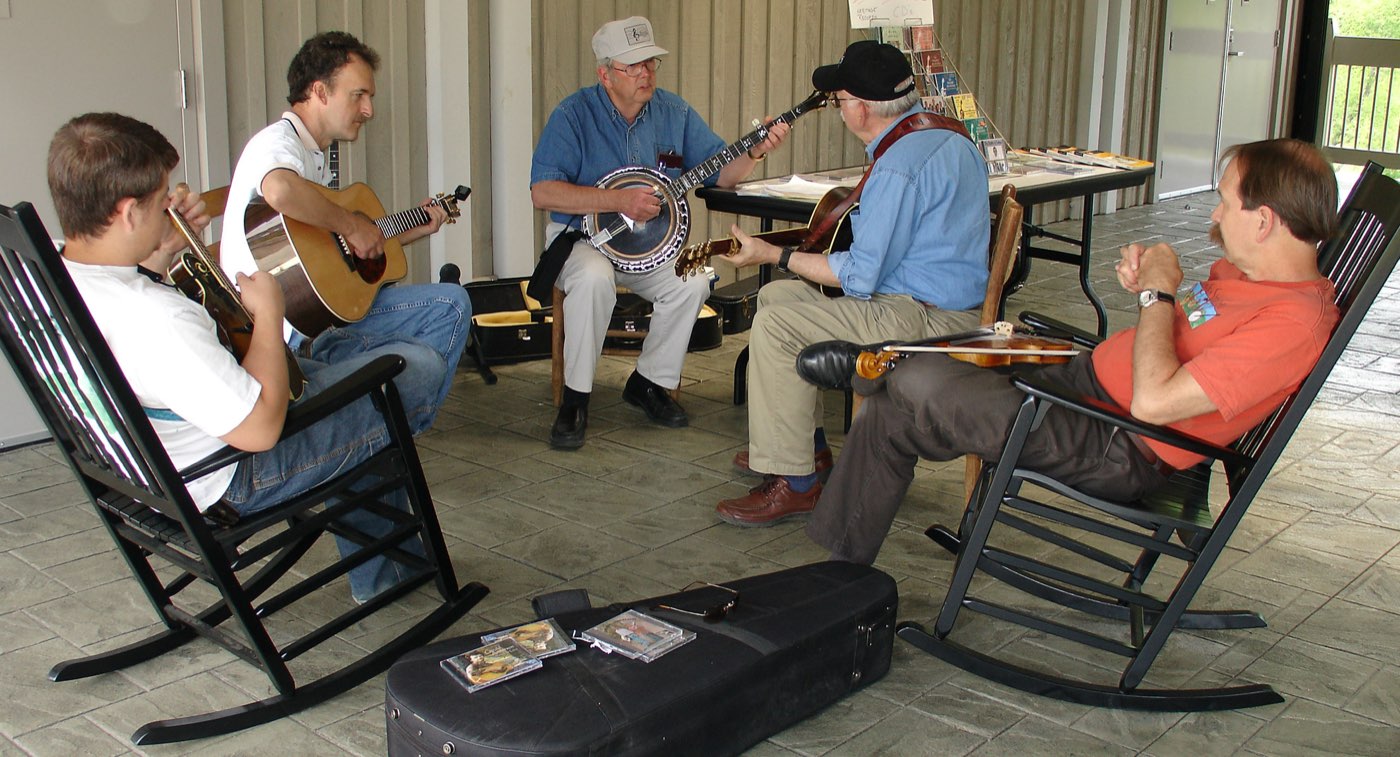
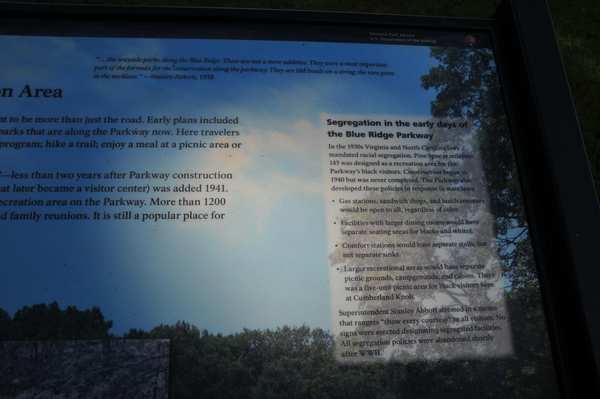
Along the way the parkway conserves what the foundation document calls examples of 19th- and 20th-century lifeways of the mountain communities — among them Mabry Mill, run by E.B. Mabry from 1910 to 1935, and the Blue Ridge Music Center, which celebrates the region’s music. [2] [1] It was also built in the Jim Crow South, and the Park Service’s 2009 historic resource study documents how segregation was planned into it. [4]
Black history
Segregated bathrooms appear in the parkway’s 1936 master plans for Bluff Park, Rocky Knob and Smart View, Rebecca Jones’s 2009 historic resource study finds. After an April 26, 1939 Washington conference with W. J. Trent, the Secretary’s adviser on Negro affairs, Superintendent Stanley Abbott’s annual report set out “provisions for Negroes”: shared gas stations and lunch counters, separate dining rooms, separate toilets, and separate cabin, camping and picnic areas in the large parks. At Cumberland Knob, a 1940 memo had rangers direct Black visitors to a five-unit picnic area, with “no sign” for direction. In August 1941 a Black family complained to NPS Director Newton Drury after a confrontation when they insisted on using the white area at Bluff Park. By 1941 Pine Spur, a 300-acre park for Black visitors near Roanoke, was well under construction, with 25 picnic units installed; it was never opened, and by the study’s account only a few curb stones and rotting outhouses remain. [4]
Slavery
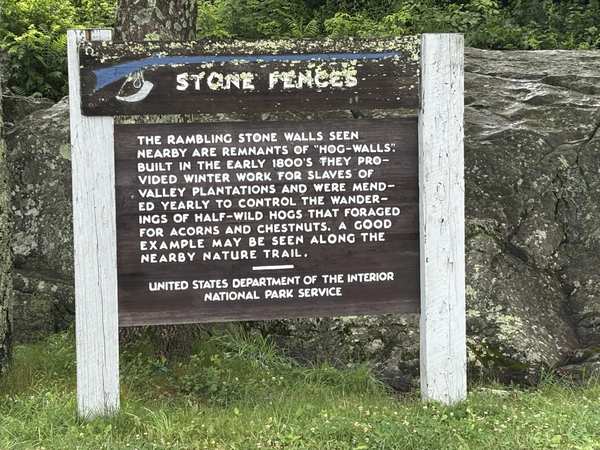
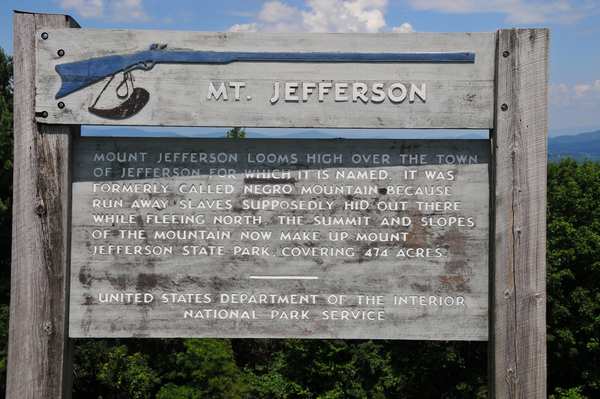
The parkway passes a few African American communities, where folklorist Patrick Mullen identified families with roots in slavery. Lizzie Price, born enslaved in 1845, farmed at Pine Spur and sold her land to the parkway; Abbott later recalled bringing her the check, and the study records that she lived to 108. Graves believed to be of enslaved or free Black people lie at Meadows of Dan, near the graves of the Langhorne family, one of five slaveholding families there; by a 1960s account, above the Peaks of Otter visitor center; and in the Pine Spur cemetery. Mount Jefferson was once called “Negro Mountain” because, as the overlook sign says, runaway slaves supposedly hid there; in 1947 Superintendent Sam Weems, relaying information from Alfred Percy of Madison Heights, Virginia, wrote that stone fences at Humpback Mountain were built by enslaved people. [4] The parkway’s own cemeteries page notes that its burial grounds hold the graves of enslaved African Americans. [5]
Labor & the New Deal
Abbott asked for nine Civilian Conservation Corps camps in 1937 and was granted four — Rocky Knob, Kelso and a camp near Galax in Virginia, and Laurel Springs in North Carolina — whose enrollees landscaped, controlled erosion, installed guard rails and worked on fire prevention. The Galax camp, NP-29, was a segregated company of Black enrollees that began work in December 1940; a June 1941 inspection counted 180 men, with classes four nights a week and a library of 856 books. That same month a memo reported that a subaltern’s “abusive tactics” had created a situation “bordering on insurrection,” and a separate June 4 disturbance between a cook and an officer led to three discharges. The camp closed in May 1942. The study found Black construction workers hard to trace because private contractors built the road; in December 1942 Abbott reported no permanent Black personnel and one Black temporary laborer. [4]
Sources
- NPSHistory.com: Blue Ridge Parkway archive page — overview (NPS brochure text) and establishment block
- Foundation Document, Blue Ridge Parkway, North Carolina–Virginia (NPS, 2016)
- NPS, Construction of the Parkway (nps.gov/blri, last updated February 9, 2017)
- Rebecca Jones, Historic Resource Study: African Americans and the Blue Ridge Parkway (NPS, August 2009)
- NPS, Cemeteries — Blue Ridge Parkway (nps.gov/blri)
CONFIRMED REMOVED: Exhibit panels (1 items)
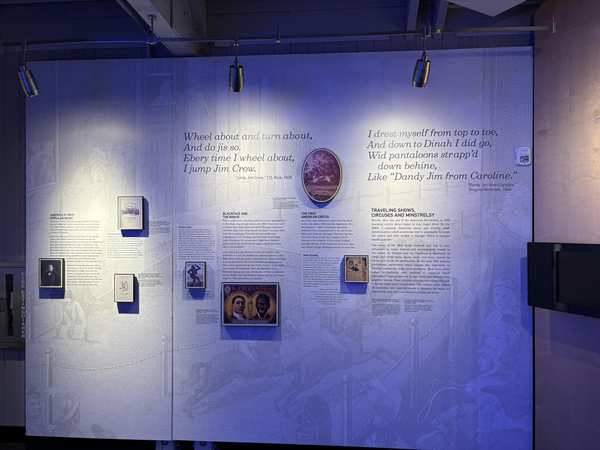
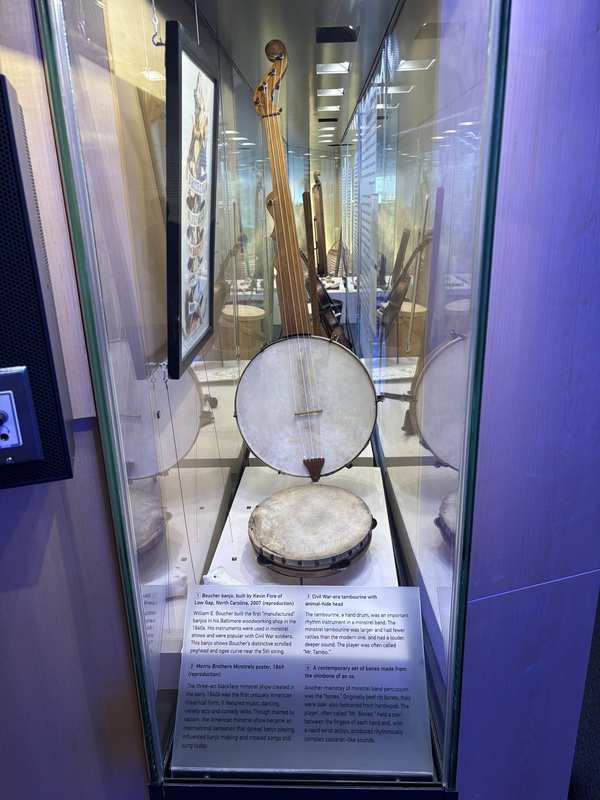
Blue Ridge Parkway in TN preserves a piece of American history that the public has trusted the National Park Service to protect and interpret. The exhibit panels at this site have been developed over years by historians, subject-matter experts, and park staff — and are now being reviewed under Secretary's Order 3431.
Among the content targeted: “Traveling Shows, Circuses and Minstrelsy.” — language that the administration has flagged for review under its directive to review historically accurate interpretive materials.
Why this matters: The specific language being targeted at Blue Ridge Parkway — including “Traveling Shows, Circuses and Minstrelsy.” — is historically accurate content developed by professional historians and park staff. When this language is revised or removed, visitors lose access to the documented record of what happened here.
- “Wayside” — removed per NPS court filing
- Morris Brothers Minstrels Poster, 1869
- Wayside; reason: Disparages Americans past or living; now: At the park
One exhibit at our Blue Ridge Music Center along the Blue Ridge Parkway that is titled “Traveling Shows, Circuses and Minstrelsy.” It talks about the use of Black Face and Minstrel music and could be veiwed as disparraging.
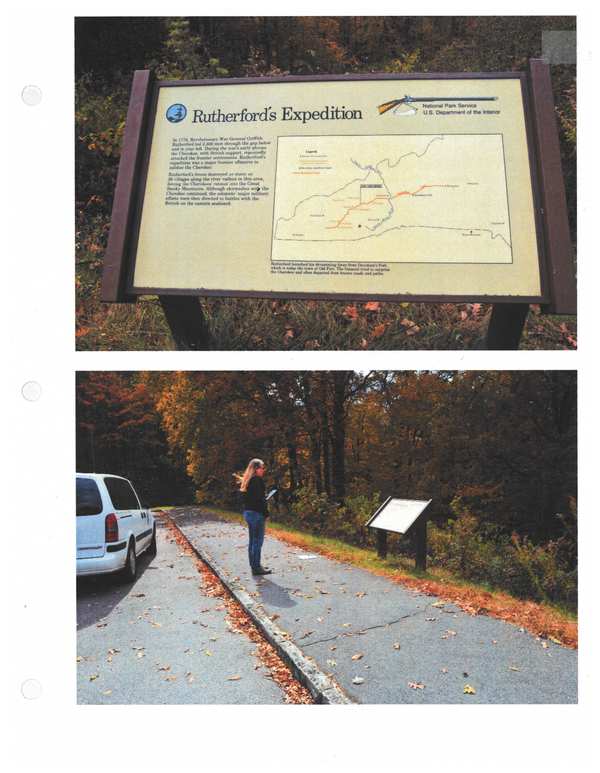
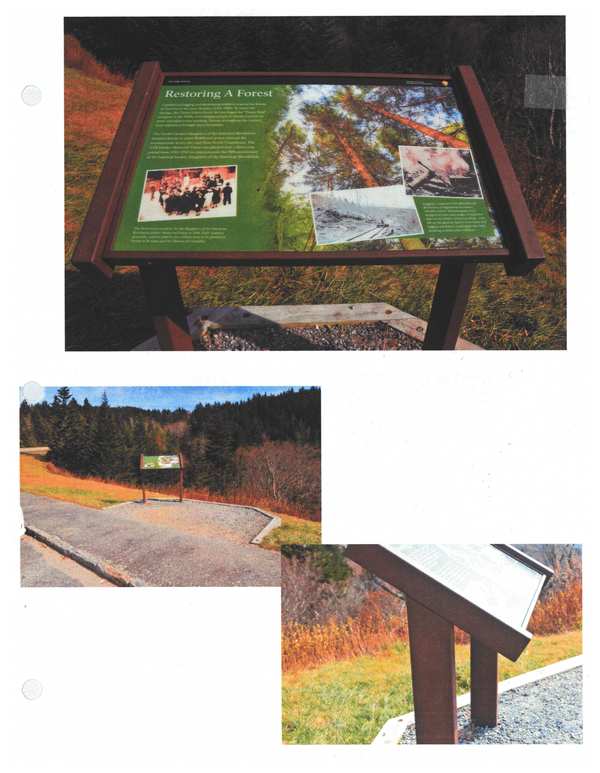
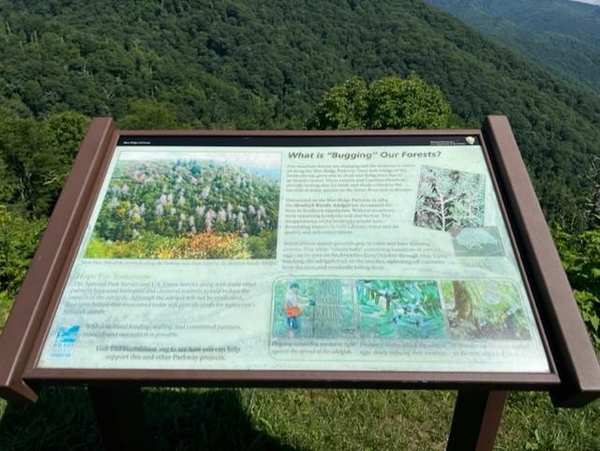
Photographs attached to this park's records in the leaked NPS review database.
News Sources
VerifiedExplore the Full Map
See all 446 entries across every national park and wildlife refuge.
Open Interactive Map →