The Chesapeake and Ohio Canal National Historical Park preserves the 184.5-mile towpath and canal route that runs from Georgetown in Washington, D.C. to Cumberland, Maryland, paralleling the Potomac River. Constructed between 1828 and 1850, the C&O Canal was conceived as a transportation route to connect the eastern seaboard with the Ohio River valley, but competition from the Baltimore and Ohio Railroad ultimately limited the canal's commercial success. The canal ceased operations in 1924 after a devastating flood, and a campaign led by Supreme Court Justice William O. Douglas in 1954 helped save the corridor from being converted into a highway. It was designated a national historical park in 1971.
📚 Learn More at NPSHistory.com →

C&O Canal NHP in MD preserves a piece of American history that the public has trusted the National Park Service to protect and interpret. The interpretive materials at this site have been developed over years by historians, subject-matter experts, and park staff — and are now being reviewed under Secretary's Order 3431.
Why this matters: C&O Canal NHP is part of a network of over 400 national parks that serve as America's classrooms. The interpretive materials here were developed by subject-matter experts to help visitors understand the full story of this place. When historically accurate content is removed, the public loses access to its own history.
These need to be removed and not replaced. They are in a heavily flood prone area, hense their condition, and C&O Canal, a seperate NPS Park site interps these stories elsewhere


At C&O Canal NHP, the National Park Service has worked for years to document and interpret the history of slavery at this site — a history that was ignored for much of the park's existence. The exhibits, waysides, and publications now under review represent a hard-won commitment to telling the complete American story.
From the internal review records: “Exhibit was created in partnership with the Colonial Dames of America (who run programs inside the historic Abner Cloud House). A main goal for the Dames was to highlight both the Cloud family (an early American family who lived on land along what would one day become the C&O Canal) and the new scholarship their historians had done on enslaved labor in and around the house. This information is fac...”
Why this matters: The history of slavery at C&O Canal NHP was suppressed for generations. The materials now being targeted represent decades of work by historians, descendants of enslaved people, and community advocates to ensure these stories are finally told. Removing them would re-erase history that has only recently been acknowledged.
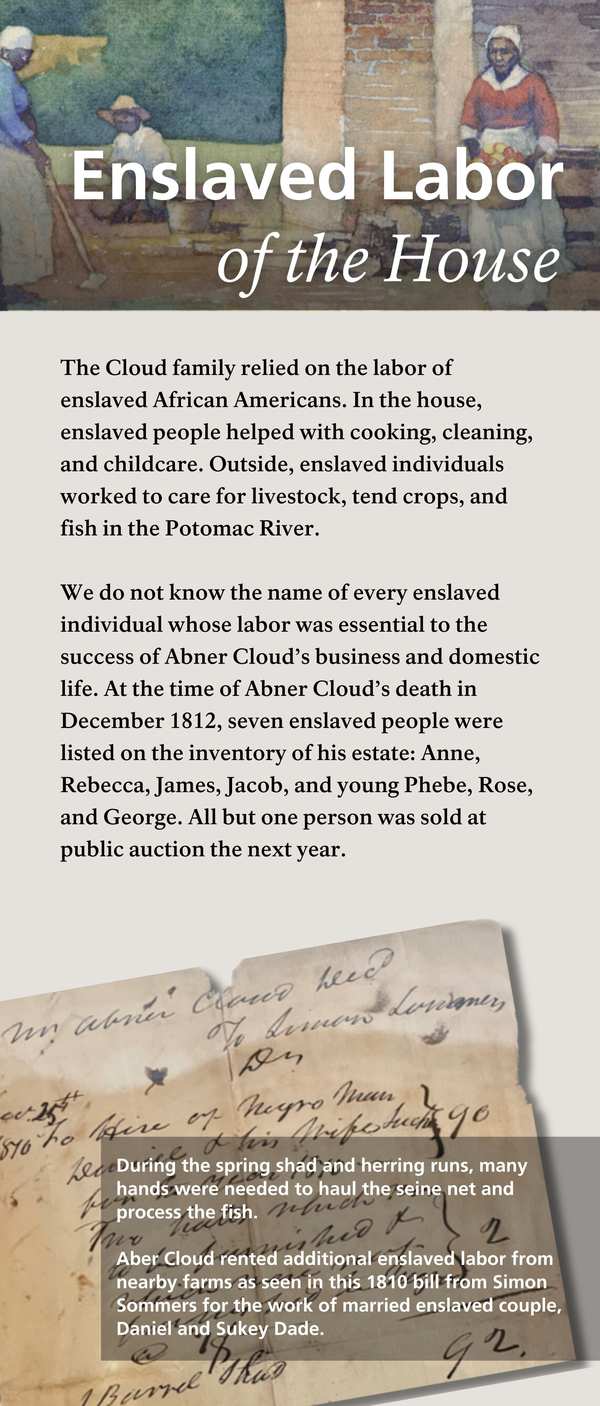
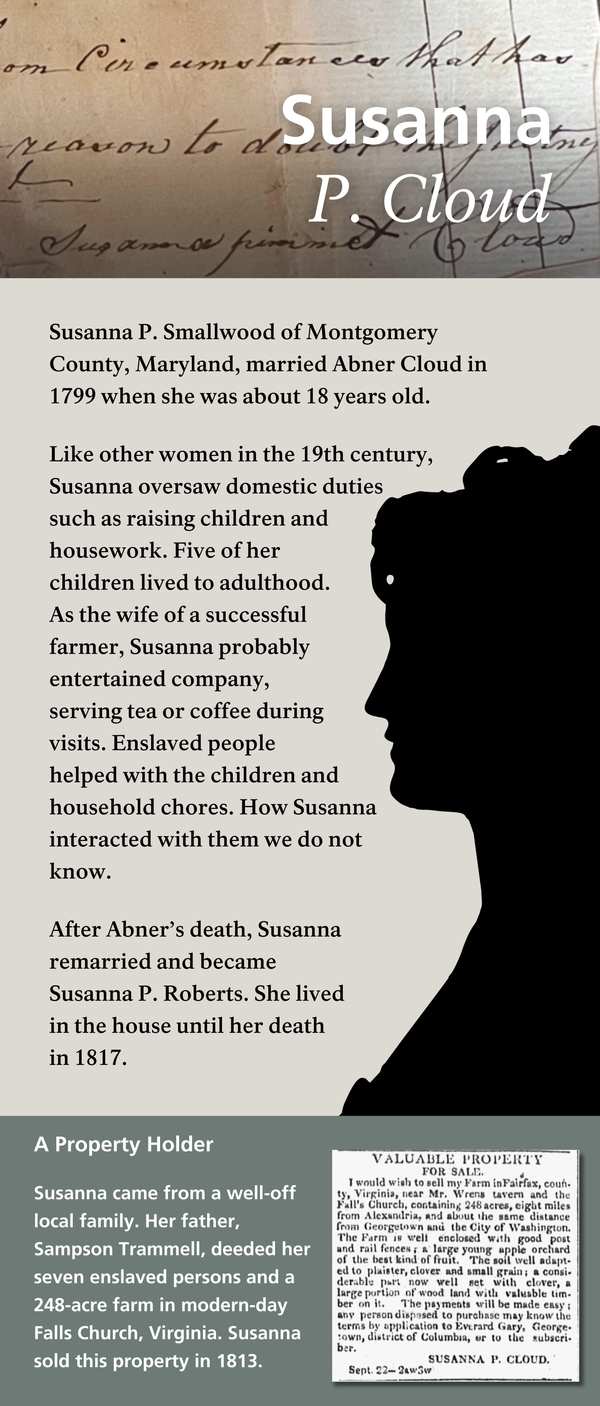
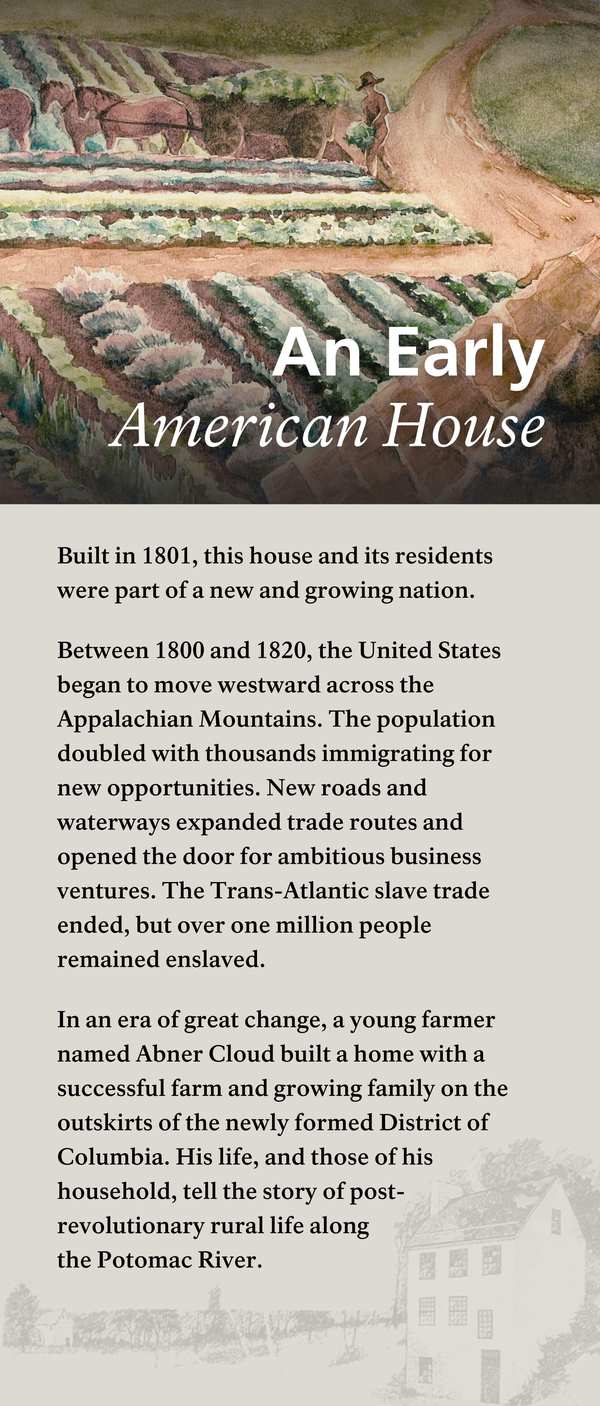
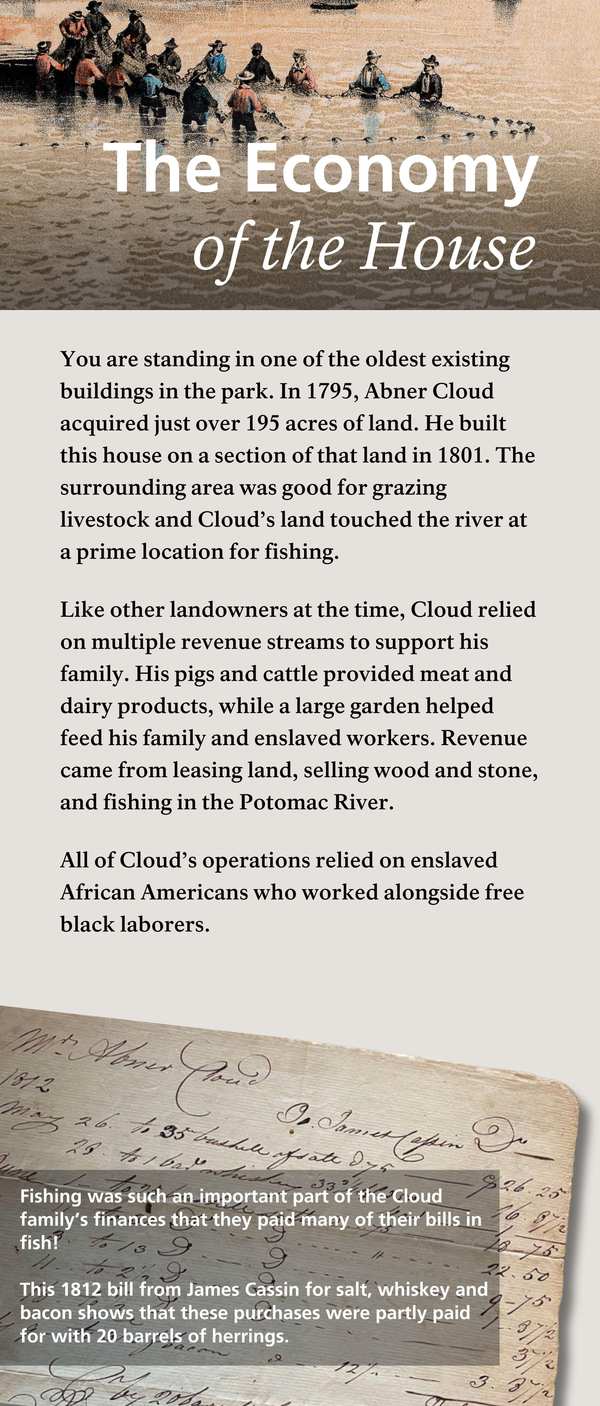
Exhibit was created in partnership with the Colonial Dames of America (who run programs inside the historic Abner Cloud House). A main goal for the Dames was to highlight both the Cloud family (an early American family who lived on land along what would one day become the C&O Canal) and the new scholarship their historians had done on enslaved labor in and around the house. This information is factual, but does highlight the fact that the success of the Cloud families economic interests relied on enslaved labor. We just want to ensure that this is an appropriate way to tell this story. These are 4 of the 7 panels in the exhibit. Life-sized sillouets representing various family and enslaved individuals are also part of the exhibit (a key learning point of the exhibit is that we do not know what anyone who lived in the house looked like - we must rely on primary source records to tell parts of their story). The dames use these panels to augment the house tours they provide.


At C&O Canal NHP, the National Park Service has worked for years to document and interpret the history of slavery at this site — a history that was ignored for much of the park's existence. The exhibits, waysides, and publications now under review represent a hard-won commitment to telling the complete American story.
From the internal review records: “These are panels from the exhibit inside the Cushwa Warehouse Visitor Center that focus on telling the story of the town of Williamsport (where the VC is located), the building itself, and some context for the park (there is another building with canal 101 exhibits across the parking lot which goes into greater detail of the canal story - the exhibit in Cushwa tells the basicis for those who don't...”
Why this matters: The history of slavery at C&O Canal NHP was suppressed for generations. The materials now being targeted represent decades of work by historians, descendants of enslaved people, and community advocates to ensure these stories are finally told. Removing them would re-erase history that has only recently been acknowledged.
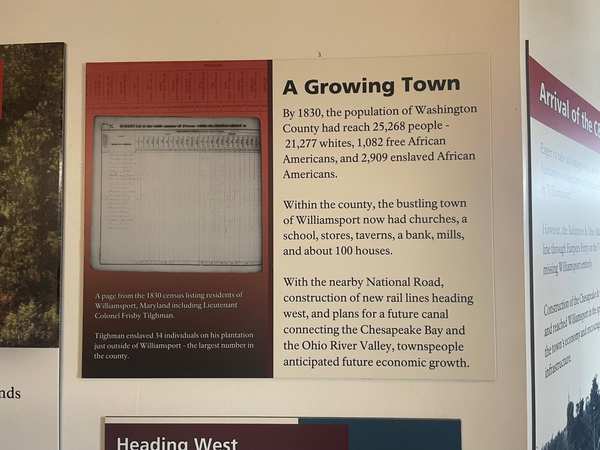
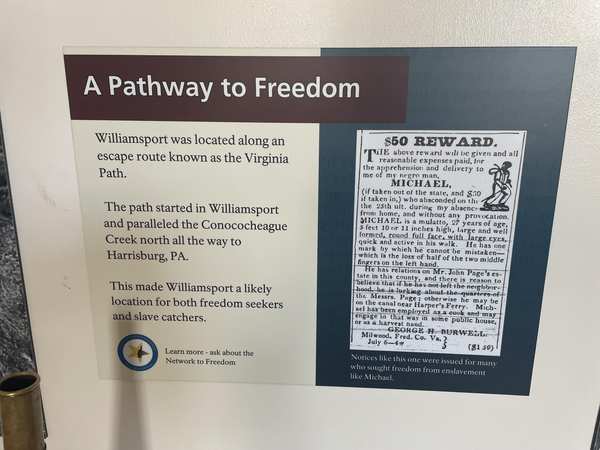
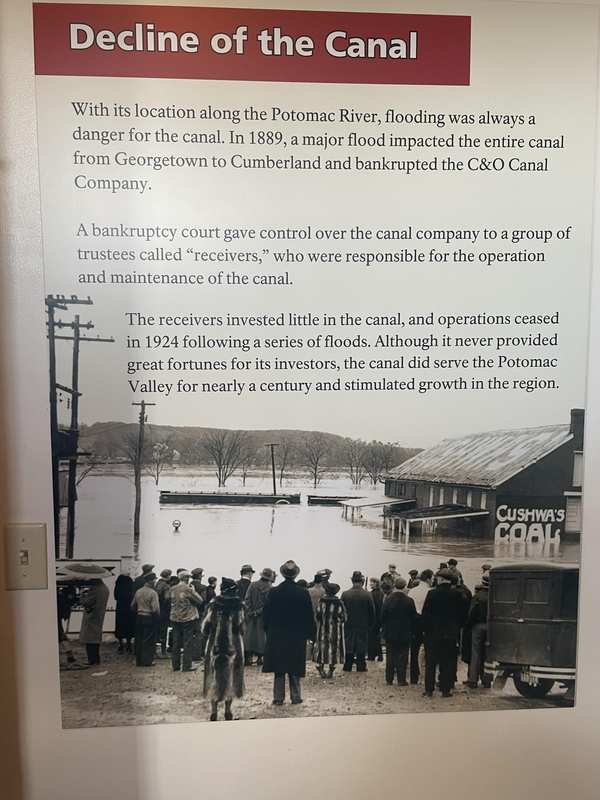
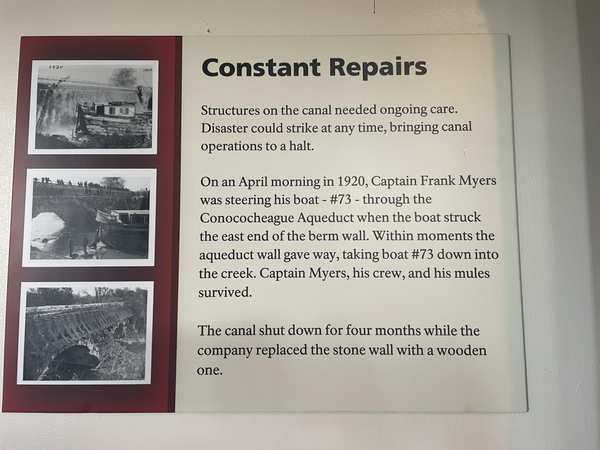
These are panels from the exhibit inside the Cushwa Warehouse Visitor Center that focus on telling the story of the town of Williamsport (where the VC is located), the building itself, and some context for the park (there is another building with canal 101 exhibits across the parking lot which goes into greater detail of the canal story - the exhibit in Cushwa tells the basicis for those who don't make it to both buildings). Two of these 4 panels mention slavery - they were developed in partnership with the Network to Freedom and give factual information, but we just want to double check that they are ok. The other two describe the damage from floods, boating disasters, and eventual bankruptcy and neglect of the canal before it became a national park. A final panel (not shown) does talk about the recovery and preservation of the canal as part of NPS. These are also factual panels that discuss the end of the canal period, we are submitting out of an abundance of caution.
C&O Canal NHP in MD preserves a piece of American history that the public has trusted the National Park Service to protect and interpret. The exhibit panels at this site have been developed over years by historians, subject-matter experts, and park staff — and are now being reviewed under Secretary's Order 3431.
From the internal review records: “These panels are a part of the Canal 101 exhibit in the Trolley Barn (across the parking lot from the Visitor Center in Williamsport MD). The mention the unpredictability of the Potomac River and the damanges river flooding caused to the canal; harsh conditions during construction of the canal; and the end of both the Potowmack Company and the C&O Canal Company and eventual neglect of the canal af...”
Why this matters: C&O Canal NHP is part of a network of over 400 national parks that serve as America's classrooms. The interpretive materials here were developed by subject-matter experts to help visitors understand the full story of this place. When historically accurate content is removed, the public loses access to its own history.
These panels are a part of the Canal 101 exhibit in the Trolley Barn (across the parking lot from the Visitor Center in Williamsport MD). The mention the unpredictability of the Potomac River and the damanges river flooding caused to the canal; harsh conditions during construction of the canal; and the end of both the Potowmack Company and the C&O Canal Company and eventual neglect of the canal after the Canal Company declaired bankruptcy. All information is factually accurite and a final part of the exhibit (not included) talks about the canal becoming a National Historical Park and invites vistors to explore, learn about the history and natural resources that are being preserved, and help to care for this wonderful place.


C&O Canal NHP in MD preserves a piece of American history that the public has trusted the National Park Service to protect and interpret. The exhibit panels at this site have been developed over years by historians, subject-matter experts, and park staff — and are now being reviewed under Secretary's Order 3431.
Why this matters: C&O Canal NHP is part of a network of over 400 national parks that serve as America's classrooms. The interpretive materials here were developed by subject-matter experts to help visitors understand the full story of this place. When historically accurate content is removed, the public loses access to its own history.
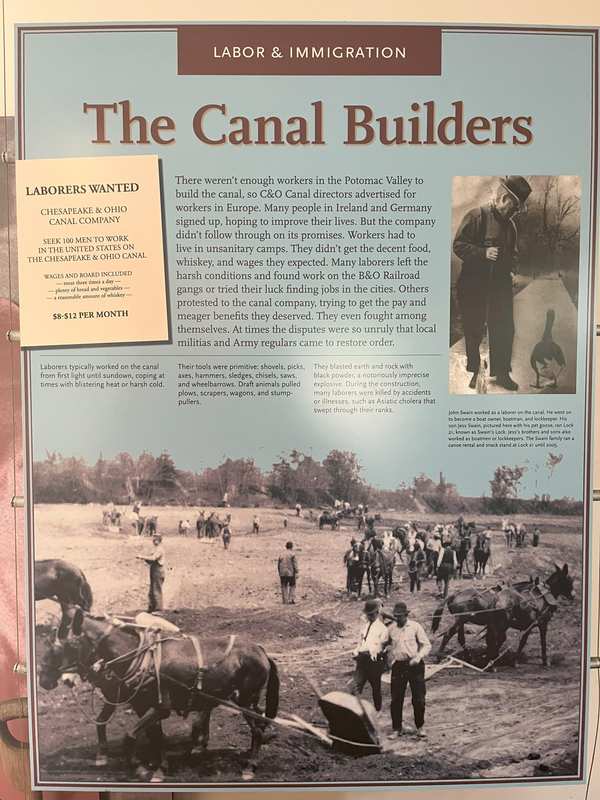
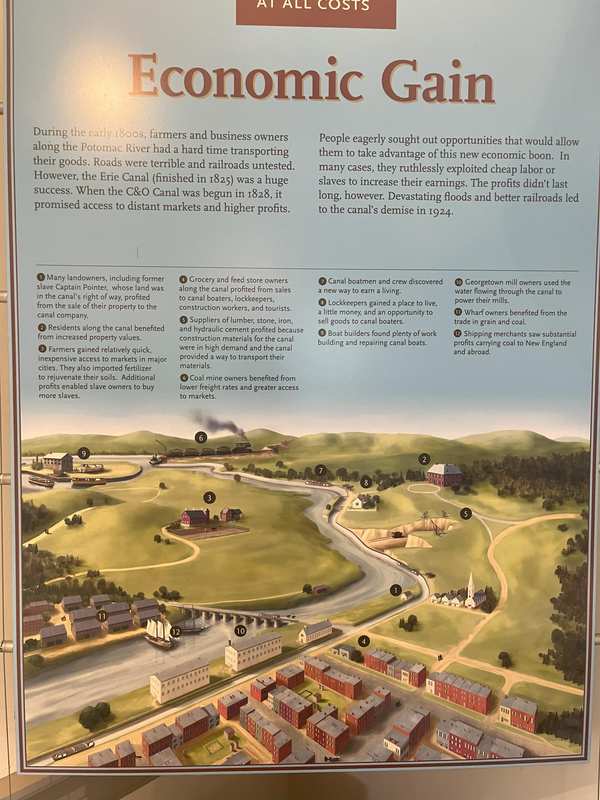
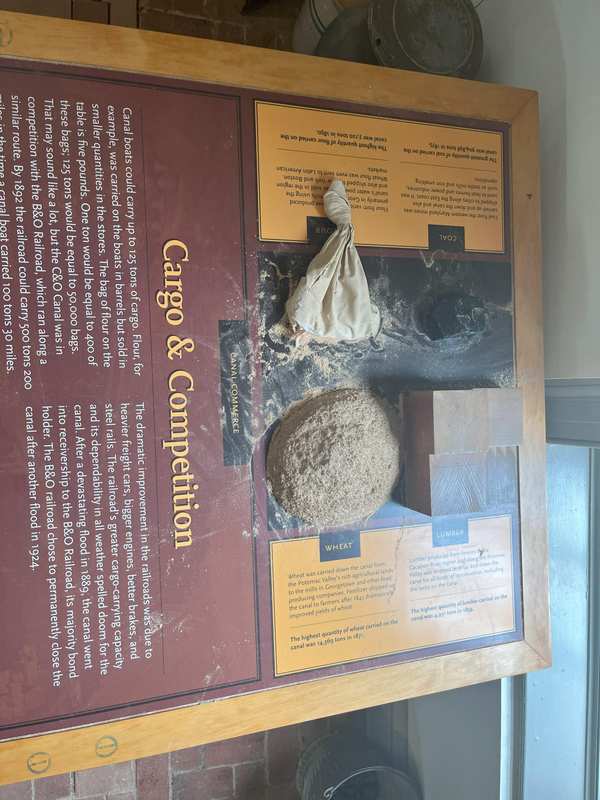
3 panels from the Great Falls Visitor Center that discuss labor tension on the canal, the impacts of flooding, and economic rivalry between the railroad and the canal.


C&O Canal NHP in MD preserves a piece of American history that the public has trusted the National Park Service to protect and interpret. The exhibit panels at this site have been developed over years by historians, subject-matter experts, and park staff — and are now being reviewed under Secretary's Order 3431.
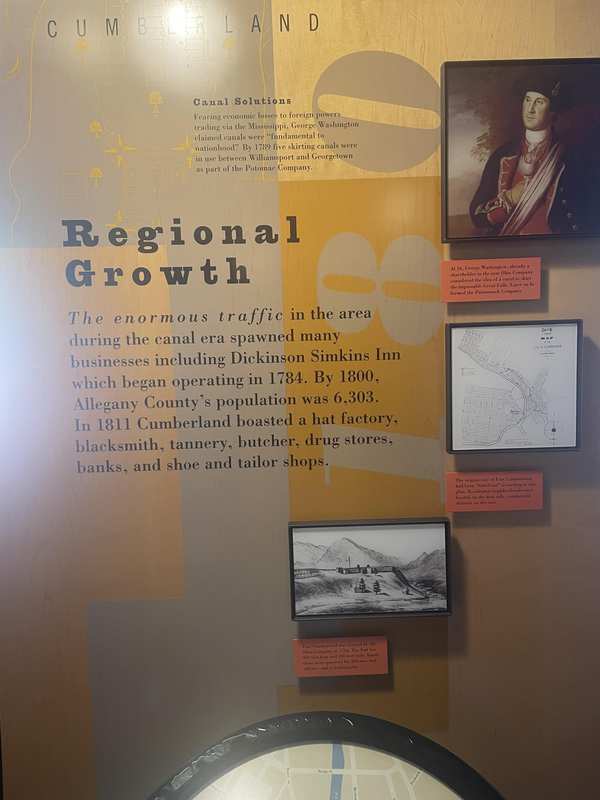
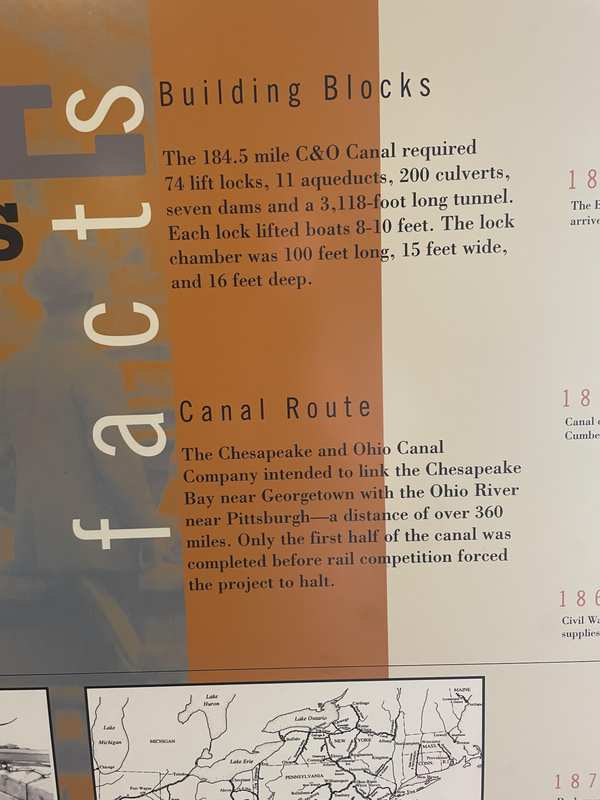
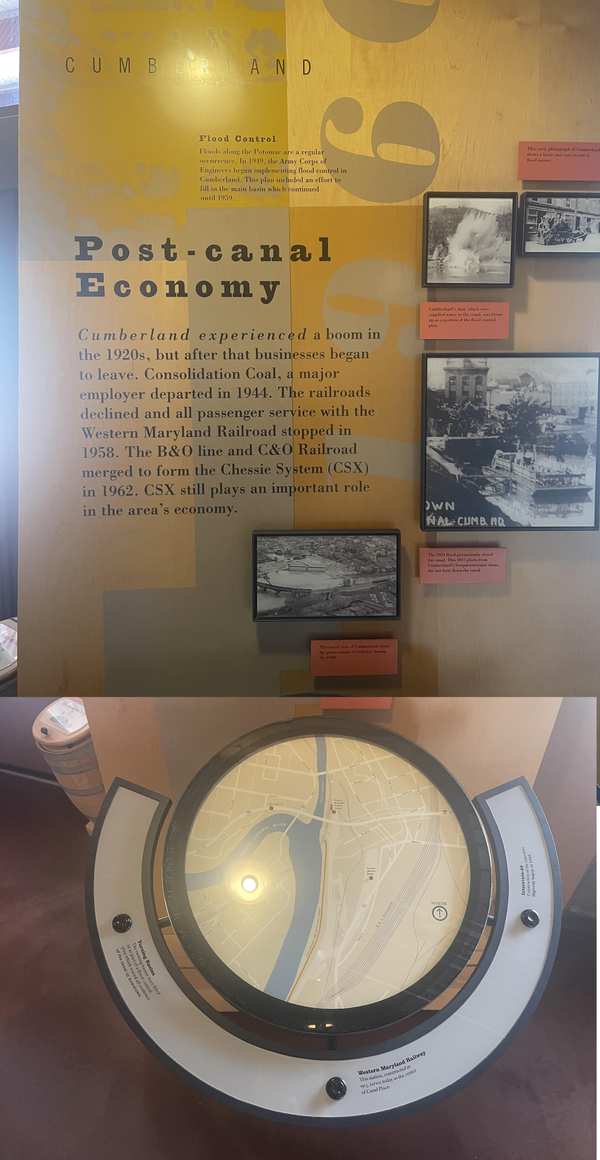
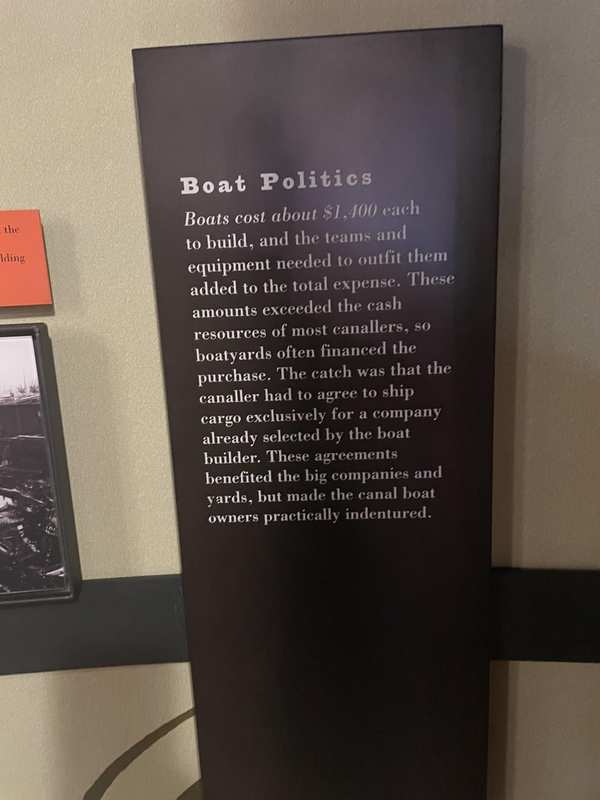
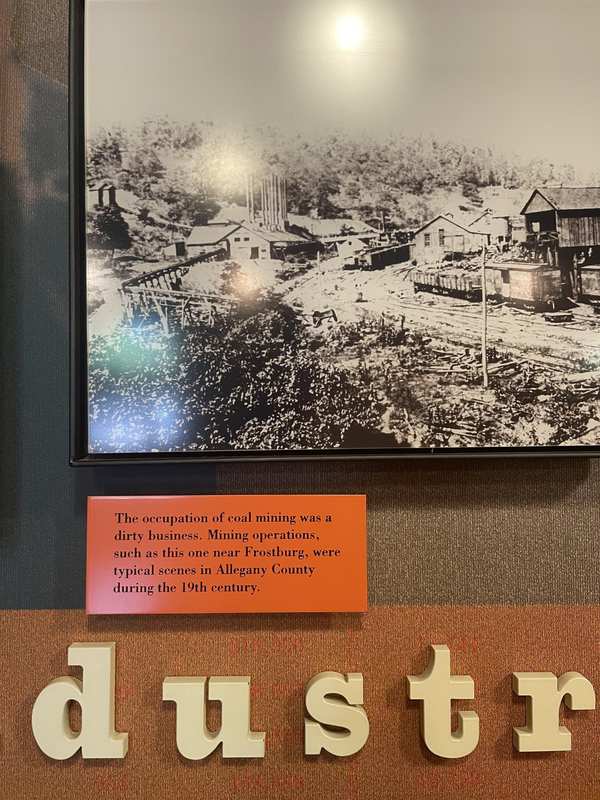
From the internal review records: “Panels from the Cumberland Visitor Center which talk about the dangerous conditions builders of the canal and those who worked on the canal faced, labor tensions and strikes, the dangers of the Potomac River, and economic rivalery between the canal and the railroad. Panels are part of a larger exhibit that tells the complete story of the canal and highlights Cumberland-specific stories such as coa...”
Why this matters: C&O Canal NHP is part of a network of over 400 national parks that serve as America's classrooms. The interpretive materials here were developed by subject-matter experts to help visitors understand the full story of this place. When historically accurate content is removed, the public loses access to its own history.
Panels from the Cumberland Visitor Center which talk about the dangerous conditions builders of the canal and those who worked on the canal faced, labor tensions and strikes, the dangers of the Potomac River, and economic rivalery between the canal and the railroad. Panels are part of a larger exhibit that tells the complete story of the canal and highlights Cumberland-specific stories such as coal mining. Exhibits are factually accurite.

C&O Canal NHP in MD preserves a piece of American history that the public has trusted the National Park Service to protect and interpret. The exhibit panels at this site have been developed over years by historians, subject-matter experts, and park staff — and are now being reviewed under Secretary's Order 3431.
From the internal review records: “Temporary exhibit (travels between multiple visitor centers and is used for outreach events) that describes how people from different backgrounds may inerpret and understand archeology information differently. Factually accurite, but submitting for review out of an abundance of caution. A second introductory panel (not shown) provides information about what archeology is and how it works in NPS.”
Why this matters: C&O Canal NHP is part of a network of over 400 national parks that serve as America's classrooms. The interpretive materials here were developed by subject-matter experts to help visitors understand the full story of this place. When historically accurate content is removed, the public loses access to its own history.
Temporary exhibit (travels between multiple visitor centers and is used for outreach events) that describes how people from different backgrounds may inerpret and understand archeology information differently. Factually accurite, but submitting for review out of an abundance of caution. A second introductory panel (not shown) provides information about what archeology is and how it works in NPS.

C&O Canal NHP in MD preserves a piece of American history that the public has trusted the National Park Service to protect and interpret. The exhibit panels at this site have been developed over years by historians, subject-matter experts, and park staff — and are now being reviewed under Secretary's Order 3431.
From the internal review records: “1 of 4 exhibit panels that are used for outreach events that give a quick overview of canal history. This panel describes the dangers of the Potomac River (flooding specifically) and the eventual bankruptcy of the canal due to those floods.”
Why this matters: C&O Canal NHP is part of a network of over 400 national parks that serve as America's classrooms. The interpretive materials here were developed by subject-matter experts to help visitors understand the full story of this place. When historically accurate content is removed, the public loses access to its own history.
1 of 4 exhibit panels that are used for outreach events that give a quick overview of canal history. This panel describes the dangers of the Potomac River (flooding specifically) and the eventual bankruptcy of the canal due to those floods.
C&O Canal NHP in MD preserves a piece of American history that the public has trusted the National Park Service to protect and interpret. The visitor publications at this site have been developed over years by historians, subject-matter experts, and park staff — and are now being reviewed under Secretary's Order 3431.
From the internal review records: “Two park brochures - one focused on the canal terminus in Cumberland, the other on building the Paw Paw Tunnel - the talk about the labor tensions that occured when building the canal, flooding on the canal, and the eventual bankrupcy of the canal.”
Why this matters: C&O Canal NHP is part of a network of over 400 national parks that serve as America's classrooms. The interpretive materials here were developed by subject-matter experts to help visitors understand the full story of this place. When historically accurate content is removed, the public loses access to its own history.
Two park brochures - one focused on the canal terminus in Cumberland, the other on building the Paw Paw Tunnel - the talk about the labor tensions that occured when building the canal, flooding on the canal, and the eventual bankrupcy of the canal.


C&O Canal NHP in MD preserves a piece of American history that the public has trusted the National Park Service to protect and interpret. The interpretive materials at this site have been developed over years by historians, subject-matter experts, and park staff — and are now being reviewed under Secretary's Order 3431.
From the internal review records: “6 signs that highlight the dangers of the Potomac River to help visitors understand why it's illigal to swim in the river in and around the DC area. Signs were developed in collaboration with the state of MD who own and operate search and rescue operations on the river.”
Why this matters: C&O Canal NHP is part of a network of over 400 national parks that serve as America's classrooms. The interpretive materials here were developed by subject-matter experts to help visitors understand the full story of this place. When historically accurate content is removed, the public loses access to its own history.
6 signs that highlight the dangers of the Potomac River to help visitors understand why it's illigal to swim in the river in and around the DC area. Signs were developed in collaboration with the state of MD who own and operate search and rescue operations on the river.
C&O Canal NHP in MD preserves a piece of American history that the public has trusted the National Park Service to protect and interpret. The park films at this site have been developed over years by historians, subject-matter experts, and park staff — and are now being reviewed under Secretary's Order 3431.
Why this matters: C&O Canal NHP is part of a network of over 400 national parks that serve as America's classrooms. The interpretive materials here were developed by subject-matter experts to help visitors understand the full story of this place. When historically accurate content is removed, the public loses access to its own history.
Film briefly mentions economic rivelry between railroad and canal and that trains would sometimes delbertly sound whistles to scare mules. On display in the Great Falls VC.


C&O Canal NHP in MD preserves a piece of American history that the public has trusted the National Park Service to protect and interpret. The interpretive materials at this site have been developed over years by historians, subject-matter experts, and park staff — and are now being reviewed under Secretary's Order 3431.
Why this matters: C&O Canal NHP is part of a network of over 400 national parks that serve as America's classrooms. The interpretive materials here were developed by subject-matter experts to help visitors understand the full story of this place. When historically accurate content is removed, the public loses access to its own history.
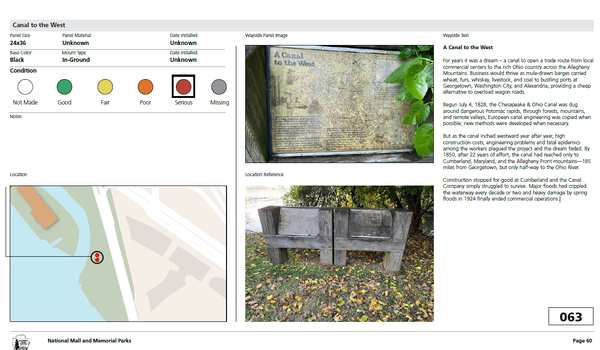
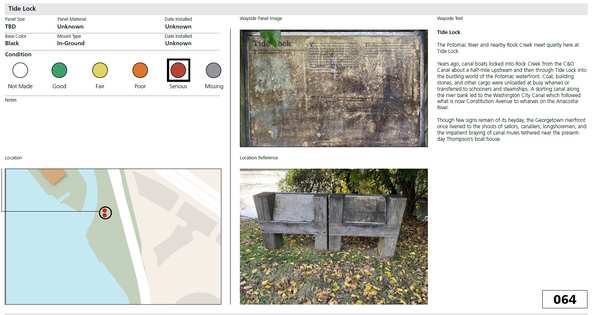
We do not have the digital files (the park is actively working to redo this wayside) and the waysides are too worn to do a proper content assesment.


C&O Canal NHP in MD preserves a piece of American history that the public has trusted the National Park Service to protect and interpret. The interpretive materials at this site have been developed over years by historians, subject-matter experts, and park staff — and are now being reviewed under Secretary's Order 3431.
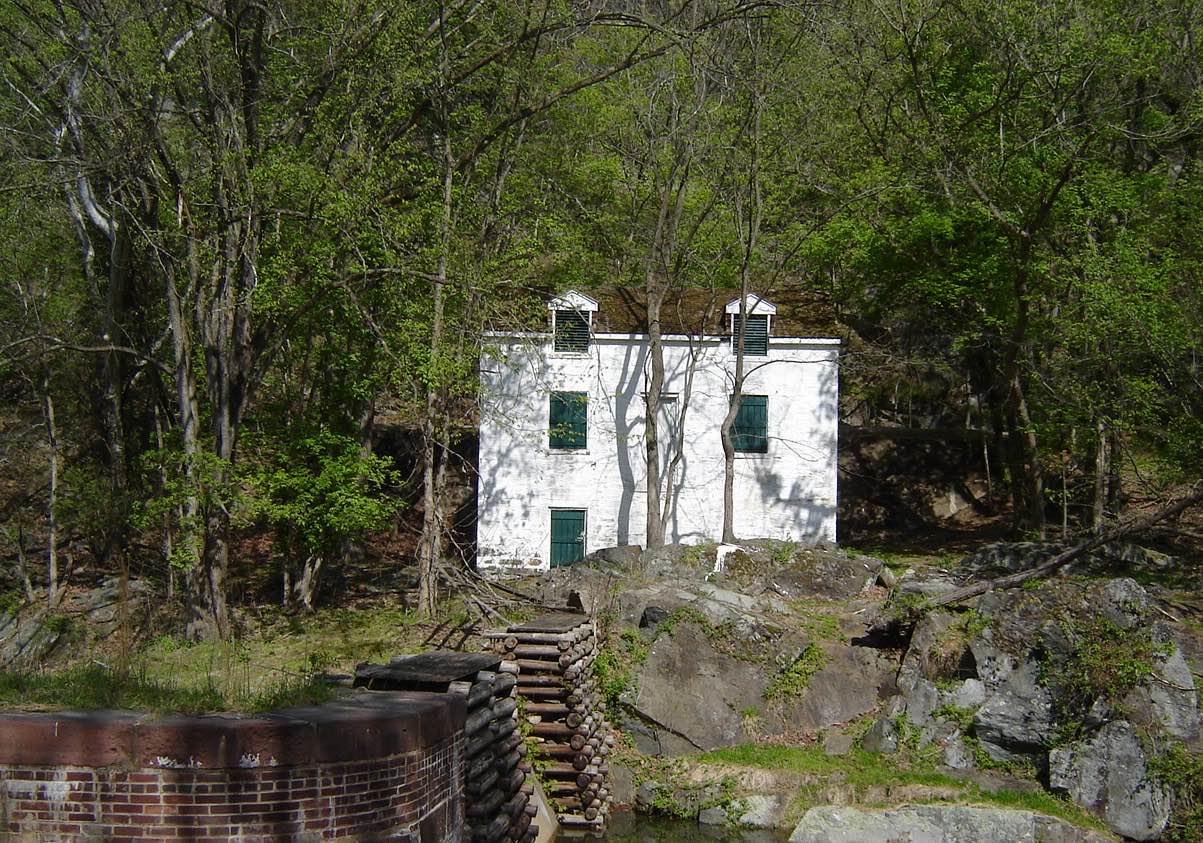
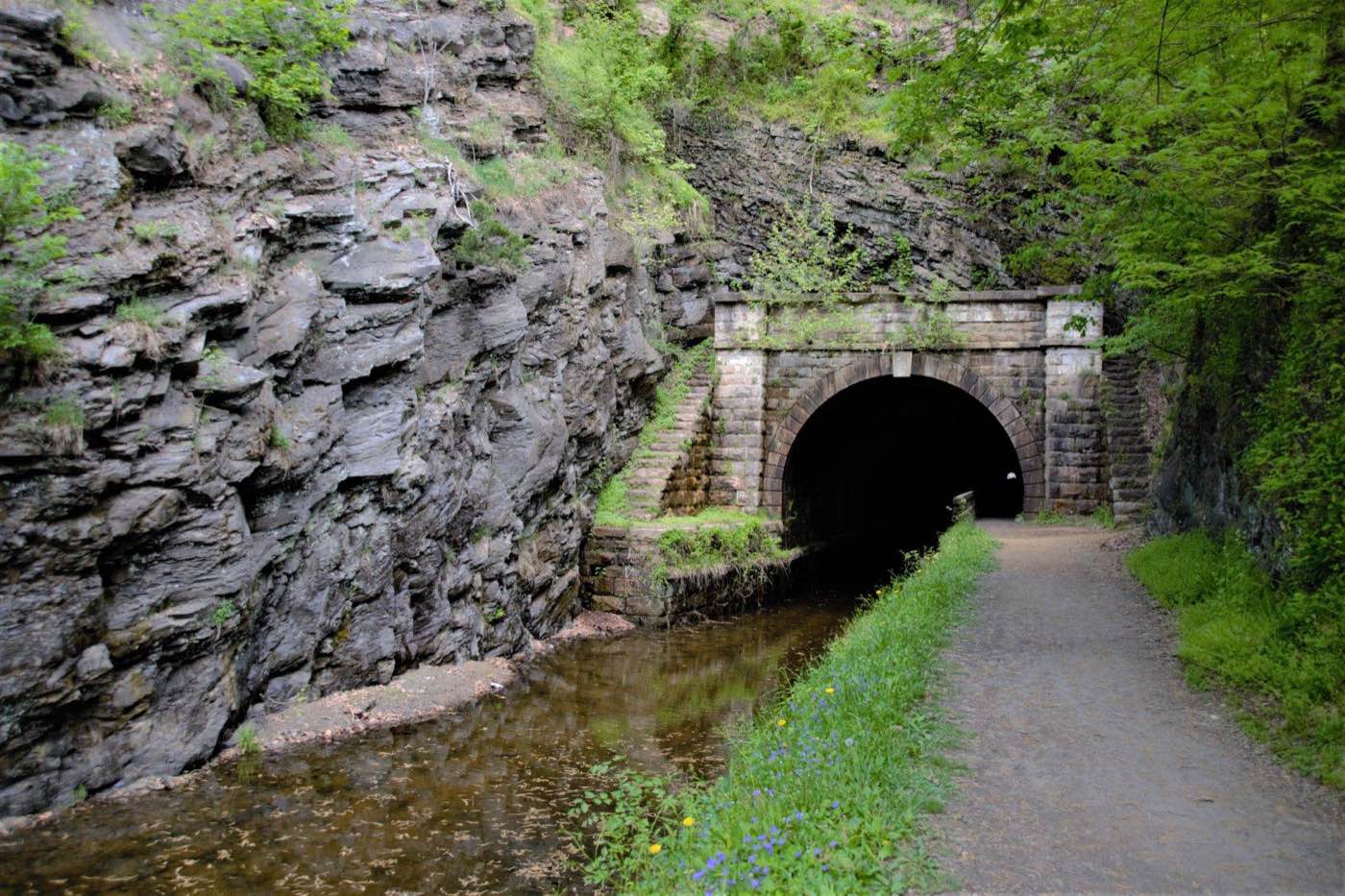
From the internal review records: “The Potomac River regularly flooded and damaged the canal. Builders of the canal also faced challenges working through stone or other remote and harsh natural enviroments. All of these waysides describe those natural challenges.”
Why this matters: C&O Canal NHP is part of a network of over 400 national parks that serve as America's classrooms. The interpretive materials here were developed by subject-matter experts to help visitors understand the full story of this place. When historically accurate content is removed, the public loses access to its own history.
The Potomac River regularly flooded and damaged the canal. Builders of the canal also faced challenges working through stone or other remote and harsh natural enviroments. All of these waysides describe those natural challenges.


C&O Canal NHP in MD is one of hundreds of National Park Service sites where interpretive content has been flagged under Secretary's Order 3431. This directive requires parks to review materials that could be considered negative about past or living Americans — a standard that threatens the factual historical record these sites were created to preserve.
Why this matters: C&O Canal NHP is one of 466+ National Park Service sites where historically accurate interpretive content has been flagged under Secretary's Order 3431. Over 300 million people visit national parks each year. For many — especially schoolchildren — these visits are their first and deepest encounter with American history.
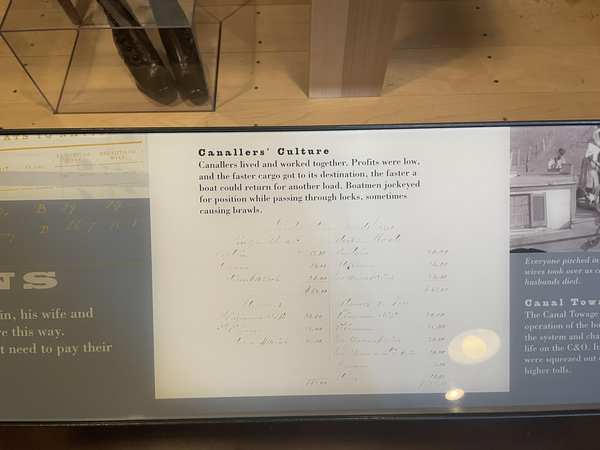
Waysides describe harsh working conditions or labor tension on the canal.


At C&O Canal NHP, the National Park Service has worked for years to document and interpret the history of slavery at this site — a history that was ignored for much of the park's existence. The exhibits, waysides, and publications now under review represent a hard-won commitment to telling the complete American story.
From the internal review records: “Waysides developed in collabroation with the Network to Freedom and park parnter C&O Canal Association. Goal of waysides was to share both the family and enslaved story at Ferry Hill Plantation in order to highlight new scholarship done by the park. All waysides do highlight the enslaved experience.”
Why this matters: The history of slavery at C&O Canal NHP was suppressed for generations. The materials now being targeted represent decades of work by historians, descendants of enslaved people, and community advocates to ensure these stories are finally told. Removing them would re-erase history that has only recently been acknowledged.
Waysides developed in collabroation with the Network to Freedom and park parnter C&O Canal Association. Goal of waysides was to share both the family and enslaved story at Ferry Hill Plantation in order to highlight new scholarship done by the park. All waysides do highlight the enslaved experience.


C&O Canal NHP in MD preserves a piece of American history that the public has trusted the National Park Service to protect and interpret. The interpretive materials at this site have been developed over years by historians, subject-matter experts, and park staff — and are now being reviewed under Secretary's Order 3431.
Why this matters: C&O Canal NHP is part of a network of over 400 national parks that serve as America's classrooms. The interpretive materials here were developed by subject-matter experts to help visitors understand the full story of this place. When historically accurate content is removed, the public loses access to its own history.
Waysides highlight the economic rivalry between the railroad and the canal, mentions times of economic harship or disruption on the canal, and mention the bankruptcy of the canal company.


C&O Canal NHP in MD preserves a piece of American history that the public has trusted the National Park Service to protect and interpret. The interpretive materials at this site have been developed over years by historians, subject-matter experts, and park staff — and are now being reviewed under Secretary's Order 3431.
Why this matters: C&O Canal NHP is part of a network of over 400 national parks that serve as America's classrooms. The interpretive materials here were developed by subject-matter experts to help visitors understand the full story of this place. When historically accurate content is removed, the public loses access to its own history.
Waysides mention period when canal was neglected (after bankruptcy of Canal Comand and before it became a park) and quest for relevance.

C&O Canal NHP in MD preserves a piece of American history that the public has trusted the National Park Service to protect and interpret. The interpretive materials at this site have been developed over years by historians, subject-matter experts, and park staff — and are now being reviewed under Secretary's Order 3431.
From the internal review records: “Wayside says "If walls could talk then Lockhouse 22 could tell some tales. One might hear about President Grover Cleveland who sought refuge from the pressures of the White House by coming here on fishing trips. Or perhaps the lockhouse would tell of one lockkeeper who had too much to drink and let the water out of the lock too quickly, sinking a canal boat and its 113 tons of coal." Could pot...”
Why this matters: C&O Canal NHP is part of a network of over 400 national parks that serve as America's classrooms. The interpretive materials here were developed by subject-matter experts to help visitors understand the full story of this place. When historically accurate content is removed, the public loses access to its own history.
Wayside says "If walls could talk then Lockhouse 22 could tell some tales. One might hear about President Grover Cleveland who sought refuge from the pressures of the White House by coming here on fishing trips. Or perhaps the lockhouse would tell of one lockkeeper who had too much to drink and let the water out of the lock too quickly, sinking a canal boat and its 113 tons of coal." Could potentially be seen as denigrating the lockkeeper.
See all 874+ entries across every national park and wildlife refuge.
Open Interactive Map →