Cane River Creole National Historical Park

CARI · LA
FLAGGED FOR REVIEW
17 entries
82 photos
6 topics
Civil Rights & Racial Justice Slavery & Enslaved People Civil War Labor History Women's History Climate & Environment

NPS History

NPSHistory.com

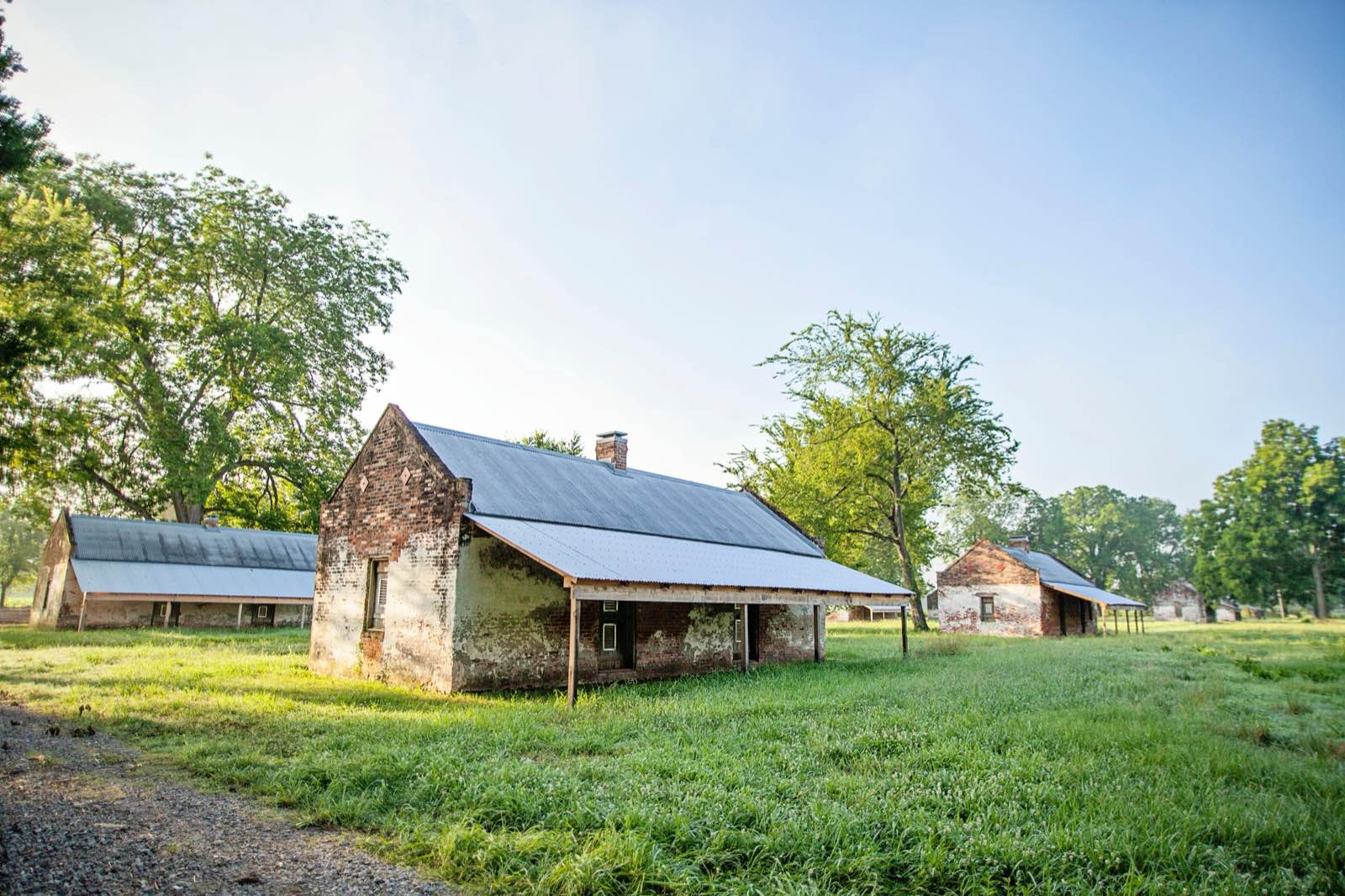
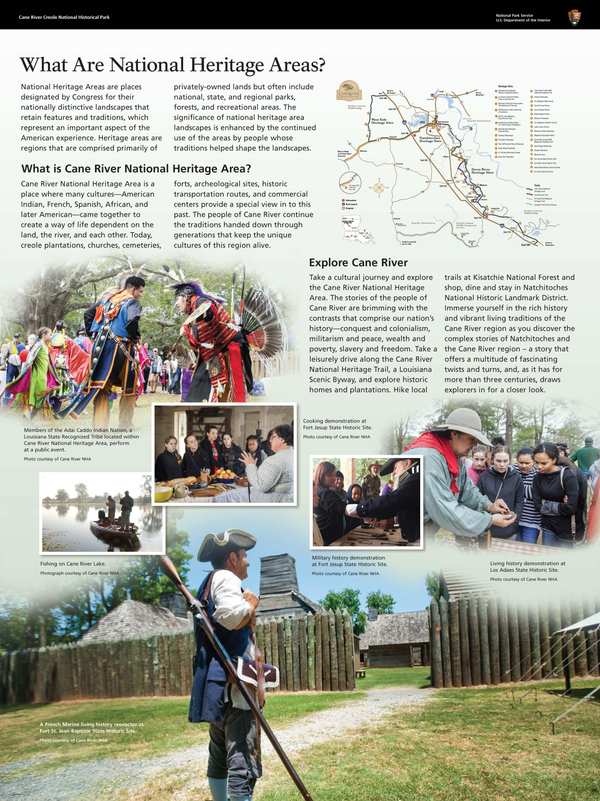
Cane River Creole National Historical Park in Natchitoches Parish, Louisiana, preserves two 18th- and 19th-century Creole cotton plantations — Oakland and Magnolia — that document the complex history of French Creole culture, plantation agriculture, and enslaved labor along the Cane River. Established by Congress in 1994, the park protects plantation structures, slave quarters, agricultural landscapes, and the stories of the enslaved people who built and maintained these operations. The Cane River region is one of the oldest permanent European settlements in the Louisiana Purchase territory, and the park's cultural landscape reflects centuries of French, Spanish, African, and Native American influence.

📚 Learn More at NPSHistory.com →
Flagged Entries (17)
Entry #405 FLAGGED FOR REVIEW

Flagged for Review: Publications

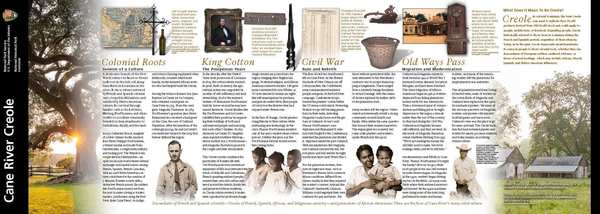
CARI S1 2025ParkReview4
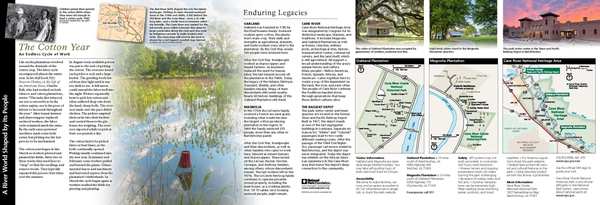
CARI S2 2025ParkReview4

At Cane River Creole National Historical Park, the administration has flagged books and publications sold in the park bookstore for review under Secretary's Order 3431. Among the titles targeted: American” under the King Cotton section. These works, selected by park staff and partner organizations for their educational value, are now under scrutiny.

Among the content targeted: “Anglo-American” — language that the administration has flagged for review under its directive to review historically accurate interpretive materials.

Why this matters: The civil rights history documented at Cane River Creole National Historical Park is not a matter of opinion — it is the factual record of how Americans fought for the rights promised by our founding documents. These events occurred within living memory. The people who marched, sat in, and sacrificed are still alive to tell their stories.

Civil Rights & Racial Justice
Exact Text Targeted for Removal
What Was Flagged for Review

CARI S1 2025 Unigrid Brochure

Review text of new brochure (not yet printed) – particularly the use of the term word “Anglo-American” under the King Cotton section

CARI S2 2025 Unigrid Brochure

Review text of new brochure (not yet printed) – particularly the Railway Depot section under the Enduring Legacies section that appears to connect the ending of passenger service with the 1964 Civil Rights Act.

View on map →
Entry #407 FLAGGED FOR REVIEW

Flagged for Review: Interpretive materials

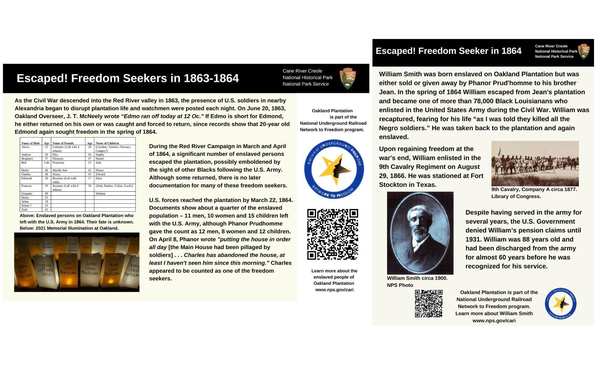
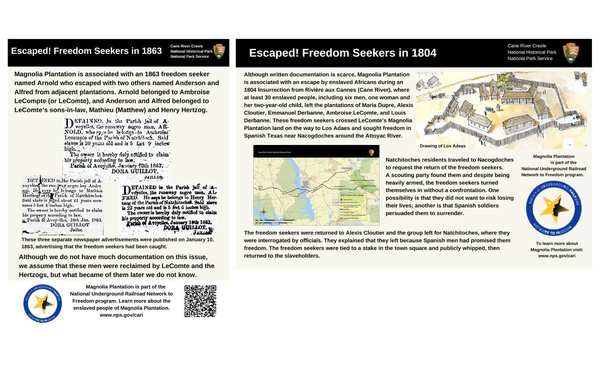
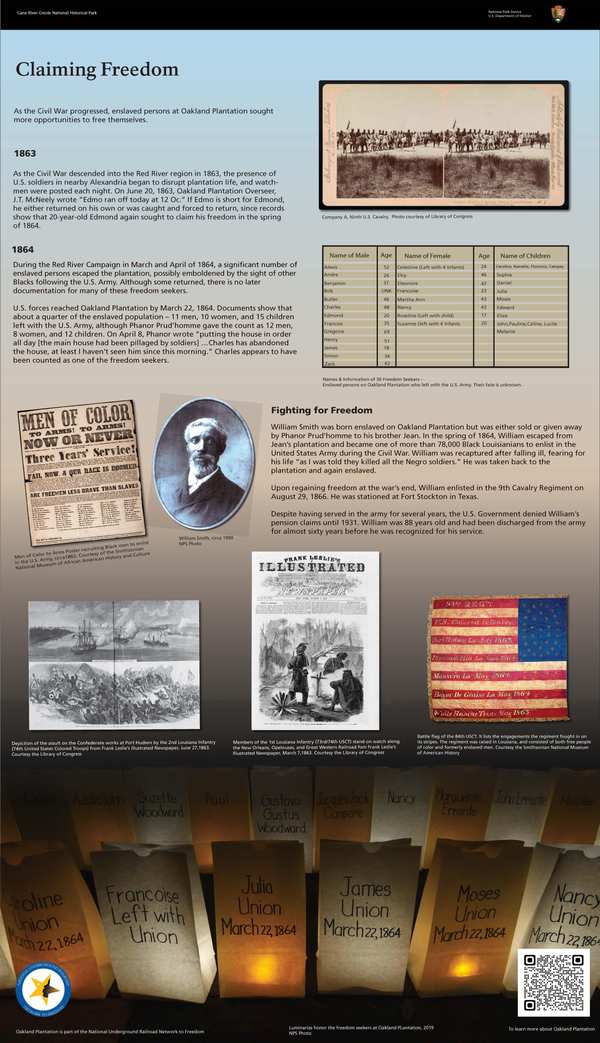
Freedom Seekers 1863.1864 1864 Oakland
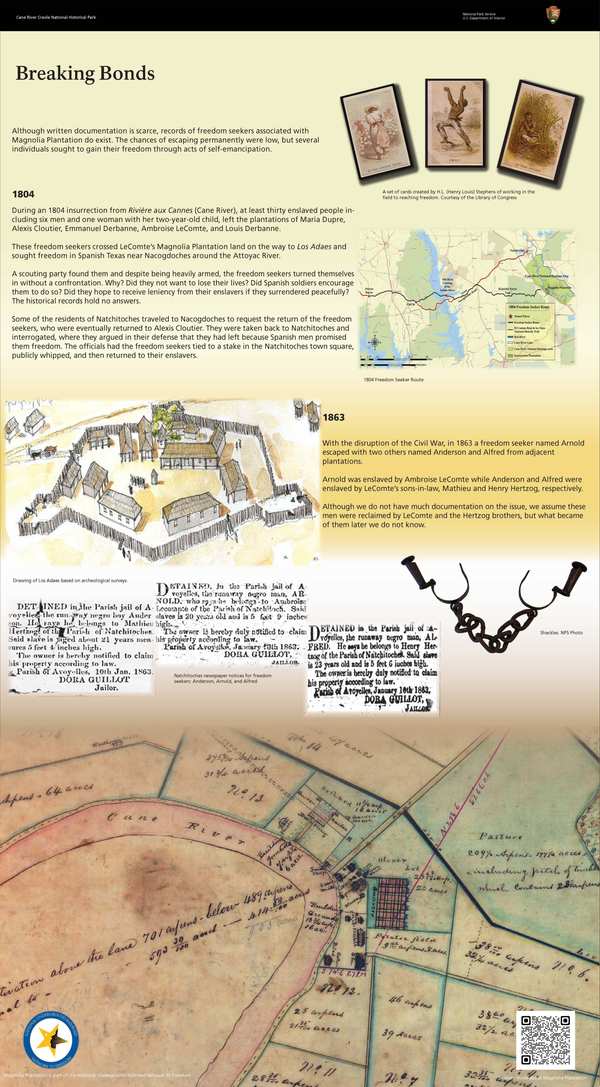
Freedom Seekers 1804 1863 Magnolia

At Cane River Creole National Historical Park, the National Park Service has worked for years to document and interpret the history of slavery at this site — a history that was ignored for much of the park's existence. The exhibits, waysides, and publications now under review represent a hard-won commitment to telling the complete American story.

From the internal review records: “Review text of park produced exhibit which can be easily changed– particularly that the names of the enslavers are given along with the fact that upon return the freedom seekers were publicly whipped.”

Why this matters: The history of slavery at Cane River Creole National Historical Park was suppressed for generations. The materials now being targeted represent decades of work by historians, descendants of enslaved people, and community advocates to ensure these stories are finally told. Removing them would re-erase history that has only recently been acknowledged.

Slavery & Enslaved People
Exact Text Targeted for Removal
What Was Flagged for Review

Freedom Seekers in 1804

Review text of park produced exhibit which can be easily changed– particularly that the names of the enslavers are given along with the fact that upon return the freedom seekers were publicly whipped.

Freedom Seekers in 1863

Review text of park produced exhibit which can be easily changed – particularly that the names of the enslavers are given.

Freedom Seekers in 1863-1864

Review text of park produced exhibit which can be easily changed – particularly that quotes of the overseer and enslaver are used.

Freedom Seekers in 1864

Review text of park produced exhibit which can be easily changed – particularly that mentions the name of the enslaver who sold or gave away the enslaved person.

View on map →
Entry #419 FLAGGED FOR REVIEW

Flagged for Review: Interpretive materials

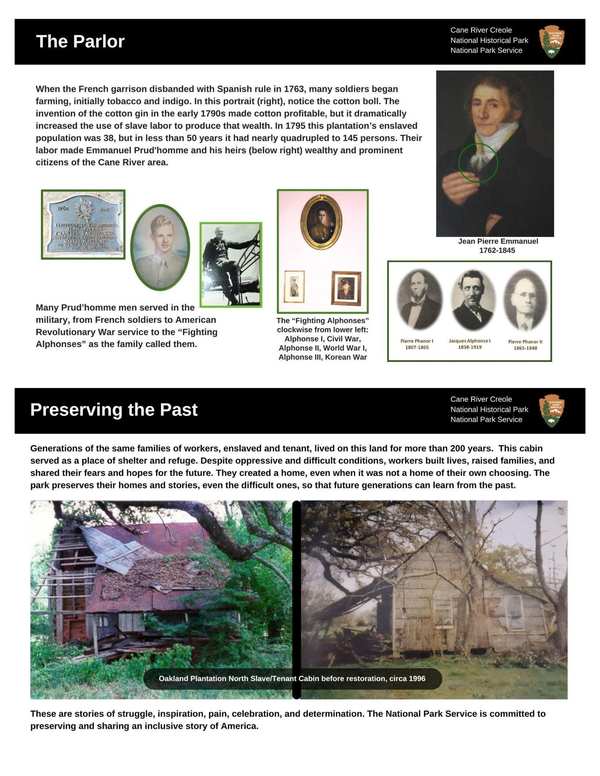
The Parlor Preserving the Past
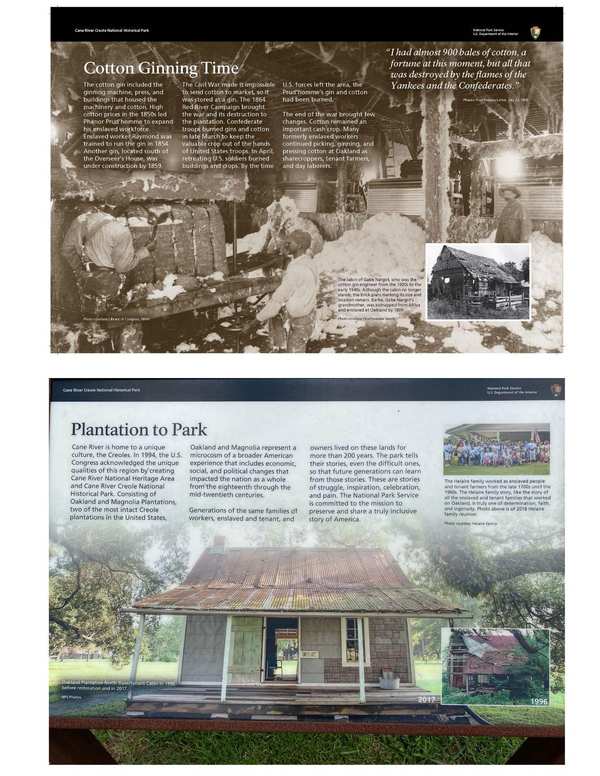
Cotton Ginning Time Plantation to Park
+1 more

At Cane River Creole National Historical Park, the National Park Service has worked for years to document and interpret the history of slavery at this site — a history that was ignored for much of the park's existence. The exhibits, waysides, and publications now under review represent a hard-won commitment to telling the complete American story.

The administration has flagged for review content that includes the language: “The National Park Service is committed to preserving and sharing an inclusive story of America.”, “Barbe, Gabe Nargot’s grandmother, was kidnapped from Africa and enslaved at Oakland by 1809.”, and “The National Park Service is committed to the mission to preserve and share a truly inclusive story of America.”.

Why this matters: The history of slavery at Cane River Creole National Historical Park was suppressed for generations. The materials now being targeted represent decades of work by historians, descendants of enslaved people, and community advocates to ensure these stories are finally told. Removing them would re-erase history that has only recently been acknowledged.

Slavery & Enslaved People Civil War Labor History
Exact Text Targeted for Removal
What Was Flagged for Review

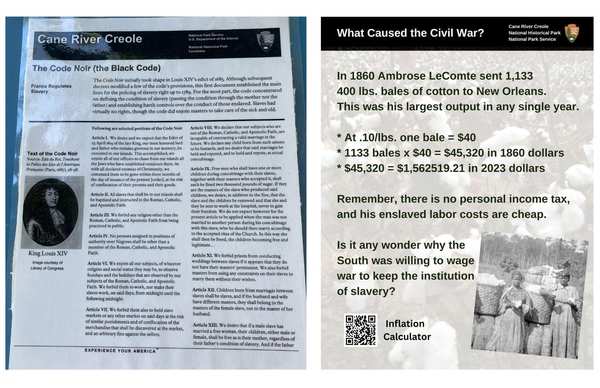
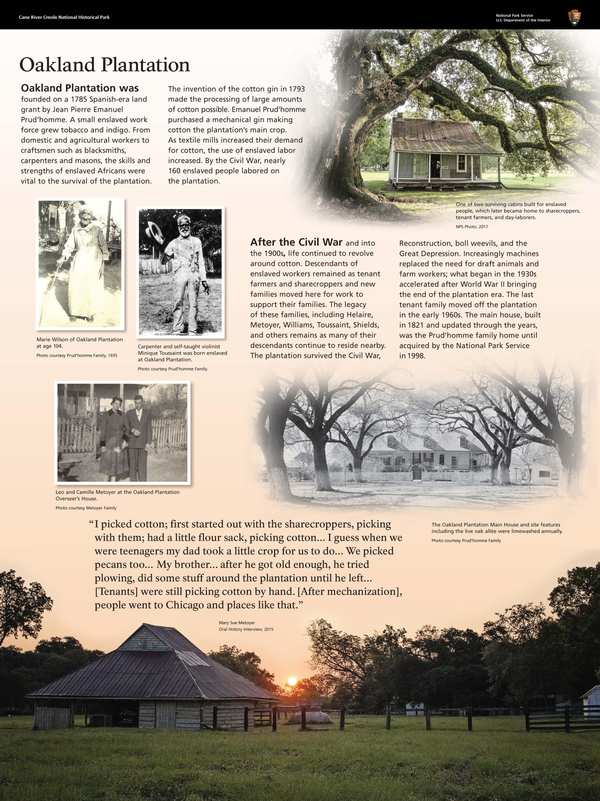
Title: Code Noir Review text of park produced exhibit which can be easily changed – particularly how the code that was used to regulate the enslaved is described. Title: What Caused the Civil War Review text of park produced exhibit which can be easily changed – particularly that it speaks of slavery as the cause of the Civil War and points out the immense wealth created by slavery. Title: The Parlor Review text of park produced exhibit which can be easily changed – particularly the statement that the labor of the enslaved made the Prud’homme family wealthy. Title: Preserving the Past Revie...

Exhibit Title

Cotton Ginning Time Review text – particularly the use of the word kidnapped in the image caption, “Barbe, Gabe Nargot’s grandmother, was kidnapped from Africa and enslaved at Oakland by 1809.”

Exhibit Title

Plantation to Park Review text – particularly the last sentence, “The National Park Service is committed to the mission to preserve and share a truly inclusive story of America.”

View on map →
Entry #420 FLAGGED FOR REVIEW

Flagged for Review: Interpretive materials

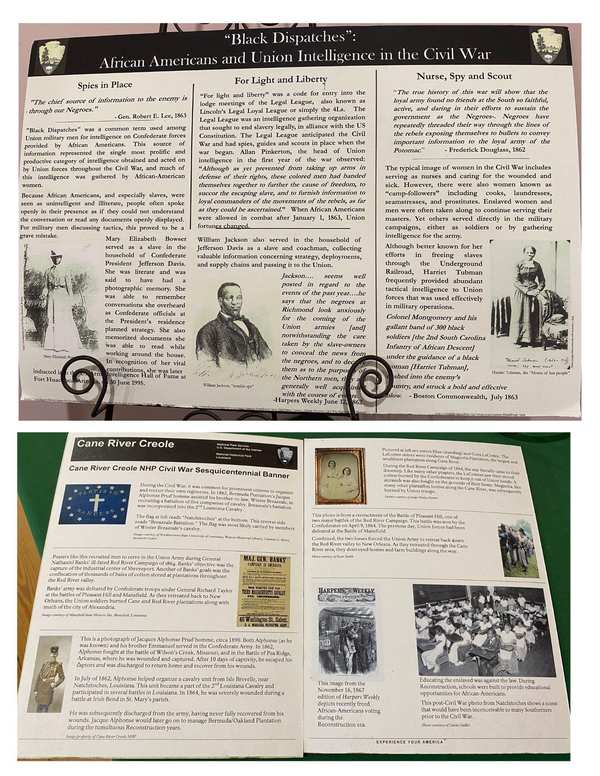
Black Dispatches Cane River Creole Civil War

At Cane River Creole National Historical Park, the National Park Service has worked for years to document and interpret the history of slavery at this site — a history that was ignored for much of the park's existence. The exhibits, waysides, and publications now under review represent a hard-won commitment to telling the complete American story.

Among the content targeted: “This post-Civil War photo from Natchitoches shows a scene that would have been inconceivable to many Southerners prior to the Civil War.” — language that the administration has flagged for review under its directive to review historically accurate interpretive materials.

Why this matters: The history of slavery at Cane River Creole National Historical Park was suppressed for generations. The materials now being targeted represent decades of work by historians, descendants of enslaved people, and community advocates to ensure these stories are finally told. Removing them would re-erase history that has only recently been acknowledged.

Slavery & Enslaved People Civil War
Exact Text Targeted for Removal
What Was Flagged for Review
Exhibit Title

Black Dispatches Review text of park produced Civil War 150th exhibit which can be removed– particularly the role enslaved people played as spies.

Exhibit Title

Cane River Creole Civil War Review text of park produced Civil War 150th exhibit which can be removed – particularly the last sentence, “This post-Civil War photo from Natchitoches shows a scene that would have been inconceivable to many Southerners prior to the Civil War.”

View on map →
Entry #570 FLAGGED FOR REVIEW

Flagged for Review: Exhibit panels

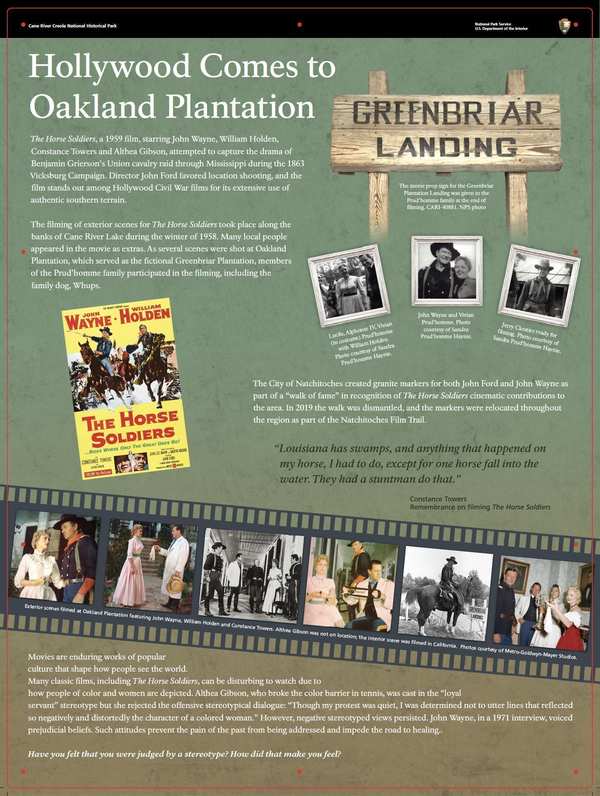
Horse Soldiers v3
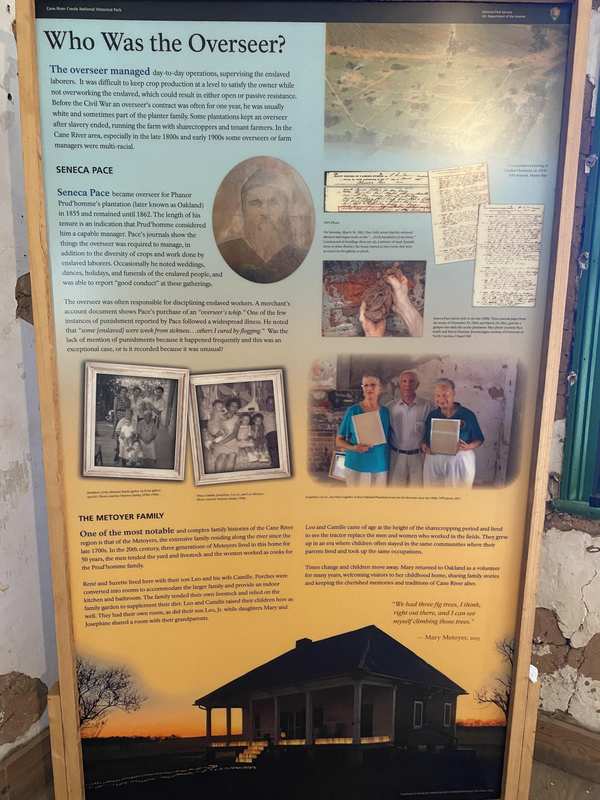
Who was the Overseer
+1 more

At Cane River Creole National Historical Park, the National Park Service has worked for years to document and interpret the history of slavery at this site — a history that was ignored for much of the park's existence. The exhibits, waysides, and publications now under review represent a hard-won commitment to telling the complete American story.

Among the content targeted: “settling up” — language that the administration has flagged for review under its directive to review historically accurate interpretive materials.

Why this matters: The history of slavery at Cane River Creole National Historical Park was suppressed for generations. The materials now being targeted represent decades of work by historians, descendants of enslaved people, and community advocates to ensure these stories are finally told. Removing them would re-erase history that has only recently been acknowledged.

Slavery & Enslaved People Civil War Women's History Climate & Environment Labor History
Exact Text Targeted for Removal
What Was Flagged for Review

Title: Hollywood Comes to Oakland Plantation

Review text – particularly the description how people of color women etc. are portrayed in older movies and the reference to John Wayne’s beliefs.

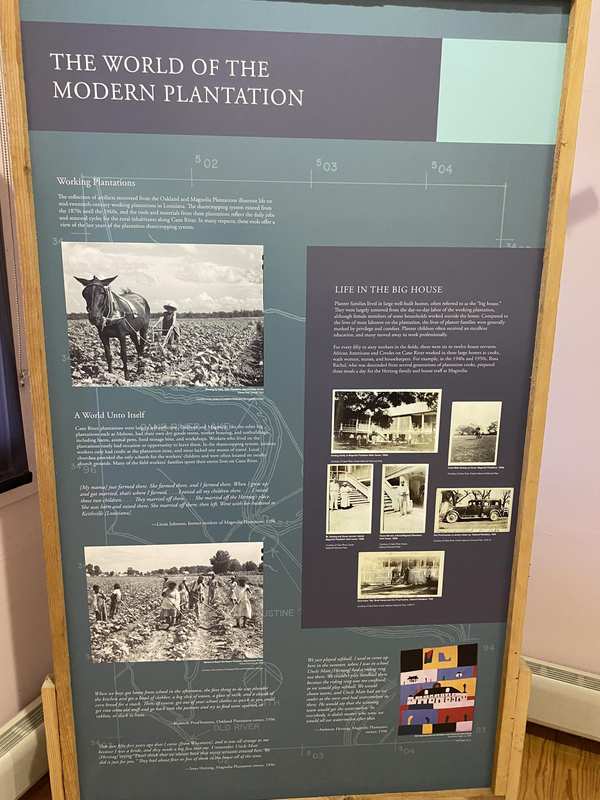
Title: Modern Plantation

Review text of old exhibit which can be removed– particularly the description of white privilege.

Title: Who was the Overseer

Review text – particularly the quote from the Seneca Pace (Oakland overseers before the Civil War) on the flogging of enslaved people.

Title: Sharecroppers, Tenant Farmers & Day Laborers

Review text – particularly the use of the term “settling up” – this was a common expression used by sharecroppers when dealing with plantation store accounts at the end of the crop season.

View on map →
Entry #573 FLAGGED FOR REVIEW

Flagged for Review: Exhibit panels

NTF Panel 3 final
NTF Panel 5 final
+3 more

At Cane River Creole National Historical Park, the National Park Service has worked for years to document and interpret the history of slavery at this site — a history that was ignored for much of the park's existence. The exhibits, waysides, and publications now under review represent a hard-won commitment to telling the complete American story.

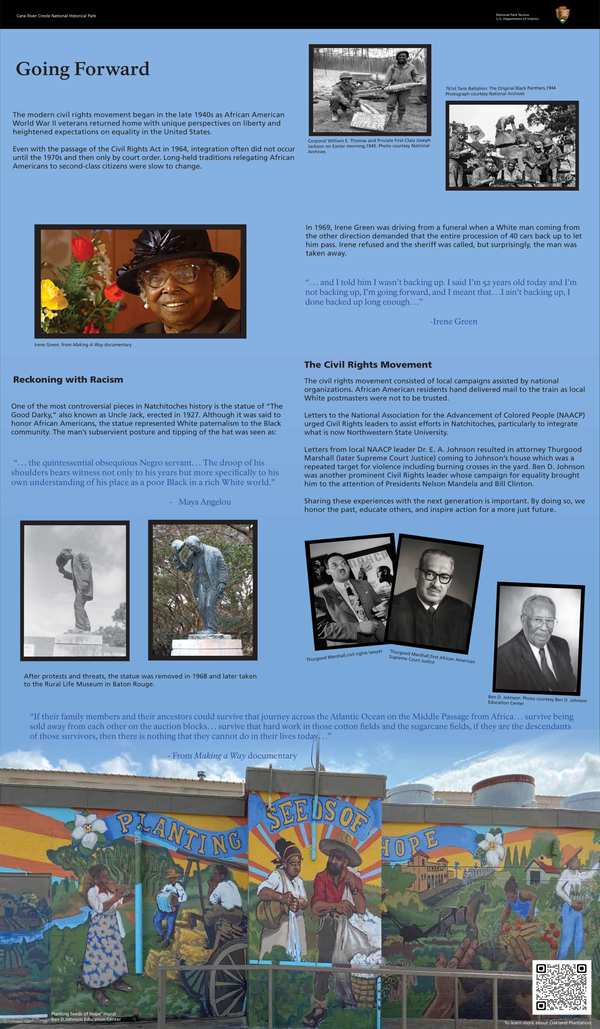
Among the content targeted: “Good Darky” — language that the administration has flagged for review under its directive to review historically accurate interpretive materials.

Why this matters: The history of slavery at Cane River Creole National Historical Park was suppressed for generations. The materials now being targeted represent decades of work by historians, descendants of enslaved people, and community advocates to ensure these stories are finally told. Removing them would re-erase history that has only recently been acknowledged.

Slavery & Enslaved People Civil Rights & Racial Justice
Exact Text Targeted for Removal
What Was Flagged for Review

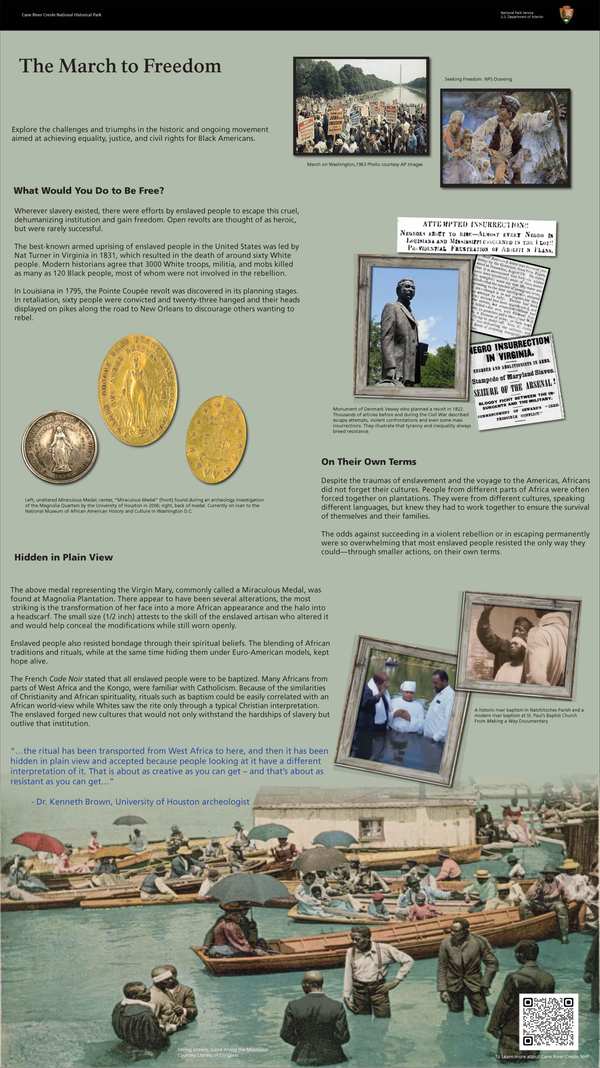
Title: The March to Freedom (panel 1)

This is panel 1 of a 5-panel exhibit that explores the challenges and triumphs in the historic and ongoing movement aimed at achieving equality, justice, and civil rights for Black Americans.

Title: Breaking Bonds (panel 2)

Review text – particularly the naming of the freedom seekers enslavers and public whipping.

Title: Claiming Freedom (panel 3)

Review text – particularly the names of the enslavers.

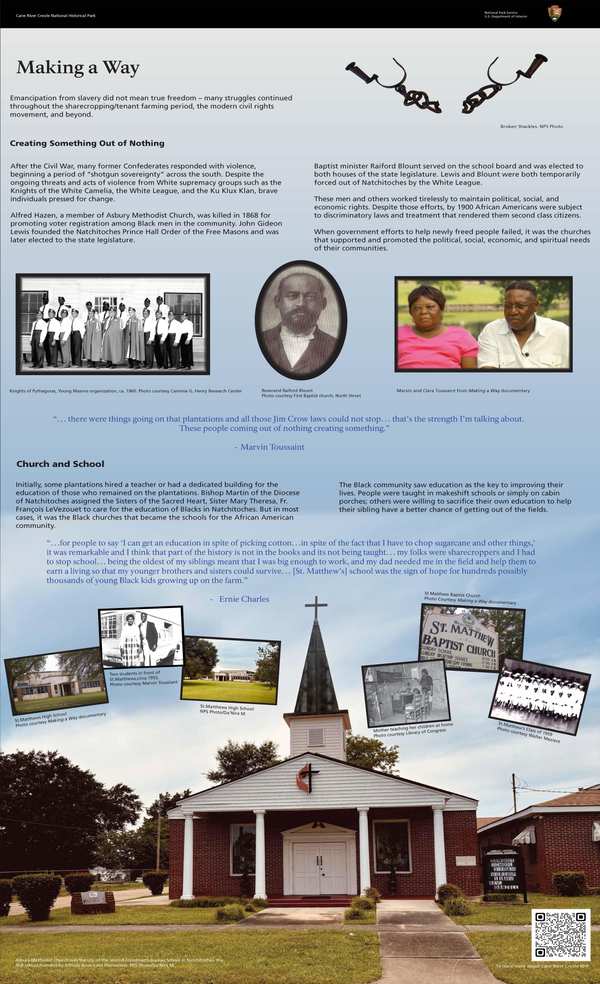
Title: Making a Way (panel 4)

This is panel of a 5-panel exhibit.

Title: Going Forward (panel )

Review text – particularly the interpretation of the controversial “Good Darky” statue which was erected in 1927 and removed in 1968. Community public meetings expressed the need to tell the story of the statue.

View on map →
Entry #581 FLAGGED FOR REVIEW

Flagged for Review: Interpretive materials

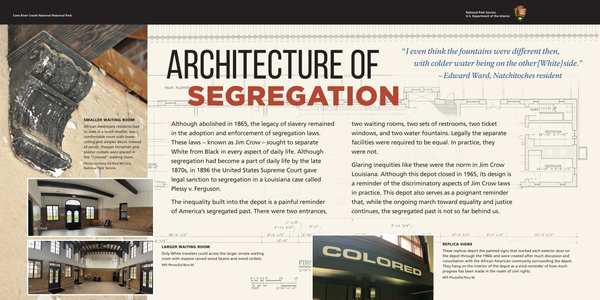
Architecture of Segregation
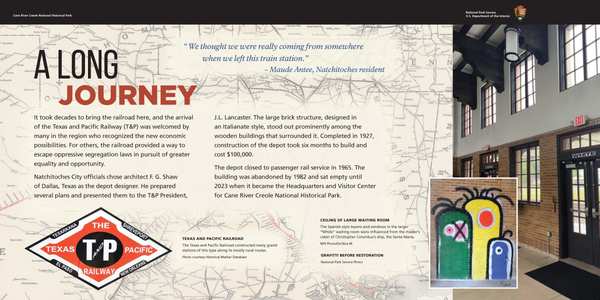
A Long Journey
+3 more

Cane River Creole National Historical Park in LA preserves a piece of American history that the public has trusted the National Park Service to protect and interpret. The interpretive materials at this site have been developed over years by historians, subject-matter experts, and park staff — and are now being reviewed under Secretary's Order 3431.

From the internal review records: “The depot is significant not only as a train depot, but also as one of the last physical vestiges of segregation and the Jim Crow era within the State of Louisiana. The park worked with the local community and park partners to get input on the building’s history, its stories, and how to share them. The depot exhibits are newly developed and have not been installed.”

Why this matters: The civil rights history documented at Cane River Creole National Historical Park is not a matter of opinion — it is the factual record of how Americans fought for the rights promised by our founding documents. These events occurred within living memory. The people who marched, sat in, and sacrificed are still alive to tell their stories.

Civil Rights & Racial Justice
Exact Text Targeted for Removal
What Was Flagged for Review

As part of the ongoing renovation of the park visitor center (Texas & Pacific Railway Depot), we are requesting a review of the exhibit content to ensure alignment with the intent and guidance of Secretary’s Order 3431.

The depot is significant not only as a train depot, but also as one of the last physical vestiges of segregation and the Jim Crow era within the State of Louisiana. The park worked with the local community and park partners to get input on the building’s history, its stories, and how to share them. The depot exhibits are newly developed and have not been installed.

While, the park has conducted an internal and community reviews of these materials, we want to ensure that we are accurately interpreting the order’s expectations. They are designed to provide visitors with a deeper understanding of complex histories connected to the site.

View on map →
Entry #583 FLAGGED FOR REVIEW

Flagged for Review: Exhibit panels

Woman with Child
Soldier
+5 more

Cane River Creole National Historical Park in LA preserves a piece of American history that the public has trusted the National Park Service to protect and interpret. The exhibit panels at this site have been developed over years by historians, subject-matter experts, and park staff — and are now being reviewed under Secretary's Order 3431.

From the internal review records: “The depot is significant not only as a train depot, but also as one of the last physical vestiges of segregation and the Jim Crow era within the State of Louisiana. The park worked with the local community and park partners to get input on the building’s history, its stories, and how to share them. The depot exhibits are newly developed and have not been installed.”

Why this matters: The civil rights history documented at Cane River Creole National Historical Park is not a matter of opinion — it is the factual record of how Americans fought for the rights promised by our founding documents. These events occurred within living memory. The people who marched, sat in, and sacrificed are still alive to tell their stories.

Civil Rights & Racial Justice
Exact Text Targeted for Removal
What Was Flagged for Review

As part of the ongoing renovation of the park visitor center (Texas & Pacific Railway Depot), we are requesting a review of the exhibit content to ensure alignment with the intent and guidance of Secretary’s Order 3431.

The depot is significant not only as a train depot, but also as one of the last physical vestiges of segregation and the Jim Crow era within the State of Louisiana. The park worked with the local community and park partners to get input on the building’s history, its stories, and how to share them. The depot exhibits are newly developed and have not been installed.

While, the park has conducted an internal and community reviews of these materials, we want to ensure that we are accurately interpreting the order’s expectations. They are designed to provide visitors with a deeper understanding of complex histories connected to the site.

View on map →
Entry #619 FLAGGED FOR REVIEW

Flagged for Review: Exhibit panels

NPS CARI Small Signs Symbols of Segregation
NPS CARI 2.02 Outer Wall Travel v9
+3 more

Cane River Creole National Historical Park in LA preserves a piece of American history that the public has trusted the National Park Service to protect and interpret. The exhibit panels at this site have been developed over years by historians, subject-matter experts, and park staff — and are now being reviewed under Secretary's Order 3431.

From the internal review records: “The depot is significant not only as a train depot, but also as one of the last physical vestiges of segregation and the Jim Crow era within the State of Louisiana. The park worked with the local community and park partners to get input on the building’s history, its stories, and how to share them. The depot exhibits are newly developed and have not been installed.”

Why this matters: The civil rights history documented at Cane River Creole National Historical Park is not a matter of opinion — it is the factual record of how Americans fought for the rights promised by our founding documents. These events occurred within living memory. The people who marched, sat in, and sacrificed are still alive to tell their stories.

Civil Rights & Racial Justice
Exact Text Targeted for Removal
What Was Flagged for Review

As part of the ongoing renovation of the park visitor center (Texas & Pacific Railway Depot), we are requesting a review of the exhibit content to ensure alignment with the intent and guidance of Secretary’s Order 3431.

The depot is significant not only as a train depot, but also as one of the last physical vestiges of segregation and the Jim Crow era within the State of Louisiana. The park worked with the local community and park partners to get input on the building’s history, its stories, and how to share them. The depot exhibits are newly developed and have not been installed.

While, the park has conducted an internal and community reviews of these materials, we want to ensure that we are accurately interpreting the order’s expectations. They are designed to provide visitors with a deeper understanding of complex histories connected to the site.

View on map →
Entry #620 FLAGGED FOR REVIEW

Flagged for Review: Exhibit panels

NPS CARI 4.06B Roller Wall Military Back v9
NPS CARI 4.05B Roller Wall Education Back v10
+1 more

Cane River Creole National Historical Park in LA preserves a piece of American history that the public has trusted the National Park Service to protect and interpret. The exhibit panels at this site have been developed over years by historians, subject-matter experts, and park staff — and are now being reviewed under Secretary's Order 3431.

From the internal review records: “The depot is significant not only as a train depot, but also as one of the last physical vestiges of segregation and the Jim Crow era within the State of Louisiana. The park worked with the local community and park partners to get input on the building’s history, its stories, and how to share them. The depot exhibits are newly developed and have not been installed.”

Why this matters: The civil rights history documented at Cane River Creole National Historical Park is not a matter of opinion — it is the factual record of how Americans fought for the rights promised by our founding documents. These events occurred within living memory. The people who marched, sat in, and sacrificed are still alive to tell their stories.

Civil Rights & Racial Justice
Exact Text Targeted for Removal
What Was Flagged for Review

As part of the ongoing renovation of the park visitor center (Texas & Pacific Railway Depot), we are requesting a review of the exhibit content to ensure alignment with the intent and guidance of Secretary’s Order 3431.

The depot is significant not only as a train depot, but also as one of the last physical vestiges of segregation and the Jim Crow era within the State of Louisiana. The park worked with the local community and park partners to get input on the building’s history, its stories, and how to share them. The depot exhibits are newly developed and have not been installed.

While, the park has conducted an internal and community reviews of these materials, we want to ensure that we are accurately interpreting the order’s expectations. They are designed to provide visitors with a deeper understanding of complex histories connected to the site.

View on map →
Entry #622 FLAGGED FOR REVIEW

Flagged for Review: Publications

CARI T P Depot final Page 1
CARI T P Depot final Page 2

Cane River Creole National Historical Park in LA preserves a piece of American history that the public has trusted the National Park Service to protect and interpret. The visitor publications at this site have been developed over years by historians, subject-matter experts, and park staff — and are now being reviewed under Secretary's Order 3431.

From the internal review records: “The depot is significant not only as a train depot, but also as one of the last physical vestiges of segregation and the Jim Crow era within the State of Louisiana. The park worked with the local community and park partners to get input on the building’s history, its stories, and how to share them. The depot exhibits are newly developed and have not been installed.”

Why this matters: The civil rights history documented at Cane River Creole National Historical Park is not a matter of opinion — it is the factual record of how Americans fought for the rights promised by our founding documents. These events occurred within living memory. The people who marched, sat in, and sacrificed are still alive to tell their stories.

Civil Rights & Racial Justice
Exact Text Targeted for Removal
What Was Flagged for Review

As part of the ongoing renovation of the park visitor center (Texas & Pacific Railway Depot), we are requesting a review of the exhibit content to ensure alignment with the intent and guidance of Secretary’s Order 3431.

The depot is significant not only as a train depot, but also as one of the last physical vestiges of segregation and the Jim Crow era within the State of Louisiana. The park worked with the local community and park partners to get input on the building’s history, its stories, and how to share them. The depot exhibits are newly developed and have not been installed.

While, the park has conducted an internal and community reviews of these materials, we want to ensure that we are accurately interpreting the order’s expectations. They are designed to provide visitors with a deeper understanding of complex histories connected to the site.

View on map →
Entry #635 FLAGGED FOR REVIEW

Flagged for Review: Film/video

NPS Cane CivilRightsInLA Wall Projected Timeline 2.08.B 07092025 Page 08
NPS Cane CivilRightsInLA Wall Projected Timeline 2.08.B 07092025 Page 09
+9 more

Cane River Creole National Historical Park in LA preserves a piece of American history that the public has trusted the National Park Service to protect and interpret. The park films at this site have been developed over years by historians, subject-matter experts, and park staff — and are now being reviewed under Secretary's Order 3431.

From the internal review records: “The depot is significant not only as a train depot, but also as one of the last physical vestiges of segregation and the Jim Crow era within the State of Louisiana. The park worked with the local community and park partners to get input on the building’s history, its stories, and how to share them. The depot exhibits are newly developed and have not been installed.”

Why this matters: The civil rights history documented at Cane River Creole National Historical Park is not a matter of opinion — it is the factual record of how Americans fought for the rights promised by our founding documents. These events occurred within living memory. The people who marched, sat in, and sacrificed are still alive to tell their stories.

Civil Rights & Racial Justice
Exact Text Targeted for Removal
What Was Flagged for Review

Projected Civil Rights Timeline

As part of the ongoing renovation of the park visitor center (Texas & Pacific Railway Depot), we are requesting a review of the exhibit content to ensure alignment with the intent and guidance of Secretary’s Order 3431.

The depot is significant not only as a train depot, but also as one of the last physical vestiges of segregation and the Jim Crow era within the State of Louisiana. The park worked with the local community and park partners to get input on the building’s history, its stories, and how to share them. The depot exhibits are newly developed and have not been installed.

While, the park has conducted an internal and community reviews of these materials, we want to ensure that we are accurately interpreting the order’s expectations. They are designed to provide visitors with a deeper understanding of complex histories connected to the site.

View on map →
Entry #708 FLAGGED FOR REVIEW

Flagged for Review: Exhibit panels

2.06 C CARI Still I Rise v1
Reader Rails
+4 more

Cane River Creole National Historical Park in LA preserves a piece of American history that the public has trusted the National Park Service to protect and interpret. The exhibit panels at this site have been developed over years by historians, subject-matter experts, and park staff — and are now being reviewed under Secretary's Order 3431.

From the internal review records: “The depot is significant not only as a train depot, but also as one of the last physical vestiges of segregation and the Jim Crow era within the State of Louisiana. The park worked with the local community and park partners to get input on the building’s history, its stories, and how to share them. The depot exhibits are newly developed and have not been installed.”

Why this matters: The civil rights history documented at Cane River Creole National Historical Park is not a matter of opinion — it is the factual record of how Americans fought for the rights promised by our founding documents. These events occurred within living memory. The people who marched, sat in, and sacrificed are still alive to tell their stories.

Civil Rights & Racial Justice
Exact Text Targeted for Removal
What Was Flagged for Review

As part of the ongoing renovation of the park visitor center (Texas & Pacific Railway Depot), we are requesting a review of the exhibit content to ensure alignment with the intent and guidance of Secretary’s Order 3431.

The depot is significant not only as a train depot, but also as one of the last physical vestiges of segregation and the Jim Crow era within the State of Louisiana. The park worked with the local community and park partners to get input on the building’s history, its stories, and how to share them. The depot exhibits are newly developed and have not been installed.

While, the park has conducted an internal and community reviews of these materials, we want to ensure that we are accurately interpreting the order’s expectations. They are designed to provide visitors with a deeper understanding of complex histories connected to the site.

View on map →
Entry #722 FLAGGED FOR REVIEW

Flagged for Review: Film/video

NPS Cane CivilRights Timeline 2.08.B Touch Screen rev07162025 Page 09
NPS Cane CivilRights Timeline 2.08.B Touch Screen rev07162025 Page 08
+10 more

Cane River Creole National Historical Park in LA preserves a piece of American history that the public has trusted the National Park Service to protect and interpret. The park films at this site have been developed over years by historians, subject-matter experts, and park staff — and are now being reviewed under Secretary's Order 3431.

From the internal review records: “The depot is significant not only as a train depot, but also as one of the last physical vestiges of segregation and the Jim Crow era within the State of Louisiana. The park worked with the local community and park partners to get input on the building’s history, its stories, and how to share them. The depot exhibits are newly developed and have not been installed.”

Why this matters: The civil rights history documented at Cane River Creole National Historical Park is not a matter of opinion — it is the factual record of how Americans fought for the rights promised by our founding documents. These events occurred within living memory. The people who marched, sat in, and sacrificed are still alive to tell their stories.

Civil Rights & Racial Justice
Exact Text Targeted for Removal
What Was Flagged for Review

Civil Rights Timeline for Touchscreen

As part of the ongoing renovation of the park visitor center (Texas & Pacific Railway Depot), we are requesting a review of the exhibit content to ensure alignment with the intent and guidance of Secretary’s Order 3431.

The depot is significant not only as a train depot, but also as one of the last physical vestiges of segregation and the Jim Crow era within the State of Louisiana. The park worked with the local community and park partners to get input on the building’s history, its stories, and how to share them. The depot exhibits are newly developed and have not been installed.

While, the park has conducted an internal and community reviews of these materials, we want to ensure that we are accurately interpreting the order’s expectations. They are designed to provide visitors with a deeper understanding of complex histories connected to the site.

View on map →
Entry #726 FLAGGED FOR REVIEW

Flagged for Review: Exhibit panels

Wire Toy Exhibit 2025 A Twist on History

Cane River Creole National Historical Park in LA preserves a piece of American history that the public has trusted the National Park Service to protect and interpret. The exhibit panels at this site have been developed over years by historians, subject-matter experts, and park staff — and are now being reviewed under Secretary's Order 3431.

From the internal review records: “The depot is significant not only as a train depot, but also as one of the last physical vestiges of segregation and the Jim Crow era within the State of Louisiana. The park worked with the local community and park partners to get input on the building’s history, its stories, and how to share them. The depot exhibits are newly developed and have not been installed.”

Why this matters: The civil rights history documented at Cane River Creole National Historical Park is not a matter of opinion — it is the factual record of how Americans fought for the rights promised by our founding documents. These events occurred within living memory. The people who marched, sat in, and sacrificed are still alive to tell their stories.

Civil Rights & Racial Justice
Exact Text Targeted for Removal
What Was Flagged for Review

As part of the ongoing renovation of the park visitor center (Texas & Pacific Railway Depot), we are requesting a review of the exhibit content to ensure alignment with the intent and guidance of Secretary’s Order 3431.

The depot is significant not only as a train depot, but also as one of the last physical vestiges of segregation and the Jim Crow era within the State of Louisiana. The park worked with the local community and park partners to get input on the building’s history, its stories, and how to share them. The depot exhibits are newly developed and have not been installed.

While, the park has conducted an internal and community reviews of these materials, we want to ensure that we are accurately interpreting the order’s expectations. They are designed to provide visitors with a deeper understanding of complex histories connected to the site.

View on map →
Entry #740 FLAGGED FOR REVIEW

Flagged for Review: Film/video

CARI Small Waiting Room Touchscreen Text 072025 Page 09
CARI Small Waiting Room Touchscreen Text 072025 Page 08
+8 more

Cane River Creole National Historical Park in LA preserves a piece of American history that the public has trusted the National Park Service to protect and interpret. The park films at this site have been developed over years by historians, subject-matter experts, and park staff — and are now being reviewed under Secretary's Order 3431.

From the internal review records: “The depot is significant not only as a train depot, but also as one of the last physical vestiges of segregation and the Jim Crow era within the State of Louisiana. The park worked with the local community and park partners to get input on the building’s history, its stories, and how to share them. The depot exhibits are newly developed and have not been installed.”

Why this matters: The civil rights history documented at Cane River Creole National Historical Park is not a matter of opinion — it is the factual record of how Americans fought for the rights promised by our founding documents. These events occurred within living memory. The people who marched, sat in, and sacrificed are still alive to tell their stories.

Civil Rights & Racial Justice
Exact Text Targeted for Removal
What Was Flagged for Review

Touchscreen Materials

As part of the ongoing renovation of the park visitor center (Texas & Pacific Railway Depot), we are requesting a review of the exhibit content to ensure alignment with the intent and guidance of Secretary’s Order 3431.

The depot is significant not only as a train depot, but also as one of the last physical vestiges of segregation and the Jim Crow era within the State of Louisiana. The park worked with the local community and park partners to get input on the building’s history, its stories, and how to share them. The depot exhibits are newly developed and have not been installed.

While, the park has conducted an internal and community reviews of these materials, we want to ensure that we are accurately interpreting the order’s expectations. They are designed to provide visitors with a deeper understanding of complex histories connected to the site.

View on map →
Entry #812 FLAGGED FOR REVIEW

Flagged for Review: Film/video

Tracks of Unity Depot Documentary Script Page 4
Tracks of Unity Depot Documentary Script Page 3
+2 more

At Cane River Creole National Historical Park, the administration has flagged books and publications sold in the park bookstore for review under Secretary's Order 3431. Among the titles targeted: Tracks of Unity. These works, selected by park staff and partner organizations for their educational value, are now under scrutiny.

The flagged materials include content from “Tracks of Unity”, targeted for review under the current directive.

Why this matters: The civil rights history documented at Cane River Creole National Historical Park is not a matter of opinion — it is the factual record of how Americans fought for the rights promised by our founding documents. These events occurred within living memory. The people who marched, sat in, and sacrificed are still alive to tell their stories.

Civil Rights & Racial Justice
Exact Text Targeted for Removal
What Was Flagged for Review

Depot Documentary Script- Tracks of Unity

As part of the ongoing renovation of the park visitor center (Texas & Pacific Railway Depot), we are requesting a review of the exhibit content to ensure alignment with the intent and guidance of Secretary’s Order 3431.

The depot is significant not only as a train depot, but also as one of the last physical vestiges of segregation and the Jim Crow era within the State of Louisiana. The park worked with the local community and park partners to get input on the building’s history, its stories, and how to share them. The depot exhibits are newly developed and have not been installed.

While, the park has conducted an internal and community reviews of these materials, we want to ensure that we are accurately interpreting the order’s expectations. They are designed to provide visitors with a deeper understanding of complex histories connected to the site.

View on map →

Share this page

Explore the Full Map

See all 874+ entries across every national park and wildlife refuge.

Open Interactive Map →