Cape Hatteras National Seashore

CAHA · NC
REVISE FLAGGED FOR REVIEW
14 entries
61 photos
5 topics
Climate & Environment Women's History General Historical Content Civil War Colonization

NPS History

NPSHistory.com

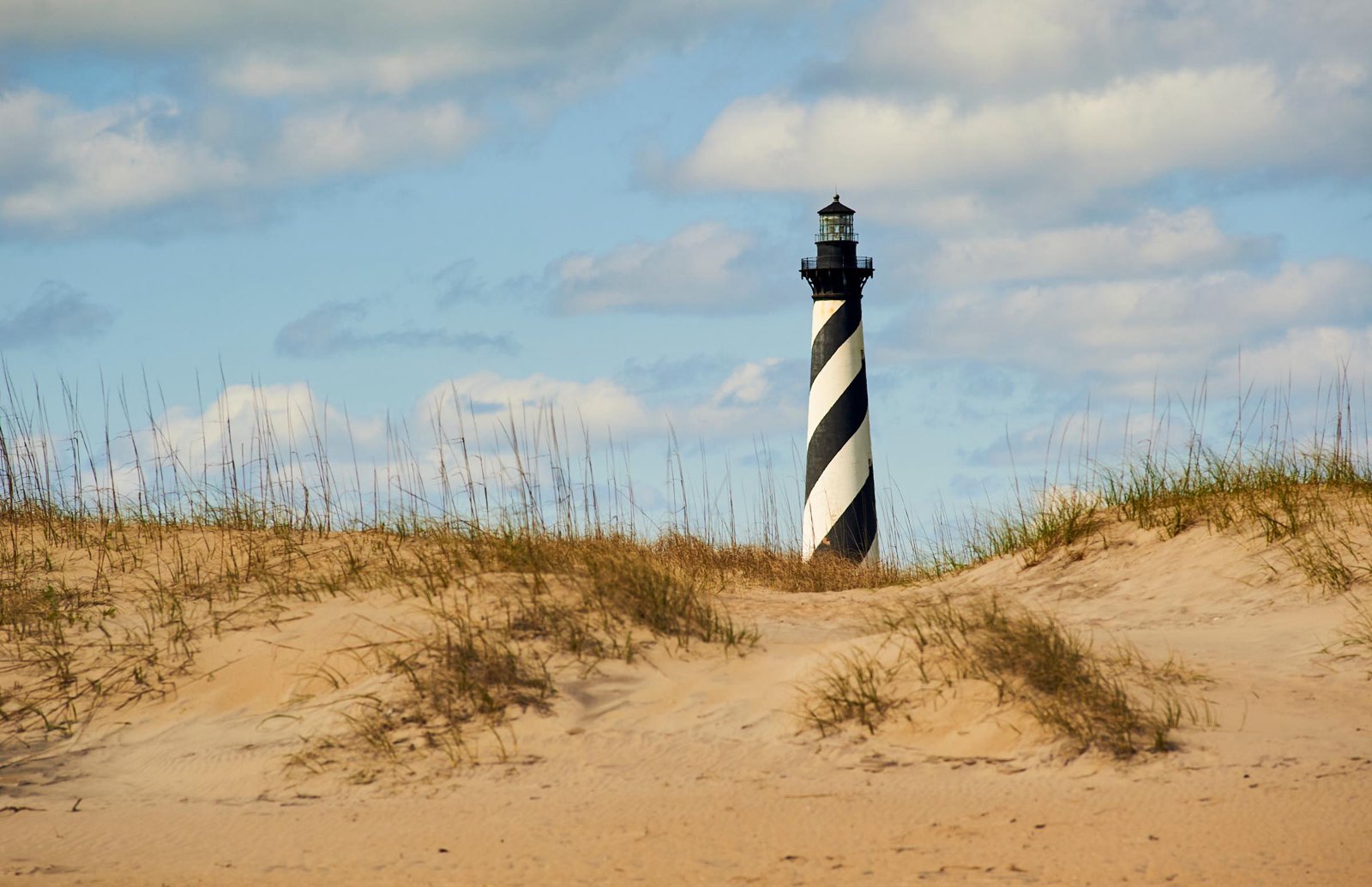
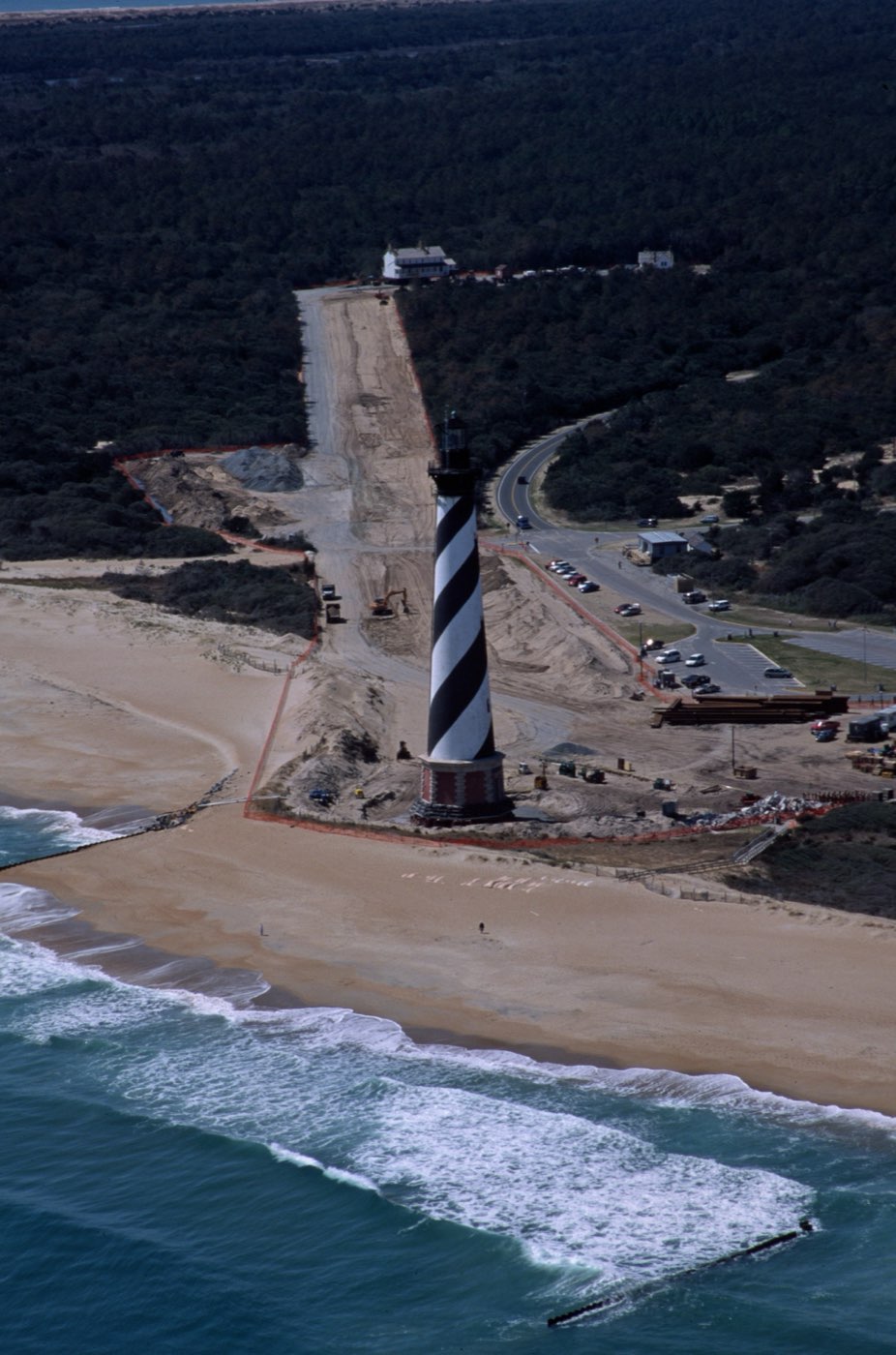
Cape Hatteras National Seashore, established in 1953, was the first national seashore in the United States. Stretching across portions of North Carolina's Outer Banks barrier islands — Bodie Island, Hatteras Island, and Ocracoke Island — the seashore protects over 30,000 acres of dynamic coastline shaped by wind, waves, and storms. The waters off Cape Hatteras, where the cold Labrador Current meets the warm Gulf Stream, have been known as the "Graveyard of the Atlantic" for the more than 1,000 shipwrecks documented in the area. The Cape Hatteras Lighthouse, at 198.5 feet the tallest brick lighthouse in the United States, was famously relocated 2,900 feet inland in 1999 to save it from shoreline erosion.

📚 Learn More at NPSHistory.com →
Flagged Entries (14)
Entry #126 REVISE

Revise: Publications (1 items)

In 1933, Cape Hatteras became a national seashore, the first of its kind in the National Park Service system, protecting the treacherous 'Graveyard of the Atlantic' from development.

Cape Hatteras Light Station, built in 1870, is the tallest brick lighthouse in America at 210 feet. The cape's shifting sandbars and shallow waters earned it the nickname 'Graveyard of the Atlantic' for centuries of shipwrecks. Originally designated as Cape Hatteras National Seashore in 1937; represents the first federal effort to preserve a seashore ecosystem.

Among the content targeted: “where land and sea merge.” — language that the administration has ordered revised under its directive to review historically accurate interpretive materials.

Why this matters: Cape Hatteras protects a unique coastal ecosystem where maritime history, geology, and ecology intersect. Over 2 million people visit this site each year.

Climate & Environment
Exact Text Targeted for Removal
What the Administration Ordered Changed

Park Unigrid: S1 front page- under “where land and sea merge.” 5th paragraph about sea turtles and light pollution. Possibly disparaging against park users. Mentions natural features (turtles), but not in the lens of beauty, grandeur and/or abundance. Side 2 provided for context.

View on map →
Entry #127 REVISE

Revise: Publications (1 items)

In 1933, Cape Hatteras became a national seashore, the first of its kind in the National Park Service system, protecting the treacherous 'Graveyard of the Atlantic' from development.

Cape Hatteras Light Station, built in 1870, is the tallest brick lighthouse in America at 210 feet. The cape's shifting sandbars and shallow waters earned it the nickname 'Graveyard of the Atlantic' for centuries of shipwrecks. Originally designated as Cape Hatteras National Seashore in 1937; represents the first federal effort to preserve a seashore ecosystem.

Why this matters: Cape Hatteras protects a unique coastal ecosystem where maritime history, geology, and ecology intersect. Over 2 million people visit this site each year.

Women's History
Exact Text Targeted for Removal
What the Administration Ordered Changed

CAHA JR Ranger booklet-

Activity 3- natural resource based but does not mention grandeur, beauty or abundance

Activity 14. Please review for appropriateness of women pirates dressing like men.

View on map →
Entry #133 REVISE

Revise: Publications (1 items)

In 1933, Cape Hatteras became a national seashore, the first of its kind in the National Park Service system, protecting the treacherous 'Graveyard of the Atlantic' from development.

Cape Hatteras Light Station, built in 1870, is the tallest brick lighthouse in America at 210 feet. The cape's shifting sandbars and shallow waters earned it the nickname 'Graveyard of the Atlantic' for centuries of shipwrecks. Originally designated as Cape Hatteras National Seashore in 1937; represents the first federal effort to preserve a seashore ecosystem.

The administration has ordered revised content that includes the language: “Ocracoke Inlet:”, “grandeur, beauty and abundance.”, and “Early Solutions: is the language disparaging of Congress when describing the failed lighthouse and lightship? Under”. Officials deemed this language potentially “disparaging to certain visitors.”

Why this matters: Cape Hatteras protects a unique coastal ecosystem where maritime history, geology, and ecology intersect. Over 2 million people visit this site each year.

General Historical Content
Exact Text Targeted for Removal
What the Administration Ordered Changed

Under “Ocracoke Inlet:” please review if the discussion of the changing channel supports “grandeur, beauty and abundance.”

Under “Early Solutions: is the language disparaging of Congress when describing the failed lighthouse and lightship?

Under ”light station today:" is the discussion of Hurricane Dorian and its impacts supporting grandeur beauty and abundance?

View on map →
Entry #144 FLAGGED FOR REVIEW

Flagged for Review: Publications (1 items)

In 1933, Cape Hatteras became a national seashore, the first of its kind in the National Park Service system, protecting the treacherous 'Graveyard of the Atlantic' from development.

Cape Hatteras Light Station, built in 1870, is the tallest brick lighthouse in America at 210 feet. The cape's shifting sandbars and shallow waters earned it the nickname 'Graveyard of the Atlantic' for centuries of shipwrecks. Originally designated as Cape Hatteras National Seashore in 1937; represents the first federal effort to preserve a seashore ecosystem.

Among the content targeted: “showing the world.” — language that the administration has flagged for review under its directive to review historically accurate interpretive materials.

Why this matters: Cape Hatteras protects a unique coastal ecosystem where maritime history, geology, and ecology intersect. Over 2 million people visit this site each year.

General Historical Content
Exact Text Targeted for Removal
What Was Flagged for Review

This is for WRBR- WRBR is not an option on the drop down menu.

Please review pg 1, “showing the world.” The language describing Langley's failures of flight has been flagged as possible disparaging of a prominent American.

View on map →
Entry #146 REVISE

Revise: Publications (1 items)

In 1933, Cape Hatteras became a national seashore, the first of its kind in the National Park Service system, protecting the treacherous 'Graveyard of the Atlantic' from development.

Cape Hatteras Light Station, built in 1870, is the tallest brick lighthouse in America at 210 feet. The cape's shifting sandbars and shallow waters earned it the nickname 'Graveyard of the Atlantic' for centuries of shipwrecks. Originally designated as Cape Hatteras National Seashore in 1937; represents the first federal effort to preserve a seashore ecosystem.

From the internal review records: “Please review FORA JR Ranger book pgs on emancipation, cause of civil war, and freedman's colony pages if langauge is disparaging of Americans.”

Why this matters: Cape Hatteras protects a unique coastal ecosystem where maritime history, geology, and ecology intersect. Over 2 million people visit this site each year.

Civil War Colonization
Exact Text Targeted for Removal
What the Administration Ordered Changed

This is for FORA. FORA is not an option on the drop down menu.

Please review FORA JR Ranger book pgs on emancipation, cause of civil war, and freedman's colony pages if langauge is disparaging of Americans.

View on map →
Entry #147 REVISE

Revise: Publications (1 items)

In 1933, Cape Hatteras became a national seashore, the first of its kind in the National Park Service system, protecting the treacherous 'Graveyard of the Atlantic' from development.

Cape Hatteras Light Station, built in 1870, is the tallest brick lighthouse in America at 210 feet. The cape's shifting sandbars and shallow waters earned it the nickname 'Graveyard of the Atlantic' for centuries of shipwrecks. Originally designated as Cape Hatteras National Seashore in 1937; represents the first federal effort to preserve a seashore ecosystem.

Why this matters: Cape Hatteras protects a unique coastal ecosystem where maritime history, geology, and ecology intersect. Over 2 million people visit this site each year.

Colonization
Exact Text Targeted for Removal
What the Administration Ordered Changed

This is for FORA. FORA is not an option on the drop down menu. Please review legacy of Freedmans' Colony on second page for possibly disparaging language about the fate of the colony.

View on map →
Entry #166 FLAGGED FOR REVIEW

Flagged for Review: Interpretive materials

In 1933, Cape Hatteras became a national seashore, the first of its kind in the National Park Service system, protecting the treacherous 'Graveyard of the Atlantic' from development.

Cape Hatteras Light Station, built in 1870, is the tallest brick lighthouse in America at 210 feet. The cape's shifting sandbars and shallow waters earned it the nickname 'Graveyard of the Atlantic' for centuries of shipwrecks. Originally designated as Cape Hatteras National Seashore in 1937; represents the first federal effort to preserve a seashore ecosystem.

From the internal review records: “This is a temporary sign placed at the Ocracoke light station to give context to the large-scale construction project ongoing to raise the building. Would like the team to review the natural resource message about sea level rise.”

Why this matters: Cape Hatteras protects a unique coastal ecosystem where maritime history, geology, and ecology intersect. Over 2 million people visit this site each year.

Climate & Environment
Exact Text Targeted for Removal
What Was Flagged for Review

This is a temporary sign placed at the Ocracoke light station to give context to the large-scale construction project ongoing to raise the building. Would like the team to review the natural resource message about sea level rise.

View on map →
Entry #167 FLAGGED FOR REVIEW

Flagged for Review: Interpretive materials

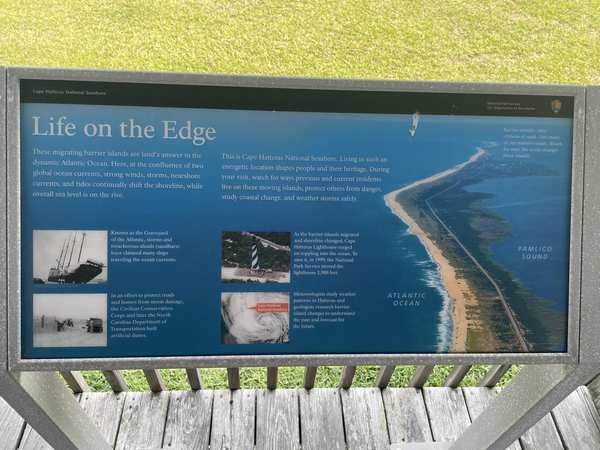
life on the edge
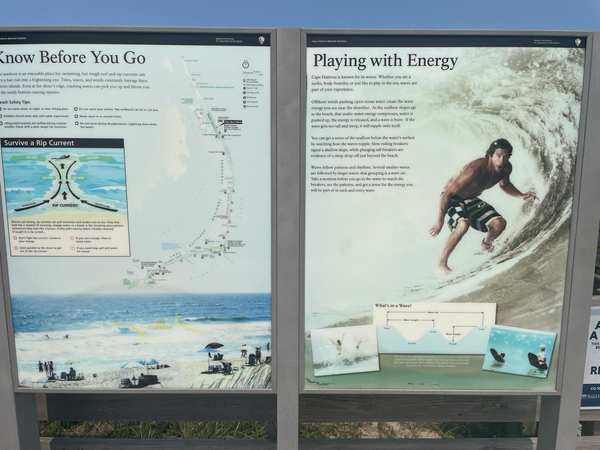
playing with energy
+3 more

In 1933, Cape Hatteras became a national seashore, the first of its kind in the National Park Service system, protecting the treacherous 'Graveyard of the Atlantic' from development.

Cape Hatteras Light Station, built in 1870, is the tallest brick lighthouse in America at 210 feet. The cape's shifting sandbars and shallow waters earned it the nickname 'Graveyard of the Atlantic' for centuries of shipwrecks. Originally designated as Cape Hatteras National Seashore in 1937; represents the first federal effort to preserve a seashore ecosystem.

From the internal review records: “This package is all the waysides for Bodie Island District of CAHA. All need to be reviewed for natural resource language potentially non compliant with SO.”

Why this matters: Cape Hatteras protects a unique coastal ecosystem where maritime history, geology, and ecology intersect. Over 2 million people visit this site each year.

General Historical Content
Exact Text Targeted for Removal
What Was Flagged for Review

This package is all the waysides for Bodie Island District of CAHA. All need to be reviewed for natural resource language potentially non compliant with SO.

On the doule panels, map panels do not need to be reviwed, just the interp panels on the right.

Some I have digital files for, other I do not (do not have digital files for the panels that accompany the maps)

View on map →
Entry #176 FLAGGED FOR REVIEW

Flagged for Review: Interpretive materials

CAHA storm surge

In 1933, Cape Hatteras became a national seashore, the first of its kind in the National Park Service system, protecting the treacherous 'Graveyard of the Atlantic' from development.

Cape Hatteras Light Station, built in 1870, is the tallest brick lighthouse in America at 210 feet. The cape's shifting sandbars and shallow waters earned it the nickname 'Graveyard of the Atlantic' for centuries of shipwrecks. Originally designated as Cape Hatteras National Seashore in 1937; represents the first federal effort to preserve a seashore ecosystem.

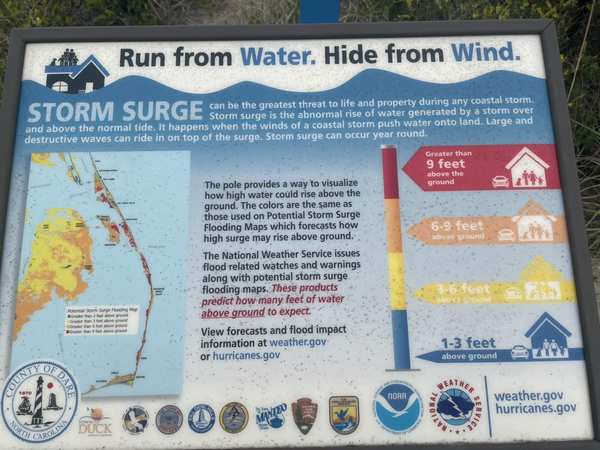
From the internal review records: “There are 8 of these across CAHA within the boundaries of Dare County. These signs were designed, purchased and installed by Dare County under a special use permit with a grant they received. This is a mixture of a warning/regluatory sign with natural resource messaging that might be in conflict with SO.”

Why this matters: Cape Hatteras protects a unique coastal ecosystem where maritime history, geology, and ecology intersect. Over 2 million people visit this site each year.

General Historical Content
Exact Text Targeted for Removal
What Was Flagged for Review

There are 8 of these across CAHA within the boundaries of Dare County. These signs were designed, purchased and installed by Dare County under a special use permit with a grant they received. This is a mixture of a warning/regluatory sign with natural resource messaging that might be in conflict with SO.

These signs are accompanied with a 8ft surge pole, a color coded pole that can be used to measure the height of storm surge.

View on map →
Entry #456 FLAGGED FOR REVIEW

Flagged for Review: Interpretive materials

Photo+1 (3)
Photo+1 (2)
+9 more

In 1933, Cape Hatteras became a national seashore, the first of its kind in the National Park Service system, protecting the treacherous 'Graveyard of the Atlantic' from development.

Cape Hatteras Light Station, built in 1870, is the tallest brick lighthouse in America at 210 feet. The cape's shifting sandbars and shallow waters earned it the nickname 'Graveyard of the Atlantic' for centuries of shipwrecks. Originally designated as Cape Hatteras National Seashore in 1937; represents the first federal effort to preserve a seashore ecosystem.

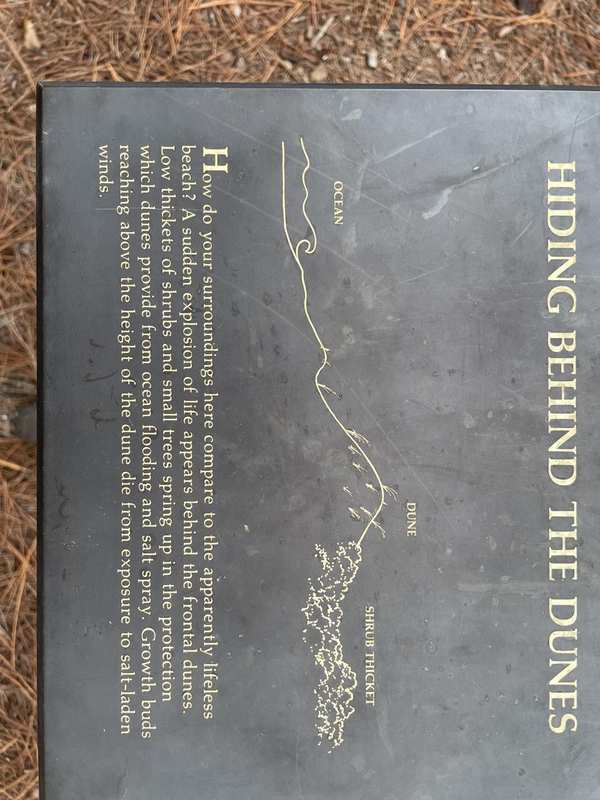
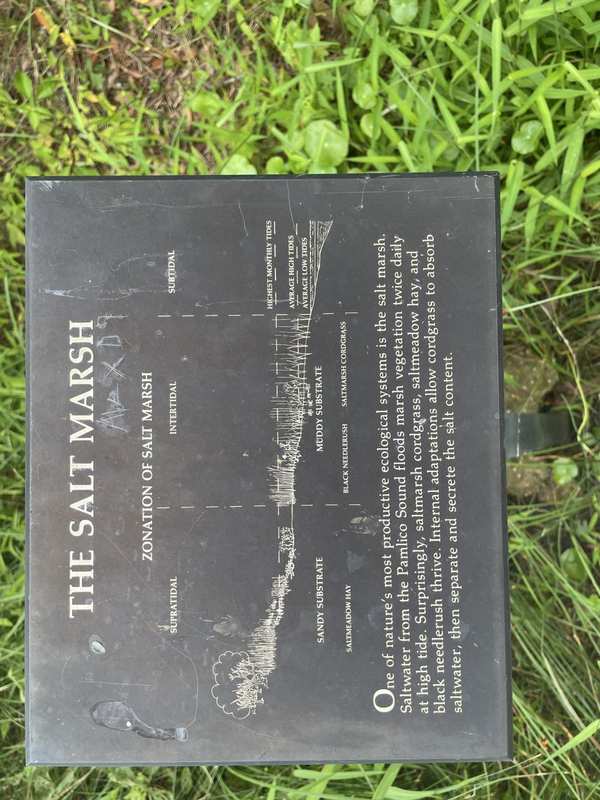
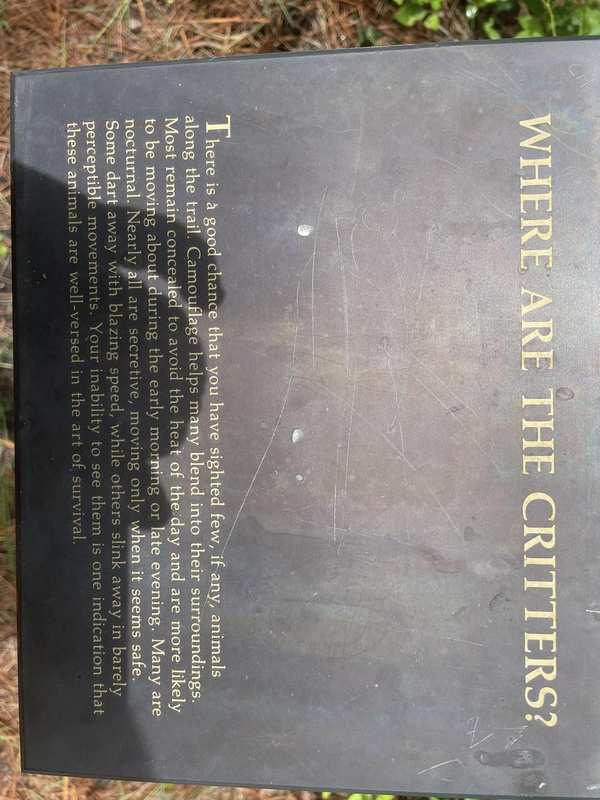
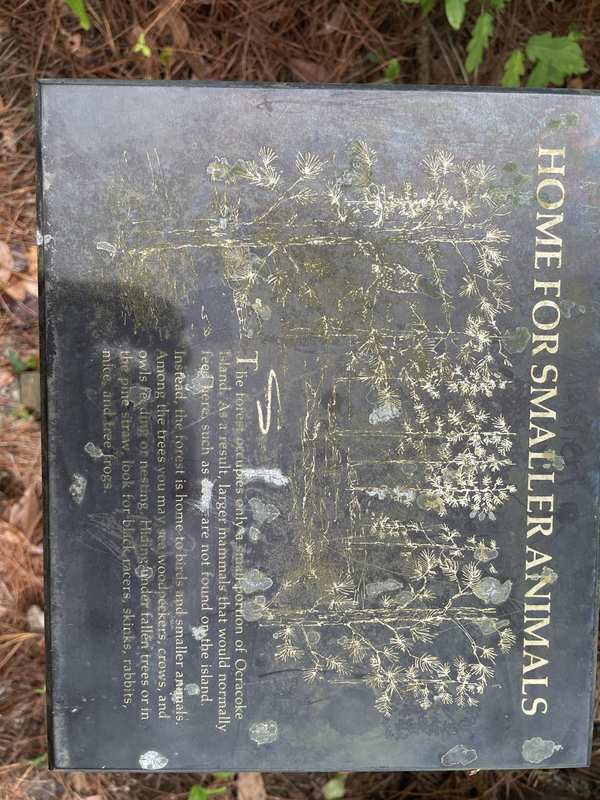
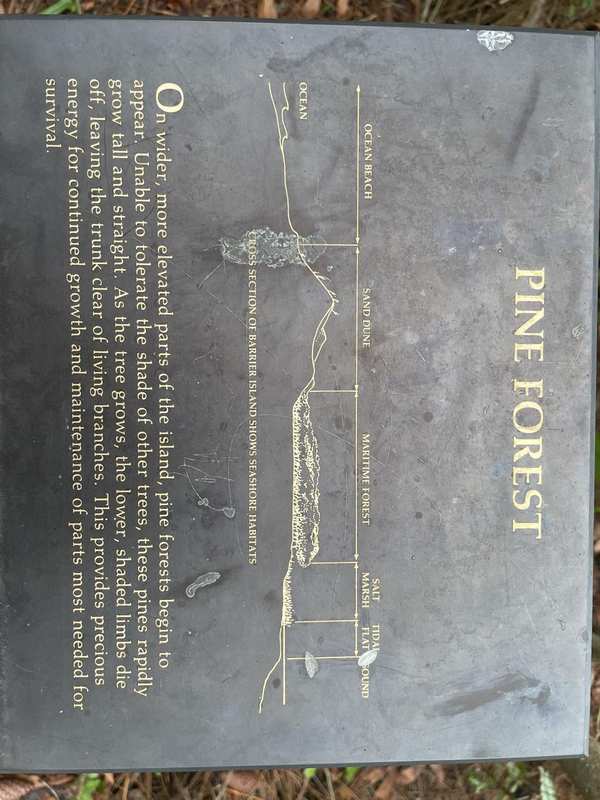
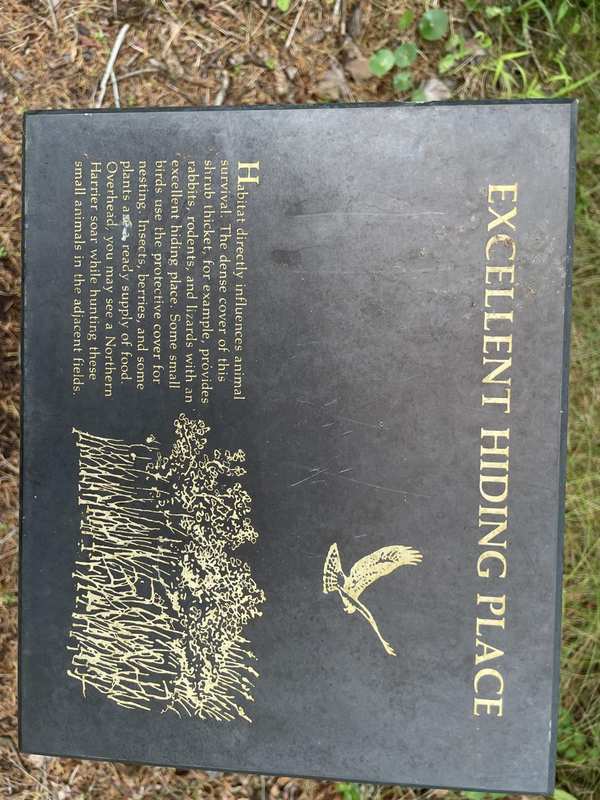
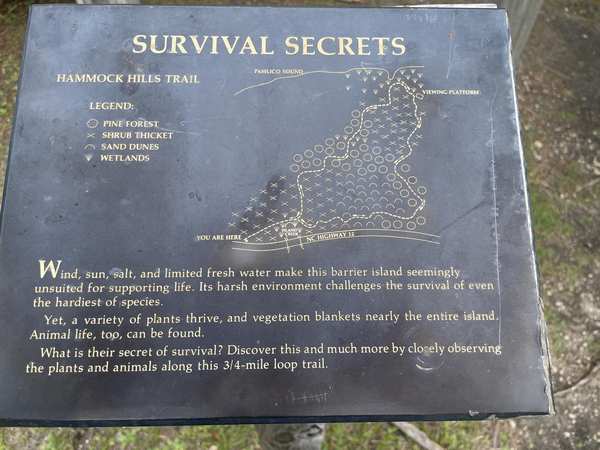
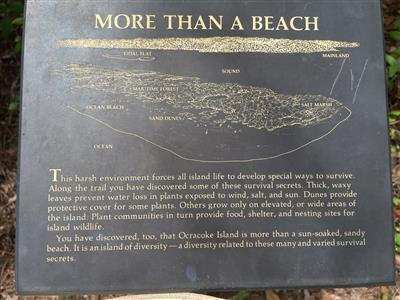
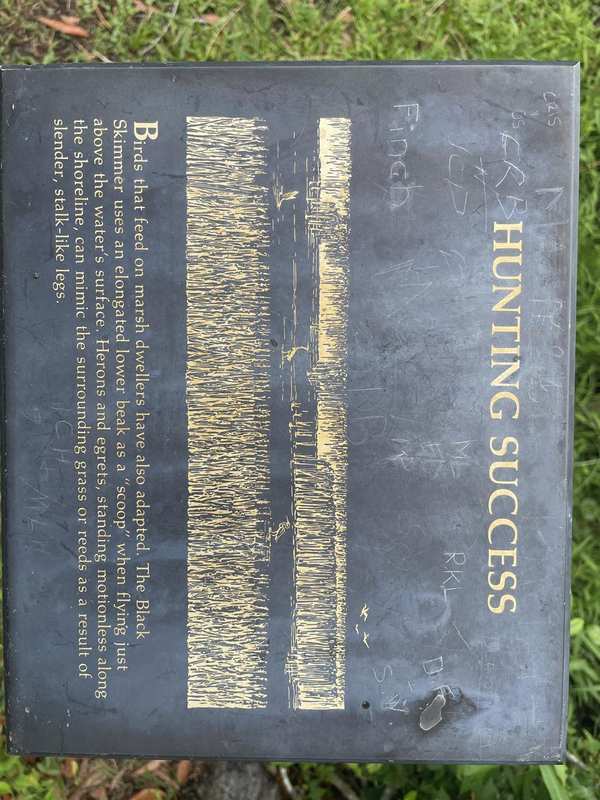
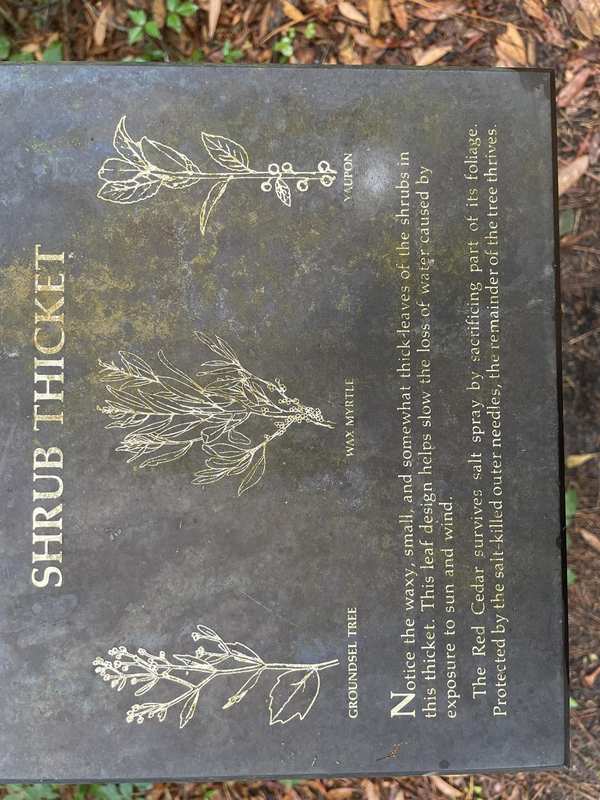
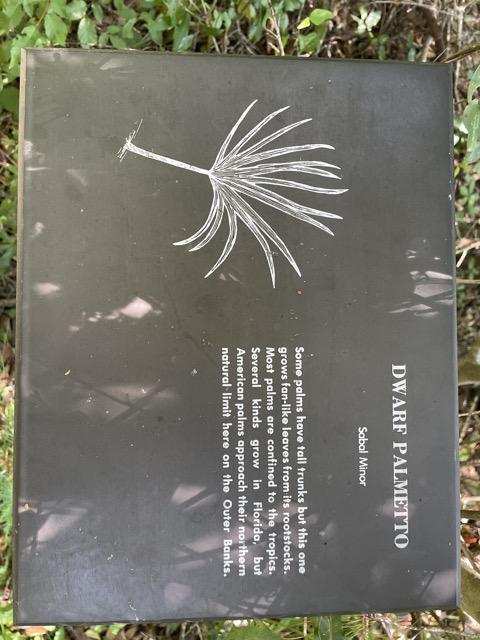
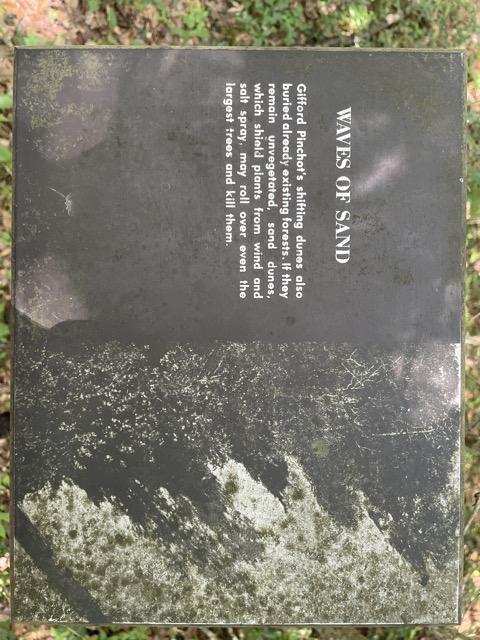
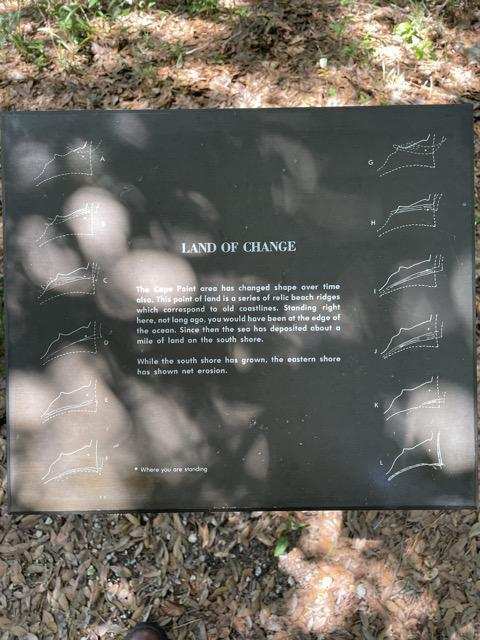
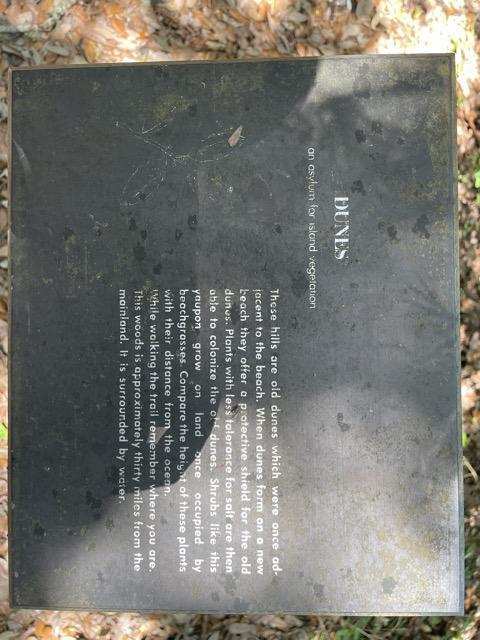
From the internal review records: “These are an older set of information signs along the Hammock Hills Trail on Ocracoke Island. While we believe the language is in compliance with the SO, we plan to remove these as soon as we are allowed due to their deteriorated condition prior to designing new wayside in the future. Timeline for new waysides TBD.”

Why this matters: Cape Hatteras protects a unique coastal ecosystem where maritime history, geology, and ecology intersect. Over 2 million people visit this site each year.

General Historical Content
Exact Text Targeted for Removal
What Was Flagged for Review

These are an older set of information signs along the Hammock Hills Trail on Ocracoke Island. While we believe the language is in compliance with the SO, we plan to remove these as soon as we are allowed due to their deteriorated condition prior to designing new wayside in the future. Timeline for new waysides TBD.

View on map →
Entry #458 FLAGGED FOR REVIEW

Flagged for Review: Interpretive materials

Photo+1 (19)
Photo+1 (15)
+18 more

In 1933, Cape Hatteras became a national seashore, the first of its kind in the National Park Service system, protecting the treacherous 'Graveyard of the Atlantic' from development.

Cape Hatteras Light Station, built in 1870, is the tallest brick lighthouse in America at 210 feet. The cape's shifting sandbars and shallow waters earned it the nickname 'Graveyard of the Atlantic' for centuries of shipwrecks. Originally designated as Cape Hatteras National Seashore in 1937; represents the first federal effort to preserve a seashore ecosystem.

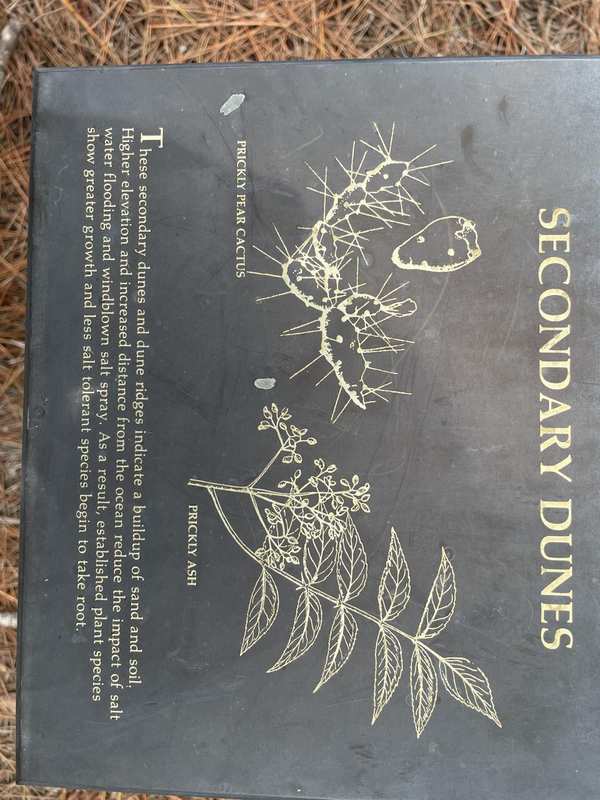
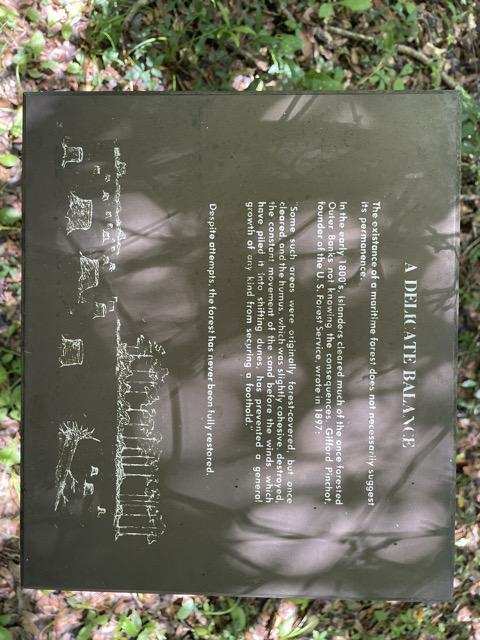
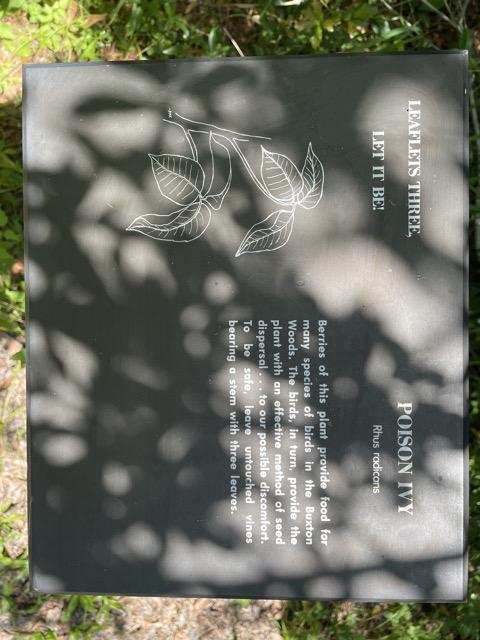
From the internal review records: “Series of old metal informational signs along the Buxton Woods Trail on Hatteras Island. We do not feel there is anything in violation of the SO, but plan on removing these due to their age and condition when we are allowed to do so. Will replace with a new wayside project once funding is available and project is prioritized. Timeline TBD.”

Why this matters: Cape Hatteras protects a unique coastal ecosystem where maritime history, geology, and ecology intersect. Over 2 million people visit this site each year.

General Historical Content
Exact Text Targeted for Removal
What Was Flagged for Review

Series of old metal informational signs along the Buxton Woods Trail on Hatteras Island. We do not feel there is anything in violation of the SO, but plan on removing these due to their age and condition when we are allowed to do so. Will replace with a new wayside project once funding is available and project is prioritized. Timeline TBD.

View on map →
Entry #460 FLAGGED FOR REVIEW

Flagged for Review: Interpretive materials

engage your senses
ponies
+3 more

In 1933, Cape Hatteras became a national seashore, the first of its kind in the National Park Service system, protecting the treacherous 'Graveyard of the Atlantic' from development.

Cape Hatteras Light Station, built in 1870, is the tallest brick lighthouse in America at 210 feet. The cape's shifting sandbars and shallow waters earned it the nickname 'Graveyard of the Atlantic' for centuries of shipwrecks. Originally designated as Cape Hatteras National Seashore in 1937; represents the first federal effort to preserve a seashore ecosystem.

From the internal review records: “Shifting Shoreline: We do not believe to be in violation, but the mention of the local controversy of the decision of the move might be seen by some who lived this as disparaging, but it is an important part of the story.”

Why this matters: Cape Hatteras protects a unique coastal ecosystem where maritime history, geology, and ecology intersect. Over 2 million people visit this site each year.

Climate & Environment
Exact Text Targeted for Removal
What Was Flagged for Review

Signs for Hatteras and Ocracoke Island:

Ocracoke Ponies: we do not believe it to be in violation, but would like someone to review if messaging of climate change and sea level rise reduces the focus on the grandeur, beauty and abundance.

Finding a Balance: we do not believe it to be in violation, but would like someone to review if messaging of dual use reduces the focus on the grandeur, beauty and abundance.

Inching Inland: Panel discusses natural processes of shoreline erosion and barrier island dynamics, but might not focus on the grandeur, beauty and abundance

Shifting Shoreline: We do not believe to be in violation, but the mention of the local controversy of the decision of the move might be seen by some who lived this as disparaging, but it is an important part of the story.

Engage Your Senses: section on light pollution might not be focusing on the grandeur, beauty and abundance.

View on map →
Entry #461 REVISE

Revise: Exhibit panels

CAHA.Discovery Center.main room.Slivers of Sand
CAHA.Discovery Center.main room.We Rise to the Occasion
+13 more

In 1933, Cape Hatteras became a national seashore, the first of its kind in the National Park Service system, protecting the treacherous 'Graveyard of the Atlantic' from development.

Cape Hatteras Light Station, built in 1870, is the tallest brick lighthouse in America at 210 feet. The cape's shifting sandbars and shallow waters earned it the nickname 'Graveyard of the Atlantic' for centuries of shipwrecks. Originally designated as Cape Hatteras National Seashore in 1937; represents the first federal effort to preserve a seashore ecosystem.

From the internal review records: “Exhibits in the Ocracoke Discovery Center were installed in 2024 and heavily highlight the natural resources of the islands. We feel that overall, the exhibits do a good job highlighting the grandeur, beauty and abundance of the park stories, however there are some mentions of climate change, sea level rise, and night sky pollution that might be working against the messaging of grandeur beauty and...”

Why this matters: Cape Hatteras protects a unique coastal ecosystem where maritime history, geology, and ecology intersect. Over 2 million people visit this site each year.

Climate & Environment
Exact Text Targeted for Removal
What the Administration Ordered Changed

Exhibits in the Ocracoke Discovery Center were installed in 2024 and heavily highlight the natural resources of the islands. We feel that overall, the exhibits do a good job highlighting the grandeur, beauty and abundance of the park stories, however there are some mentions of climate change, sea level rise, and night sky pollution that might be working against the messaging of grandeur beauty and abundance.

View on map →
Entry #515 REVISE

Revise: Exhibit panels (3 items)

CAHA.MuseumSea.2floor.war room.At War 1
CAHA.MuseumSea.2floor.war room.At War 3
+2 more

In 1933, Cape Hatteras became a national seashore, the first of its kind in the National Park Service system, protecting the treacherous 'Graveyard of the Atlantic' from development.

Cape Hatteras Light Station, built in 1870, is the tallest brick lighthouse in America at 210 feet. The cape's shifting sandbars and shallow waters earned it the nickname 'Graveyard of the Atlantic' for centuries of shipwrecks. Originally designated as Cape Hatteras National Seashore in 1937; represents the first federal effort to preserve a seashore ecosystem.

From the internal review records: “Please review Civil War section of the Graveyard of Atlantic Museum. These exhibits are 40 years old, and slated for replacement when funding allows. We do not think this is disparaging, but it does use older terms such as "rebel."”

Why this matters: Cape Hatteras protects a unique coastal ecosystem where maritime history, geology, and ecology intersect. Over 2 million people visit this site each year.

Civil War
Exact Text Targeted for Removal
What the Administration Ordered Changed

Please review Civil War section of the Graveyard of Atlantic Museum. These exhibits are 40 years old, and slated for replacement when funding allows. We do not think this is disparaging, but it does use older terms such as “rebel.”

View on map →

Share this page

Explore the Full Map

See all 874+ entries across every national park and wildlife refuge.

Open Interactive Map →