Castillo de San Marcos National Monument
Park History
Sourced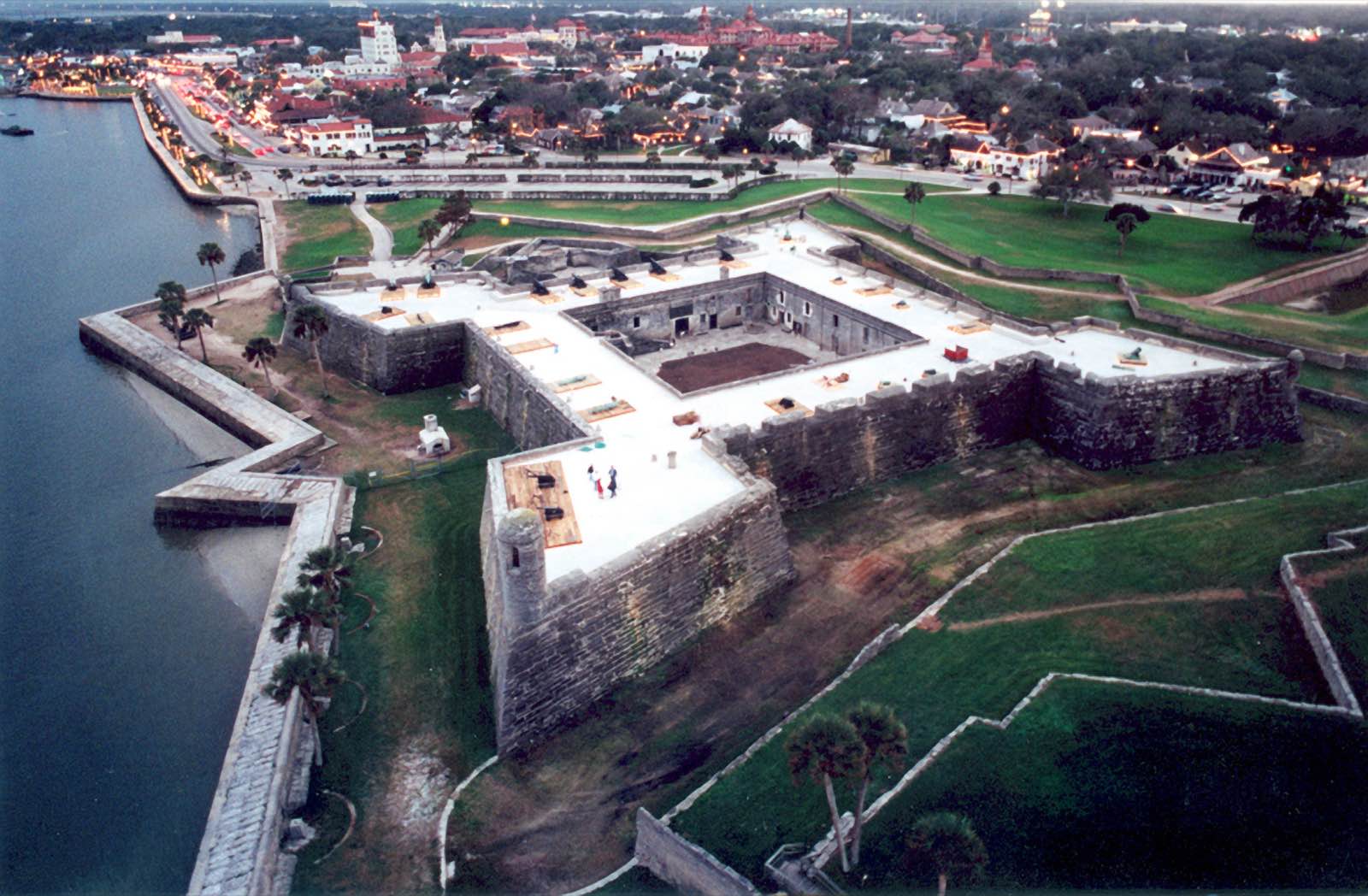
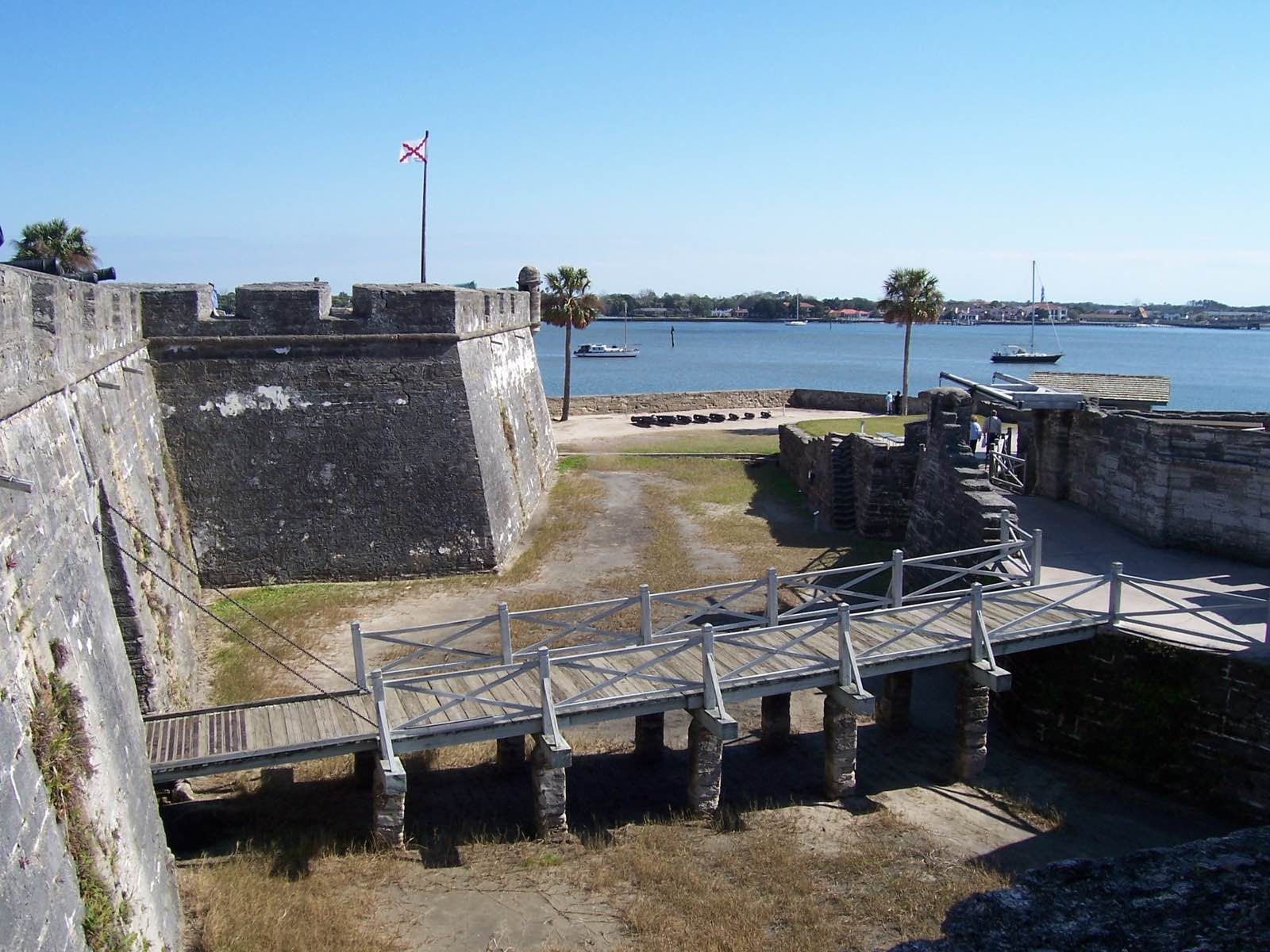
On the west bank of Matanzas Bay at St. Augustine stands the oldest masonry fort in the continental United States: a hollow square of locally quarried coquina stone, with a diamond-shaped bastion at each corner and only one way in. Spain broke ground on October 2, 1672, and finished it in 1695, replacing nine successive wooden forts that had guarded the town since its founding in 1565. For many years it was the northernmost outpost of Spain’s empire in the Americas, built to protect the town and the Gulf Stream route of the treasure fleets. [1] [2]
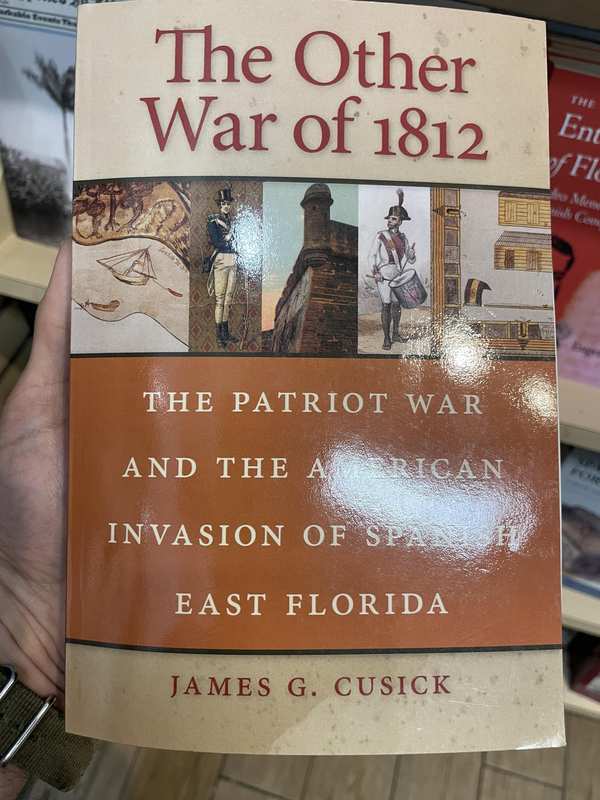
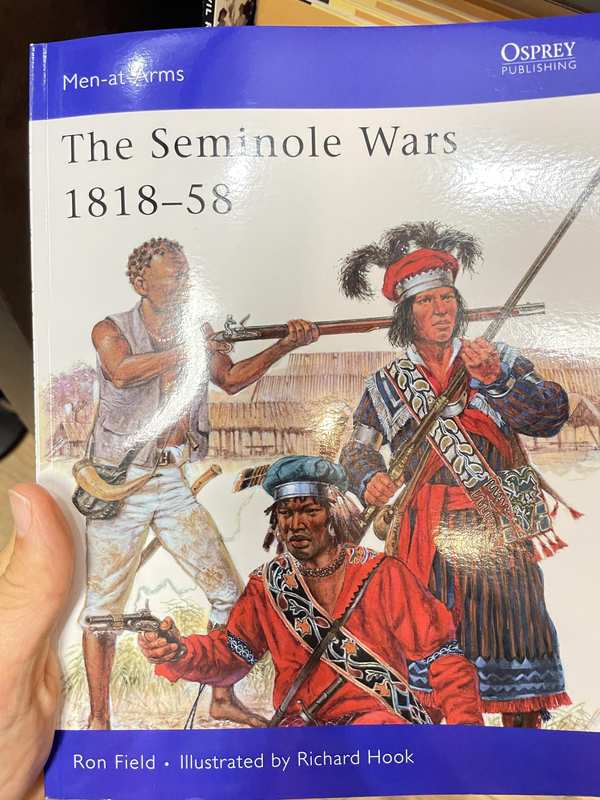
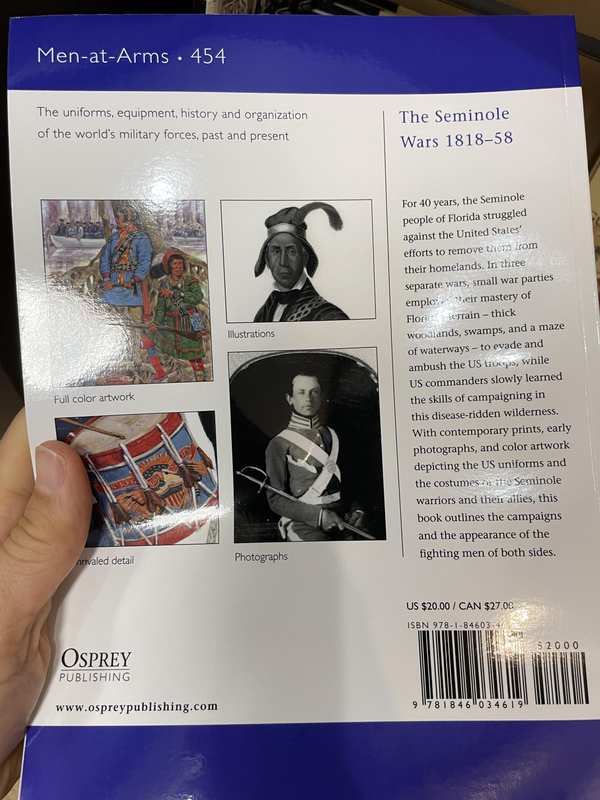
It held. English forces besieged it for 50 days in 1702, and British troops bombarded it for 27 days in 1740; the Park Service notes that the Castillo changed hands only by treaty, never in battle — to Britain in 1763, back to Spain in 1783, to the United States in 1821. The Americans renamed it Fort Marion and made it a prison for Native people: Seminoles in 1837, Plains Indians from 1875 to 1878, Apaches in 1886–1887. Proclaimed a national monument in 1924 and transferred to the Park Service in 1933, it had its Spanish name restored by Congress in 1942. [1] [2]
The Park Service defines the monument’s purpose as preserving the fort and interpreting more than 450 years of cultural intersections. Its seawall is now the lowest point in St. Augustine’s seawall network, which makes the fort the first place in the city to flood in a storm. [2] [3]
Indigenous peoples
The fort was built with Native labor. Jason Palmer’s 2002 study documents Apalachee, Timucua and Guale men drafted under Spain’s labor system to quarry coquina on Anastasia Island and burn oyster shell for lime; the Apalachee quota rose from 100 to 300 men a year, and disease, hunger and exhaustion killed many. The walls, Palmer concludes, could not protect the people who built them. [4]
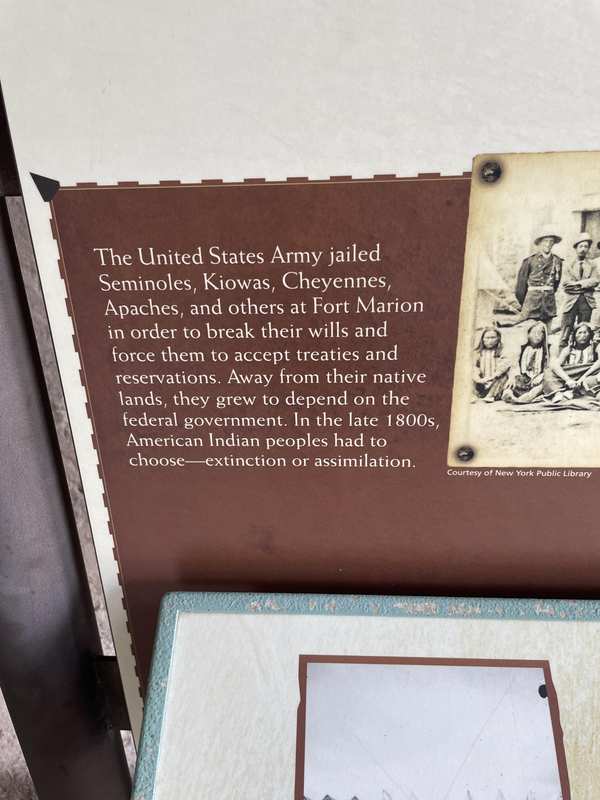
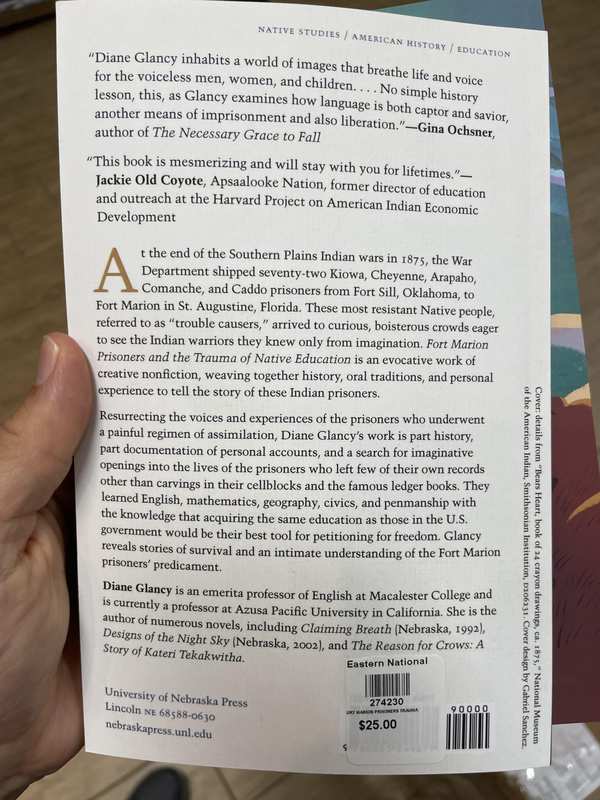
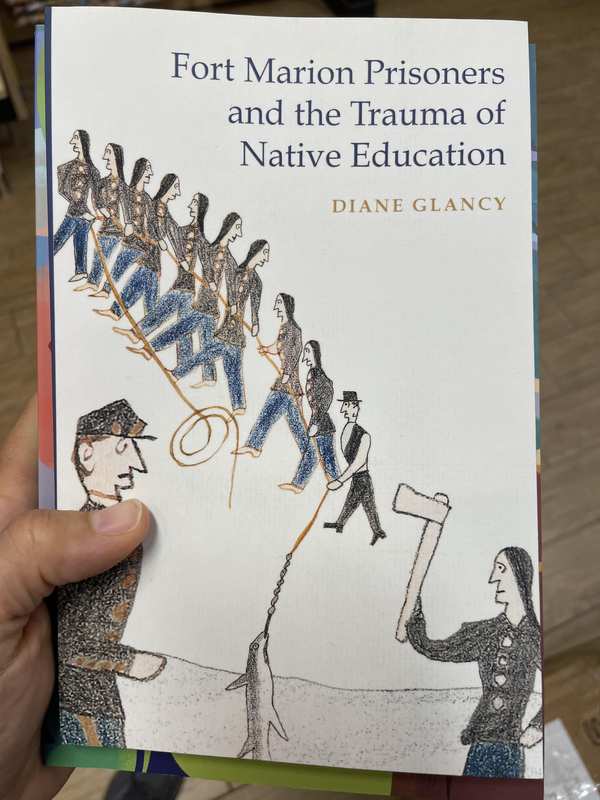
As Fort Marion it became an Army prison. In 1875, 74 prisoners chosen at Fort Sill — Cheyenne, Kiowa, Comanche, Arapaho and Caddo, many survivors of the 1864 Sand Creek Massacre — were brought here (the same Park Service page later gives the number as seventy-two). They were first kept in chains and shackles, which were removed after their jailer, Lt. Richard Henry Pratt, took charge; they were released in 1878. Their ledger drawings survive in the park collection. In 1886 came Chiricahua and Warm Springs Apaches, many of them women and children — more than 500 people, by Omega East and Albert Manucy’s 1952 account — crowded into some 130 tents atop the fort. The park now holds gatherings with the Cheyenne and Arapaho Tribes to honor those imprisoned here. [5] [2] [6]
Black history
Africans were here from the start: Menéndez arrived in 1565 with about 50 Africans, free and enslaved, among his 800 colonists. When disease cut down the Native workforce building the Castillo, Governor Manuel de Cendoya asked Cuba for thirty enslaved Africans. In 1687 eleven people escaped slavery in Carolina by boat and reached St. Augustine; the governor refused to return them, and six of the men were paid to work on the Castillo. A 1693 royal decree offered freedom to those who fled British colonies and converted, and in 1738 Governor Manuel de Montiano granted the freedom seekers land two miles north of town. Gracia Real de Santa Teresa de Mose — Fort Mose — was, the Park Service says, the first legally established free African settlement in North America, about a hundred people led by militia captain Francisco Menéndez. When Spain ceded Florida in 1763, its people left for Cuba. [7] [4]
Climate & environment
The 2025 environmental assessment for the seawall that fronts the fort is blunt. The wall is aging, eroding and storm-damaged, its low elevation worsened by subsidence, and coquina is porous: running water wears it, and acidic rain and seawater can dissolve the shell in the stone. Under the intermediate sea-level scenario the designers chose — about one meter of global rise by 2100 — the North and South Wall segments would be overtopped by Matanzas Bay even without a storm, with the potential to flood historic St. Augustine. Both of the Park Service’s action alternatives would raise the North and South wall segments to an elevation of +10.5 feet. [3]
The 2016 foundation document had already listed rising seas, rising groundwater, possible saltwater intrusion and more intense storms among the threats to the Castillo itself. [2]
Latino & Hispanic heritage
St. Augustine, founded by Pedro Menéndez de Avilés in 1565, is the oldest permanent European settlement in the continental United States, and for 235 years it was the political, military and religious capital of Spanish Florida. Its grid of narrow streets, plaza and patios may be the earliest example of community planning in the continental United States, and the brochure says the city’s character still reflects its Spanish heritage. The Castillo was laid out by the Spanish engineer Ignacio Daza; it was a presidio, and no one lived inside — soldiers lived in town with their families and came to the fort for 24-hour guard shifts. Spain’s Florida missions predate those of the American West by more than a century. [1]
The Park Service calls the fort a symbol of America’s first great melting pot, where Native people, European soldiers and settlers, and enslaved and free Africans met and clashed. [2]
Sources
- NPSHistory.com: Castillo de San Marcos National Monument archive page — overview (from the 2017 NPS brochure), timeline and establishment block
- Foundation Document, Castillo de San Marcos National Monument, Florida (NPS, 2016)
- Raise and Rehabilitate the Seawall Environmental Assessment, Castillo de San Marcos National Monument (NPS, June 2025)
- Palmer, Forgotten Sacrifice: Native American Involvement in the Construction of the Castillo de San Marcos, Florida Historical Quarterly 80(4), Spring 2002, pp. 437–454
- NPS, Castillo de San Marcos: Plains Incarceration (nps.gov)
- East & Manucy, Arizona Apaches as “Guests” in Florida, Florida Historical Quarterly 30(3), 1952
- NPS, Castillo de San Marcos: African Americans in St. Augustine 1565–1821 (nps.gov)
Removed Per Nps Court Filing: Publications (1 items)
Long before Castillo de San Marcos National Monument became a national park, this land was home to Indigenous peoples whose connection to it spans thousands of years. The interpretive materials now being reviewed tell their story — often developed through years of formal tribal consultation, as required by federal law.
From the internal review records: “The attached brochure was developed through a partnership with the Cheyenne and Arapaho Tribes. The park has worked through consultations with this federally-recognized tribe about how to tell a complete history, including tribal perspectives, on the 1875-1878 imprisonment of Plains Tribes warriors and leaders. Note that the text of this brochure was written by our tribal partners to share that p...”
Why this matters: The Indigenous history presented at Castillo de San Marcos National Monument was developed through formal tribal consultation — a legal requirement under federal law. The language being reviewed was often specifically requested by tribal nations whose ancestors lived on this land for thousands of years. Revising it without renewed consultation would violate both the spirit and the letter of that process.
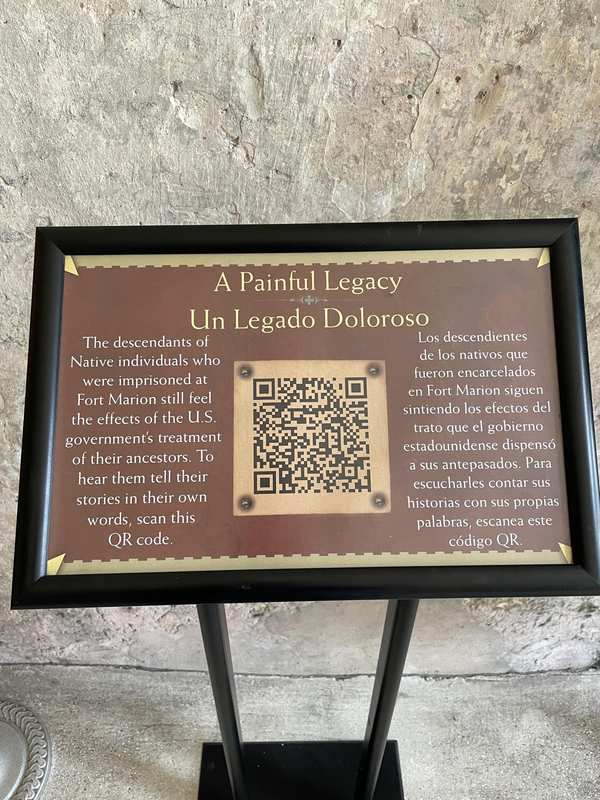
- “Exhibit panels (2 signs)” — removed per NPS court filing
- Exhibit panels (×2); reason: Disparages Americans past or living; now: At the park
The attached brochure was developed through a partnership with the Cheyenne and Arapaho Tribes. The park has worked through consultations with this federally-recognized tribe about how to tell a complete history, including tribal perspectives, on the 1875-1878 imprisonment of Plains Tribes warriors and leaders. Note that the text of this brochure was written by our tribal partners to share that perspective of Fort Marion (Castillo de San Marcos) history.
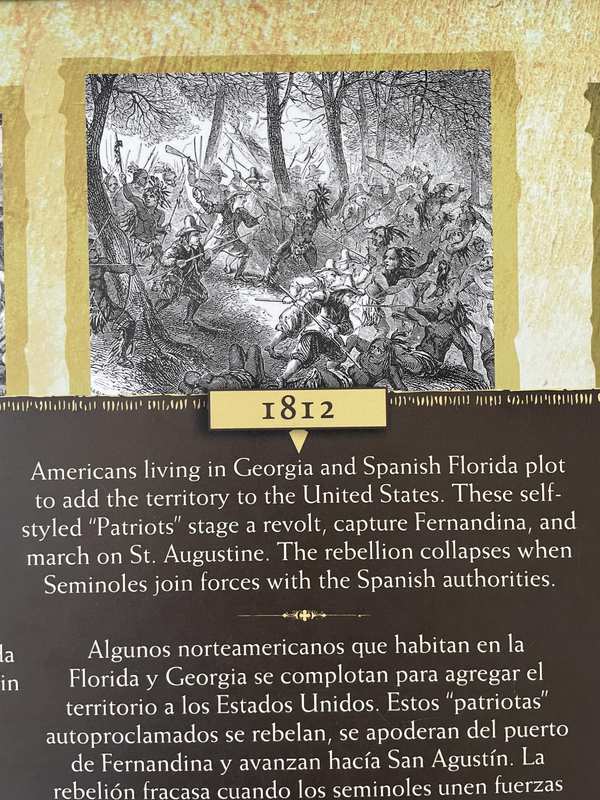
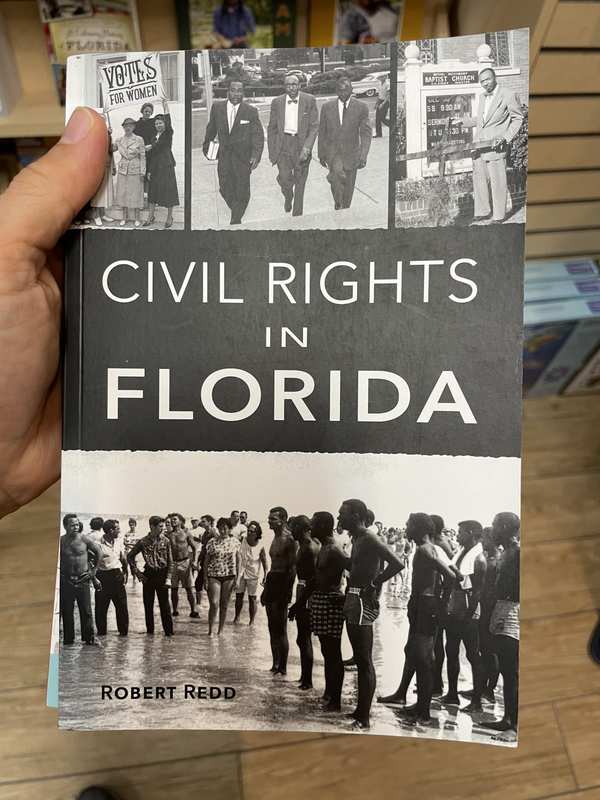
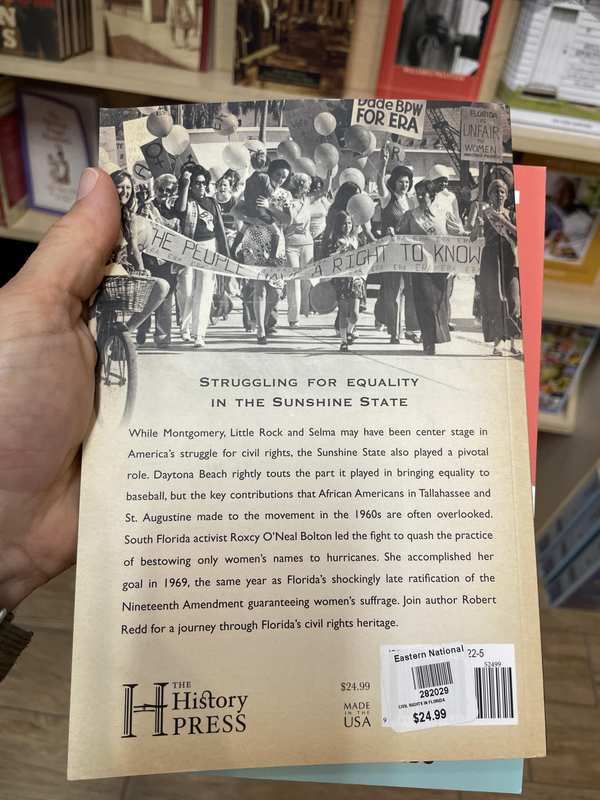
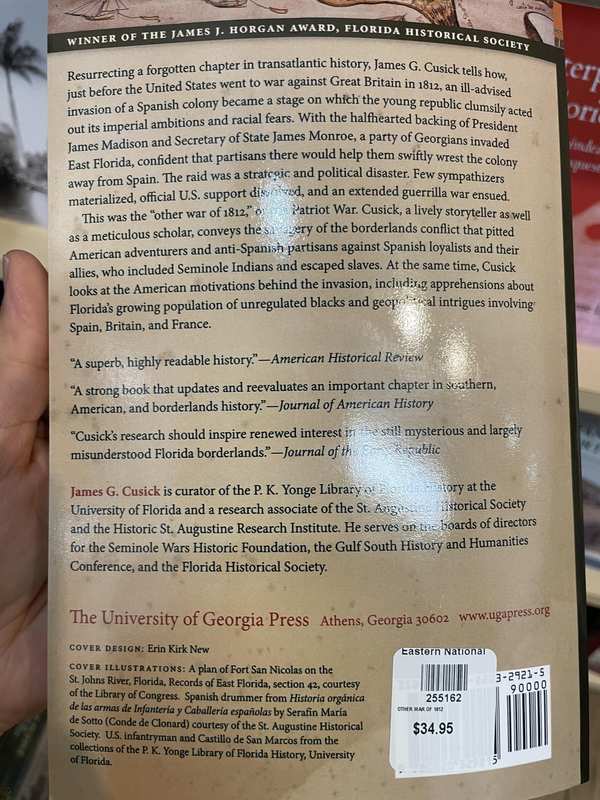
Photographs attached to this park's records in the leaked NPS review database.
Explore the Full Map
See all 446 entries across every national park and wildlife refuge.
Open Interactive Map →