Christiansted National Historic Site

CHRI · VI
FLAGGED FOR REVIEW
13 entries
7 photos
4 topics
Colonization General Historical Content Indigenous & Native History Slavery & Enslaved People

NPS History

NPSHistory.com

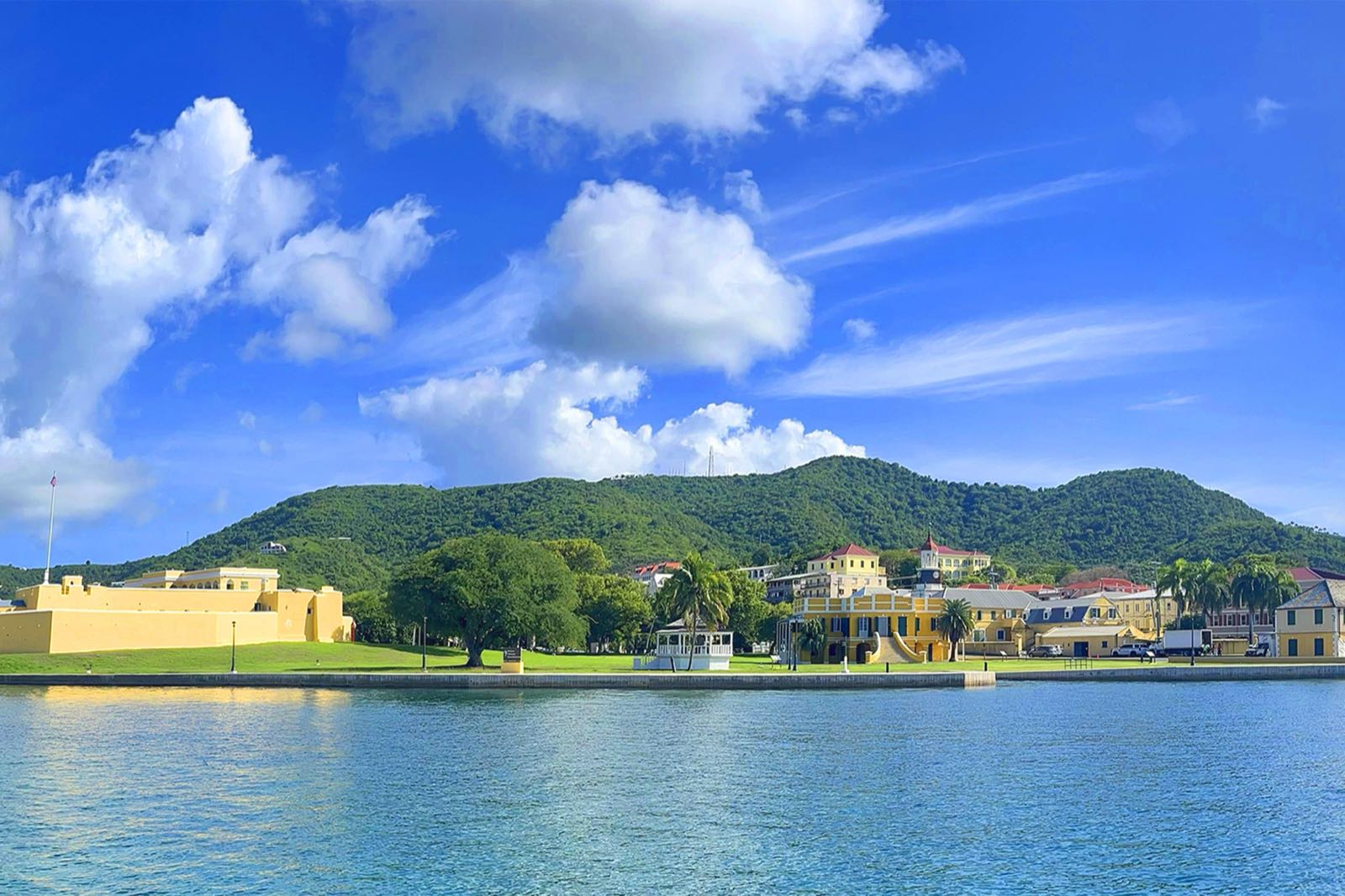
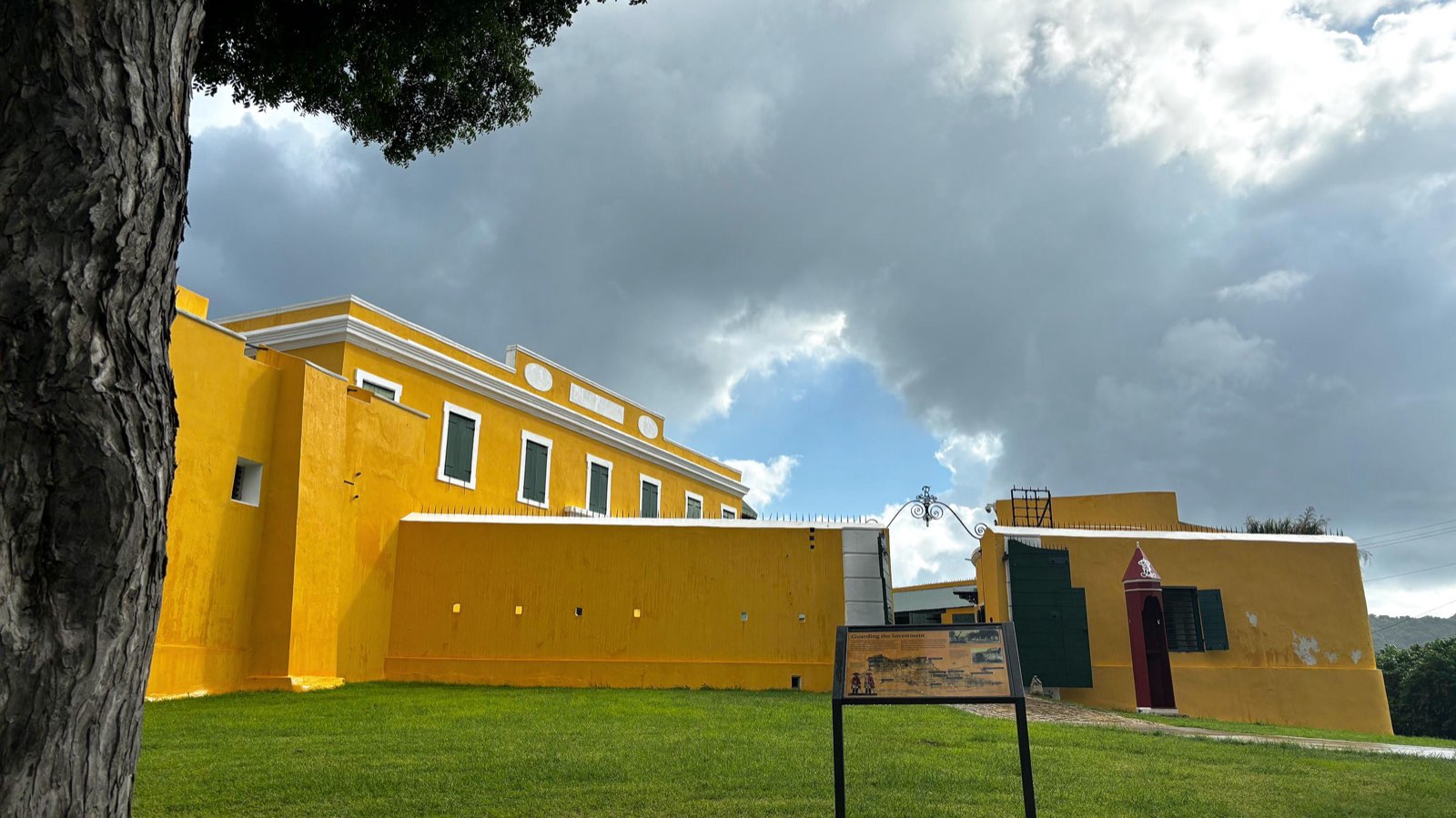
Christiansted National Historic Site on the island of St. Croix in the U.S. Virgin Islands preserves several colonial-era structures in the historic waterfront town of Christiansted, the former capital of the Danish West Indies. The site includes Fort Christiansvaern (built 1738–1749), the Danish West India and Guinea Company Warehouse, the Steeple Building, and the Scale House — all built during Denmark's colonial rule of the island from 1733 to 1917. The economy of Danish St. Croix was driven by sugar plantation agriculture dependent on the labor of enslaved Africans, who constituted the vast majority of the island's population. The site was designated in 1952 to preserve this colonial history and was one of the first NPS units in the Virgin Islands.

📚 Learn More at NPSHistory.com →
Flagged Entries (13)
Entry #181 FLAGGED FOR REVIEW

FLAGGED FOR REVIEW: Film/video

The story of Christiansted National Historic Site is inseparable from the lives of the people who were enslaved here — including National Geographic, African American, Buck Island. For generations, their stories went untold. The interpretive materials now targeted for review were created to ensure these voices would finally be heard.

From the internal review records: “The film is made by National Geographic in conjunction with the Smithsonian Museum of African American History and Culture. The museum is in the process of creating an exhibit to be displayed at Ft. Christiansvaern. The video is playing as part of a place holder until the exhibit is installed. The Slave Wrecks Project conducted an underwater shipwreck within the boundaries of Buck Island Reef N...”

Why this matters: The history of slavery at Christiansted National Historic Site was suppressed for generations. The materials now being targeted represent decades of work by historians, descendants of enslaved people, and community advocates to ensure these stories are finally told. Removing them would re-erase history that has only recently been acknowledged.

Slavery & Enslaved People
Exact Text Targeted for Removal
What Was Flagged for Review

The film is made by National Geographic in conjunction with the Smithsonian Museum of African American History and Culture. The museum is in the process of creating an exhibit to be displayed at Ft. Christiansvaern. The video is playing as part of a place holder until the exhibit is installed. The Slave Wrecks Project conducted an underwater shipwreck within the boundaries of Buck Island Reef National Monument. Christiansted NHS serves as the headquarters and main visitor center for all three parks on the island of St. Croix.

The video can be found at this link, and it could be considered by some to be disparaging or inappropriate to some or emphasizes matters unrelated to the beauty, abundance, or grandeur of said natural feature.

https://youtu.be/u2l_EugvRw8?si=Q4wAw2RJ_jLuEfBQ

View on map →
Entry #182 FLAGGED FOR REVIEW

FLAGGED FOR REVIEW: Film/video

Christiansted National Historic Site in VI preserves a piece of American history that the public has trusted the National Park Service to protect and interpret. The park films at this site have been developed over years by historians, subject-matter experts, and park staff — and are now being reviewed under Secretary's Order 3431.

From the internal review records: “The park film, Caribbean Gem: Buck Island Reef has portions that could be considered by some to be disparaging or inappropriate to some or emphasizes matters unrelated to the beauty, abundance, or grandeur of said natural feature.”

Why this matters: Christiansted National Historic Site is part of a network of over 400 national parks that serve as America's classrooms. The interpretive materials here were developed by subject-matter experts to help visitors understand the full story of this place. When historically accurate content is removed, the public loses access to its own history.

General Historical Content
Exact Text Targeted for Removal
What Was Flagged for Review

The park film, Caribbean Gem: Buck Island Reef has portions that could be considered by some to be disparaging or inappropriate to some or emphasizes matters unrelated to the beauty, abundance, or grandeur of said natural feature.

https://www.youtube.com/watch?v=HhxoGVx6wGI

View on map →
Entry #183 FLAGGED FOR REVIEW

FLAGGED FOR REVIEW: Interpretive materials

At Christiansted National Historic Site, the National Park Service has worked for years to document and interpret the history of slavery at this site — a history that was ignored for much of the park's existence. The exhibits, waysides, and publications now under review represent a hard-won commitment to telling the complete American story.

Why this matters: The history of slavery at Christiansted National Historic Site was suppressed for generations. The materials now being targeted represent decades of work by historians, descendants of enslaved people, and community advocates to ensure these stories are finally told. Removing them would re-erase history that has only recently been acknowledged.

Slavery & Enslaved People
Exact Text Targeted for Removal
What Was Flagged for Review

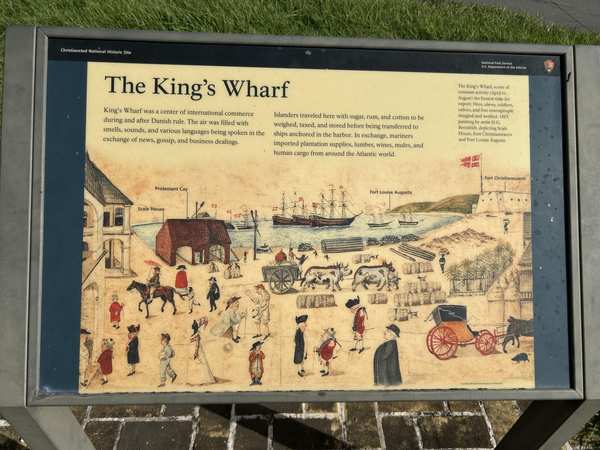
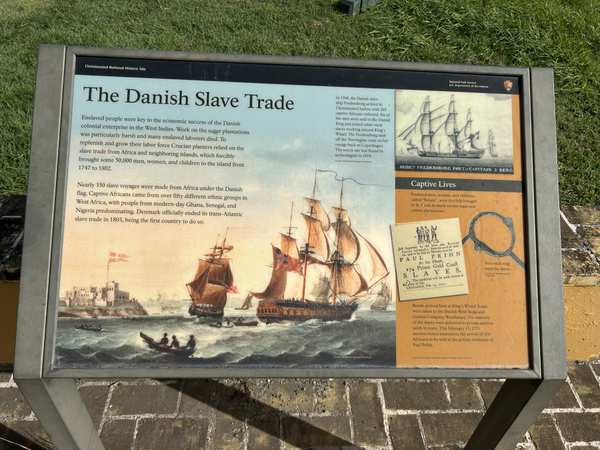
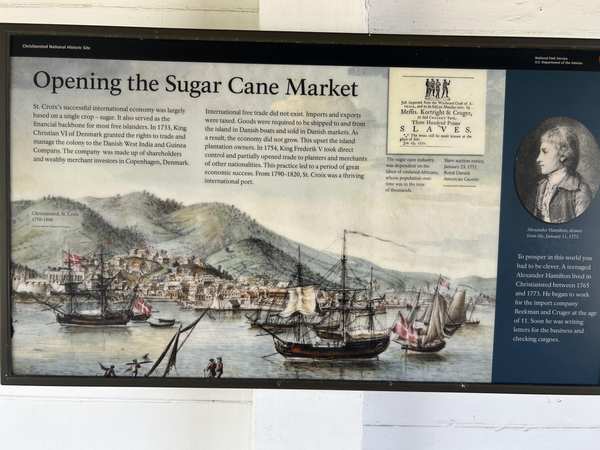
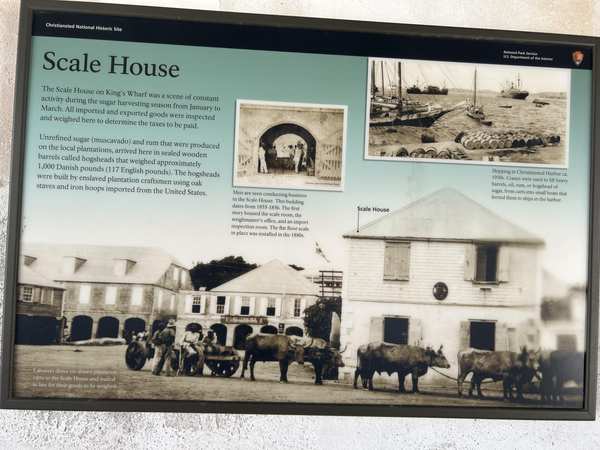
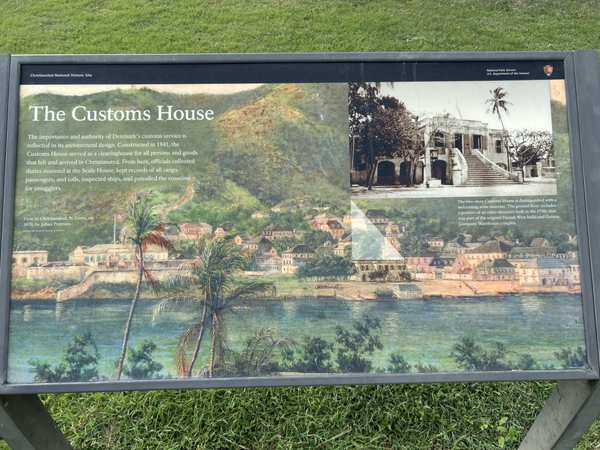
A collection of three waysides along the wharf that describe slavery and the sugar industry.

The topic could be considered by some to be disparaging or inappropriate to some.

View on map →
Entry #230 FLAGGED FOR REVIEW

FLAGGED FOR REVIEW: Interpretive materials

At Christiansted National Historic Site, the National Park Service has worked for years to document and interpret the history of slavery at this site — a history that was ignored for much of the park's existence. The exhibits, waysides, and publications now under review represent a hard-won commitment to telling the complete American story.

Why this matters: The history of slavery at Christiansted National Historic Site was suppressed for generations. The materials now being targeted represent decades of work by historians, descendants of enslaved people, and community advocates to ensure these stories are finally told. Removing them would re-erase history that has only recently been acknowledged.

Slavery & Enslaved People
Exact Text Targeted for Removal
What Was Flagged for Review

Discusses the slave trade and its connection to the sugar industry which some may find disparaging or inappropriate.

View on map →
Entry #231 FLAGGED FOR REVIEW

FLAGGED FOR REVIEW: Publications (2 items)

At Christiansted National Historic Site, the National Park Service has worked for years to document and interpret the history of slavery at this site — a history that was ignored for much of the park's existence. The exhibits, waysides, and publications now under review represent a hard-won commitment to telling the complete American story.

Why this matters: The history of slavery at Christiansted National Historic Site was suppressed for generations. The materials now being targeted represent decades of work by historians, descendants of enslaved people, and community advocates to ensure these stories are finally told. Removing them would re-erase history that has only recently been acknowledged.

Slavery & Enslaved People Indigenous & Native History
Exact Text Targeted for Removal
What Was Flagged for Review

Park Unigrid discusses enslavement many times and indigenous peoples in ways that disparaging or inappropriate.

View on map →
Entry #232 FLAGGED FOR REVIEW

FLAGGED FOR REVIEW: Interpretive materials

Christiansted National Historic Site in VI preserves a piece of American history that the public has trusted the National Park Service to protect and interpret. The interpretive materials at this site have been developed over years by historians, subject-matter experts, and park staff — and are now being reviewed under Secretary's Order 3431.

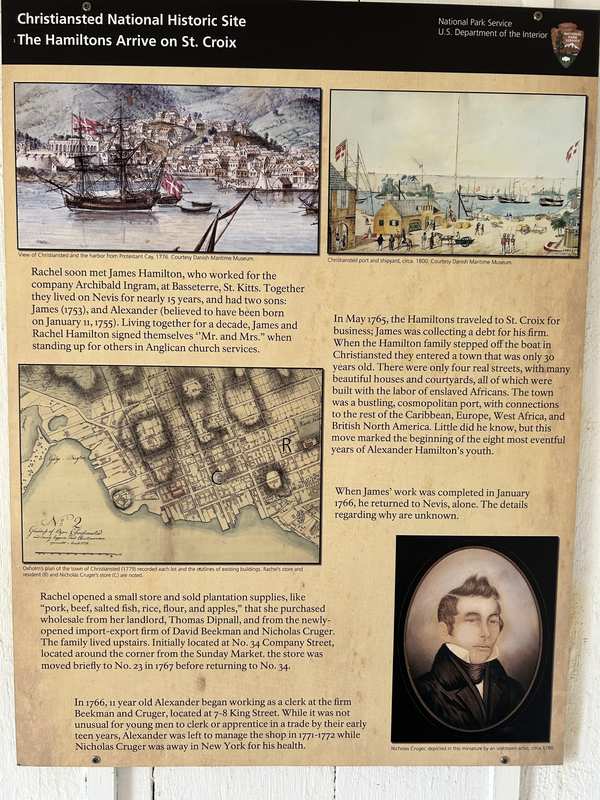
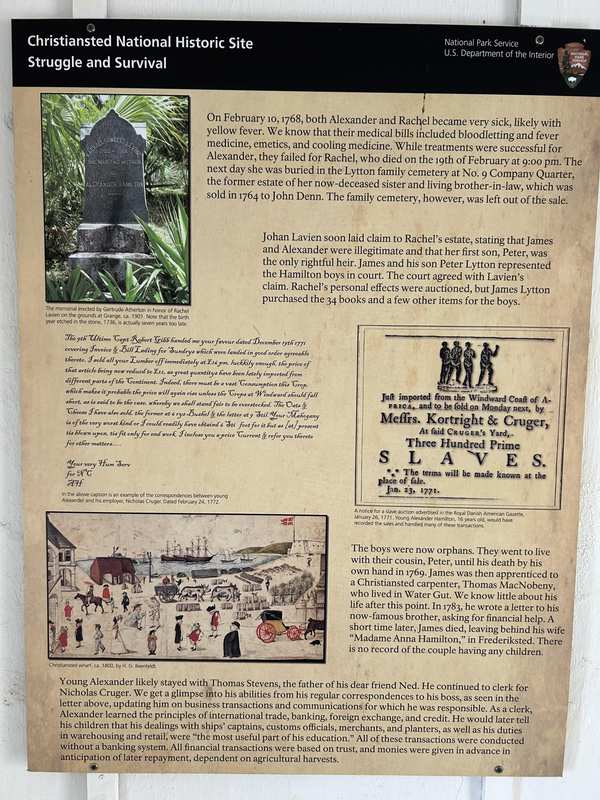
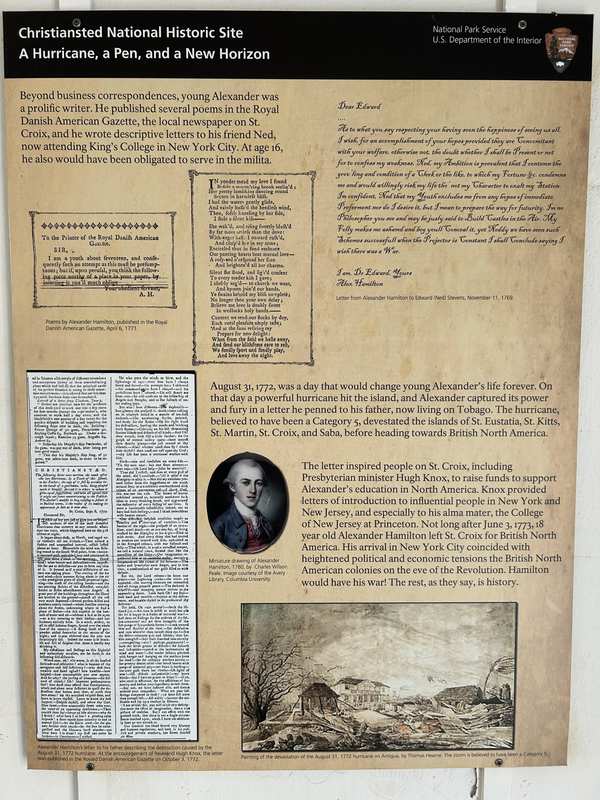
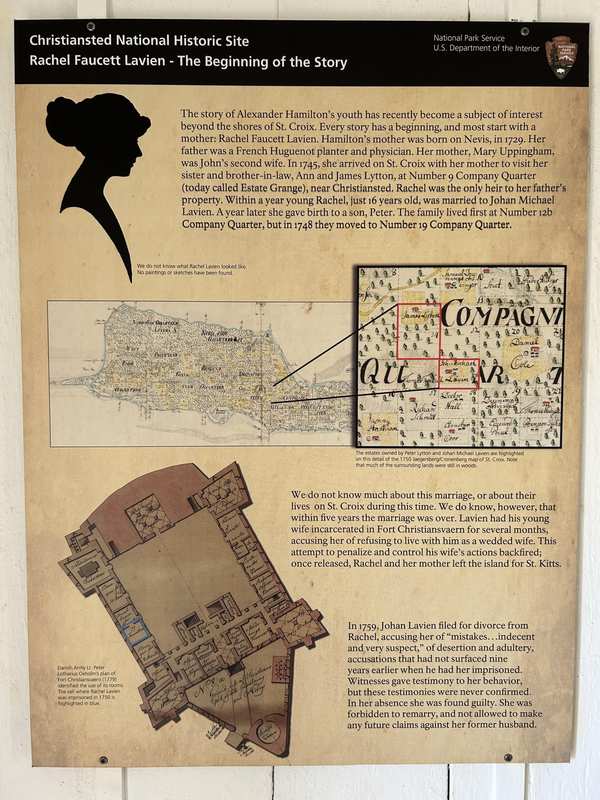
From the internal review records: “4 panes that describe Alexander Hamilton’s youth and his mother in the prison cell where she was imprisoned for being a “woman of ill-repute. Some may find this depiction of a Founding Father and his family as inappropriate or disparaging.”

Why this matters: Christiansted National Historic Site is part of a network of over 400 national parks that serve as America's classrooms. The interpretive materials here were developed by subject-matter experts to help visitors understand the full story of this place. When historically accurate content is removed, the public loses access to its own history.

General Historical Content
Exact Text Targeted for Removal
What Was Flagged for Review

4 panes that describe Alexander Hamilton’s youth and his mother in the prison cell where she was imprisoned for being a “woman of ill-repute. Some may find this depiction of a Founding Father and his family as inappropriate or disparaging.

View on map →
Entry #233 FLAGGED FOR REVIEW

FLAGGED FOR REVIEW: Publications (1 items)

At Christiansted National Historic Site, the National Park Service has worked for years to document and interpret the history of slavery at this site — a history that was ignored for much of the park's existence. The exhibits, waysides, and publications now under review represent a hard-won commitment to telling the complete American story.

From the internal review records: “The junior ranger children’s activity book discusses enslavement which some may find disparaging and/or inappropriate for children. Indigenous peoples and how colonialization impacted them is also discussed in ways that some may find inappropriate or disparaging.”

Why this matters: The history of slavery at Christiansted National Historic Site was suppressed for generations. The materials now being targeted represent decades of work by historians, descendants of enslaved people, and community advocates to ensure these stories are finally told. Removing them would re-erase history that has only recently been acknowledged.

Slavery & Enslaved People Indigenous & Native History Colonization
Exact Text Targeted for Removal
What Was Flagged for Review

The junior ranger children’s activity book discusses enslavement which some may find disparaging and/or inappropriate for children. Indigenous peoples and how colonialization impacted them is also discussed in ways that some may find inappropriate or disparaging.

View on map →
Entry #234 FLAGGED FOR REVIEW

FLAGGED FOR REVIEW: Interpretive materials

Christiansted National Historic Site in VI preserves a piece of American history that the public has trusted the National Park Service to protect and interpret. The interpretive materials at this site have been developed over years by historians, subject-matter experts, and park staff — and are now being reviewed under Secretary's Order 3431.

From the internal review records: “There are two waysides across the street from the Scale House which serves as a general Welcome and Visitor Center for all three parks. The wayside for CHRI has been removed because it damaged beyond repair and illegible due to sun damage. The wayside for SARI was removed for the same reason. The park lacks funding to have them reproduced at this time.”

Why this matters: Christiansted National Historic Site is part of a network of over 400 national parks that serve as America's classrooms. The interpretive materials here were developed by subject-matter experts to help visitors understand the full story of this place. When historically accurate content is removed, the public loses access to its own history.

General Historical Content
Exact Text Targeted for Removal
What Was Flagged for Review

There are two waysides across the street from the Scale House which serves as a general Welcome and Visitor Center for all three parks. The wayside for CHRI has been removed because it damaged beyond repair and illegible due to sun damage. The wayside for SARI was removed for the same reason. The park lacks funding to have them reproduced at this time.

View on map →
Entry #248 FLAGGED FOR REVIEW

FLAGGED FOR REVIEW: Interpretive materials

At Christiansted National Historic Site, the National Park Service has worked for years to document and interpret the history of slavery at this site — a history that was ignored for much of the park's existence. The exhibits, waysides, and publications now under review represent a hard-won commitment to telling the complete American story.

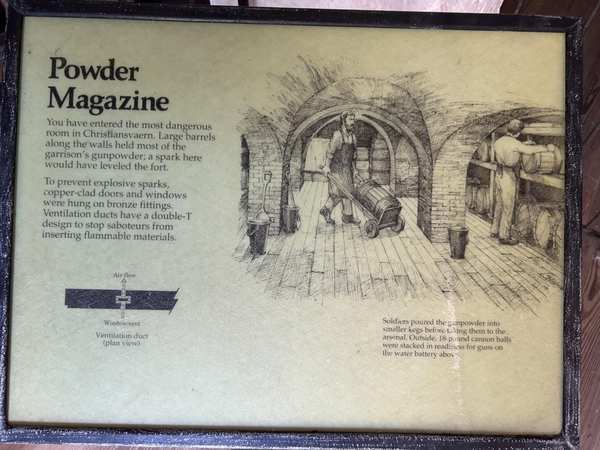
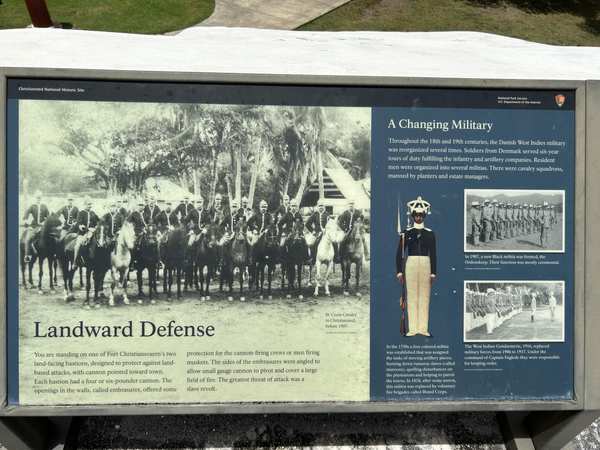
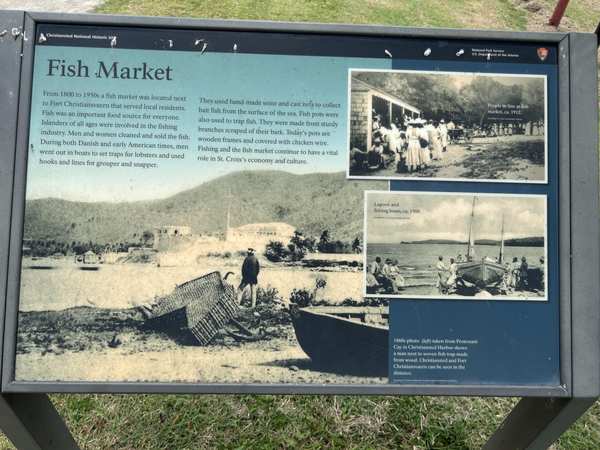
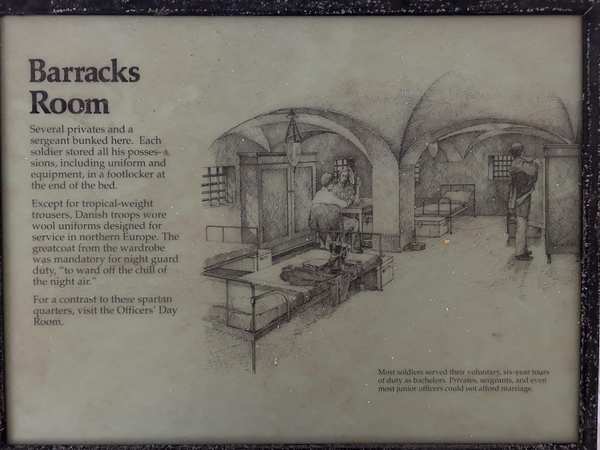
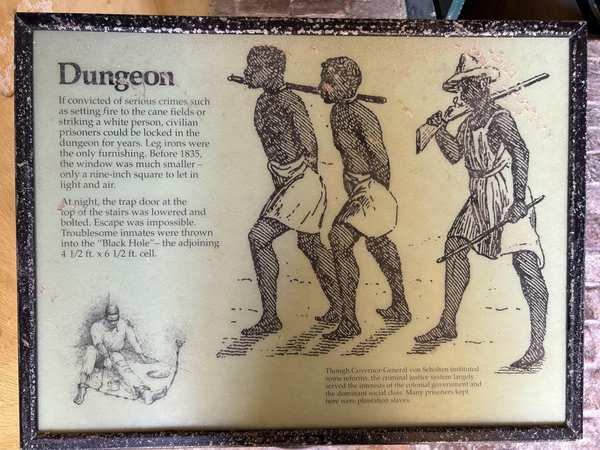
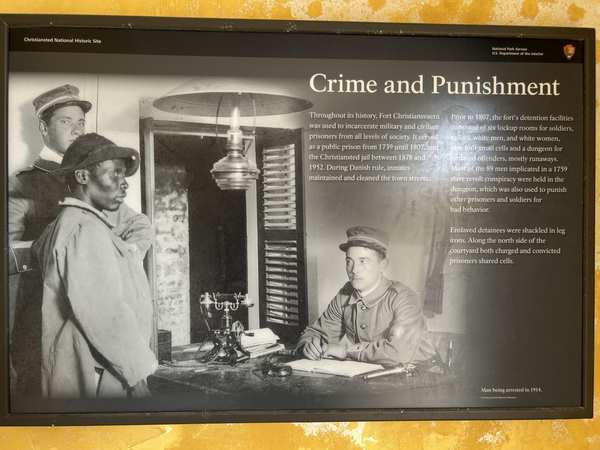
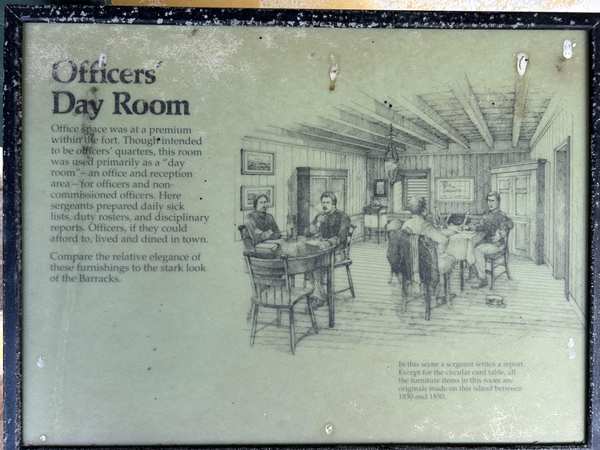
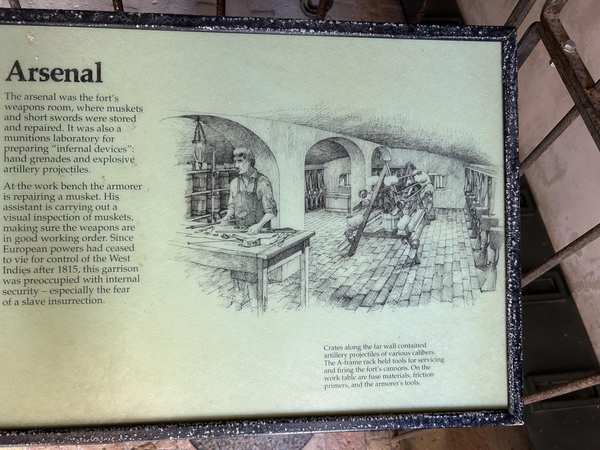
From the internal review records: “Stand-alone sings / Waysides inside and outside Ft. Christiansvaern that discuss different areas of the fort. Some discuss enslavement and torture which some may find disparaging or inappropriate. One is misleading because it states this was St. Croix's first fortress. There were a number of fortifications built before Ft. Christiansvaern, although not on the same scale. Doesn't really say wh...”

Why this matters: The history of slavery at Christiansted National Historic Site was suppressed for generations. The materials now being targeted represent decades of work by historians, descendants of enslaved people, and community advocates to ensure these stories are finally told. Removing them would re-erase history that has only recently been acknowledged.

Slavery & Enslaved People
Exact Text Targeted for Removal
What Was Flagged for Review

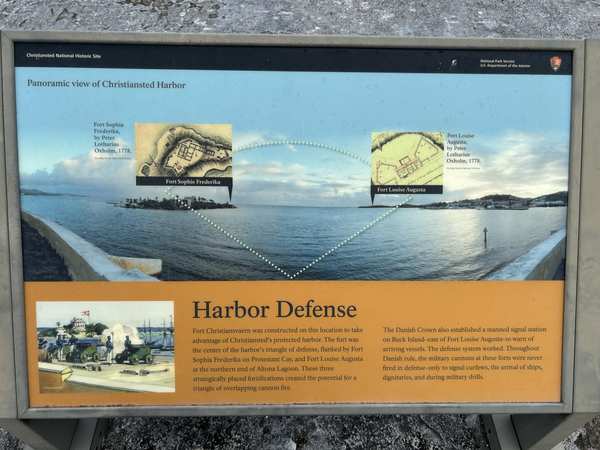
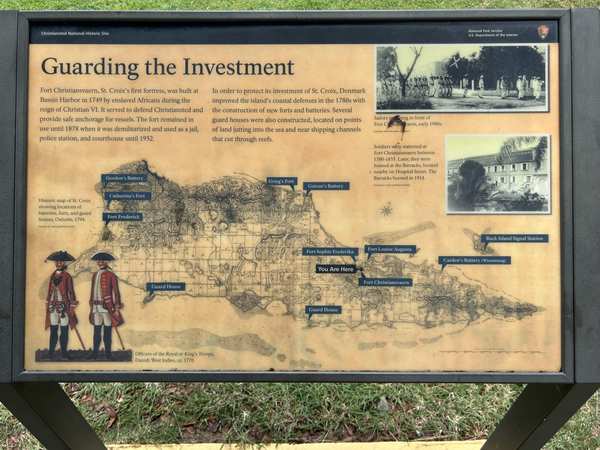
Stand-alone sings / Waysides inside and outside Ft. Christiansvaern that discuss different areas of the fort. Some discuss enslavement and torture which some may find disparaging or inappropriate. One is misleading because it states this was St. Croix's first fortress. There were a number of fortifications built before Ft. Christiansvaern, although not on the same scale. Doesn't really say what investments the fort is guarding.

View on map →
Entry #430 FLAGGED FOR REVIEW

FLAGGED FOR REVIEW: Interpretive materials

At Christiansted National Historic Site, the National Park Service has worked for years to document and interpret the history of slavery at this site — a history that was ignored for much of the park's existence. The exhibits, waysides, and publications now under review represent a hard-won commitment to telling the complete American story.

Why this matters: The history of slavery at Christiansted National Historic Site was suppressed for generations. The materials now being targeted represent decades of work by historians, descendants of enslaved people, and community advocates to ensure these stories are finally told. Removing them would re-erase history that has only recently been acknowledged.

Slavery & Enslaved People
Exact Text Targeted for Removal
What Was Flagged for Review

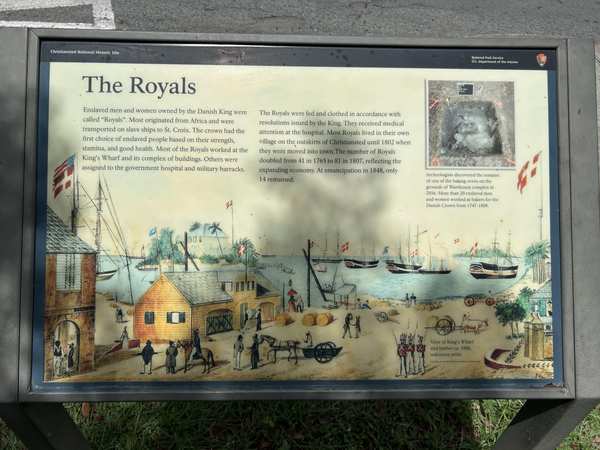
Stand alone wayside describing the Danish Royals and enslavement which could be considered by some to be disparaging or inappropriate to some

View on map →
Entry #431 FLAGGED FOR REVIEW

FLAGGED FOR REVIEW: Interpretive materials

Christiansted National Historic Site in VI preserves a piece of American history that the public has trusted the National Park Service to protect and interpret. The interpretive materials at this site have been developed over years by historians, subject-matter experts, and park staff — and are now being reviewed under Secretary's Order 3431.

Why this matters: Christiansted National Historic Site is part of a network of over 400 national parks that serve as America's classrooms. The interpretive materials here were developed by subject-matter experts to help visitors understand the full story of this place. When historically accurate content is removed, the public loses access to its own history.

General Historical Content
Exact Text Targeted for Removal
What Was Flagged for Review

The wayside discussing religion in the Danish West Indies had been removed because of sun damage. The wayside was not legible and was removed roughly a yar ago.

View on map →
Entry #432 FLAGGED FOR REVIEW

FLAGGED FOR REVIEW: Interpretive materials

Christiansted National Historic Site in VI is one of hundreds of National Park Service sites where interpretive content has been flagged under Secretary's Order 3431. This directive requires parks to review materials that could be considered negative about past or living Americans — a standard that threatens the factual historical record these sites were created to preserve.

Why this matters: Sites like Christiansted National Historic Site are among the few public spaces where the history of slavery in America is told with the gravity it deserves. These stories were suppressed for generations and have only recently been restored to the national narrative.

Slavery & Enslaved People
Exact Text Targeted for Removal
What Was Flagged for Review

Discusses slavery which could be considered by some to be disparaging or inappropriate to some

View on map →
Entry #440 FLAGGED FOR REVIEW

FLAGGED FOR REVIEW: Interpretive materials

At Christiansted National Historic Site, the National Park Service has worked for years to document and interpret the history of slavery at this site — a history that was ignored for much of the park's existence. The exhibits, waysides, and publications now under review represent a hard-won commitment to telling the complete American story.

Why this matters: The history of slavery at Christiansted National Historic Site was suppressed for generations. The materials now being targeted represent decades of work by historians, descendants of enslaved people, and community advocates to ensure these stories are finally told. Removing them would re-erase history that has only recently been acknowledged.

Slavery & Enslaved People
Exact Text Targeted for Removal
What Was Flagged for Review

Currently in the panel across the street where Religion should be.

Discusses slavery could be considered by some to be disparaging or inappropriate to some.

View on map →

Share this page

Explore the Full Map

See all 874+ entries across every national park and wildlife refuge.

Open Interactive Map →