Fort Raleigh NHS
Park History
Sourced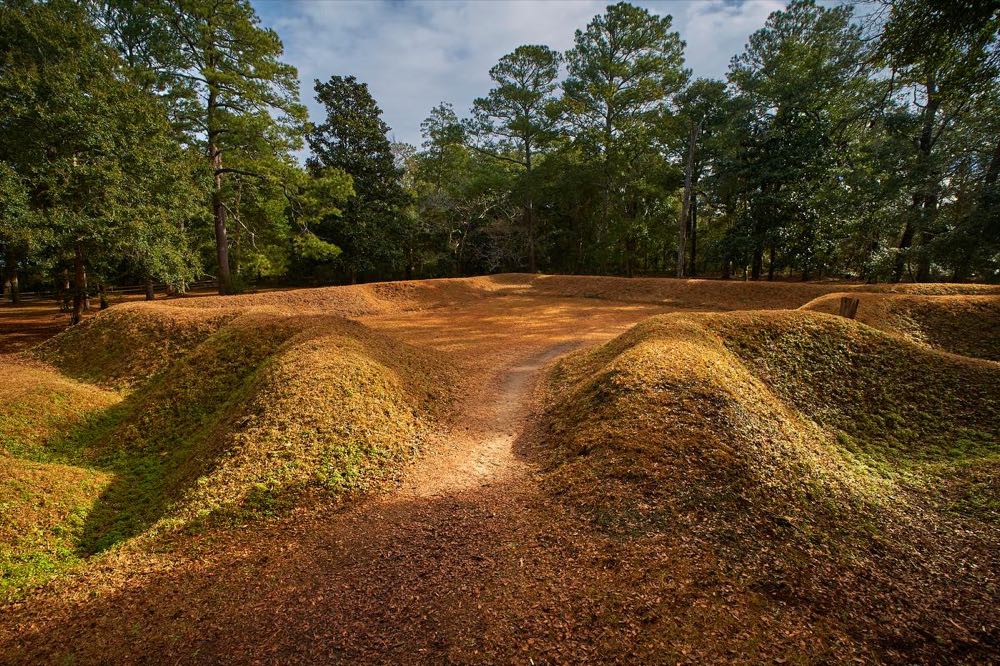
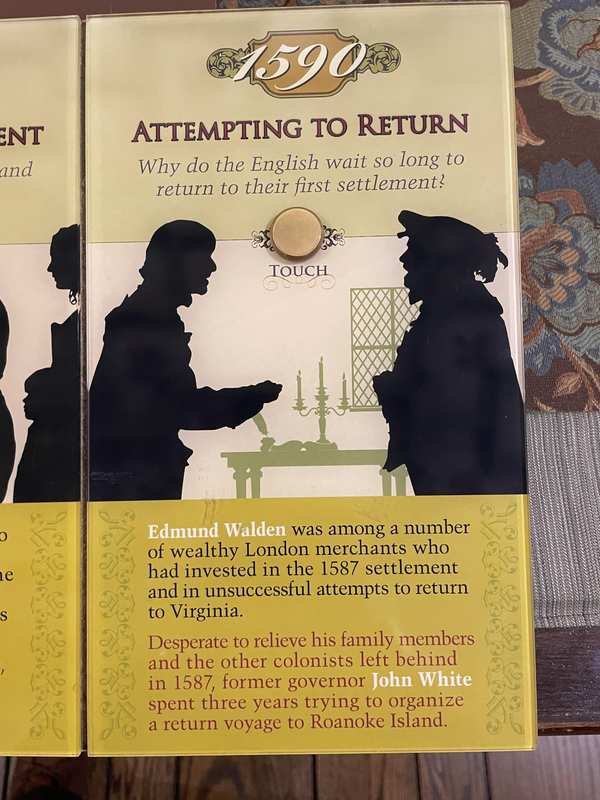
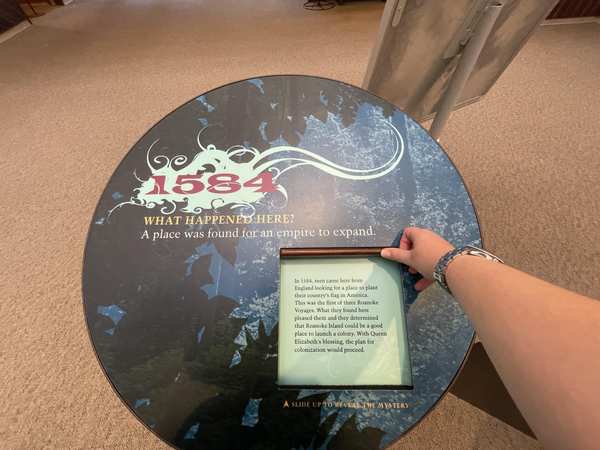
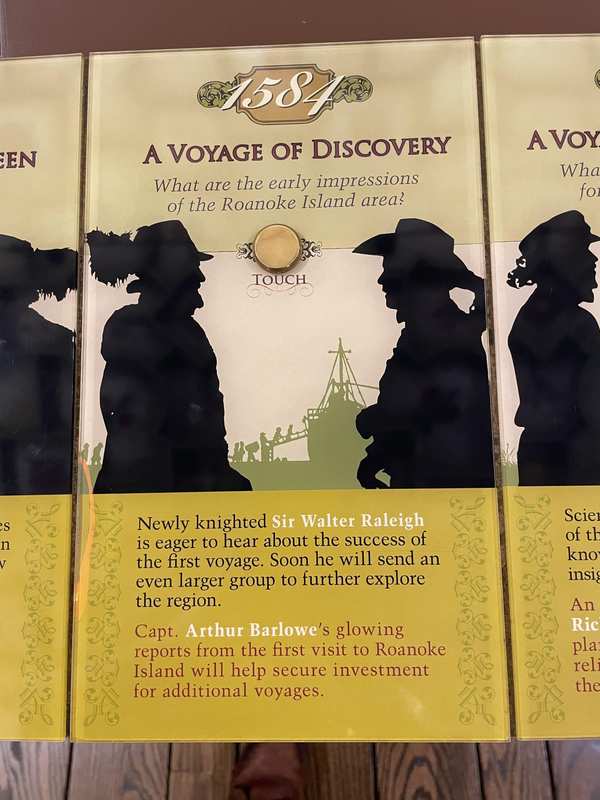
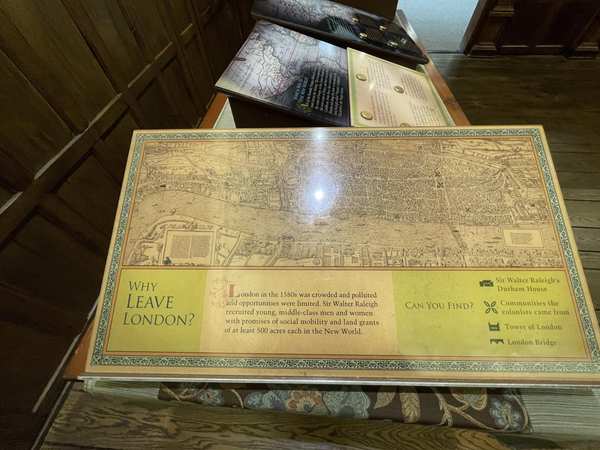
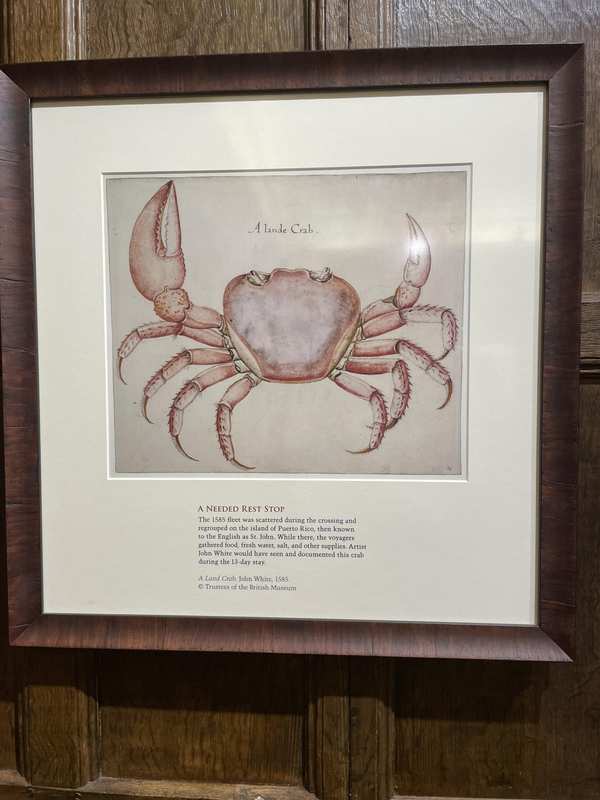
At the wooded north end of Roanoke Island, behind the Outer Banks, English explorers attempted to create England’s first colonial settlement in the New World. In 1585 a military party of 108 colonists built a small earthen fort here and left within a year; in 1587 a second colony of about 110 men, women and children arrived, and when John White returned in 1590 he found only the letters “CRO” carved on a tree and “CROATOAN” carved on a palisade post. Of some 250 colonists who struggled here, 116 men, women and children disappeared. The 355-acre site preserves the reconstructed fort — the only structure whose location is known exactly — and the ground where part, perhaps all, of the settlement stood. [1] [2]
The island holds more than the mystery. The Park Service calls it the site of the first sustained interaction between Native Americans and the English, which produced the first written cultural and ethnographic information of the Algonquian peoples of coastal North Carolina. Created by secretarial order on April 5, 1941, the park had its purpose broadened by Congress in 1990 to include the Native Americans, European Americans and African Americans who lived on the island — among them the 3,500 formerly enslaved people who built the Roanoke Island Freedmen’s Colony during and after the Civil War. [2] [3]
Indigenous peoples
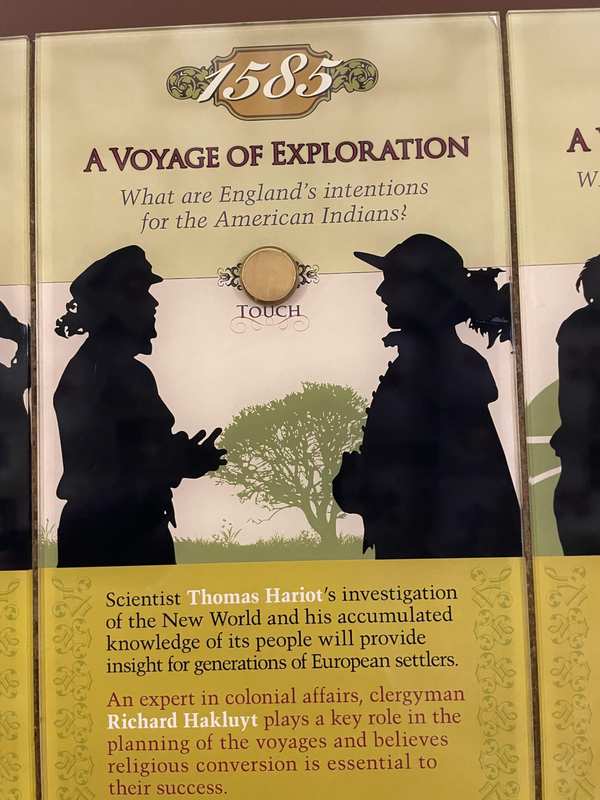
The English came ashore among the Carolina Algonquians. In 1584 two of them, Manteo of the Croatoan and Wanchese of the Roanoke, sailed to England with the first expedition, and Thomas Hariot learned some of their language from them. The 1585 colonists, who planted little, came to depend on Indian food, robbed fish traps, and spread measles and smallpox; in 1586, at a parley he had arranged, Ralph Lane’s men opened fire on a prearranged signal and killed and beheaded the Roanoke leader Wingina. In 1587 White’s colonists attacked a village they wrongly believed hostile. Hariot himself rebuked colonists for killing Indians over offenses that might easily have been forgiven. The park’s foundation document concludes that the Carolina Algonquian, a culture nearly 1,000 years old, fell victim to the European race to capitalize on the New World until the culture and its people were extirpated, surviving only in archeological evidence and in the narratives, ethnography and art of the Roanoke voyages. [1] [3] [2]
Women
Raleigh’s second colony was meant to last, and so it carried families: seventeen women and nine children among the 110 colonists, seven of the women probably servants traveling alone. One was Eleanor Dare, John White’s daughter, who on August 18, 1587, gave birth to Virginia Dare, the first English child born in the New World. Nearly three centuries later, women ran the classrooms of the Freedmen’s Colony. Elizabeth James of the American Missionary Association began teaching from a log cabin in October 1863; by fall 1864 the school had seven teachers and still could not keep up with 1,297 children under fourteen and the many adults who wanted to learn to read and write. [3] [2]
Black history
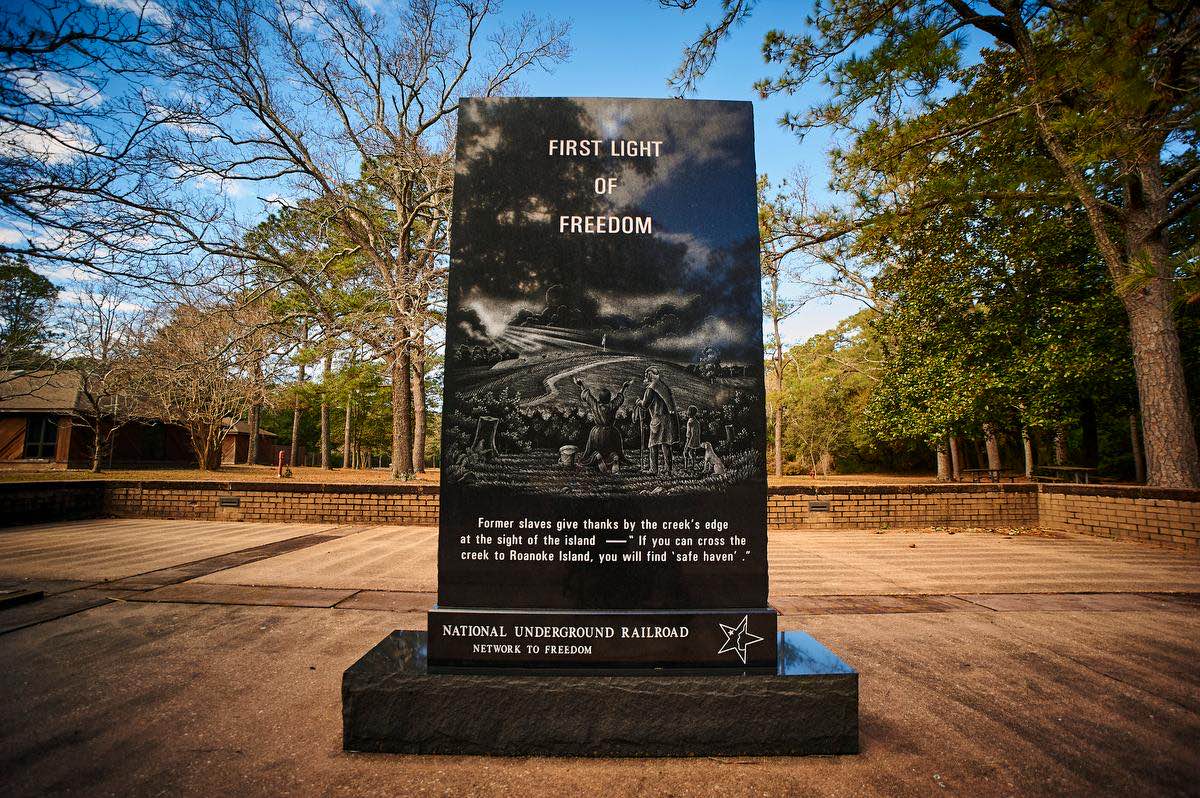
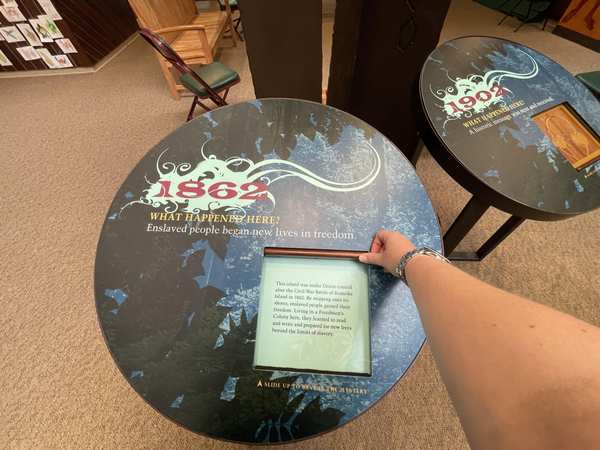
When Union forces took Roanoke Island in 1862, enslaved people from the island and the surrounding country fled to it — the first group, fifteen or twenty men, women and children, came down the Chowan River. They worked as porters, cooks and laundresses and built forts and docks; men were paid $10 a month and women and children $4. In 1863 Gen. John G. Foster ordered chaplain Horace James to found a colony on the island’s north end, where each family received a one-acre lot. By January 1865 there were at least 591 houses and more than 3,000 residents, with a church, several schools, a steam-powered saw and grist mill, and an appointed council of fifteen. It never became self-sufficient — many of its able-bodied young men enlisted in the Union Army — and James calculated the government owed the freedpeople more than $18,500 in unpaid wages. After the war the island’s prewar residents returned and reclaimed their land, rations were cut, and by February 1867 the colony had virtually dispersed. [3] [2]
Climate & environment
The island’s history now sits at the water’s edge. The 2017 foundation document reports archeological resources and their context being lost to shoreline erosion, warns that sea level rise may raise the water table and bring saltwater inundation and more severe storms to the earthen fort, and notes that the Waterside Theatre, home of The Lost Colony since 1937, stands directly against an eroding shoreline, where more storm surge, flooding and saltwater intrusion could hasten its decay. [2]
Labor & the New Deal
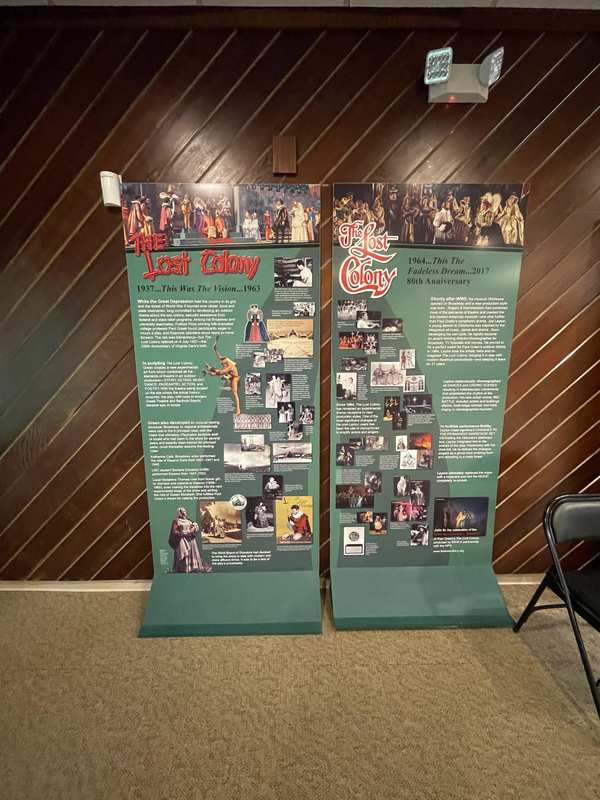
The New Deal remade the site before the Park Service owned it. From 1934, relief workers of the Works Progress Administration, under a state commission’s plan with structures designed by Frank Stick, built a juniper-log palisade, blockhouses, a chapel, a museum and other log buildings, several with thatch roofs, as a “highly conjectural” restoration of the 1587 settlement, and in 1937 WPA workers built the Waterside Theatre where Paul Green’s The Lost Colony opened. Visitation rose tenfold, to 30,000 in 1935. But Park Service historian Charles W. Porter found the blockhouse an 18th-century type that would suit the Pennsylvania frontier in 1776 and was absurd as “Fort Raleigh”; the administrative history concludes the log structures were historically inaccurate and had damaged archeologically sensitive ground. [4]
Sources
- NPSHistory.com: Fort Raleigh National Historic Site archive page — overview (from the 2008 NPS brochure) and establishment block
- Foundation Document, Fort Raleigh National Historic Site, North Carolina (NPS, July 2017)
- Treballas & Chapman, Historic Resource Study: Fort Raleigh National Historic Site (NPS, November 1999)
- Preserving the Mystery: An Administrative History of Fort Raleigh National Historic Site (NPS, 2003), ch. 1 New Deal era
Removed Per Nps Court Filing: Interpretive materials
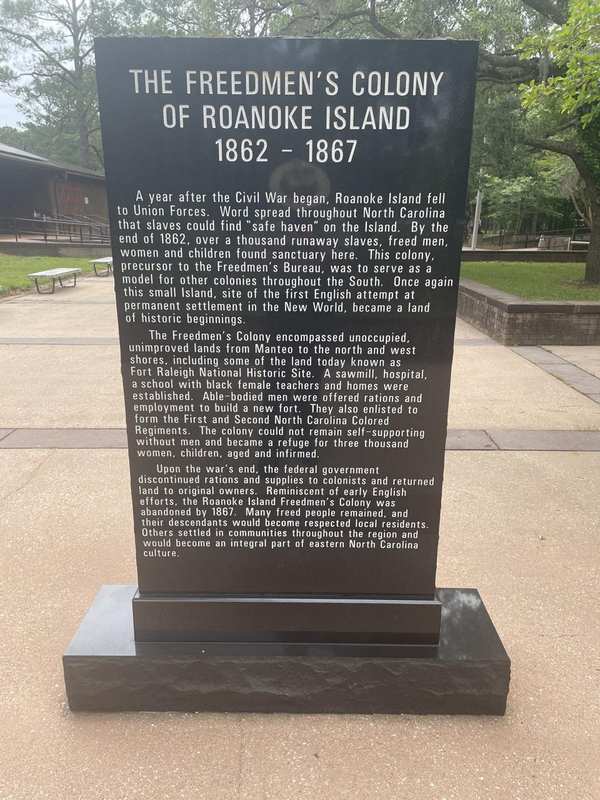
At Fort Raleigh NHS, the National Park Service has worked for years to document and interpret the history of slavery at this site — a history that was ignored for much of the park's existence. The exhibits, waysides, and publications now under review represent a hard-won commitment to telling the complete American story.
From the internal review records: “These are all the waysides and markers associated with the Freedom Trail at FORA (winner of regional Freeman Tilden Award in 2024). Please review for any potential disparaging language related to slavery and the successes and failures of the Freedman's Colony.”
Why this matters: The history of slavery at Fort Raleigh NHS was suppressed for generations. The materials now being targeted represent decades of work by historians, descendants of enslaved people, and community advocates to ensure these stories are finally told. Removing them would re-erase history that has only recently been acknowledged.
- “Waysides” — removed per NPS court filing
- Fort Raleigh: Junior Ranger Book
- Waysides; reason: Disparages Americans past or living; now: At the park
- Junior Ranger book; reason: Disparages Americans past or living; now: At the park
These are all the waysides and markers associated with the Freedom Trail at FORA (winner of regional Freeman Tilden Award in 2024). Please review for any potential disparaging language related to slavery and the successes and failures of the Freedman's Colony.
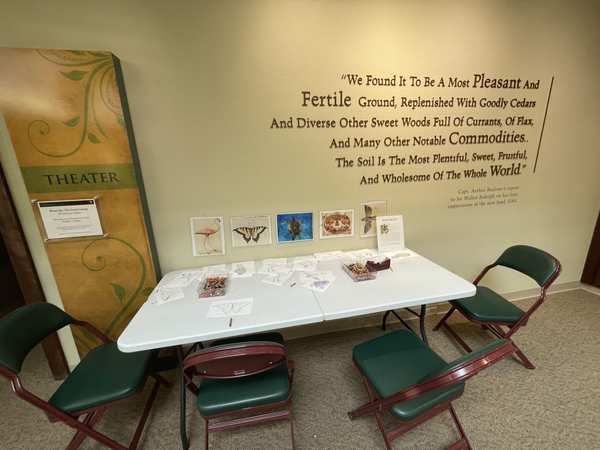
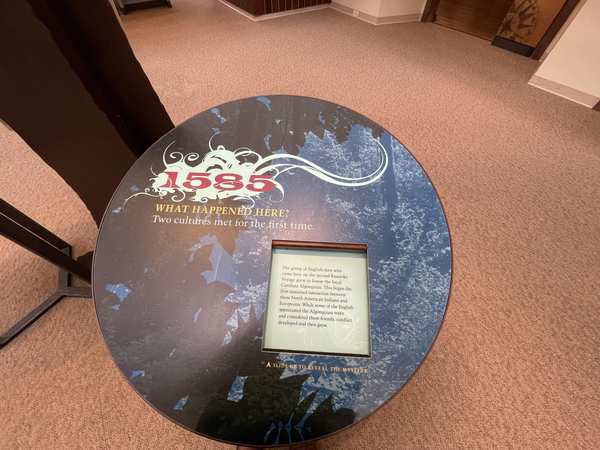
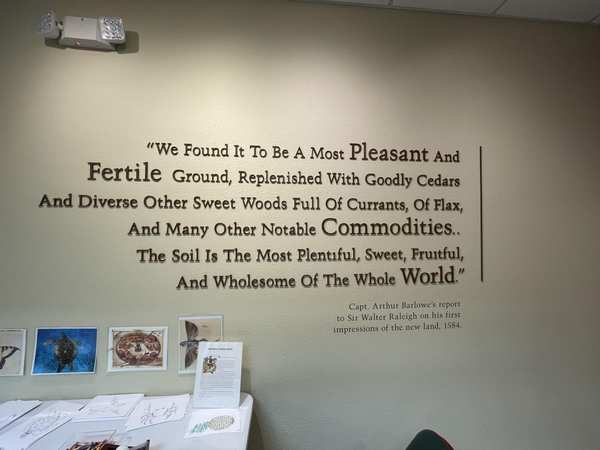
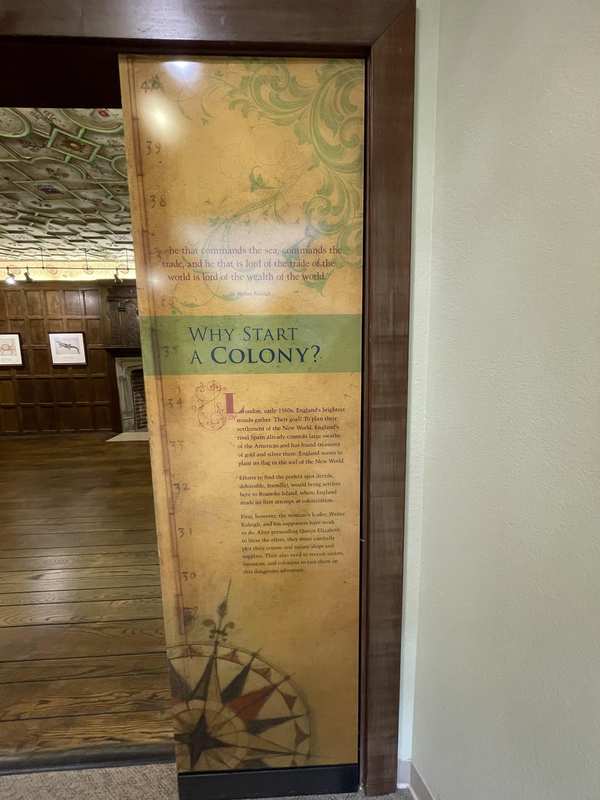
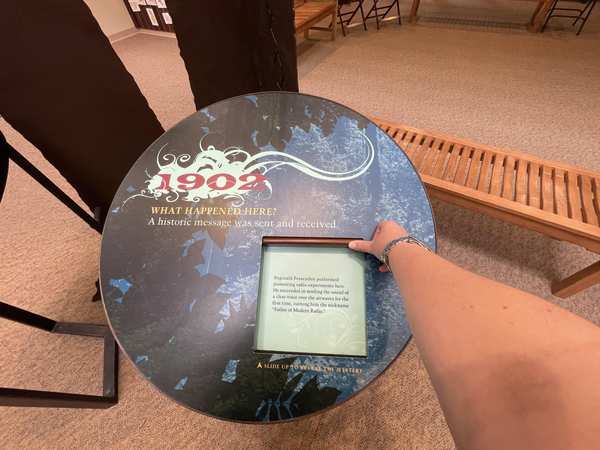
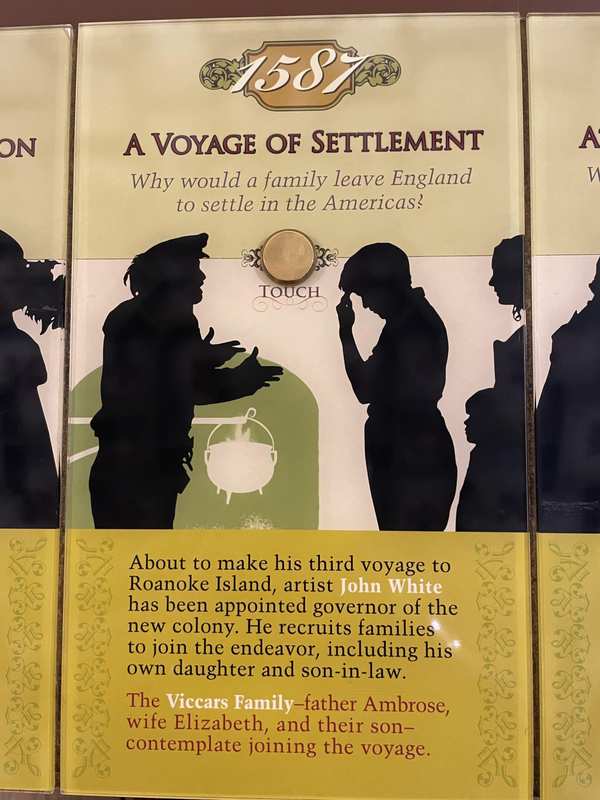
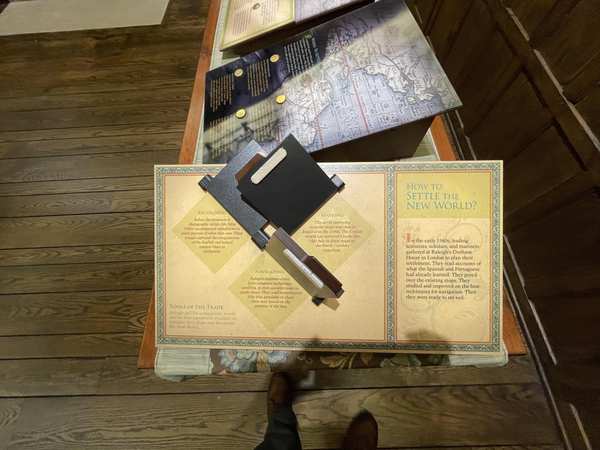
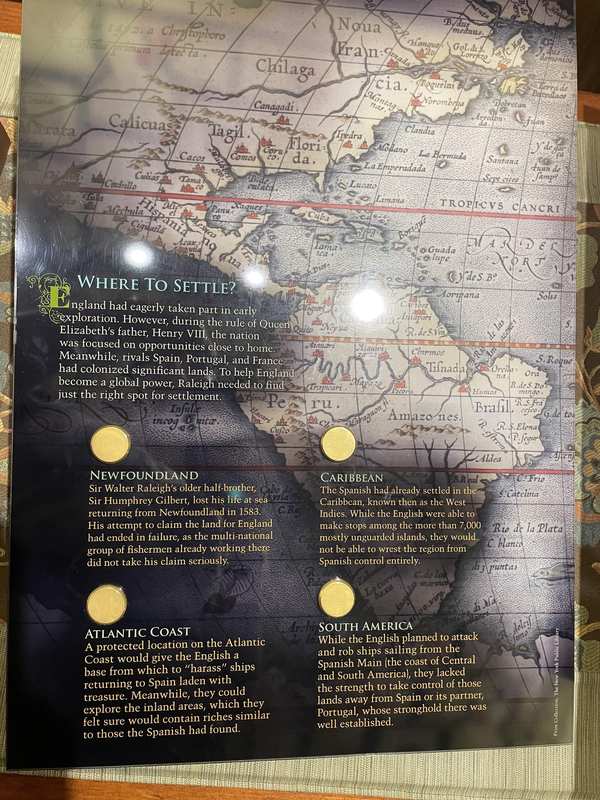
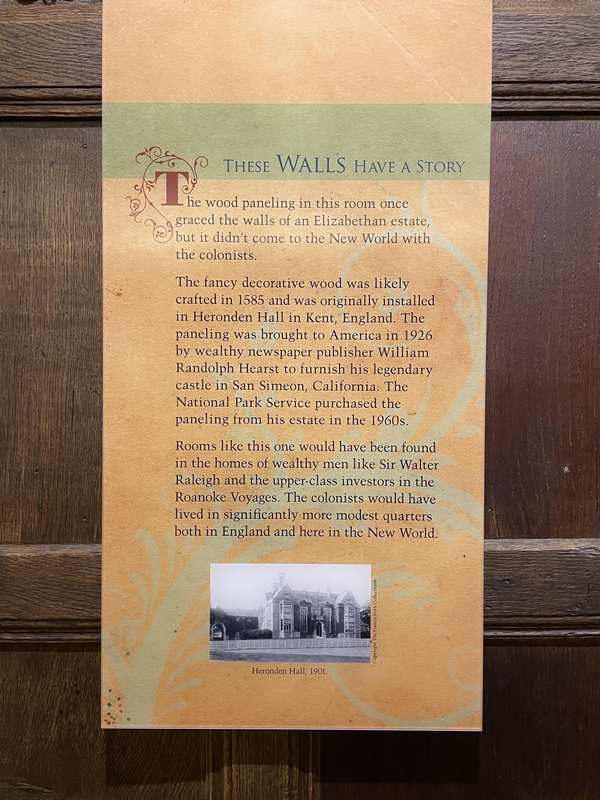
Photographs attached to this park's records in the leaked NPS review database.
Explore the Full Map
See all 446 entries across every national park and wildlife refuge.
Open Interactive Map →