Fort Sumter and Fort Moultrie NHP

FOSU · SC
CONFIRMED REMOVED
7 entries
44 photos
6 topics
Slavery & Enslaved People Civil War Labor History Civil Rights & Racial Justice Climate & Environment Colonization

NPS History

NPSHistory.com

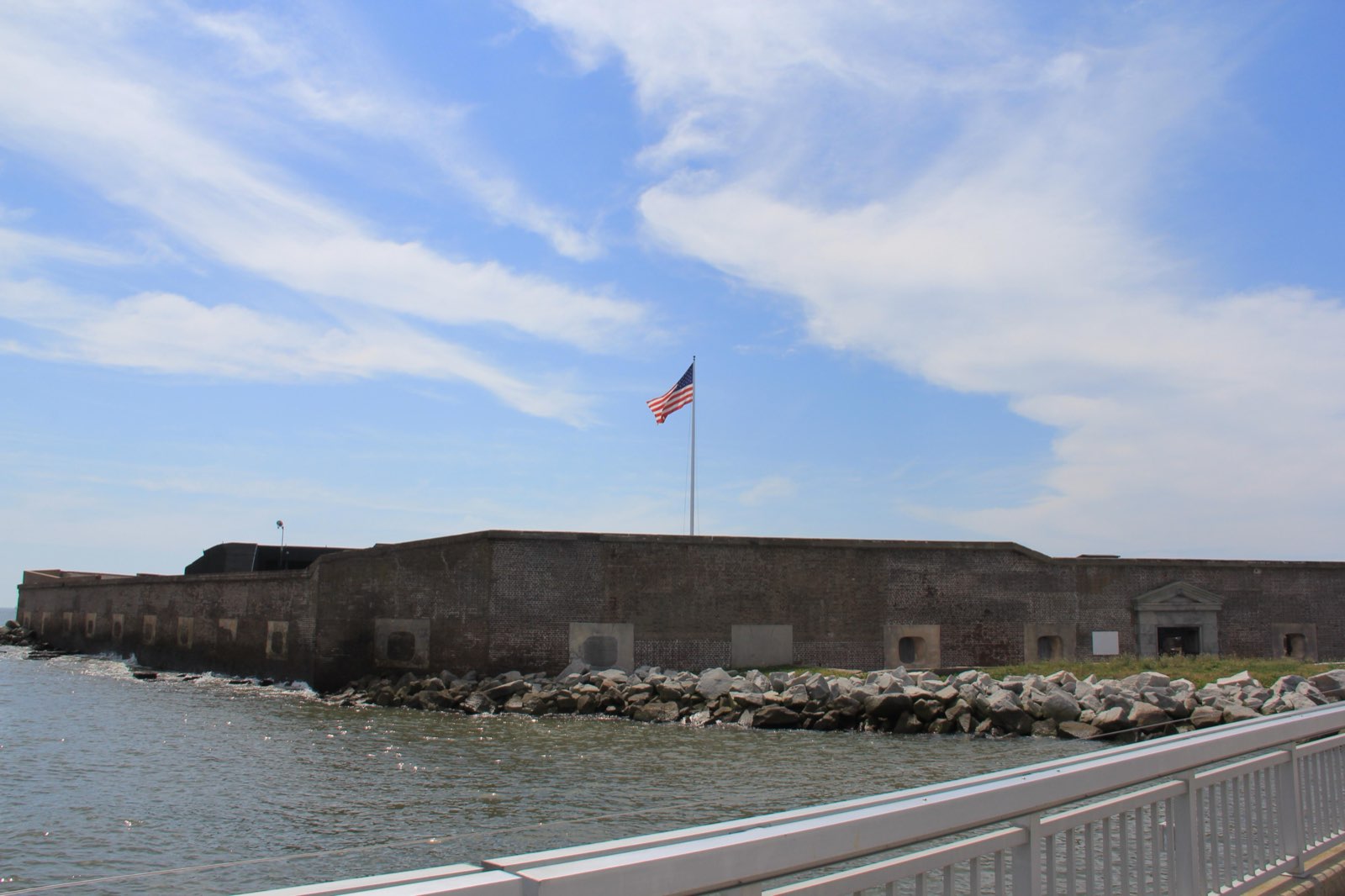
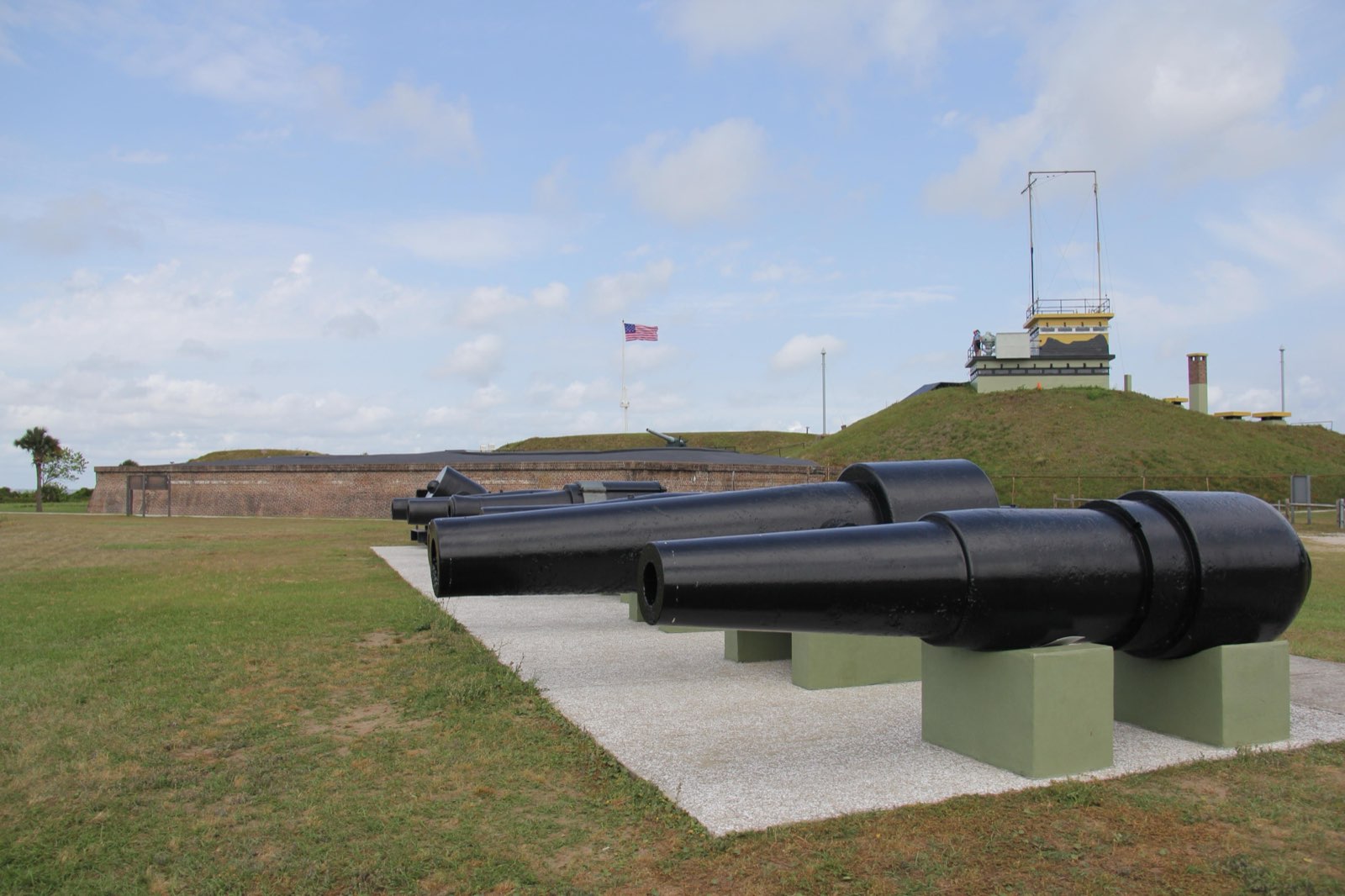
Fort Sumter and Fort Moultrie National Historical Park in Charleston Harbor, South Carolina, preserves the sites of the opening and closing engagements of the Civil War. On April 12, 1861, Confederate forces fired on the Union-held Fort Sumter, beginning the four-year conflict that would cost over 600,000 American lives. Fort Moultrie, on nearby Sullivan's Island, has an even longer military history — Patriot forces there repelled a British naval attack in 1776 during the Revolutionary War in one of the first decisive American victories. The park also interprets the role of Charleston Harbor as the main port of entry for enslaved Africans brought to North America, with an estimated 40 percent of all enslaved people entering the country passing through these waters.

📚 Learn More at NPSHistory.com →
Flagged Entries (7)
Entry #568 CONFIRMED REMOVED

Flagged for Review: Exhibit panels (9 items)

"Climate Change" (After)
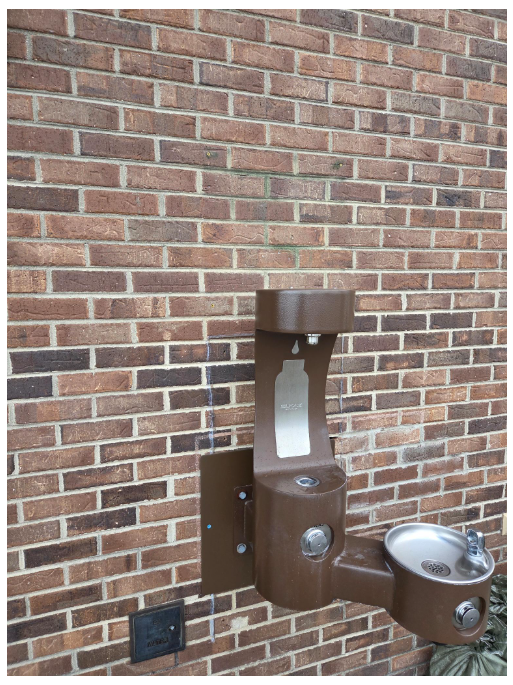
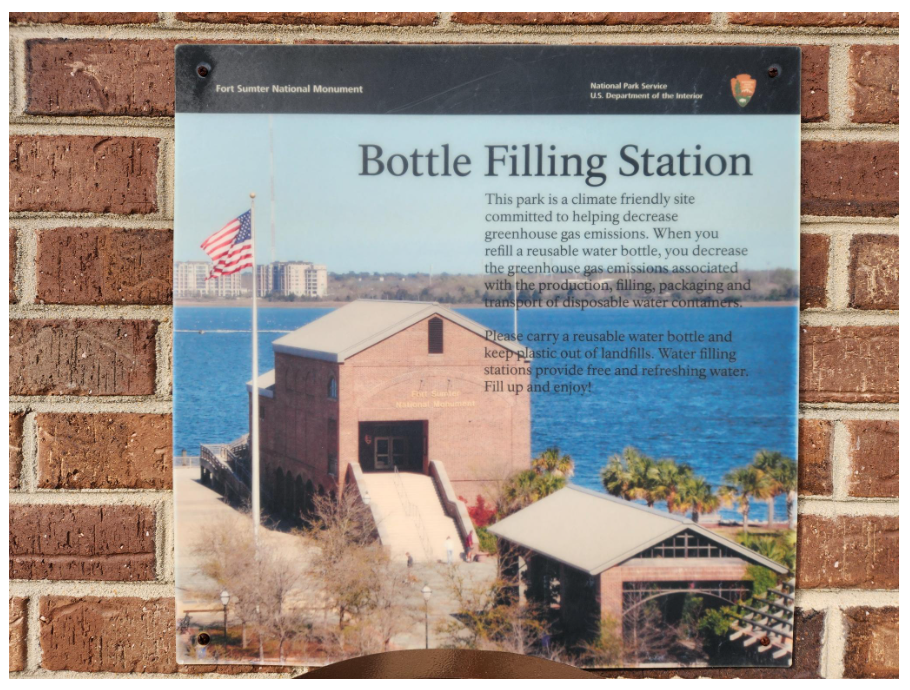
"Bottle Filling Station" (After)
+23 more

On April 12, 1861, at 4:30 a.m., Confederate batteries opened fire on Fort Sumter in Charleston Harbor, marking the official beginning of the American Civil War that would last four years and cost over 620,000 lives.

Union Major Robert Anderson commanded a garrison of only 90 men when Confederate forces under General P.G.T. Beauregard attacked. The bombardment lasted 34 straight hours before Anderson surrendered; Confederate forces occupied the fort for the next four years. Fort Sumter and Fort Moultrie National Historical Park now preserves two key Civil War sites in Charleston Harbor.

The flagged materials include content from “PMIS is 339814.” — 9 individual items targeted for review.

The content at Fort Sumter and Fort Moultrie NHP has been confirmed removed. What was once publicly accessible historical interpretation — developed over years by professional historians and park staff — has been taken down with no public record of what was changed or why.

Why this matters: Fort Sumter marks the moment the nation fractured—where political crisis became military conflict that defined American history. Over 500,000 people visit this site each year.

Slavery & Enslaved People Civil War
Exact Text Targeted for Removal
What Was Flagged for Review

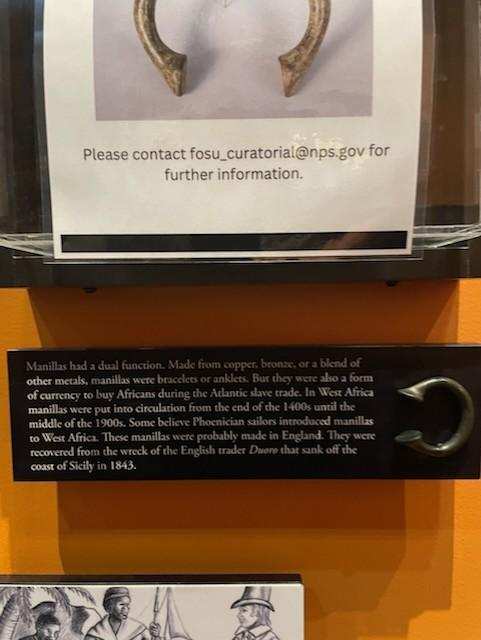
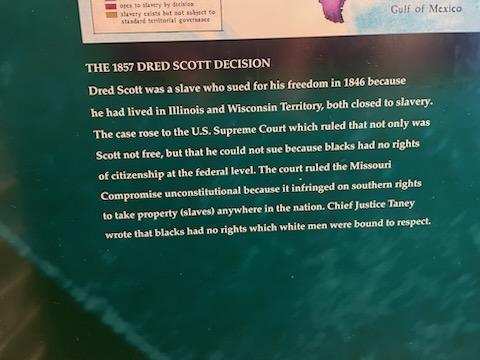
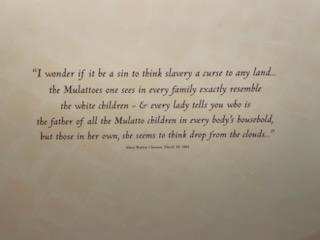
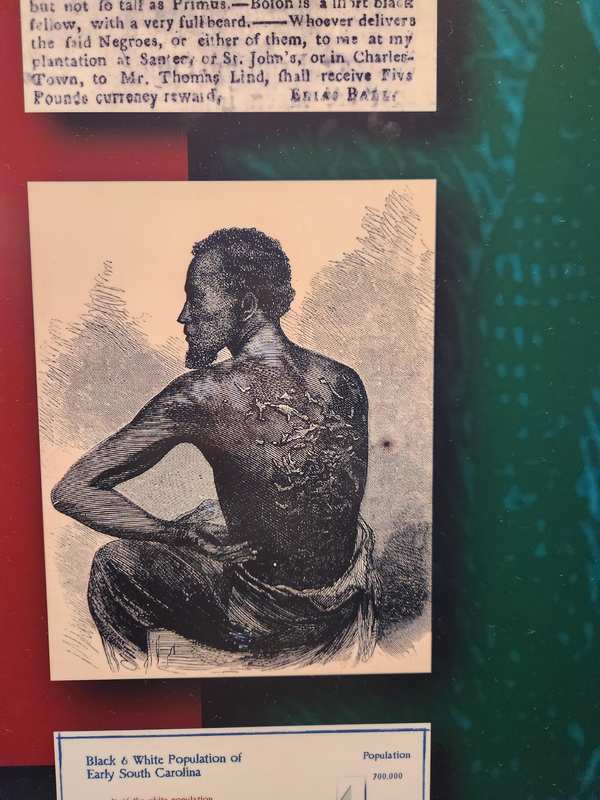
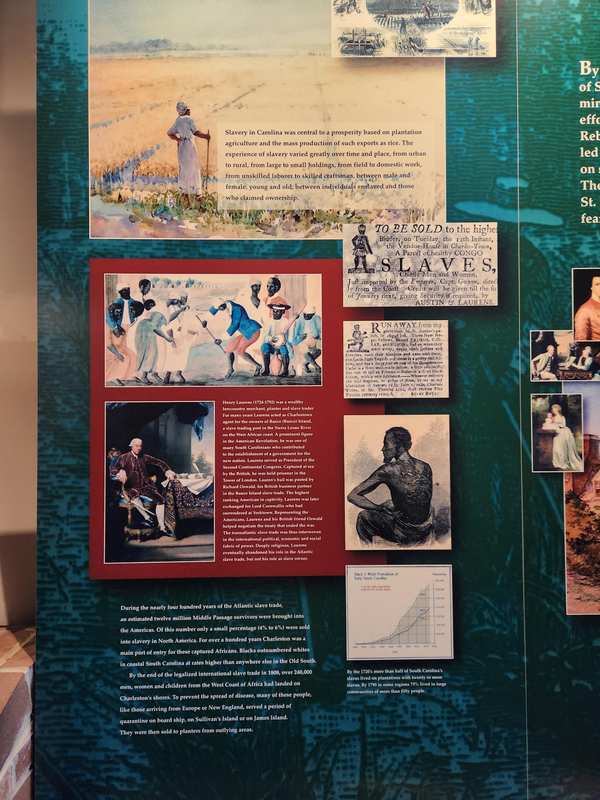
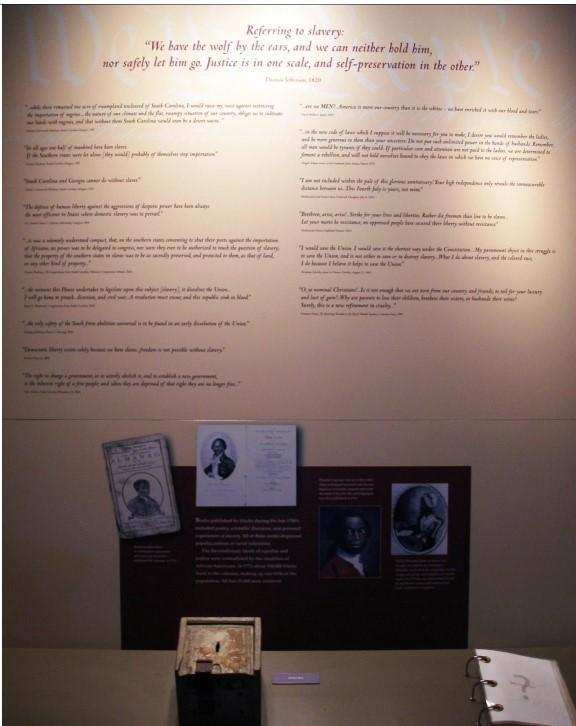
There are approximately 9 panels from the African Passages exhibit at the Fort Moultrie Visitor Center to review including text and images. We request a review of these items to determine if changes, replacement or removal is needed. Addtional photograph provide context of overall exhibit.

FYI--The park had submitted a project to create new exhibits for the Fort Moultrie visitor center in PMIS project - PMIS is 339814.

Park Foundation Document Interpretive theme for this exhibit:

Fort Sumter and Fort Moultrie NHP interprets the former sites of Gadsden’s Wharf and quarantine stations on Sullivan’s Island, where approximately 40% of all enslaved Africans transported to America disembarked, providing important connections between the history of the slave trade and the experiences of enslaved people in America.
View on map →
Entry #569 CONFIRMED REMOVED

Flagged for Review: Interpretive materials

"Climate Change" (After)
"Bottle Filling Station" (After)
+3 more

On April 12, 1861, at 4:30 a.m., Confederate batteries opened fire on Fort Sumter in Charleston Harbor, marking the official beginning of the American Civil War that would last four years and cost over 620,000 lives.

Union Major Robert Anderson commanded a garrison of only 90 men when Confederate forces under General P.G.T. Beauregard attacked. The bombardment lasted 34 straight hours before Anderson surrendered; Confederate forces occupied the fort for the next four years. Fort Sumter and Fort Moultrie National Historical Park now preserves two key Civil War sites in Charleston Harbor.

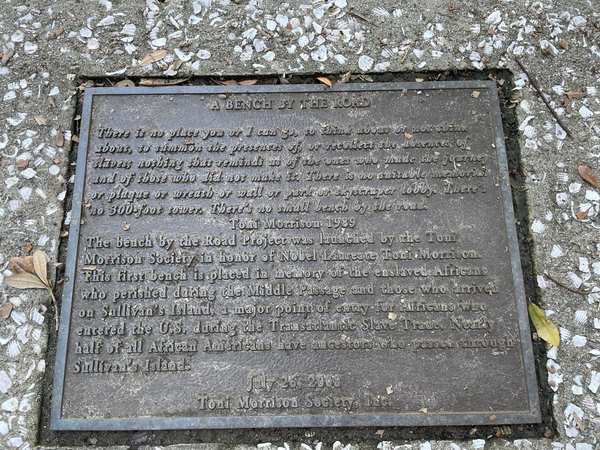
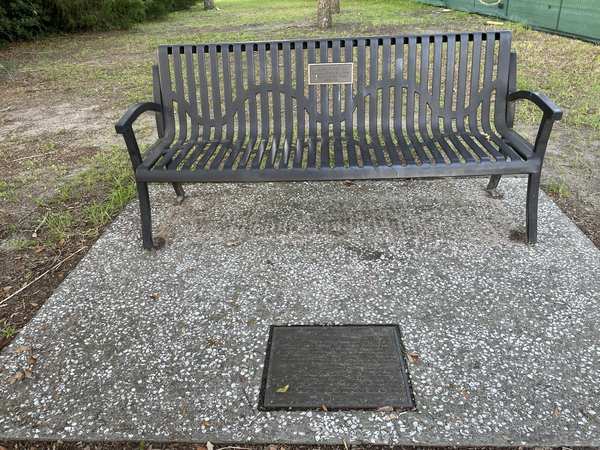
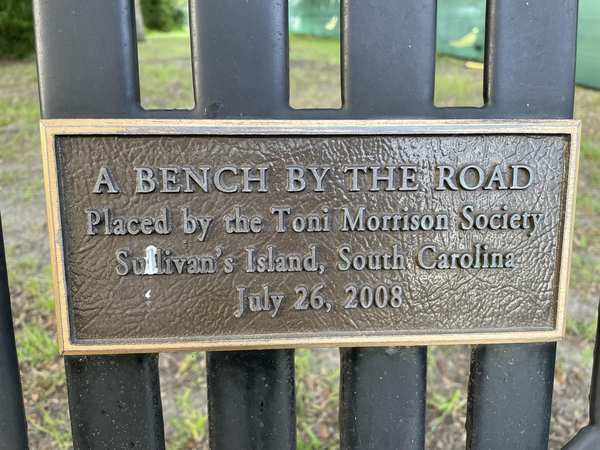
From the internal review records: “Please review the Toni Morrison Bench by the Roadside exhibit which is located at the back of ther Fort Moultrie picnic area overlooking the intercoastal waterway to ensure its compliance with the SO/EO. This was added around 2009 as the first Bench by the Roadside to have a physical place for people to come and remember those who perished and survived the middle passage. Fort Moultrie is on a bar...”

The content at Fort Sumter and Fort Moultrie NHP has been confirmed removed. What was once publicly accessible historical interpretation — developed over years by professional historians and park staff — has been taken down with no public record of what was changed or why.

Why this matters: Fort Sumter marks the moment the nation fractured—where political crisis became military conflict that defined American history. Over 500,000 people visit this site each year.

Slavery & Enslaved People Civil War
Exact Text Targeted for Removal
What Was Flagged for Review

Please review the Toni Morrison Bench by the Roadside exhibit which is located at the back of ther Fort Moultrie picnic area overlooking the intercoastal waterway to ensure its compliance with the SO/EO. This was added around 2009 as the first Bench by the Roadside to have a physical place for people to come and remember those who perished and survived the middle passage. Fort Moultrie is on a barrier island at the entrance to Charleston Harbor, where it is estimated 40% of all Africans sold into slavery came through the port of Charleston. On the island, not far from the fort were pestilence houses that were used to quarantine sick passengers coming into Charleston back in the 1700s. Pestilence houses moved off the island by 1799/1800. Today, the exact locations of the pestilence houses is unknown. Most of the island is residential.

Interpretive Theme from the park's foundation document that justifies the exhibit is:

Fort Sumter and Fort Moultrie NHP interprets the former sites of Gadsden’s Wharf and quarantine stations on Sullivan’s Island, where approximately 40% of all enslaved Africans transported to America disembarked, providing important connections between the history of...

View on map →
Entry #571 CONFIRMED REMOVED

Flagged for Review: Exhibit panels (5 items)

"Climate Change" (After)
"Bottle Filling Station" (After)
+6 more

On April 12, 1861, at 4:30 a.m., Confederate batteries opened fire on Fort Sumter in Charleston Harbor, marking the official beginning of the American Civil War that would last four years and cost over 620,000 lives.

Union Major Robert Anderson commanded a garrison of only 90 men when Confederate forces under General P.G.T. Beauregard attacked. The bombardment lasted 34 straight hours before Anderson surrendered; Confederate forces occupied the fort for the next four years. Fort Sumter and Fort Moultrie National Historical Park now preserves two key Civil War sites in Charleston Harbor.

From the internal review records: “Please review the 5 exhibit panels for compliance with the SO/EO. This exhibit is located in the Fort Sumter visitor center at Liberty Square which is the primary departure point for the ferry boat transportation to Fort Sumter. The exhibits at Liberty Square focus on Charleston on the eve of the Civil War, causation of the Civil War and what was happening at Fort Sumter on the eve of war. FYI- Li...”

The content at Fort Sumter and Fort Moultrie NHP has been confirmed removed. What was once publicly accessible historical interpretation — developed over years by professional historians and park staff — has been taken down with no public record of what was changed or why.

Why this matters: Fort Sumter marks the moment the nation fractured—where political crisis became military conflict that defined American history. Over 500,000 people visit this site each year.

Slavery & Enslaved People Civil War Labor History
Exact Text Targeted for Removal
What Was Flagged for Review

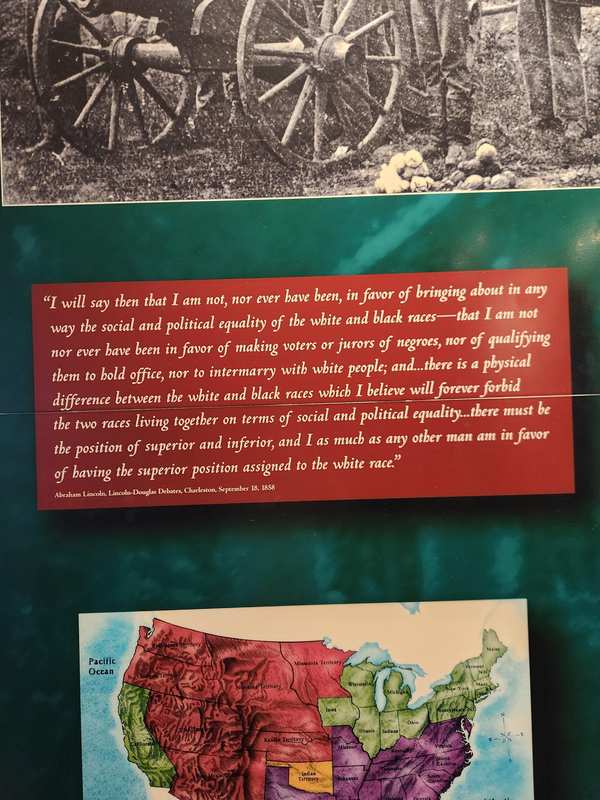
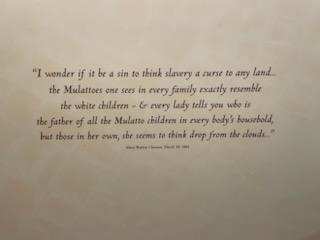
Please review the 5 exhibit panels for compliance with the SO/EO. This exhibit is located in the Fort Sumter visitor center at Liberty Square which is the primary departure point for the ferry boat transportation to Fort Sumter. The exhibits at Liberty Square focus on Charleston on the eve of the Civil War, causation of the Civil War and what was happening at Fort Sumter on the eve of war. FYI- Liberty Square is located where Gadsden’s Wharf was historically located which was the most highly used docks used to transport Africans to the United States to be sold as enslaved labor. The followi...

View on map →
Entry #572 CONFIRMED REMOVED

Flagged for Review: Exhibit panels (1 items)

"Climate Change" (After)
"Bottle Filling Station" (After)
+5 more

On April 12, 1861, at 4:30 a.m., Confederate batteries opened fire on Fort Sumter in Charleston Harbor, marking the official beginning of the American Civil War that would last four years and cost over 620,000 lives.

Union Major Robert Anderson commanded a garrison of only 90 men when Confederate forces under General P.G.T. Beauregard attacked. The bombardment lasted 34 straight hours before Anderson surrendered; Confederate forces occupied the fort for the next four years. Fort Sumter and Fort Moultrie National Historical Park now preserves two key Civil War sites in Charleston Harbor.

The flagged materials include content from “Fort Sumter, Fort Moultrie and Liberty Square.”, “Incidents in the Life of Slave Girl by Harriet A. Jacobs”, “Stolen Charleston: The Spoils of War by J. Grahame Long”, “The 1619 Project: Born on the Water by by Nikole Hannah”, “Shackles by Marjory Heath Wentworth”, targeted for review under the current directive.

The content at Fort Sumter and Fort Moultrie NHP has been confirmed removed. What was once publicly accessible historical interpretation — developed over years by professional historians and park staff — has been taken down with no public record of what was changed or why.

Why this matters: Fort Sumter marks the moment the nation fractured—where political crisis became military conflict that defined American history. Over 500,000 people visit this site each year.

Slavery & Enslaved People Civil War Civil Rights & Racial Justice Climate & Environment Colonization Labor History
Exact Text Targeted for Removal
What Was Flagged for Review

Please review the following books and products for compliance with the SO/EO. Items are sold at 3 Eastern National stores - Fort Sumter, Fort Moultrie and Liberty Square.

• Incidents in the Life of Slave Girl by Harriet A. Jacobs

• Slavery and Public History: The Tough Stuff of American Memory edited by James Oliver Horton and Lois E. Horton

• Stolen Charleston: The Spoils of War by J. Grahame Long

• The 1619 Project: Born on the Water by by Nikole Hannah-Jones (Author), Renée Watson (Author), Nikkolas Smith (Illustrator)

• What Your Ribbon Skirt Means to Me: Deb Haaland's Historic Inauguration by Alexis Bunten (Author), Nicole Neidhardt (Illustrator)

• Shackles by Marjory Heath Wentworth

• A Day for Rememberin': Inspired by the True Events of the First Memorial Day by by Leah Henderson (Author), Floyd Cooper (Illustrator)

• Growing Up in Slavery edited by Yuval Taylor

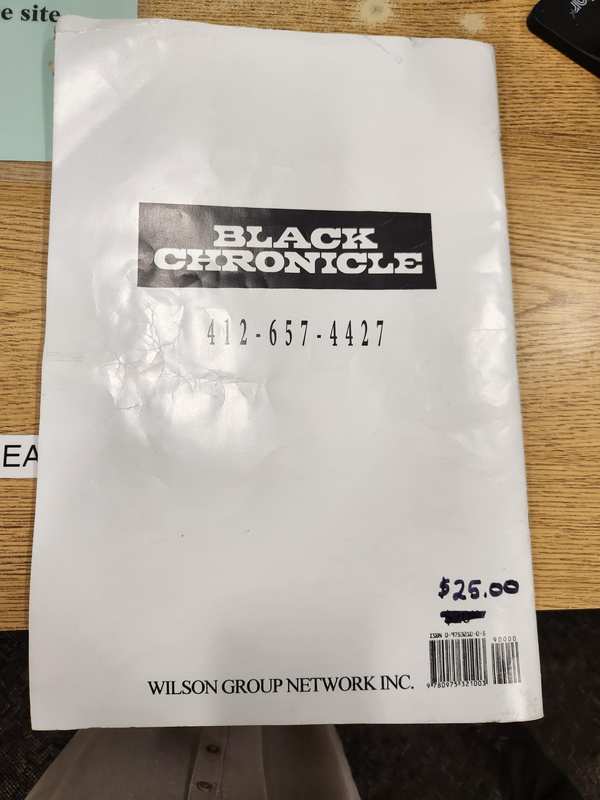
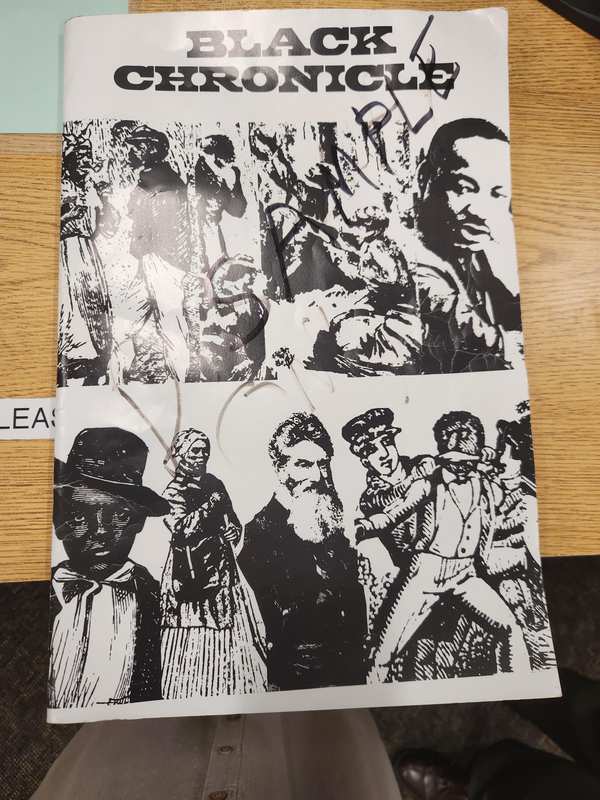
• Black Chronicle published by Wilson Group Network Inc.

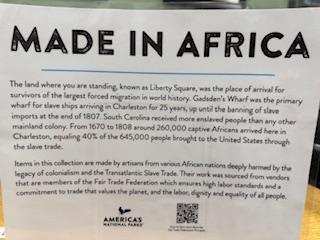
• Fair trade African Dolls, including Eastern text

• Juneteenth Postcard Primary Themes from the Scope of Sales for the park:

View on map →
Entry #609 CONFIRMED REMOVED

Flagged for Review: Interpretive materials

"Climate Change" (After)
"Bottle Filling Station" (After)
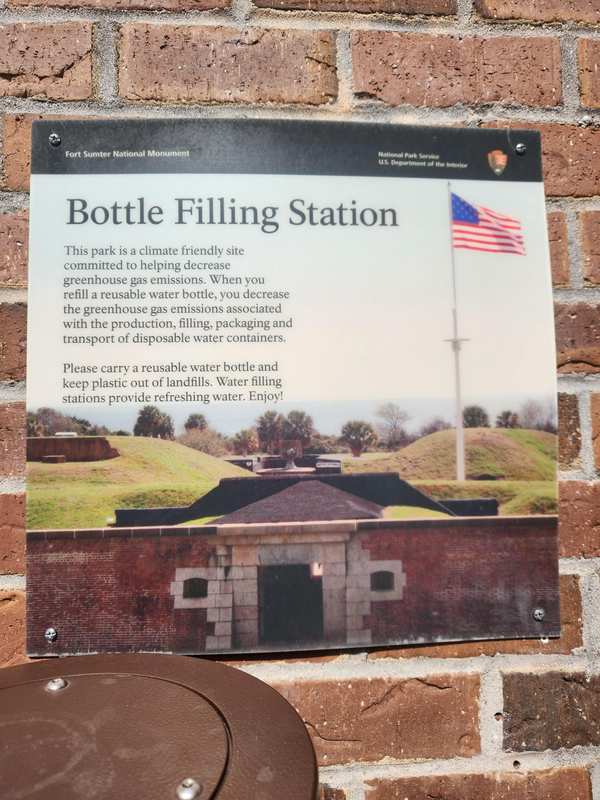
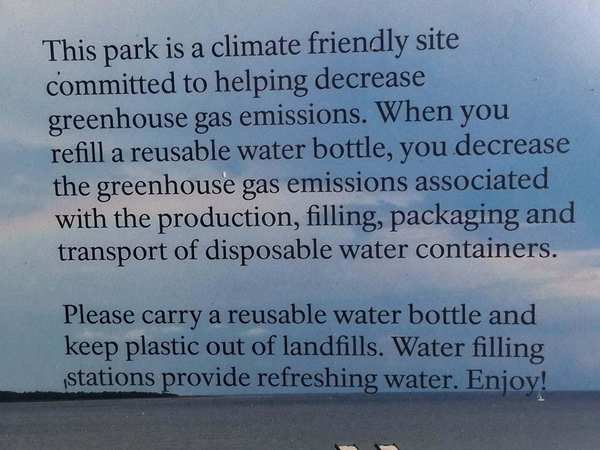
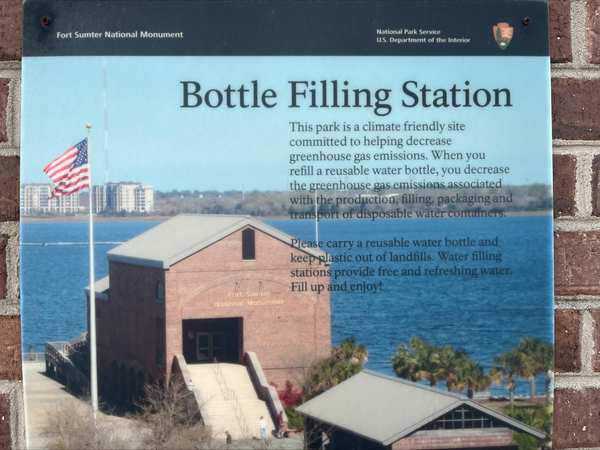
Fort Sumter Bottle Filling Station sign
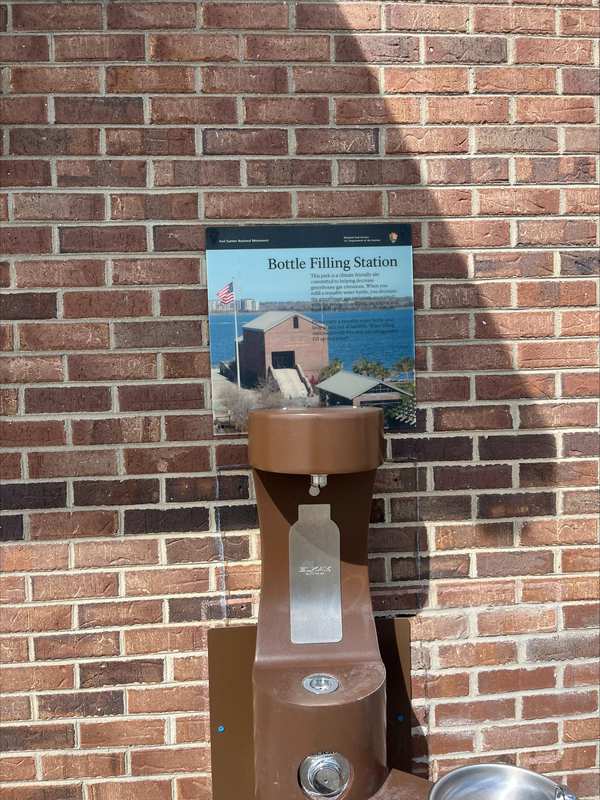
Fort Sumter area after Bottle Filling Station removal
+4 more

Photo: Save Our Signs (public domain)

On April 12, 1861, at 4:30 a.m., Confederate batteries opened fire on Fort Sumter in Charleston Harbor, marking the official beginning of the American Civil War that would last four years and cost over 620,000 lives.

Union Major Robert Anderson commanded a garrison of only 90 men when Confederate forces under General P.G.T. Beauregard attacked. The bombardment lasted 34 straight hours before Anderson surrendered; Confederate forces occupied the fort for the next four years. Fort Sumter and Fort Moultrie National Historical Park now preserves two key Civil War sites in Charleston Harbor.

From the internal review records: “Review signs located at the bottlefill stations at Liberty Square, Fort Sumter and Fort Moultlrie to ensure compliance with SO/EO. The signs are to encourage visitors to use refillable water bottles rather than single use plastics.”

The content at Fort Sumter and Fort Moultrie NHP has been confirmed removed. What was once publicly accessible historical interpretation — developed over years by professional historians and park staff — has been taken down with no public record of what was changed or why.

Why this matters: Fort Sumter marks the moment the nation fractured—where political crisis became military conflict that defined American history. Over 500,000 people visit this site each year.

Civil War
Exact Text Targeted for Removal
What Was Flagged for Review

Review signs located at the bottlefill stations at Liberty Square, Fort Sumter and Fort Moultlrie to ensure compliance with SO/EO. The signs are to encourage visitors to use refillable water bottles rather than single use plastics.

View on map →
Entry #612 CONFIRMED REMOVED

Flagged for Review: Interpretive materials

"Climate Change" (After)
"Bottle Filling Station" (After)
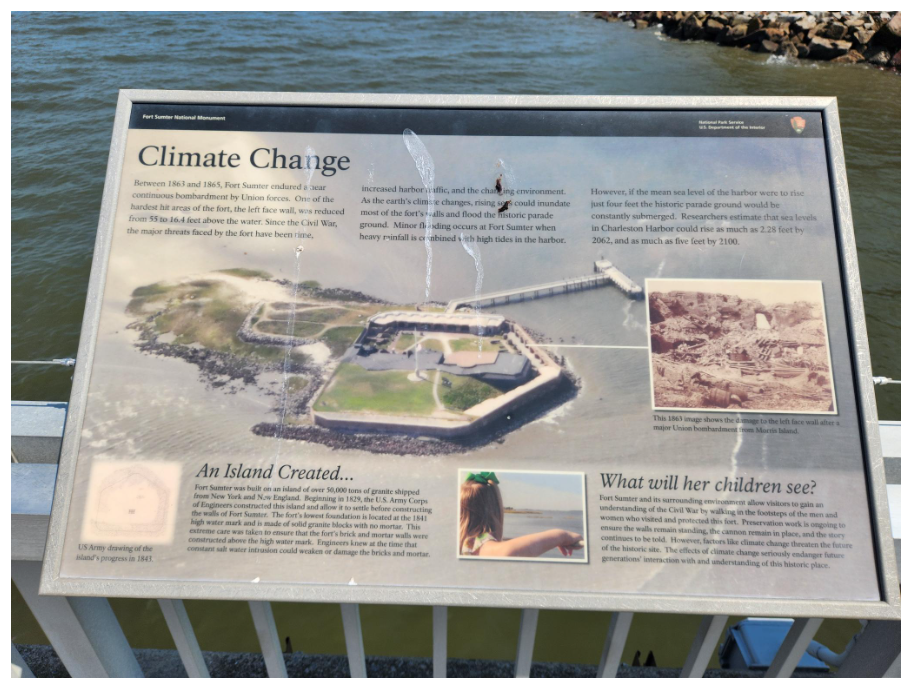
Fort Sumter Climate Change sign
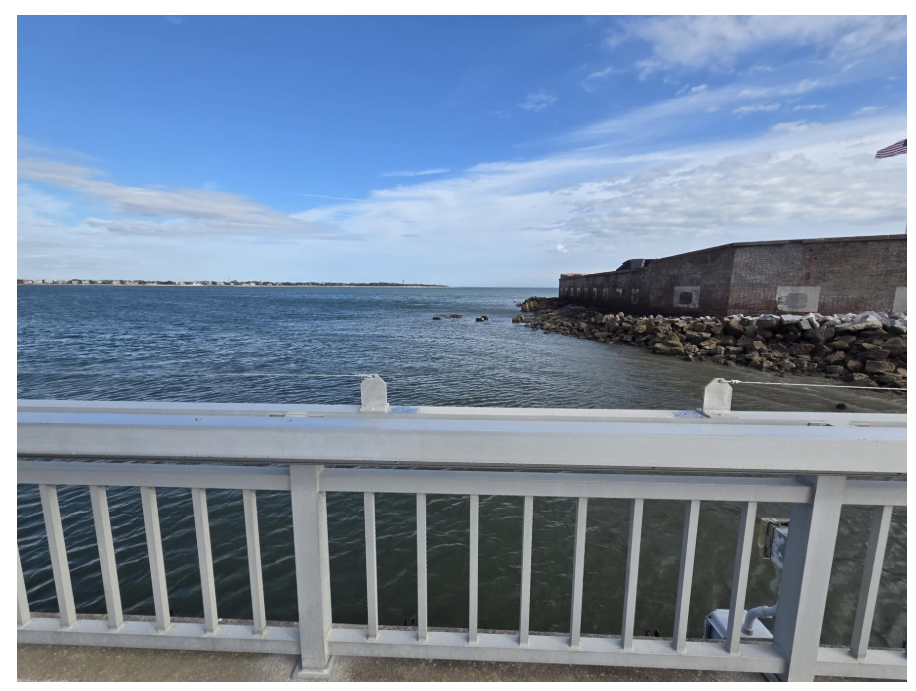
Fort Sumter pier after Climate Change sign removal
+1 more

Photo: Save Our Signs (public domain)

On April 12, 1861, at 4:30 a.m., Confederate batteries opened fire on Fort Sumter in Charleston Harbor, marking the official beginning of the American Civil War that would last four years and cost over 620,000 lives.

Union Major Robert Anderson commanded a garrison of only 90 men when Confederate forces under General P.G.T. Beauregard attacked. The bombardment lasted 34 straight hours before Anderson surrendered; Confederate forces occupied the fort for the next four years. Fort Sumter and Fort Moultrie National Historical Park now preserves two key Civil War sites in Charleston Harbor.

From the internal review records: “Please review climate change wayside located on the dock at Fort Sumter as a stand alone sign for compliance with SO/EO. This is the first sign seen as visitors get off the tour boat and make their way to the fort. Fort Sumter sits on a man-made island at the entrance to Charleston Harbor (South Carolina). The island and fort are impacted by numerous storms, hurricanes and coastal flooding. We hav...”

The content at Fort Sumter and Fort Moultrie NHP has been confirmed removed. What was once publicly accessible historical interpretation — developed over years by professional historians and park staff — has been taken down with no public record of what was changed or why.

Why this matters: Fort Sumter marks the moment the nation fractured—where political crisis became military conflict that defined American history. Over 500,000 people visit this site each year.

Civil War Climate & Environment
Exact Text Targeted for Removal
What Was Flagged for Review

Please review climate change wayside located on the dock at Fort Sumter as a stand alone sign for compliance with SO/EO. This is the first sign seen as visitors get off the tour boat and make their way to the fort. Fort Sumter sits on a man-made island at the entrance to Charleston Harbor (South Carolina). The island and fort are impacted by numerous storms, hurricanes and coastal flooding. We have had complaints about this sign since it went up almost 10-15 years ago.

View on map →
Entry #811 CONFIRMED REMOVED

Flagged for Review: Publications (1 items)

"Climate Change" (After)
"Bottle Filling Station" (After)
+2 more

On April 12, 1861, at 4:30 a.m., Confederate batteries opened fire on Fort Sumter in Charleston Harbor, marking the official beginning of the American Civil War that would last four years and cost over 620,000 lives.

Union Major Robert Anderson commanded a garrison of only 90 men when Confederate forces under General P.G.T. Beauregard attacked. The bombardment lasted 34 straight hours before Anderson surrendered; Confederate forces occupied the fort for the next four years. Fort Sumter and Fort Moultrie National Historical Park now preserves two key Civil War sites in Charleston Harbor.

From the internal review records: “Please review the site bulletin on Lowcountry Slavery and the Middle Passage for compliance with the SO/EO. The park interpretive theme from the Foundation Document that justifies this is:”

The content at Fort Sumter and Fort Moultrie NHP has been confirmed removed. What was once publicly accessible historical interpretation — developed over years by professional historians and park staff — has been taken down with no public record of what was changed or why.

Why this matters: Fort Sumter marks the moment the nation fractured—where political crisis became military conflict that defined American history. Over 500,000 people visit this site each year.

Slavery & Enslaved People Civil War
Exact Text Targeted for Removal
What Was Flagged for Review

Please review the site bulletin on Lowcountry Slavery and the Middle Passage for compliance with the SO/EO. The park interpretive theme from the Foundation Document that justifies this is:

Fort Sumter and Fort Moultrie NHP interprets the former sites of Gadsden’s Wharf and quarantine stations on Sullivan’s Island, where approximately 40% of all enslaved Africans transported to America disembarked, providing important connections between the history of the slave trade and the experiences of enslaved people in America.
View on map →

News Sources

Verified
📰
New York Times Park Service Erases Climate Facts at Fort Sumter Jan 22, 2026

Share this page

Explore the Full Map

See all 874+ entries across every national park and wildlife refuge.

Open Interactive Map →