Great Smoky Mountains National Park
Park History
Sourced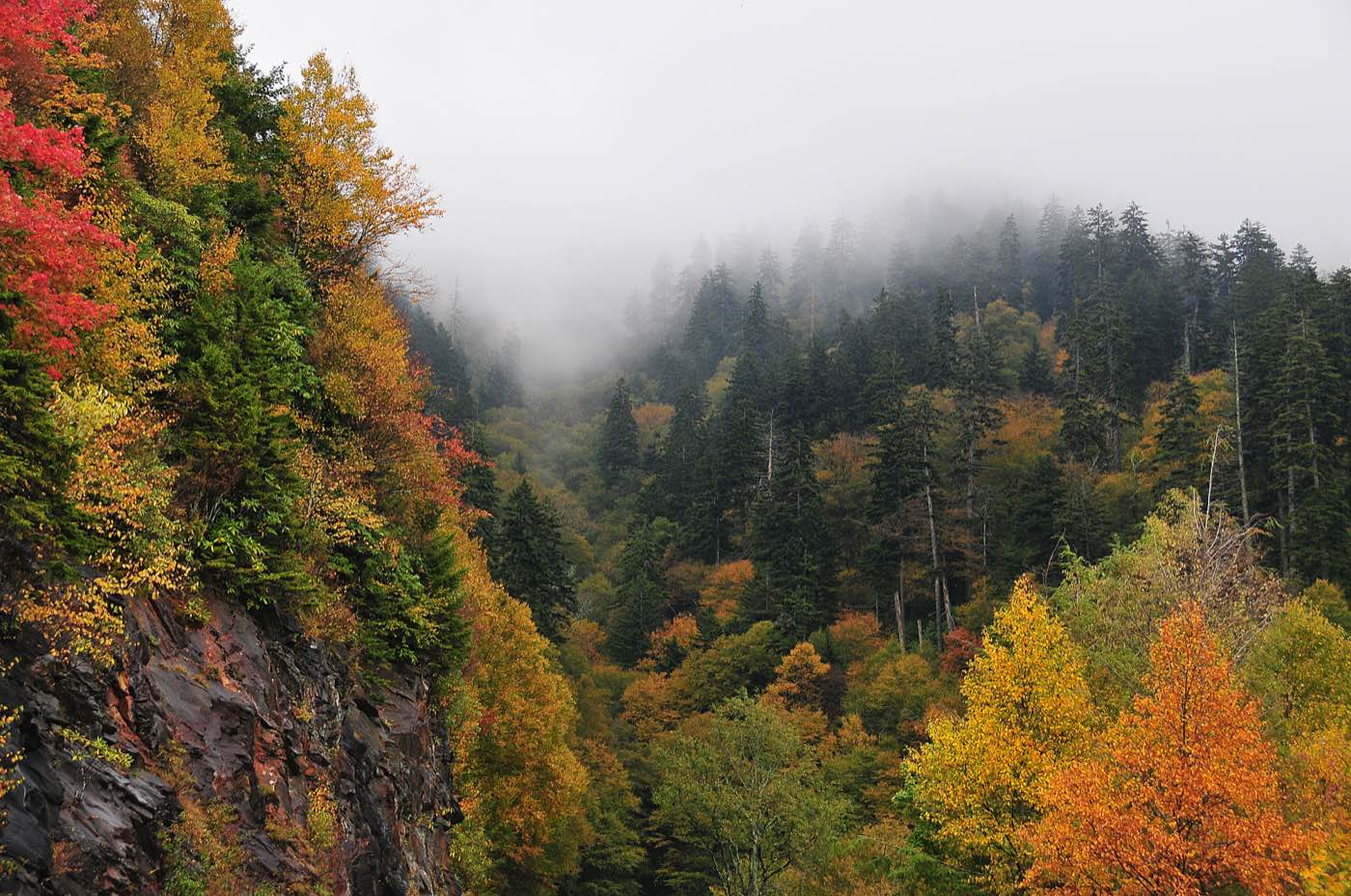
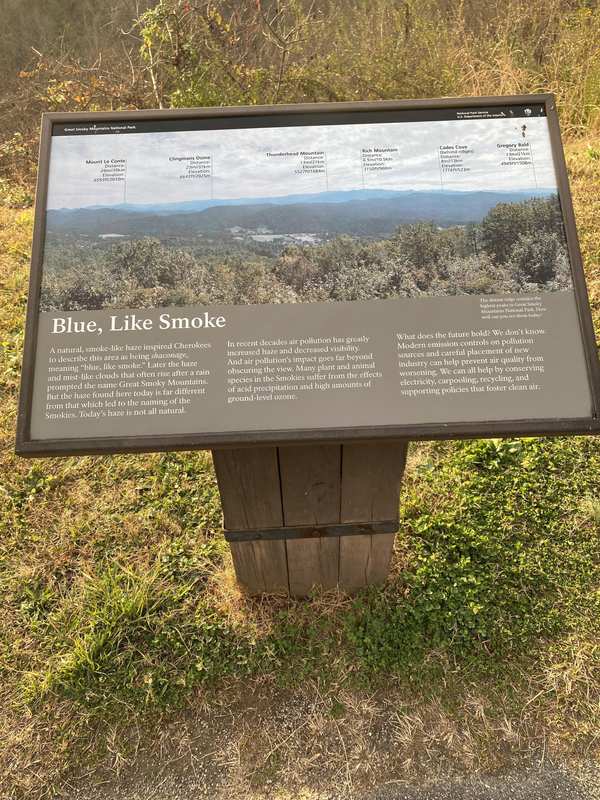
Great Smoky Mountains National Park spreads across more than 800 square miles of ancient mountains on the North Carolina–Tennessee line, from 850 feet to 6,643 feet at Clingmans Dome. More than 19,000 species have been documented there, and the park brochure counts more tree species than in northern Europe. The Cherokee called these mountains shaconage, “blue, like smoke.” People have lived in and around them for more than 9,000 years. The 2016 foundation document counted about 11 million visitors a year, up from about 9 million for most of the preceding decade. [1] [2]
Amid alarm at commercial logging threats to the forests, Congress authorized the park on May 22, 1926; it was established in 1934, among the first national parks assembled from private lands, bought with money from North Carolina, Tennessee, private citizens and groups, and schools. The cost fell on the people who lived there. Theodore Catton’s 2008 administrative history calls it the largest displacement of resident people in national park history: historian Margaret Brown estimated 5,665 people left some 1,133 farms between the late 1920s and early 1940s, and other estimates run as high as 6,000 to 7,000. A myth born in park circles held that none of the land was condemned; Catton calls it false: both states’ park commissions and the federal government used eminent domain, most often as a threat and sometimes in court. [1] [2] [3]
Indigenous peoples
The Cherokee farmed the land, built log homes and used fire to create farmland and improve browse for game; the park brochure says the newcomers took their land, and most members of today’s Eastern Band of Cherokee descend from those not forcibly removed in the 1830s. Catton traces that survival to the Qualla, a band that dissented from the 1835 Treaty of New Echota and resisted removal, and in 1836 entrusted their “white chief,” William Thomas, to win them the right to stay in North Carolina; they received federal recognition as the Eastern Band two years after becoming federal wards in 1868. About 2,200 strong when the park was established in the 1930s, the tribe had about 13,400 enrolled members, on a reservation of some 56,000 acres bordering the park, when Catton wrote in 2008. A park–tribe land exchange first raised in 1931 was concluded only in 1940. [2] [3]
Black history
The Civilian Conservation Corps in the park was segregated: in March 1935 all 17 CCC companies in the park were white, and Catton writes that it appears no Black company was deployed there. In the fall of 1941, with campground checking stations recording about 200 African American visitors a year, Superintendent J. R. Eakin proposed a separate campground and picnic area for them; Catton reads the aim as keeping the other campgrounds white. The regional director refused, the campgrounds were never segregated, and Catton credits Interior Secretary Harold Ickes, who wanted non-segregation extended to southern parks. In the early 1960s, when nearly every motel and restaurant in Gatlinburg refused Black customers, Superintendent Overly told local owners to open their doors or the government would build a hotel at Sugarlands. The 2016 foundation document still found the park’s interpretation of the African American story inadequate and listed research on that history as a need. [3] [1]
Slavery
Abraham Enloe, originally a South Carolinian, acquired land in the Oconaluftee Valley near what historian Robert S. Lambert, writing in 1958, called the Lufty Ranger Station, and most of his nine sons married and settled nearby. In Lambert's account most of the valley's farm labor came from farm families themselves, but “several farmers in the valley were prosperous enough to own a few slaves”: Samuel Sherill and Abraham Enloe each held five enslaved people in 1829. The few people the valley's farmers enslaved, Lambert judged, “seem to have been used for domestic service rather than as field hands.”[4]
Climate & environment
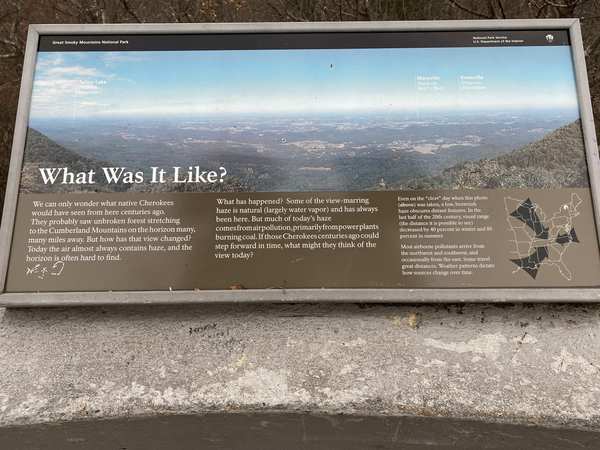
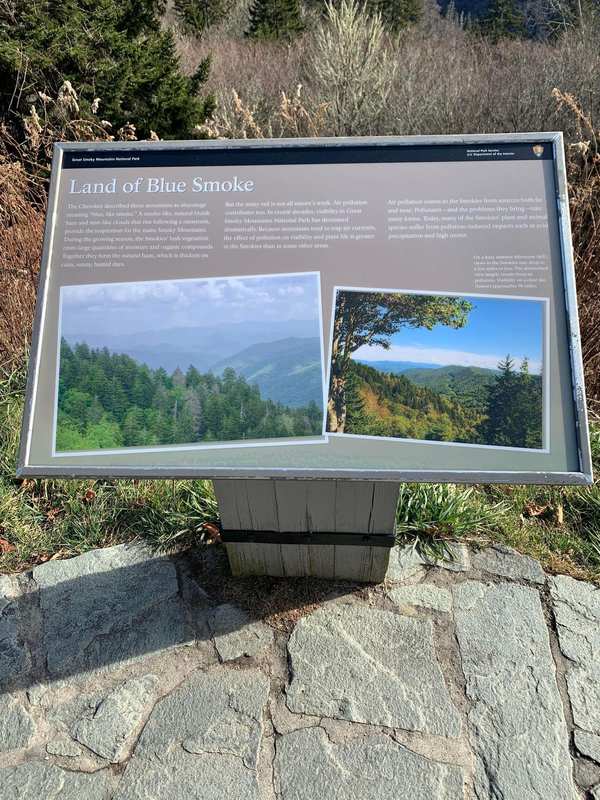
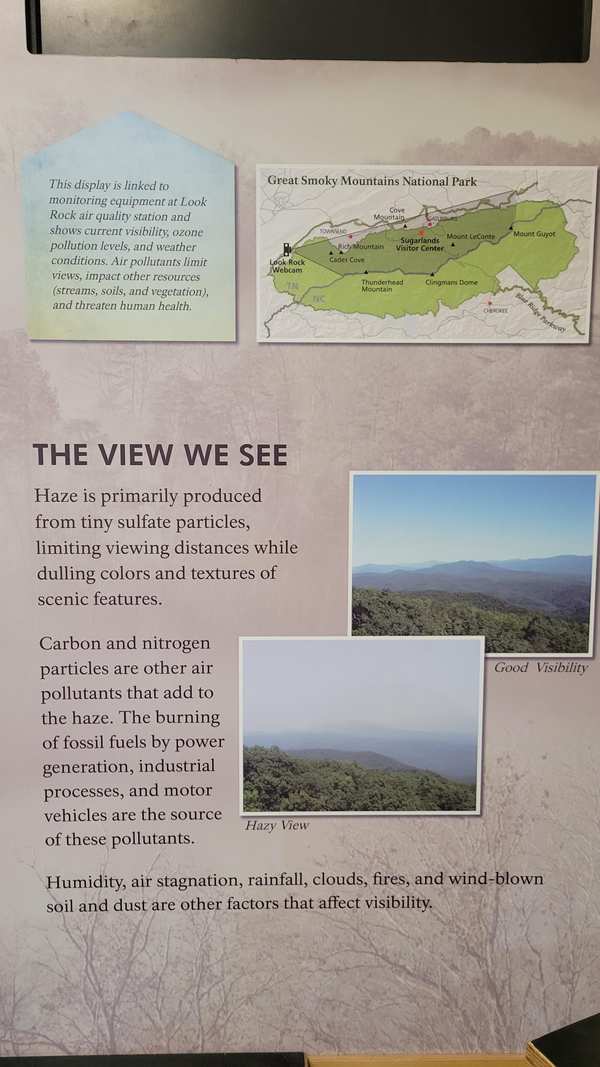
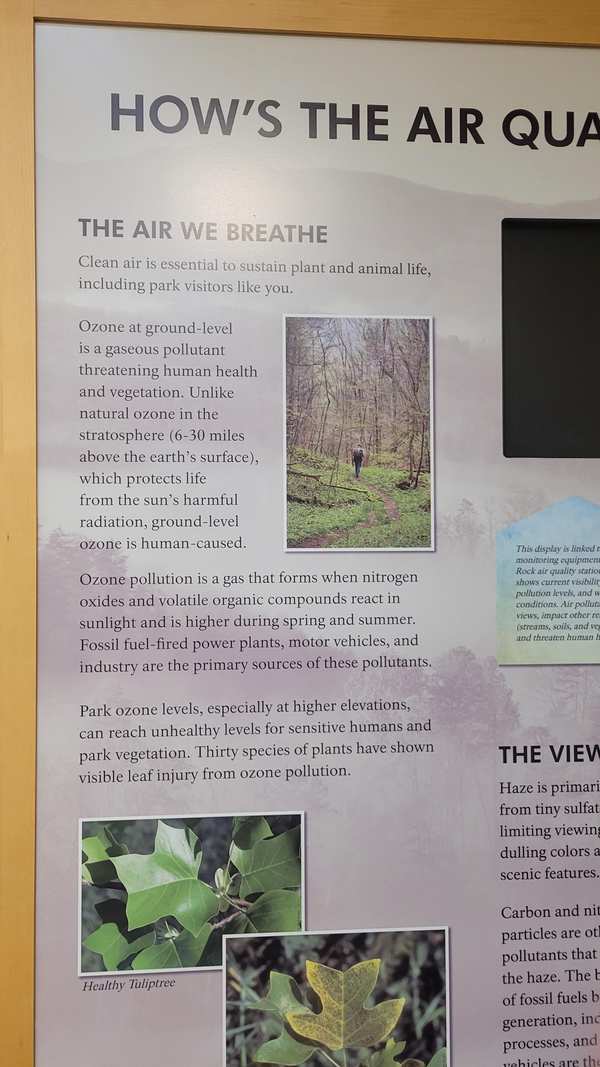
The balsam woolly adelgid, an insect from Europe, killed most mature Fraser firs in the park within 45 years, in a park once home to 75 percent of all Fraser firs in the world; the hemlock woolly adelgid has infested and is killing hemlocks throughout the park. A 2010 Park Service briefing reported some of the highest measured air pollution of any national park: 264 unhealthy ozone days since 1997 under the older 85 ppb standard, visible ozone damage on over 30 plant species, worst-day visibility near 15 miles against a natural 77, and twelve Tennessee-side streams listed as impaired for low pH from acid deposition. The 2016 foundation document records a 50-year warming trend, earlier spring warming and later frost, and warns that climate change may shrink the range of some vegetation communities. [2] [5] [1]
Labor & the New Deal
In March 1933 there were 75 men on relief work in the park; within a year and a half there were 4,350, most of them Civilian Conservation Corps enrollees. The park eventually had 22 main CCC camps, more than twice as many as any other unit in the system. Most enrollees were from the South and many from the local area, a substantial number of them mountaineers who lived within the park, and some foremen came from Cades Cove and Smokemont. Crews removed dead chestnut trees, built hundreds of miles of foot and horse trails, campgrounds, a fish hatchery, footbridges and fire lookouts; stone bridges at Sugarlands and the Oconaluftee Ranger Station survive. Some 500 Eastern Band Cherokee sought work in the separate CCC-Indian Division and about 100 found it, mostly on erosion control on Qualla Boundary lands. [3]
Sources
- Foundation Document, Great Smoky Mountains National Park, North Carolina-Tennessee (NPS, October 2016)
- NPSHistory.com: Great Smoky Mountains National Park archive page — overview (from the NPS brochure) and establishment block
- Catton, A Gift for All Time: Great Smoky Mountains National Park Administrative History (2008)
- Robert S. Lambert, "The Oconaluftee Valley, 1800-1860: A Study of the Sources for Mountain History," North Carolina Historical Review 35, no. 4 (1958), archived on NPSHistory.com
- NPS Briefing Statement: Air Quality Issues, Great Smoky Mountains National Park (April 26, 2010)
Updated 2026-10-18: Slavery section added at the owner's request (Enloe). Written by the lead directly from Lambert 1958 (NCHR 35:4, pp. 420-421, archived on NPSHistory), each sentence checked against the page text; no source found for the Enloe slave cemetery itself, so it is not mentioned.
Removed Per Nps Court Filing: Exhibit panels (2 items)
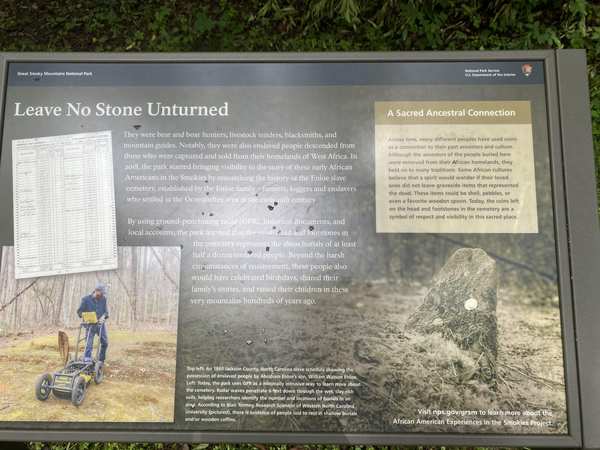
The story of Great Smoky Mountains NP is inseparable from the lives of the people who were enslaved here. For generations, their stories went untold. The interpretive materials now targeted for review were created to ensure these voices would finally be heard.
From the flagged wayside text: “(A Sacred Ancestral Connection: [NPS review record] Across time, many different peoples have used coins as a connection to their past ancestors and culture. Although the ancestors of the people buried here were removed from their African homelands, they held on to many traditions. Some African cultures believe that a spririt would wander if their loved ones did not leave graveside items that represented the dead. The...”
Why this matters: The history of slavery at Great Smoky Mountains NP was suppressed for generations. The materials now being targeted represent decades of work by historians, descendants of enslaved people, and community advocates to ensure these stories are finally told. Removing them would re-erase history that has only recently been acknowledged.
- “Interior exhibit” — removed per NPS court filing
- Interior exhibit; reason: Unrelated to beauty, abundance, and grandeur of the natural landscape; now: At the park
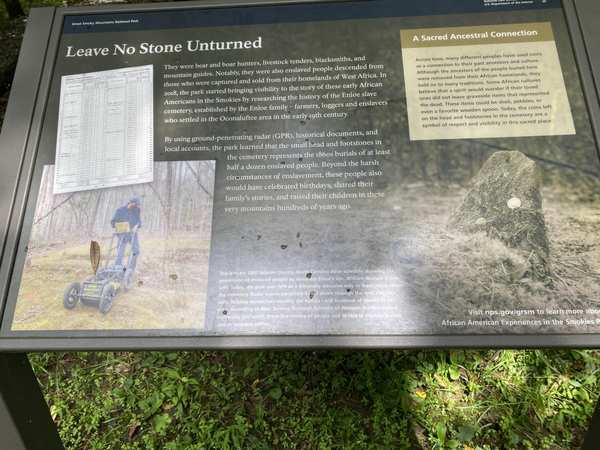
Title: Leave No Stone Unturned
Text: They were bear and boar hunters, livestock tenders, blacksmiths, and mountain guides. Notably, they were also enslaved people descended from those who were captured and sold from their homelands of West Africa. In 2018, the park started bringing visibility to the story of these early African Americans in the Smokies by researching the history of the Enloe slave cemetery, established by the Enloe family - farmers, loggers and enslavers who settled in the Oconaluftee area in the early 19th century.
By using ground-penetrating radar (GPR), historical documents, and local accounts, the park learned that the small head and footstones in the cemetery represents the 1860s burials of at least half a dozen enslaved people. Beyond the harsh circumstances of enslavement, these people also would have celebrated birthdays, shared their family's stories, and raised their children in these very mountains hundreds of years ago. (A Sacred Ancestral Connection: Across time, many different peoples have used coins as a connection to their past ancestors and culture. Although the ancestors of the people buried here were removed from their African homelands, they h...
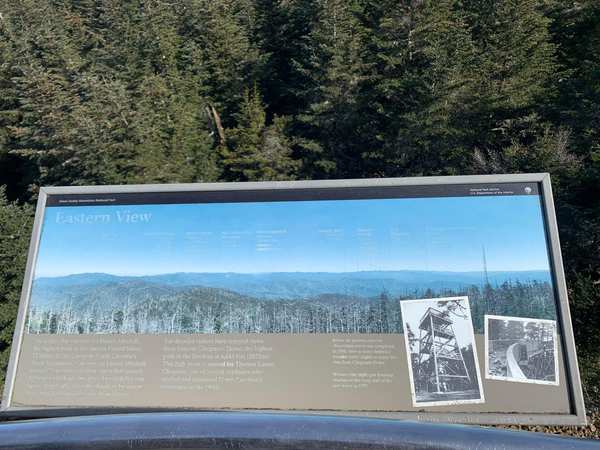
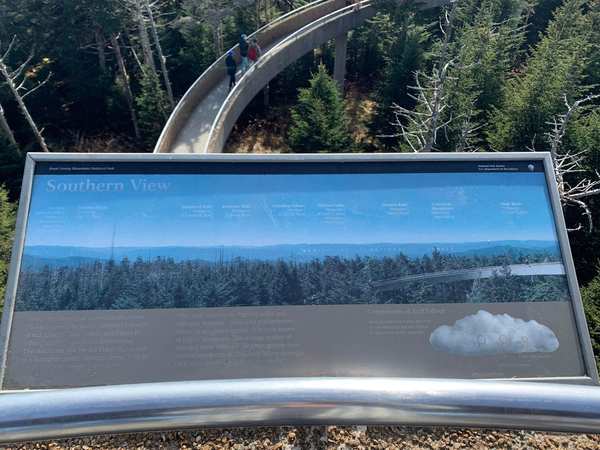
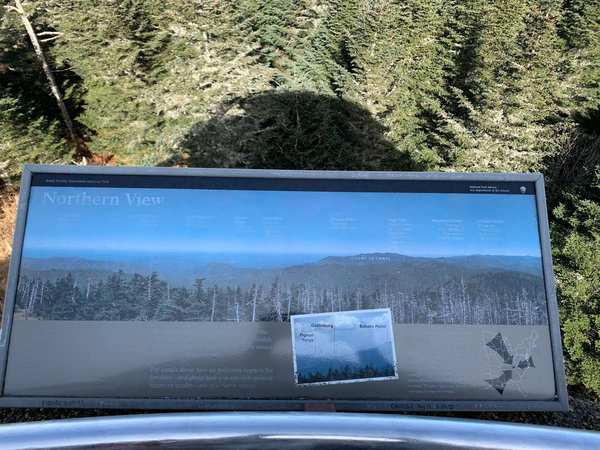
Photographs attached to this park's records in the leaked NPS review database.
Explore the Full Map
See all 446 entries across every national park and wildlife refuge.
Open Interactive Map →