Lower Delaware Wild and Scenic River
NPS History
NPSHistory.comThe Lower Delaware Wild and Scenic River protects a 67.3-mile free-flowing segment of the Delaware River from the confluence of the Lehigh River at Easton, Pennsylvania, to the Washington Crossing National Historic Landmark. Added to the National Wild and Scenic Rivers System in 2000, this stretch of the Delaware flows through steep forested gorges and pastoral valleys along the Pennsylvania–New Jersey border. The river corridor is steeped in Revolutionary War history — most famously, General George Washington's crossing of the Delaware on December 25–26, 1776, for the surprise attack on Hessian forces at Trenton. The river also supports important migratory fish populations, including American shad, and provides drinking water for over 15 million people in the greater Philadelphia and New York metropolitan areas.
📚 Learn More at NPSHistory.com →Flagged for Review: Film/video (8 items)
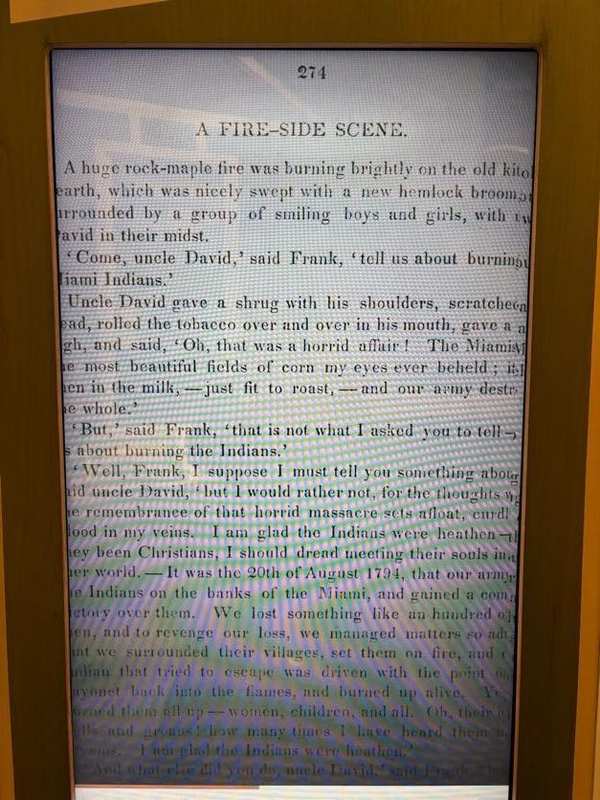
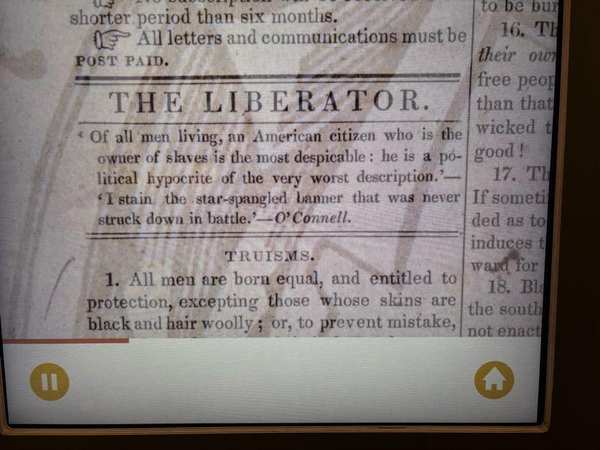
The story of Lower Delaware Wild and Scenic River is inseparable from the lives of the people who were enslaved here — including Lowell Offering, Native Americans, Gilded Age. For generations, their stories went untold. The interpretive materials now targeted for review were created to ensure these voices would finally be heard.
From the internal review records: “b. Video 4, Image of Lowell Offering – description of burning Native Americans (Attachment: 1b – Video 4)”
Why this matters: The history of slavery at Lower Delaware Wild and Scenic River was suppressed for generations. The materials now being targeted represent decades of work by historians, descendants of enslaved people, and community advocates to ensure these stories are finally told. Removing them would re-erase history that has only recently been acknowledged.
Films would not upload to reporting tool. To request the videos please reach out to the park
1 – Cultural Expression) a. Video 2, Image of a newspaper – critique of slave owners (Attachment: 1a – Video 2) b. Video 4, Image of Lowell Offering – description of burning Native Americans (Attachment: 1b – Video 4)
2 - Adapt a. Video 1 – addresses treatment of Native Americans (No attachment) b. Video 2 – images of enslaved people (No attachment) c. Video 3 – addresses treatment of indentured servants
The Continuing Revolution – critique of harm caused by industrial byproducts and exploitation of natural resources around the 1:30 and 12:30 marks (URL: https://www.youtube.com/watch?v=HdVU85zBZXE)
Flagged for Review: Interpretive materials
At Lower Delaware Wild and Scenic River, the National Park Service has worked for years to document and interpret the history of slavery at this site — a history that was ignored for much of the park's existence. The exhibits, waysides, and publications now under review represent a hard-won commitment to telling the complete American story.
Among the content targeted: “Quiet as the Grave” — language that the administration has flagged for review under its directive to review historically accurate interpretive materials.
Why this matters: The history of slavery at Lower Delaware Wild and Scenic River was suppressed for generations. The materials now being targeted represent decades of work by historians, descendants of enslaved people, and community advocates to ensure these stories are finally told. Removing them would re-erase history that has only recently been acknowledged.
1 – Damming the Merrimack)
2 – Lighting Lowell)
3 – Little Canada)
4 – Mile of Mills)
5 – Quiet as the Grave”)
6 – River of Death)
7 – The Acres Irish)
8 – Using the Merrimack)
9 – The Concord River)
Flagged for Review: Exhibit panels (26 items)
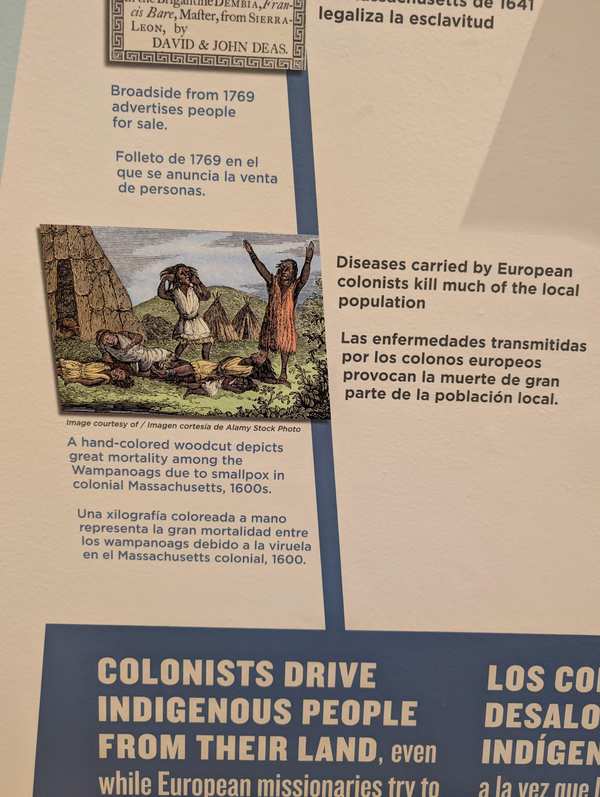
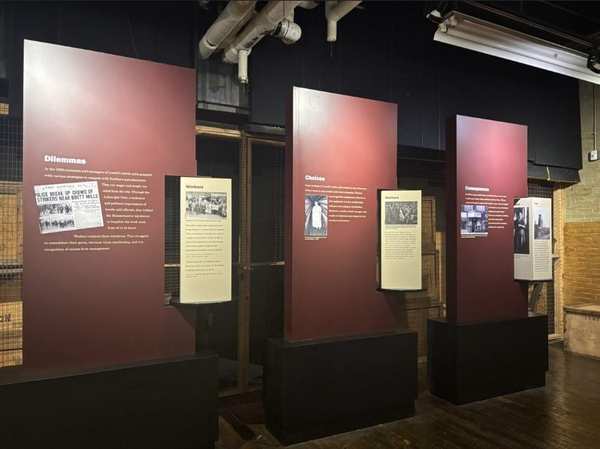
The story of Lower Delaware Wild and Scenic River is inseparable from the lives of the people who were enslaved here — including Native Americans. For generations, their stories went untold. The interpretive materials now targeted for review were created to ensure these voices would finally be heard.
From the internal review records: “3. Boott 2nd Floor – treatment of workers by mill owners, using the threat of losing their job to influence how they would vote (Attachments: 03a – Boott 2nd Floor and 02b – Boott 2nd Floor)”
Why this matters: The history of slavery at Lower Delaware Wild and Scenic River was suppressed for generations. The materials now being targeted represent decades of work by historians, descendants of enslaved people, and community advocates to ensure these stories are finally told. Removing them would re-erase history that has only recently been acknowledged.
01a – Boott 2nd Floor; 01b – Boott 2nd Floor; and 01c – Boott 2nd Floor)
02a – Boott 2nd Floor and 02b – Boott 2nd Floor)
03a – Boott 2nd Floor and 02b – Boott 2nd Floor)
04a – Boott 2nd Floor and 04b – Boott 2nd Floor)
05a – Boott 2nd Floor and 05b – Boott 2nd Floor)
06a – Boott 2nd Floor and 05a – Boott 2nd Floor)
07a – Boott 2nd Floor; 07b – Boott 2nd Floor; and 07c – Boott 2nd Floor)
08a – Boott 2nd Floor and 09b – Boott 2nd Floor)
10a – Boott 2nd Floor and 08a – Boott 2nd Floor)
11a – Boott 2nd Floor and 11b – Boott 2nd Floor)
12 – Visitor Center)
13 – Visitor Center)
14a – Boardinghouse and 14b – Boardinghouse)
16a – OCMC and 16b – OCMC)
17a – OCMC and 17b – OCMC)
18a – OCMC and 18b – OCMC)
19 – OCMC and 18b – OCMC)
20 – OCMC) a. Attachment: 20a – OCMC b. Attachment: 20b – OCMC c. Attachment: 20c – OCMC d. Attachment: 20d – OCMC
21a – OCMC; 21b – OCMC; and 20 – OCMC)
23a – OCMC and 18b – OCMC)
24a – OCMC and 20 – OCMC)
Explore the Full Map
See all 874+ entries across every national park and wildlife refuge.
Open Interactive Map →