Medgar and Myrlie Evers Home National Monument
Park History
Sourced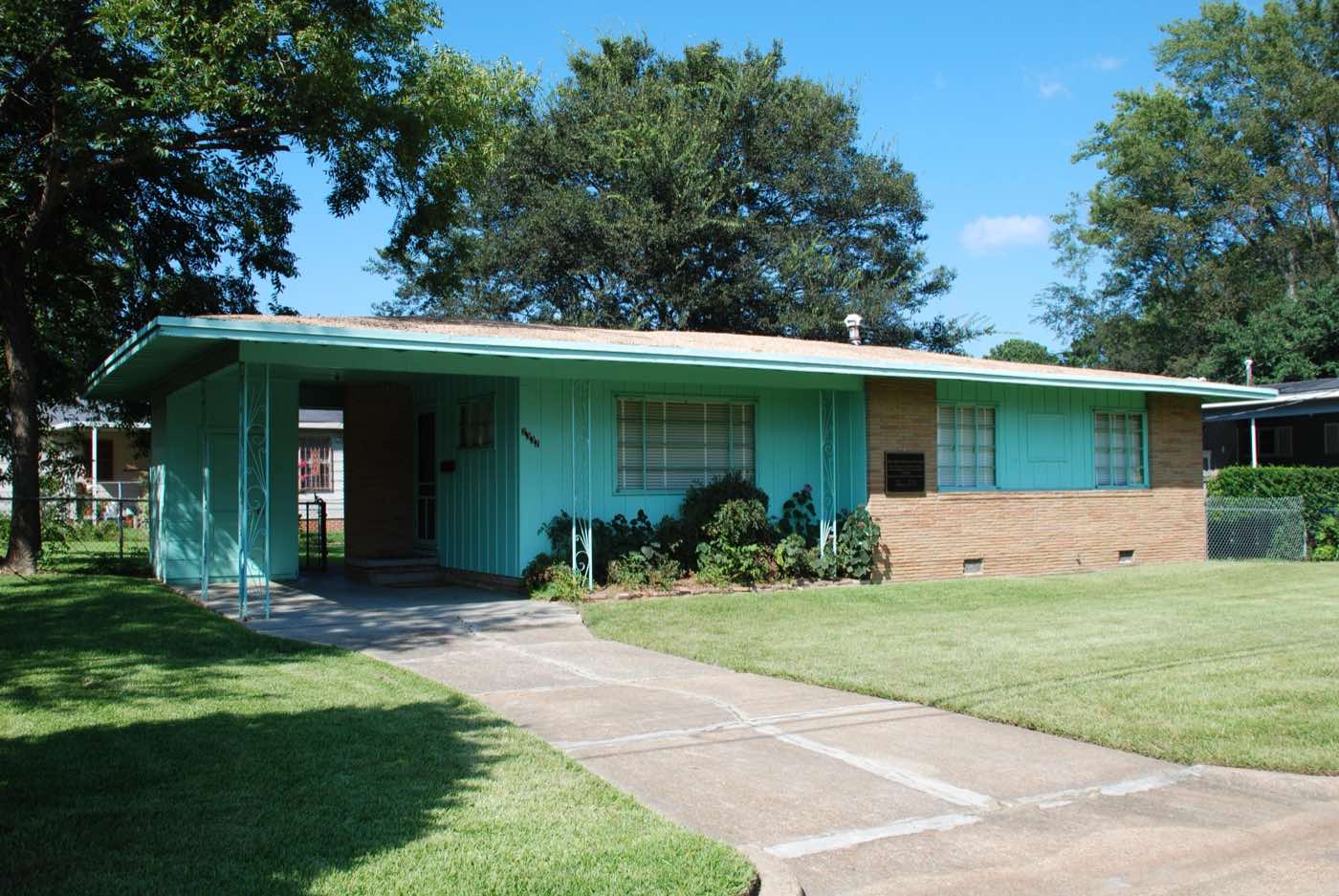
Shortly after midnight on June 12, 1963, Medgar Evers was shot in the carport of the house in Jackson, Mississippi, that he shared with his wife Myrlie and their three young children. The Park Service describes his death as the first murder of a nationally significant leader of the civil rights movement; it heightened public awareness of civil rights and became a catalyst for passage of the Civil Rights Act of 1964. [1]
The house itself records the danger the family lived with. Built in 1956, it stands in the Elraine Subdivision, the first post–World War II subdivision created for middle-class African Americans in Mississippi, developed by Black entrepreneur Winston J. Thompson with most houses built by Black builder Leroy Burnett. The couple turned down a corner lot they thought too exposed, chose a side entrance under the carport instead of a front door, and set furniture before the windows to block gunfire; Medgar taught the children to crawl infantry-style to the bathroom if they heard strange noises. The house also served as an extension of the NAACP office, where the couple hosted civil rights workers and sheltered African Americans threatened by white supremacists. [2] [1]
Myrlie Evers moved to California in 1964, rented the house out for thirty years and donated it in 1993 to Tougaloo College, which has operated it as a museum. It was designated a National Historic Landmark on December 23, 2016, authorized as a national monument on March 12, 2019, and established as a unit of the National Park System on November 9, 2020. The park’s foundation document calls the violation of the home a solemn reminder of the danger of unchecked racism and discrimination, which it says the country still struggles to eradicate. [2] [1] [3]
Women
The foundation document calls Medgar and Myrlie Evers committed and equal partners. Myrlie served as his secretary during his first two years as field secretary, then chose to stay home, where much of her time went to hosting civil rights leaders, often overnight, and sheltering Black victims of abuse and threats. After the assassination she became a national speaker for the NAACP, received its Spingarn Medal in July 1963 and testified at both of Beckwith’s 1964 trials. In California she earned a sociology degree from Pomona College in 1968, became the first African American woman on the Los Angeles Board of Public Works, chaired the NAACP board from 1995 to 1998, and in 2013 became the first woman to deliver a presidential inaugural invocation. [3] [2]
Black history
Medgar Evers, born in Decatur in 1925, served in segregated Army units in Europe during World War II. Refused admission to the University of Mississippi law school in 1954, he became the NAACP’s first field secretary in Mississippi, its first salaried post in the state, in January 1955, according to the landmark nomination; the foundation document gives 1954. He investigated racially motivated killings — in 1955 alone those of Emmett Till, the Rev. George Lee and Lamar Smith — took reporters to the crime scenes, and helped James Meredith enter the University of Mississippi in 1962. [2] [4] [3]
On May 28, 1963, a Molotov cocktail was thrown onto the carport. On June 12 a sniper fired from about 200 feet away. Byron De La Beckwith, whom the park describes as a white supremacist and a member of the segregationist White Citizens’ Council, was tried twice in 1964 before all-white, all-male juries that deadlocked; he was convicted of murder in 1994. [2] [5]
Sources
- NPSHistory.com: Medgar and Myrlie Evers Home archive page — overview (NPS website text, 2018) and establishment block
- Baughn, Medgar and Myrlie Evers House, National Historic Landmark nomination (December 2015; designated December 23, 2016)
- NPS, Foundation Document Overview, Medgar and Myrlie Evers Home National Monument (undated, map dated October 2022)
- NPS, Medgar and Myrlie Evers Home NM, “Campaigns and Causes” (last updated June 10, 2024)
- NPS, Medgar and Myrlie Evers Home NM, “People” (last updated June 13, 2022)
CONFIRMED REMOVED: Publications (1 items)
Medgar and Myrlie Evers Home National Monument in MS preserves a piece of American history that the public has trusted the National Park Service to protect and interpret. The visitor publications at this site have been developed over years by historians, subject-matter experts, and park staff — and are now being reviewed under Secretary's Order 3431.
From the internal review records: “(Sec. 2301) This section establishes the Medgar Evers and Myrlie Evers Home National Monument in Mississippi as an NPS unit to preserve, protect, and interpret the resources associated with the pivotal role of Medgar and Myrlie Evers in the civil rights movement. The NPS shall seek to enter into a cooperative agreement with Tougaloo College in Tougaloo, Mississippi, for interpretive and educationa...”
Why this matters: The civil rights history documented at Medgar and Myrlie Evers Home National Monument is not a matter of opinion — it is the factual record of how Americans fought for the rights promised by our founding documents. These events occurred within living memory. The people who marched, sat in, and sacrificed are still alive to tell their stories.
Update (February 5, 2026): Mississippi Today reported brochures were removed from the site, with planned edits to remove the word "racist" describing Byron De La Beckwith and references to Medgar Evers "lying in a pool of blood." Hours after press coverage, the original brochures were returned. However, park rangers were also instructed to stop referring to Beckwith as a "racist" on tours, and censored replacement brochures are still planned.
- brochures removed, then returned
- Junior Ranger book
- Junior Ranger book; reason: Disparages Americans past or living; now: Discarded
This site bulletin provides a park overview for MEMY. They do not yet have an official unigrid. This publication received approval from Reena Evers-Everette, daughter of Medgar and Myrlie Evers and director of park partner, The Medgar and Myrlie Evers Institute.
Note: The information about hours of operation and house tours needs to be updated before next printing.
Park Enabling legislation through Dingell Act: (Sec. 2301) This section establishes the Medgar Evers and Myrlie Evers Home National Monument in Mississippi as an NPS unit to preserve, protect, and interpret the resources associated with the pivotal role of Medgar and Myrlie Evers in the civil rights movement. The NPS shall seek to enter into a cooperative agreement with Tougaloo College in Tougaloo, Mississippi, for interpretive and educational programming services related to the monument. The NPS may enter into agreements with the owner of a nationally significant property within the Medgar Evers Historic District to identify, mark, interpret, and furnish technical assistance with respect to preserving and interpreting such property.
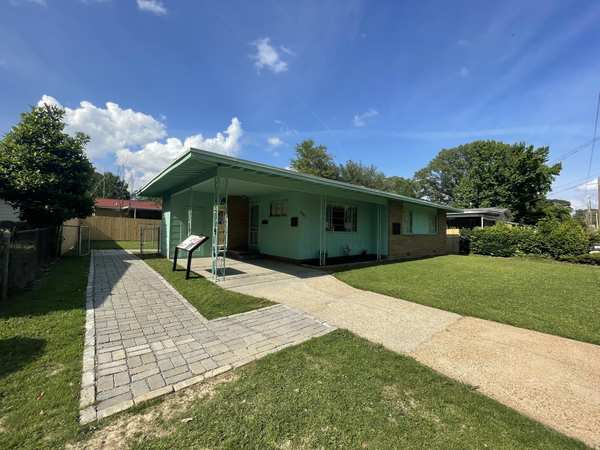
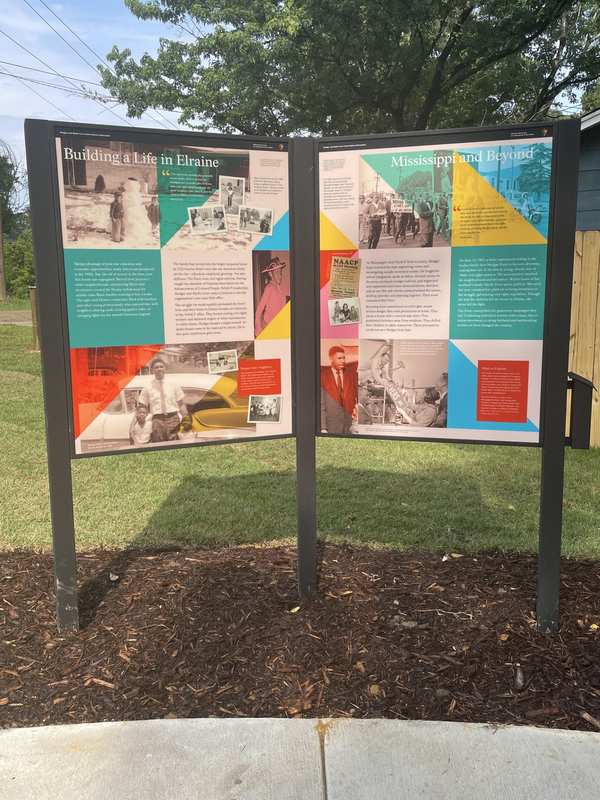
Photographs attached to this park's records in the leaked NPS review database.
News Sources
VerifiedExplore the Full Map
See all 446 entries across every national park and wildlife refuge.
Open Interactive Map →