National Mall
Park History
Sourced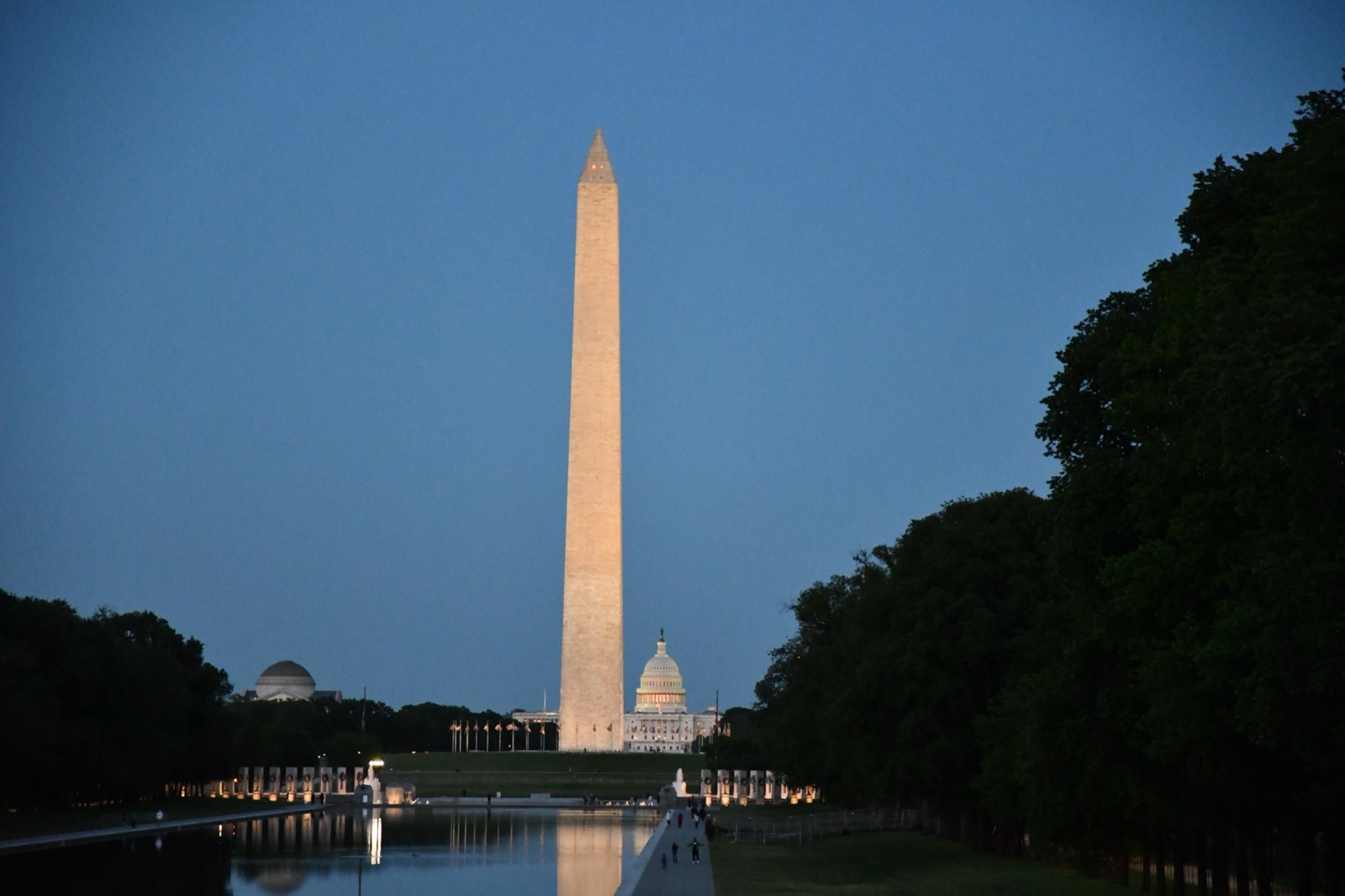
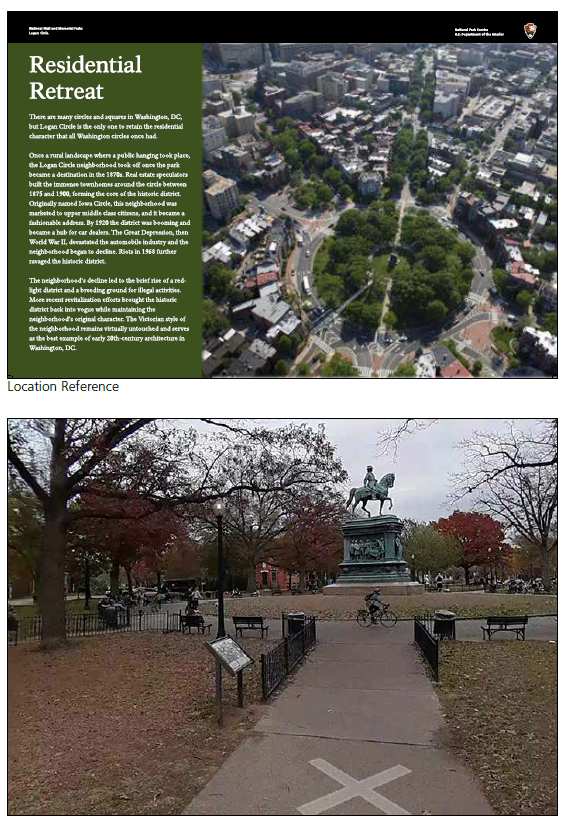
For more than two centuries the National Mall — the great green swath that runs from the foot of the U.S. Capitol to the Potomac River — has been the nation’s premier civic and symbolic space. National Mall and Memorial Parks cares for it and more than 1,000 acres of parkland across Washington: the Washington Monument and the Lincoln, Jefferson, Roosevelt, King, Korean War, Vietnam Veterans, World War I and World War II memorials, Ford’s Theatre, Pennsylvania Avenue, and more than 150 circles, squares and small reservations, from the African American Civil War Memorial to Logan Circle. [1] [2]
Its open spaces are as old as the capital: Pierre L’Enfant’s 1791 plan, commissioned by President Washington, laid them out as a stage for remembrance, celebration and the exercise of First Amendment rights, and federal review bodies are still charged with protecting both it and the 1901 McMillan Plan. For decades the federal government largely neglected the Mall itself; after its oak forest was cleared in the 1810s it became eroded scrubland where pigs and cows grazed. The parks passed to the National Park Service in 1933, and today they draw more than 33 million visitors a year to a place that, in the Park Service’s words, hosts history in the making — from presidential inaugurals to civil rights demonstrations. [2] [3]
Women
On March 3, 1913, the day before Woodrow Wilson’s inauguration, the National American Woman Suffrage Association’s Woman Suffrage Procession, organized by Alice Paul and Lucy Burns, marched down Pennsylvania Avenue from the Capitol toward the Treasury. A crowd of about 250,000 spilled into the street; men heckled, spat on and assaulted the marchers while police proved unable or unwilling to control them. The protests kept coming. Paul and Burns joined Alva Belmont in founding the National Woman’s Party in 1916, and through 1917 more than 1,000 women picketed the White House; between June and November police arrested 218 of them for “obstructing sidewalk traffic.” Wilson signaled support for the suffrage amendment in January 1918, and the Nineteenth Amendment was ratified in 1920. The Park Service’s 2024 study credits the 1913 march with further establishing Washington as a national stage for large-scale demonstration. [3]
Black history
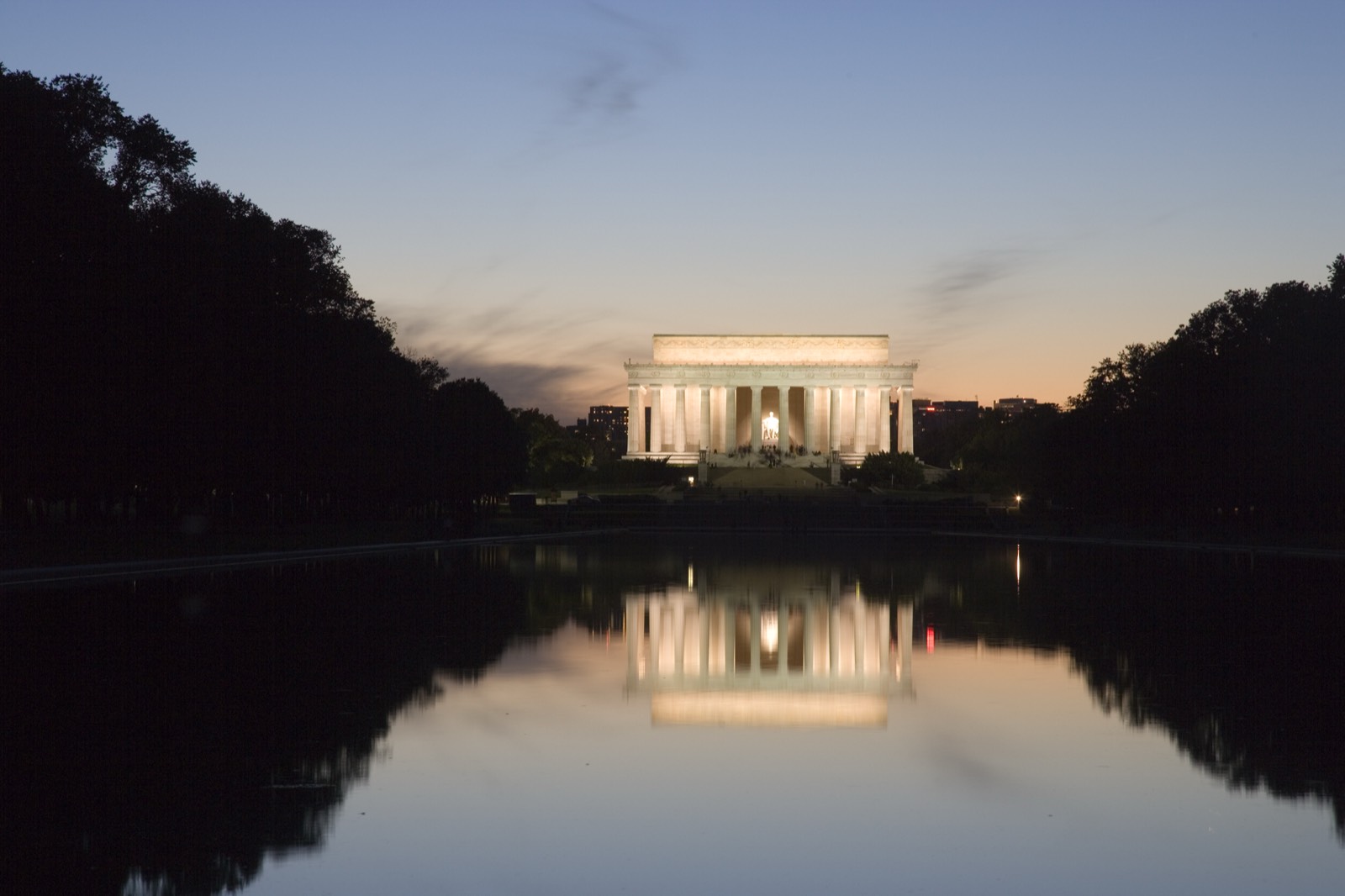
In 1939 the Daughters of the American Revolution refused to let the African American opera singer Marian Anderson sing at Constitution Hall, which kept a White-performers-only policy; the segregated D.C. school board also turned her away. Organizers turned instead to the Lincoln Memorial, and Interior Secretary Harold Ickes, whose Park Service managed it, handled most of the arrangements. On Easter Sunday, April 9, 1939, Anderson sang from the memorial’s steps to an integrated crowd of 75,000 that stretched toward the Washington Monument. The study quotes historian Scott Sandage’s judgment that with the concert the civil rights movement began to develop a strategy of mass, symbolic protest. On August 28, 1963, more than 200,000 people marched from the Washington Monument to the Lincoln Memorial for the March on Washington for Jobs and Freedom; Anderson opened it with the national anthem, and Martin Luther King Jr. delivered “I Have a Dream.” [3]
Slavery
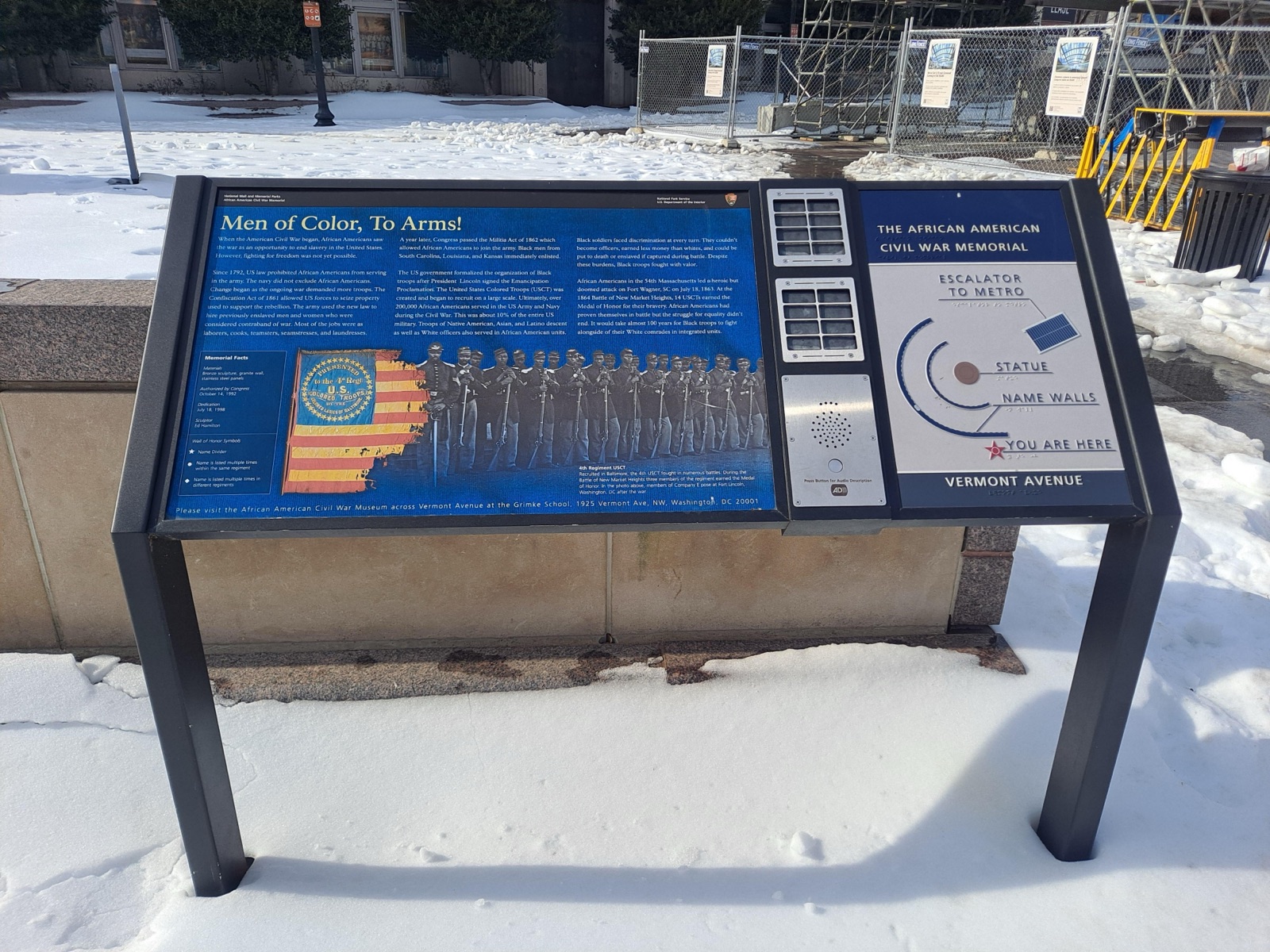
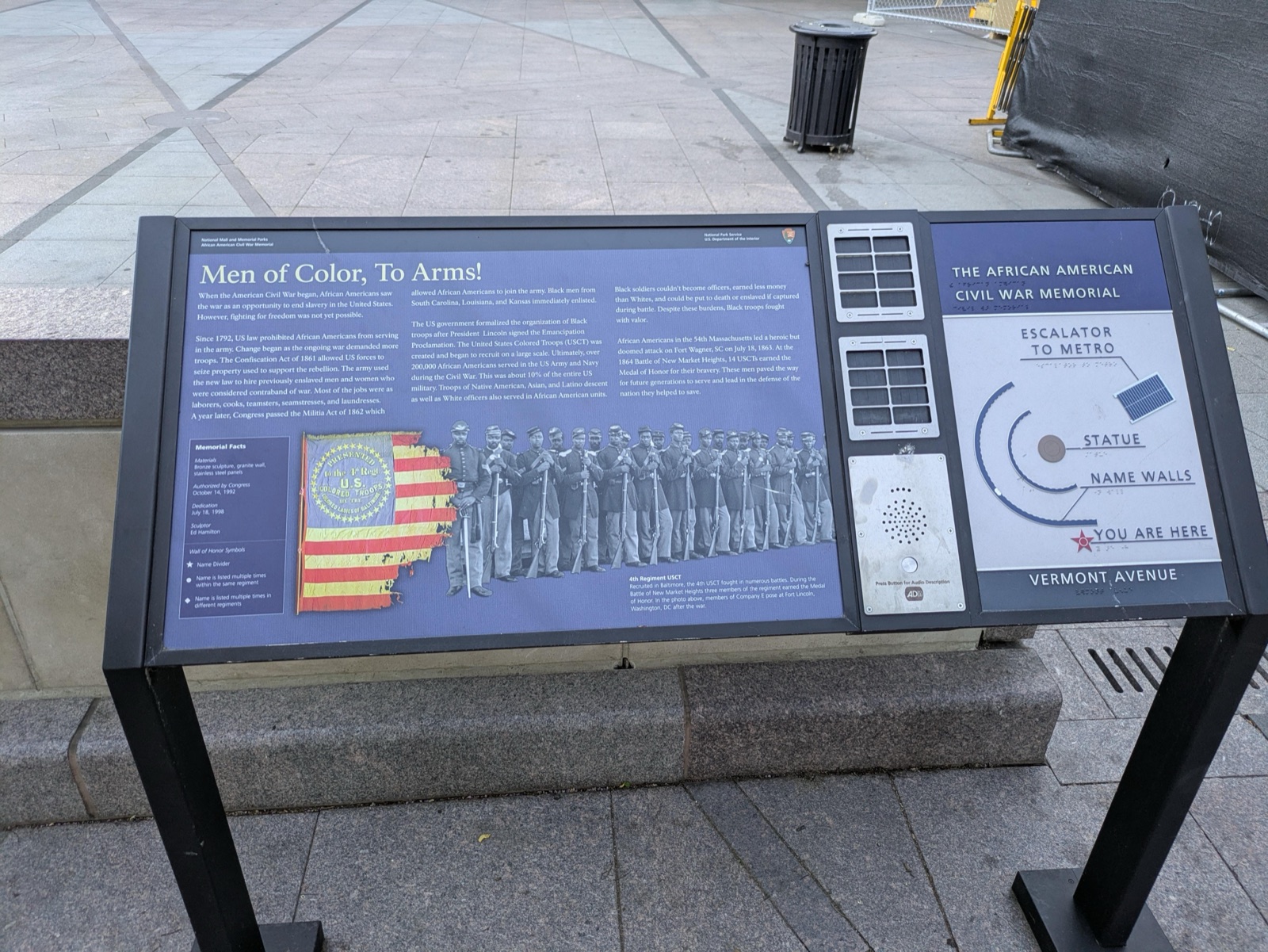
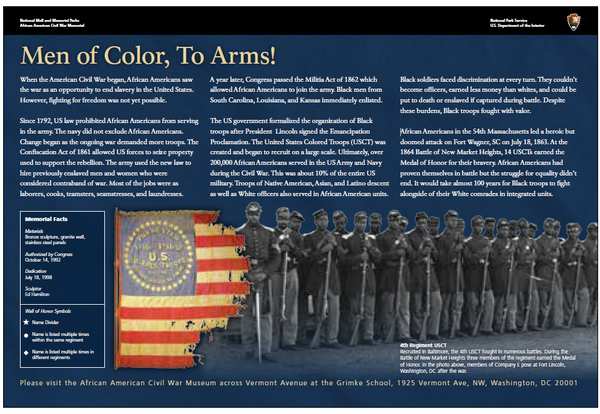
In the early nineteenth century, the 2024 historic resource study notes, the horror of American slavery was on full display on the Mall: pens holding enslaved people stood at its edge at 7th Street NW, and coffles of enslaved men and women, chained together, were marched across it to the loading docks on the Potomac. [3] North of the Mall, at Vermont Avenue and U Street NW, the African American Civil War Memorial honors the more than 200,000 Black soldiers and sailors who served in the U.S. Army and Navy during the Civil War — service that, the foundation document says, helped end the war and free more than four million enslaved people. The memorial’s curved walls carry the names of the men who served. [2]
Climate & environment
Part of the park sits on ground taken from the river: West and East Potomac parks were built on reclaimed land, and the 2017 foundation document reports that the seawalls built to keep the water out are crumbling and failing. Both parks remain vulnerable to river flooding and sea level rise even with portions of the Potomac Park levee completed; the park’s own headquarters lay below the normal high tide line, where high water had become a regular occurrence, and the area around the Tidal Basin is a major concern. The document expects the problem to be made worse by climate change’s effects on sea level and storm surges, and calls it a critical issue for the park. [2]
Sources
- NPSHistory.com: National Mall and Memorial Parks archive page — overview (NPS website, 2020) and establishment block
- Foundation Document, National Mall and Memorial Parks, District of Columbia (NPS, 2017)
- Babin, Mitchell & Reiss, Historic Resource Study: Events and Celebrations on the National Mall and President’s Park South (NPS, November 2024)
CONFIRMED REMOVED: Interpretive materials
The National Mall stretches from the United States Capitol to the Lincoln Memorial — two miles of monuments, memorials, and public spaces that tell the story of American democracy, sacrifice, and the ongoing struggle for equal rights.
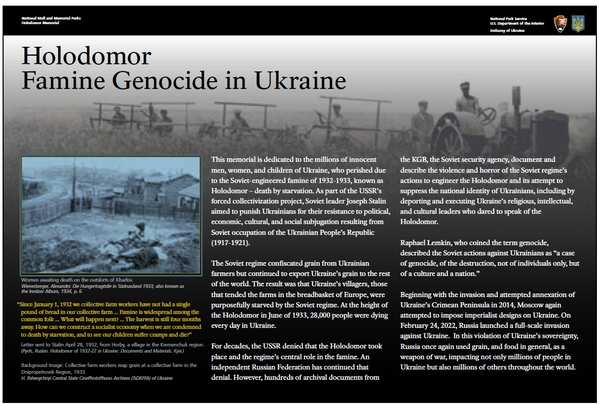
The Mall hosts the Vietnam Veterans Memorial, Korean War Veterans Memorial, World War II Memorial, Martin Luther King Jr. Memorial, and the African American Civil War Memorial. Over 24 million people visit the National Mall each year, making it the most-visited national park in the country. Park staff flagged their own waysides asking whether content about the Holodomor memorial and the African American Civil War Memorial 'meets the requirements' of the Secretary's Order.
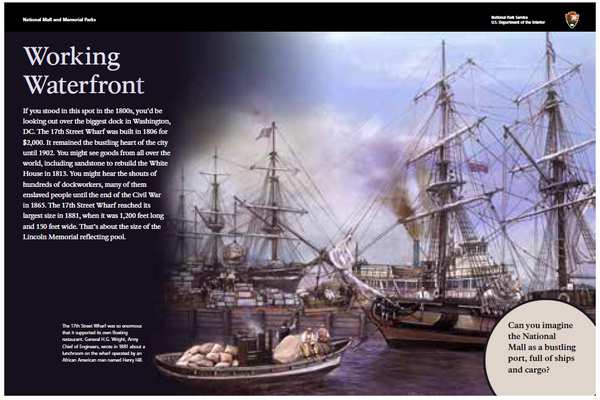
On the “Working Waterfront” wayside, staff asked reviewers: “Is the word ‘enslaved’ ok here?” The sentence in question reads: “You might hear the shouts of hundreds of dockworkers, many of them enslaved people until the end of the Civil War in 1865.” [NPS review record]
Why this matters: The National Mall is where America tells its own story. The memorials here honor soldiers, civil rights leaders, and victims of genocide. When park staff question whether these stories can still be told, it reveals how deeply the chilling effect has penetrated — even at the nation's most visible public space. Over 24 million people visit this site each year.
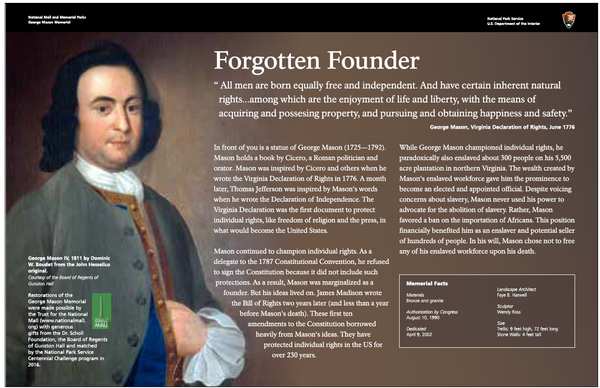
- “"Forgotten Founder"” — removed
- “"Men of Color, To Arms!"” — removed
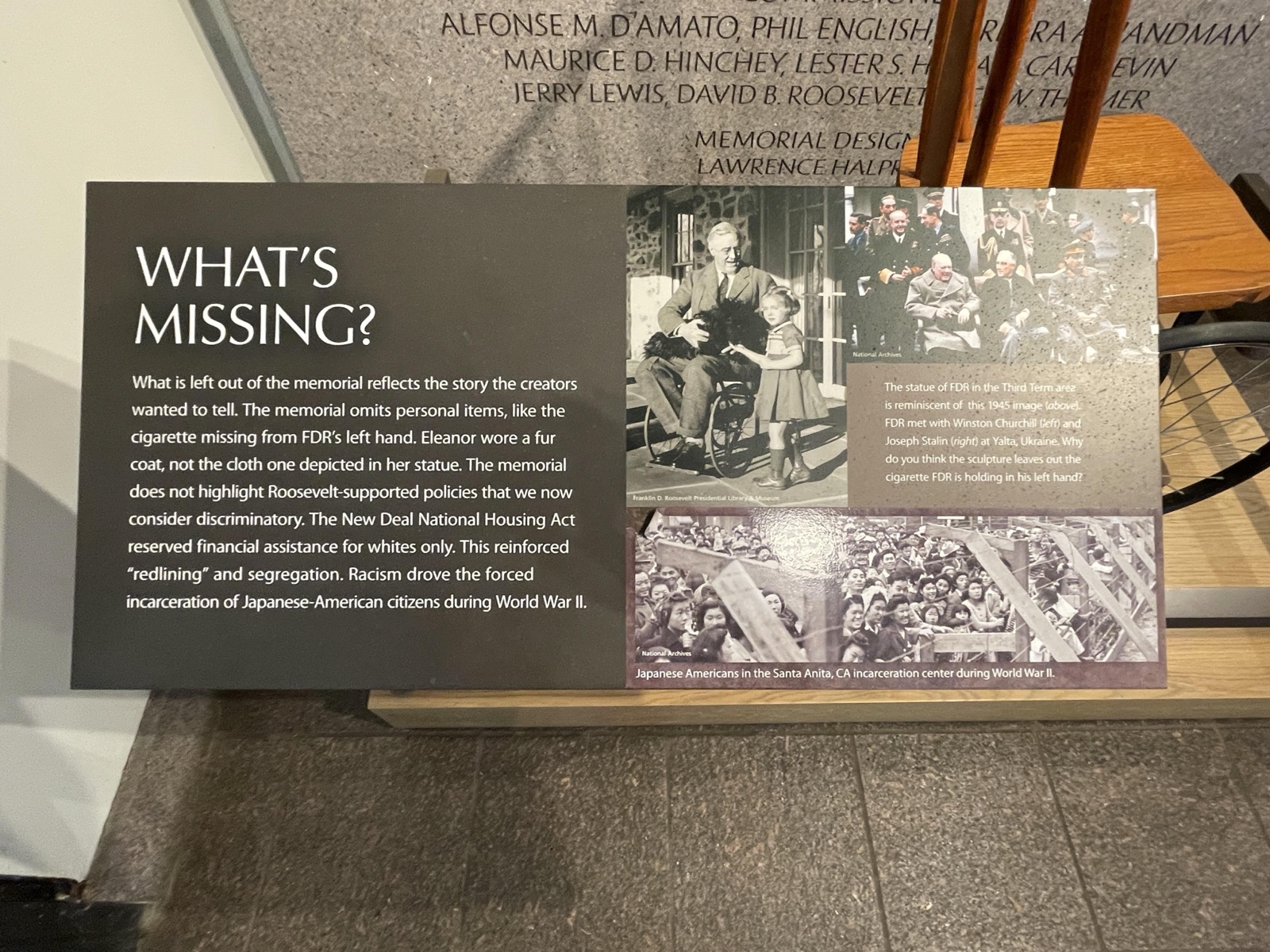
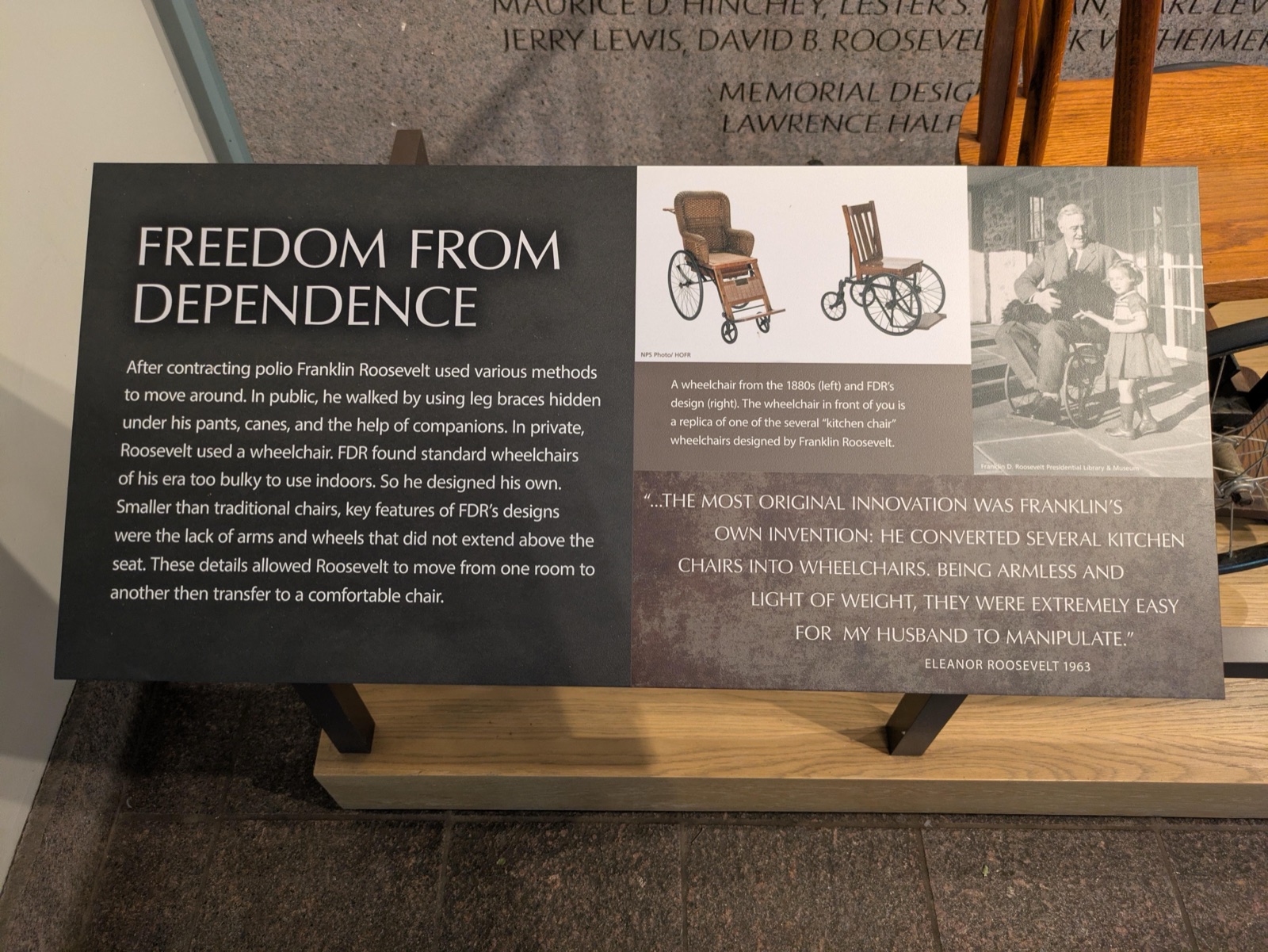
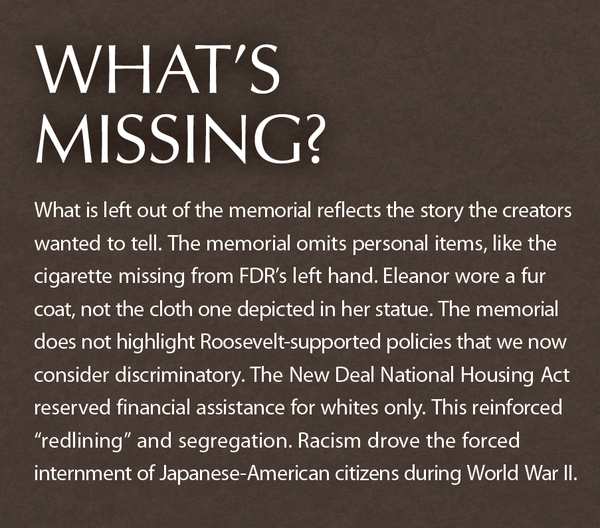
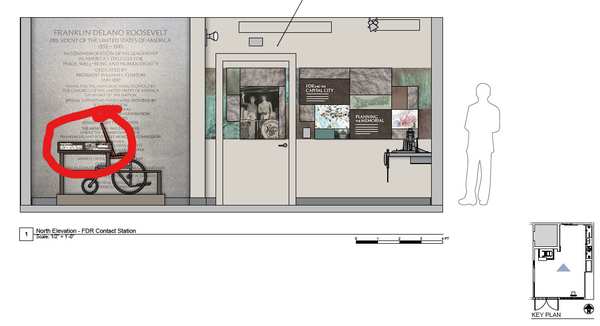
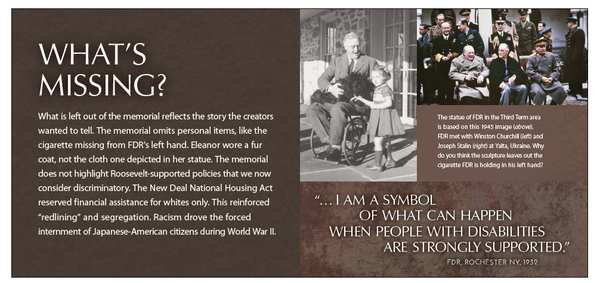
- “"What's Missing?" (sign has been replaced by an entirely new one called "Freedom from Dependence")” — removed
- George Mason Wayside; reason: Disparages Americans past or living; now: In the park
- African American Civil War Memorial Wayside; reason: Disparages Americans past or living; now: In the park
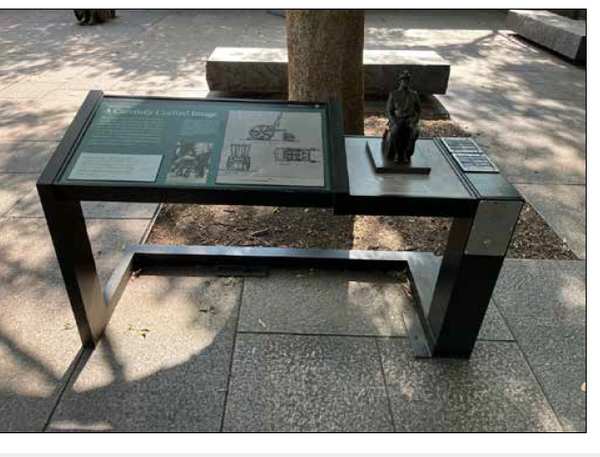
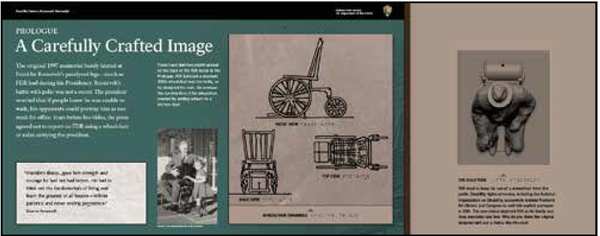
- FDR Memorial Exhibit Panel; reason: Disparages Americans past or living; now: Discarded
Is the word “enslaved” ok here?
Test currently reads:
Working Waterfront
If you stood in this spot in the 1800s, you’d be looking out over the biggest dock in Washington, DC. The 17th Street Wharf was built in 1806 for $2,000. It remained the bustling heart of the city until 1902. You might see goods from all over the world, including sandstone to rebuild the White House in 1813. You might hear the shouts of hundreds of dockworkers, many of them enslaved people until the end of the Civil War in 1865. The 17th Street
Wharf reached its largest size in 1881, when it was 1,200 feet long and 150 feet wide. That’s about the size of the Lincoln
Memorial reflecting pool. [image caption]
The 17th Street Wharf was so enormous that it supported its own floating restaurant. General H.G. Wright, Army Chief of Engineers, wrote in 1881 about a lunchroom on the wharf operated by an
African American man named Henry Hill. [Question Bubble]
Can you imagine the National Mall as a bustling port, full of ships and cargo?
FLAGGED FOR REVIEW: Publications (6 items)
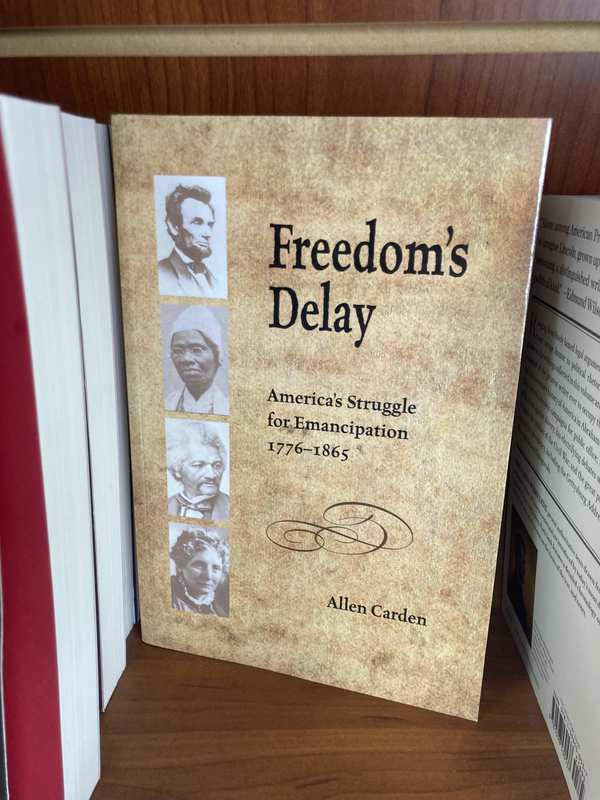
At National Mall / Lincoln Memorial, the National Park Service has worked for years to document and interpret the history of slavery at this site — a history that was ignored for much of the park's existence. The exhibits, waysides, and publications now under review represent a hard-won commitment to telling the complete American story.
Why this matters: The history of slavery at National Mall / Lincoln Memorial was suppressed for generations. The materials now being targeted represent decades of work by historians, descendants of enslaved people, and community advocates to ensure these stories are finally told. Removing them would re-erase history that has only recently been acknowledged.
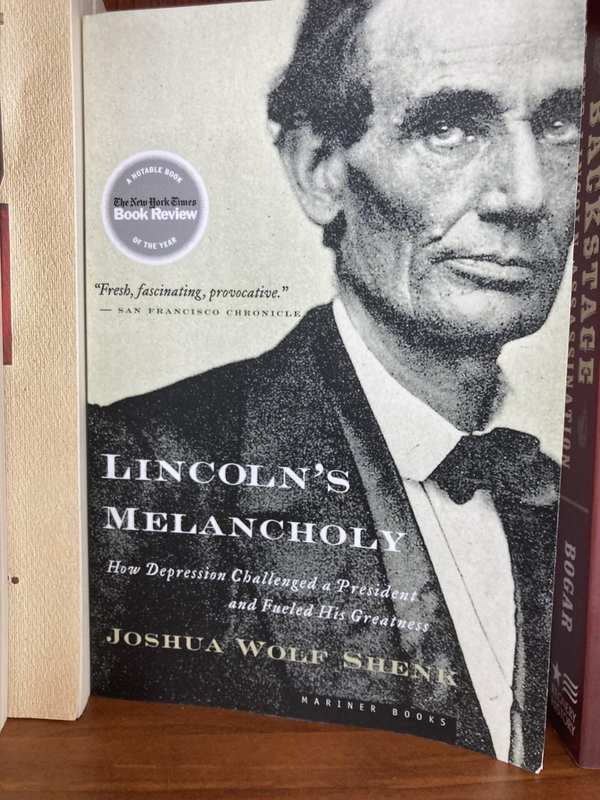
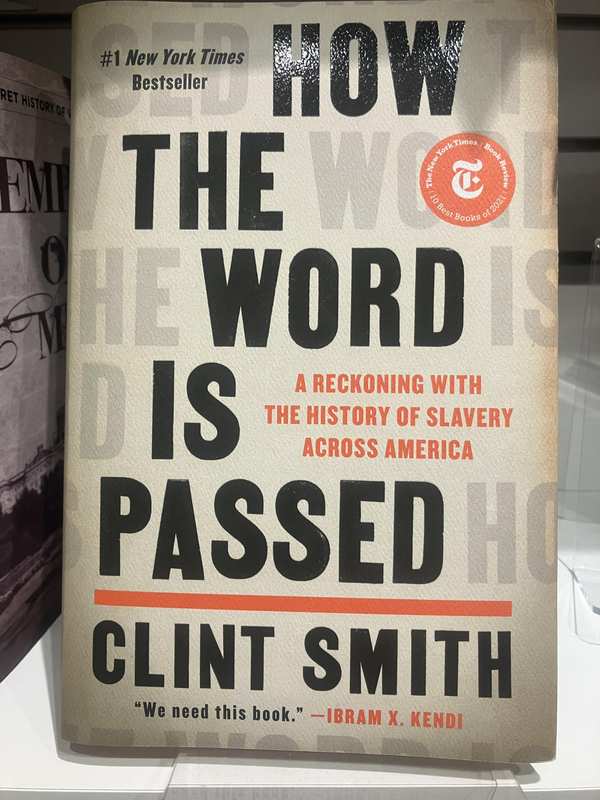
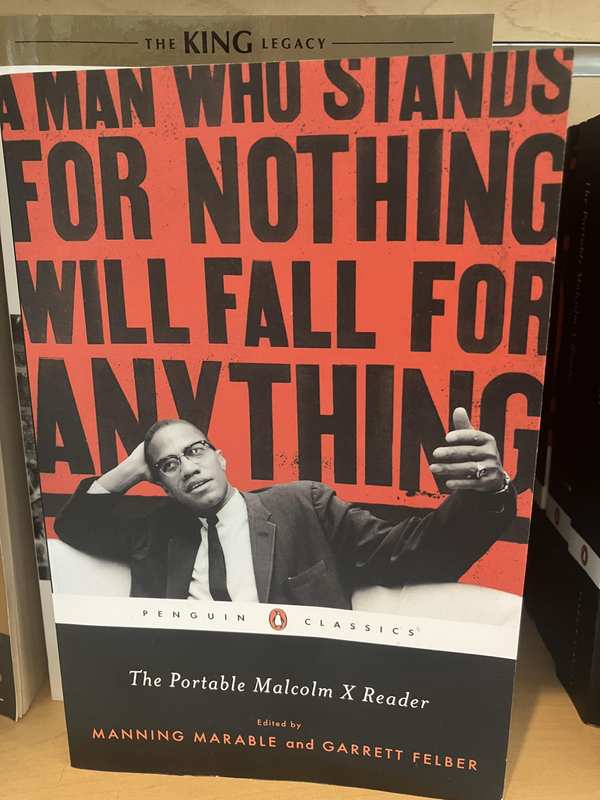
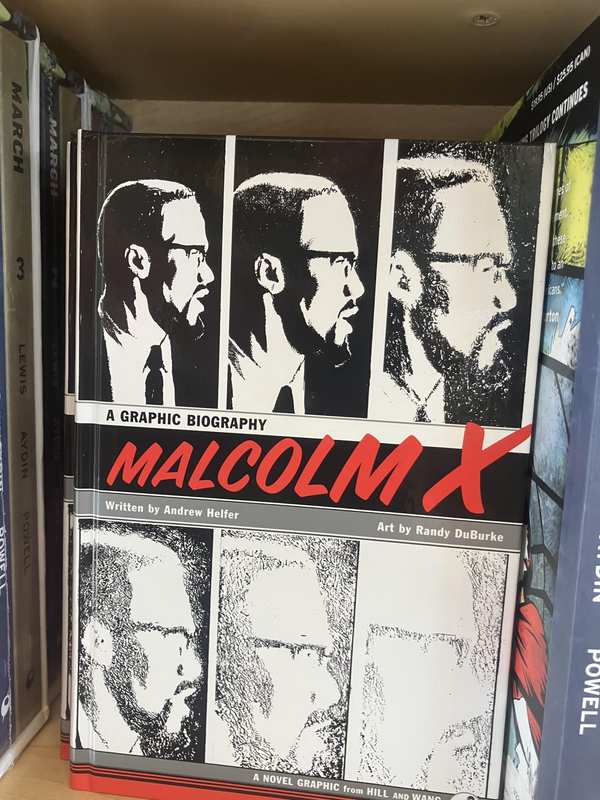
Not sure if all of these books meet the criteria, but wanted them checked. Some are on slavery and black experiences in the Nations capital, and one is on Lincoln's depression.
FLAGGED FOR REVIEW: Publications (12 items)
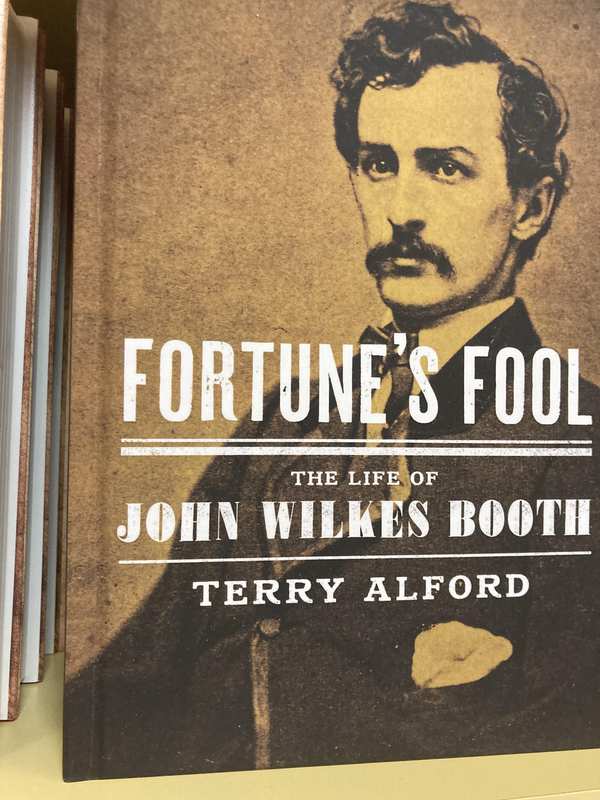
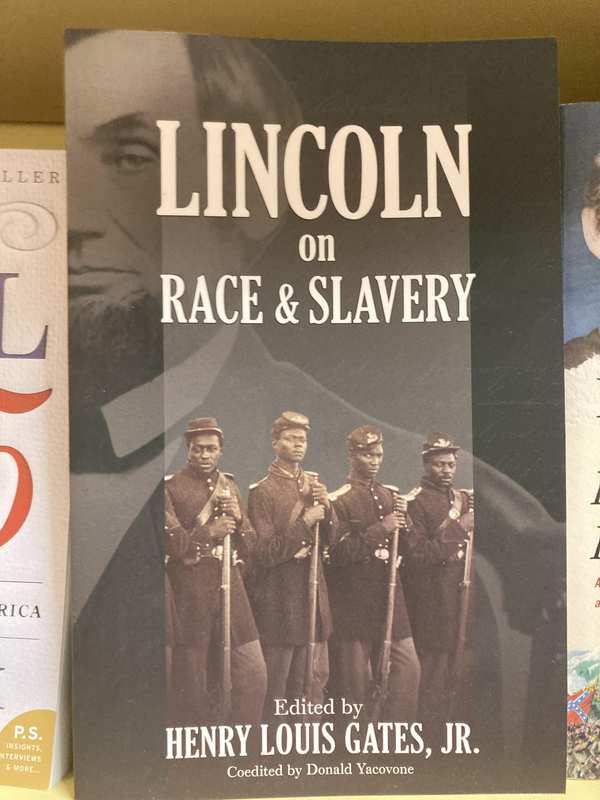
At Ford's Theatre NHS / National Mall, the National Park Service has worked for years to document and interpret the history of slavery at this site — a history that was ignored for much of the park's existence. The exhibits, waysides, and publications now under review represent a hard-won commitment to telling the complete American story.
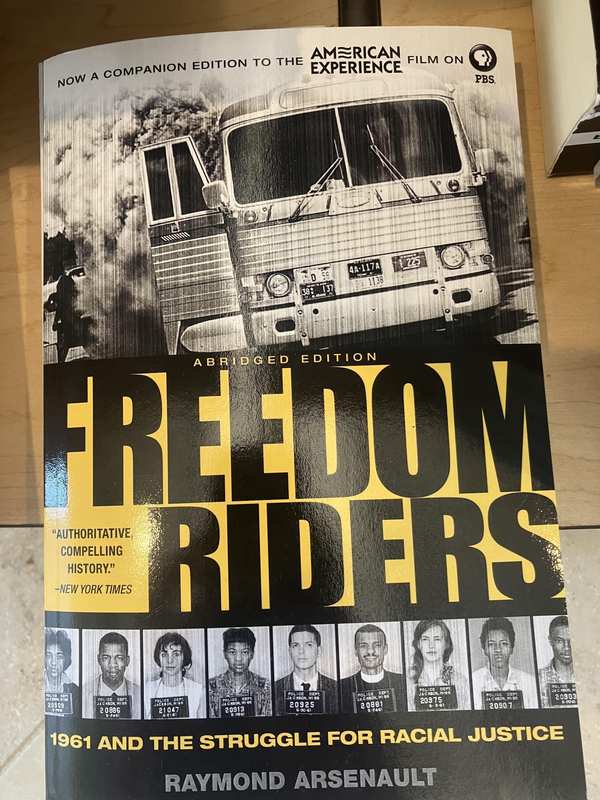
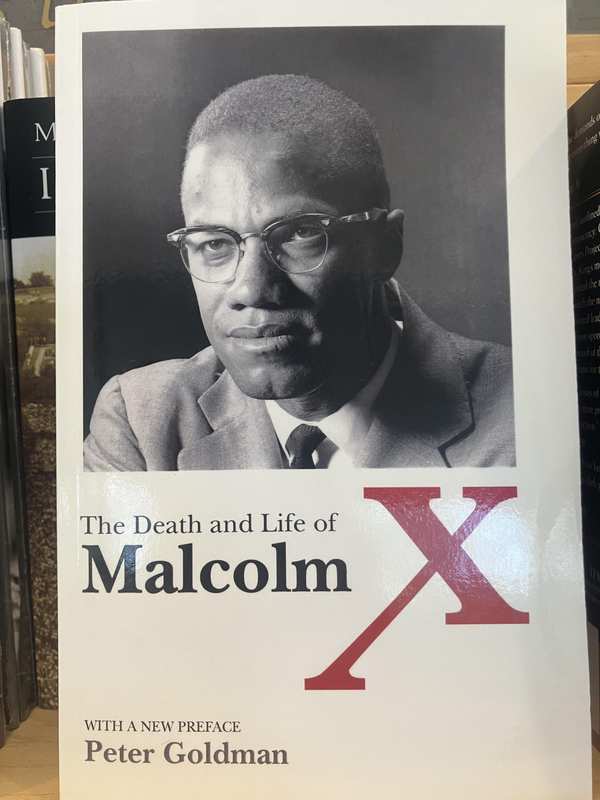
From the internal review records: “These books are sold at the bookstore at Fords Theatre NHS. They are mostly on slavery and the black experience in Washington DC as well as a few on Lincoln's assassination. Not sure they all disparage historical figures, but they do cover dark periods in American history.”
Why this matters: The history of slavery at Ford's Theatre NHS / National Mall was suppressed for generations. The materials now being targeted represent decades of work by historians, descendants of enslaved people, and community advocates to ensure these stories are finally told. Removing them would re-erase history that has only recently been acknowledged.
These books are sold at the bookstore at Fords Theatre NHS. They are mostly on slavery and the black experience in Washington DC as well as a few on Lincoln's assassination. Not sure they all disparage historical figures, but they do cover dark periods in American history.
FLAGGED FOR REVIEW: Publications (8 items)
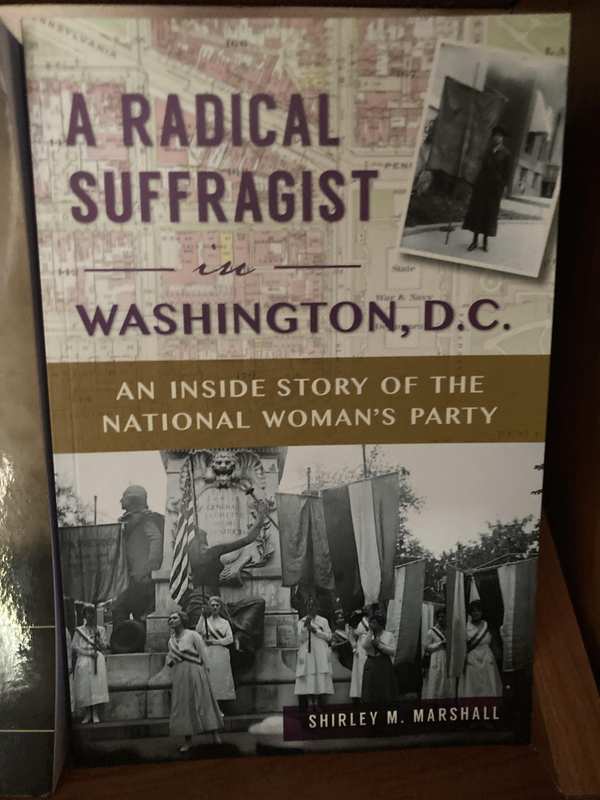
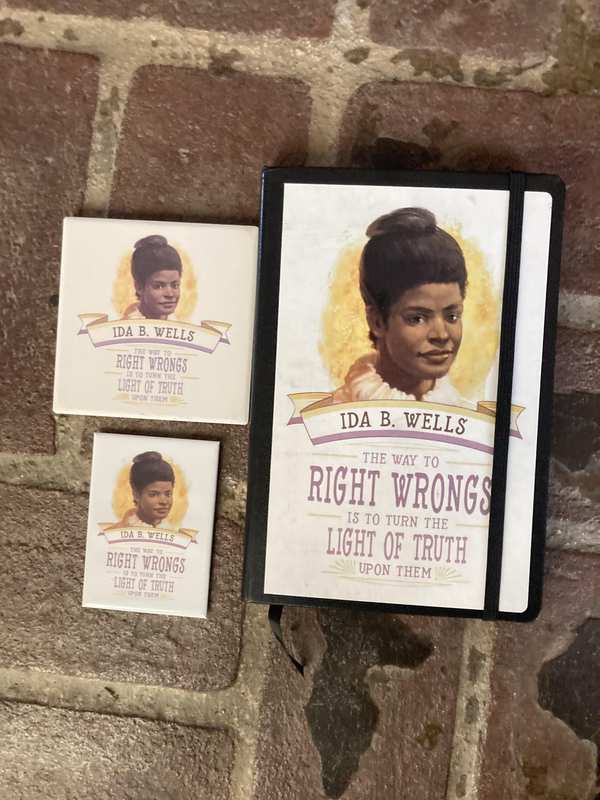
Belmont-Paul Womens Equality NM / National Mall in DC preserves a piece of American history that the public has trusted the National Park Service to protect and interpret. The visitor publications at this site have been developed over years by historians, subject-matter experts, and park staff — and are now being reviewed under Secretary's Order 3431.
From the internal review records: “These are all sold at the bookstore at Belmont Paul National Womens Monument. A few are books about the suffrage movement and some of the more radical things they did and several are negative to President Wilson, who opposed the movement. 5 are books, the others are pins, magnets, mugs, etc”
Why this matters: Belmont-Paul Womens Equality NM / National Mall is part of a network of over 400 national parks that serve as America's classrooms. The interpretive materials here were developed by subject-matter experts to help visitors understand the full story of this place. When historically accurate content is removed, the public loses access to its own history.
These are all sold at the bookstore at Belmont Paul National Womens Monument. A few are books about the suffrage movement and some of the more radical things they did and several are negative to President Wilson, who opposed the movement. 5 are books, the others are pins, magnets, mugs, etc
FLAGGED FOR REVIEW: Publications (1 items)
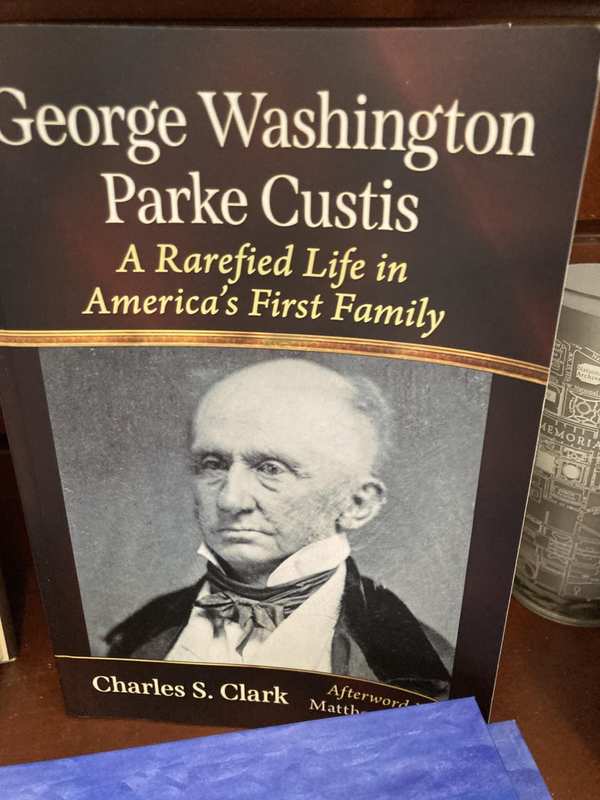
National Mall / Washington Monument in DC is one of hundreds of National Park Service sites where interpretive content has been flagged under Secretary's Order 3431. This directive requires parks to review materials that could be considered negative about past or living Americans — a standard that threatens the factual historical record these sites were created to preserve.
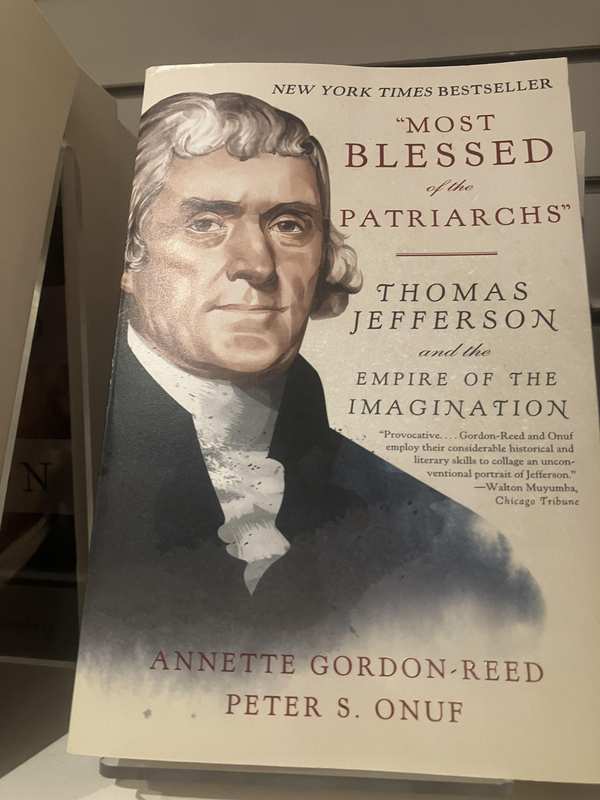
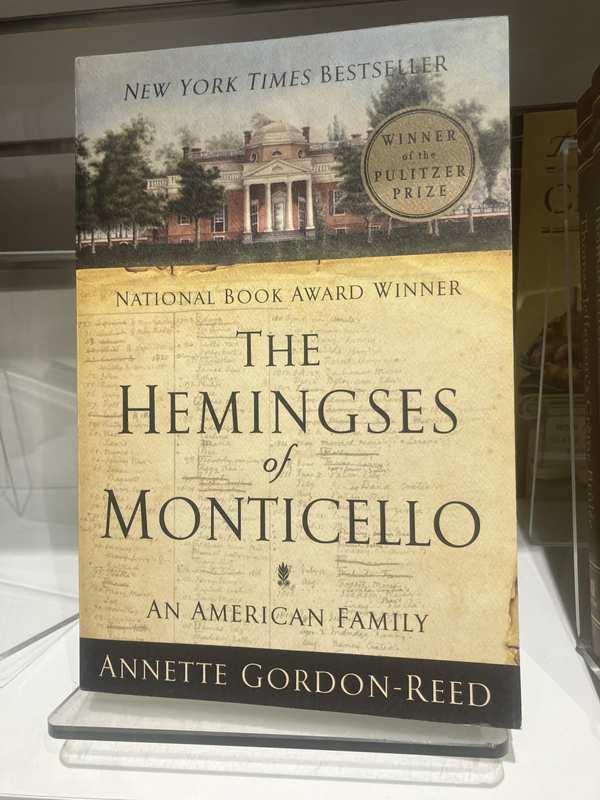
The flagged materials include content from “Discusses him as an enslaver”, targeted for review under the current directive.
Why this matters: Sites like National Mall / Washington Monument are among the few public spaces where the history of slavery in America is told with the gravity it deserves. These stories were suppressed for generations and have only recently been restored to the national narrative.
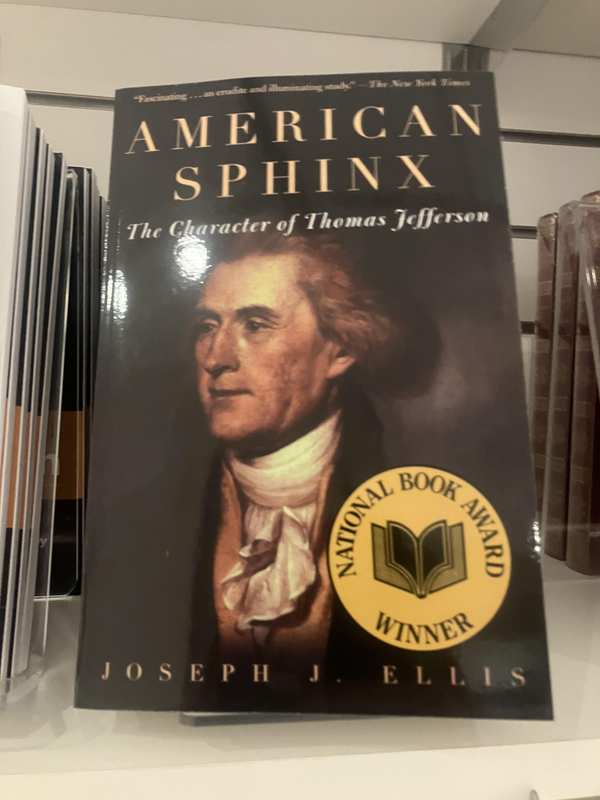
Book in the Washington Monument Bookstore- Discusses him as an enslaver
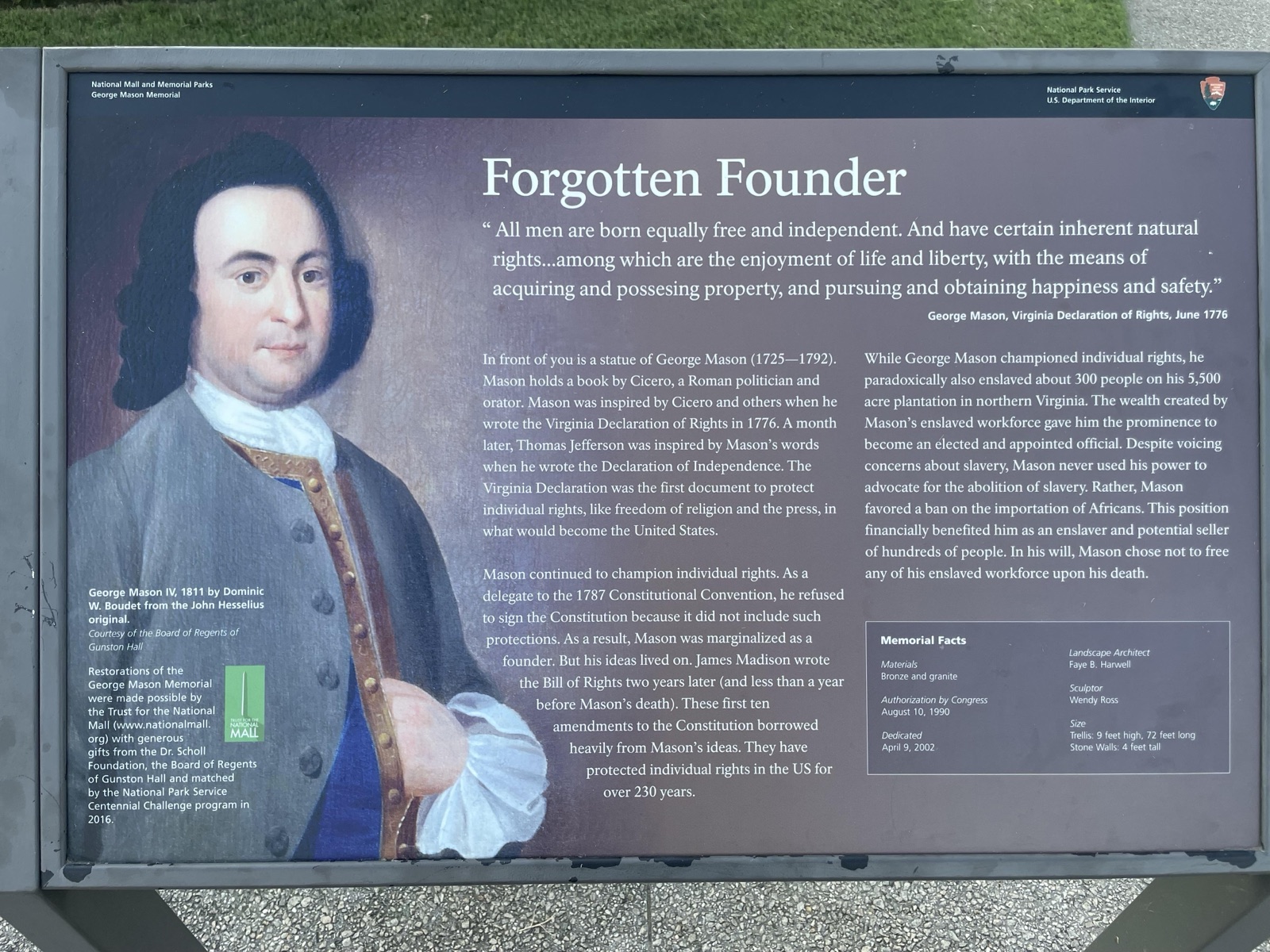
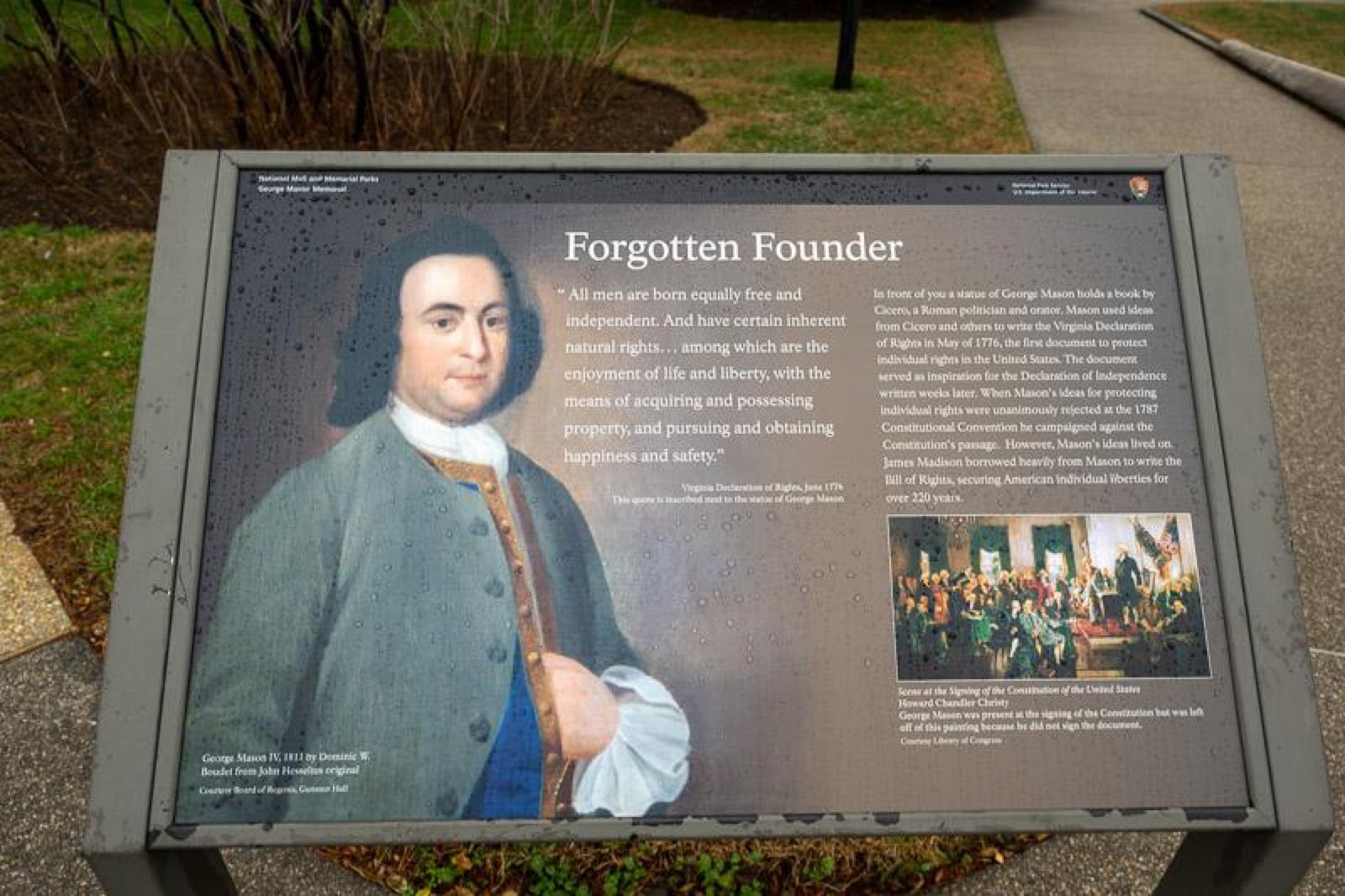
Photos courtesy Save Our Signs (public domain)
Photographs attached to this park's records in the leaked NPS review database.
Explore the Full Map
See all 446 entries across every national park and wildlife refuge.
Open Interactive Map →