The President's House: America's Most Documented Sign Removal
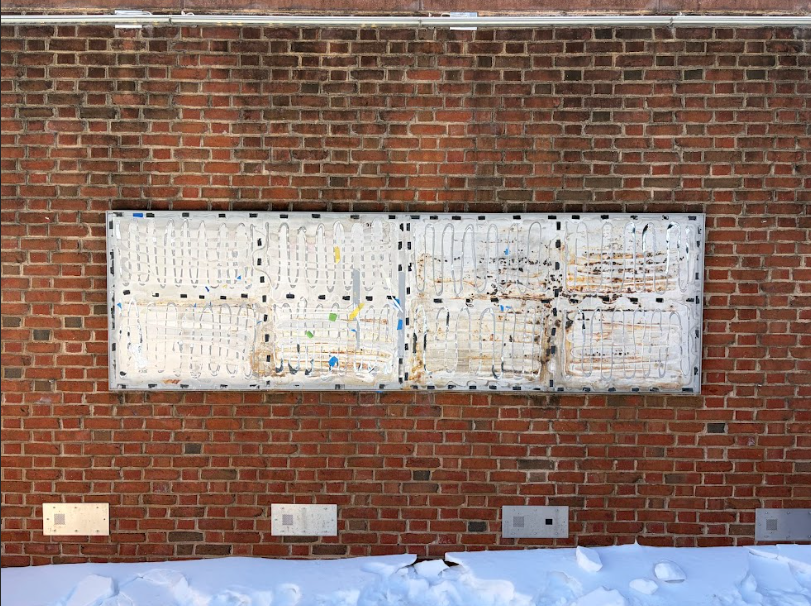
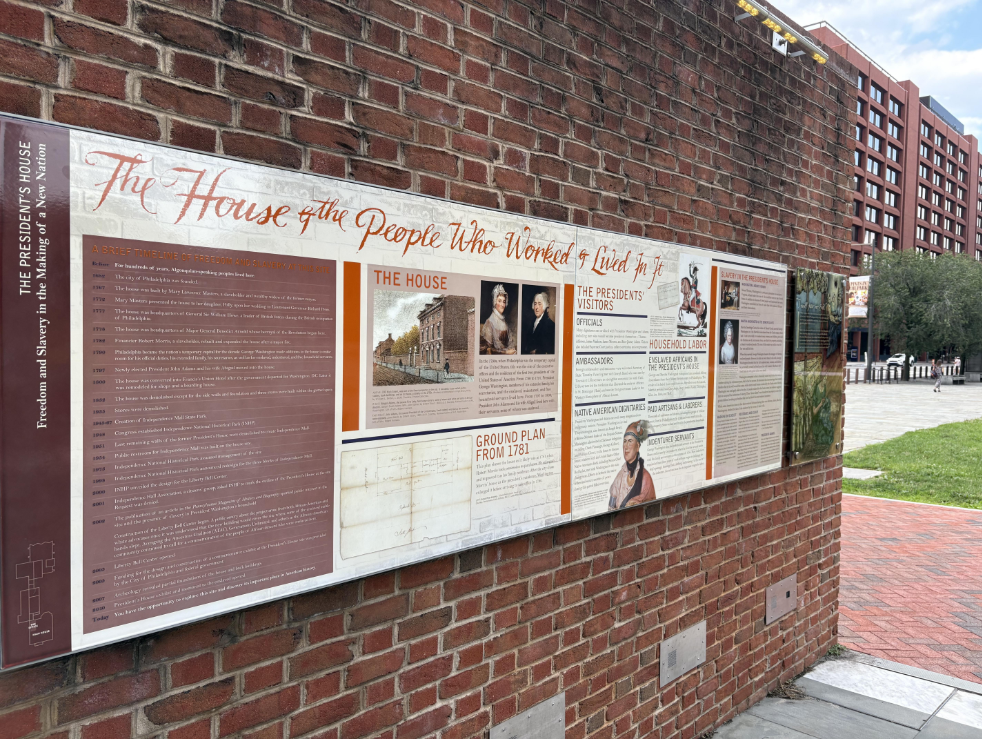
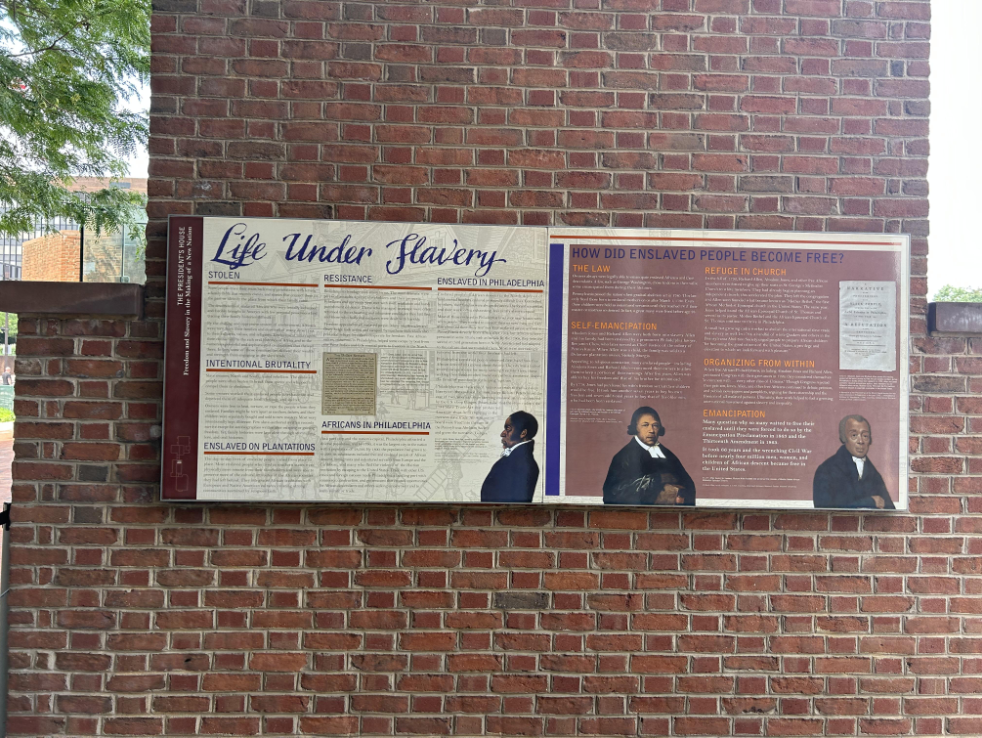
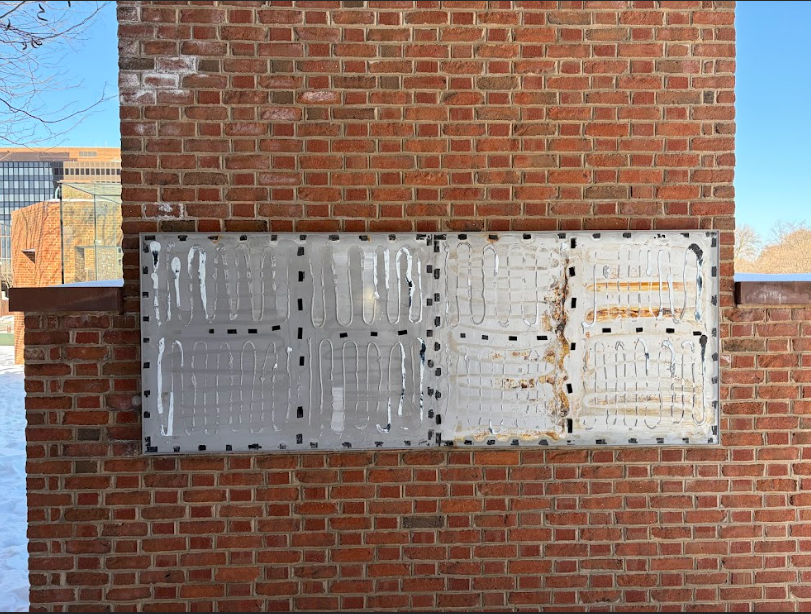
30 interpretive panels removed January 22, 2026 — 14 restored by court order February 19, 2026
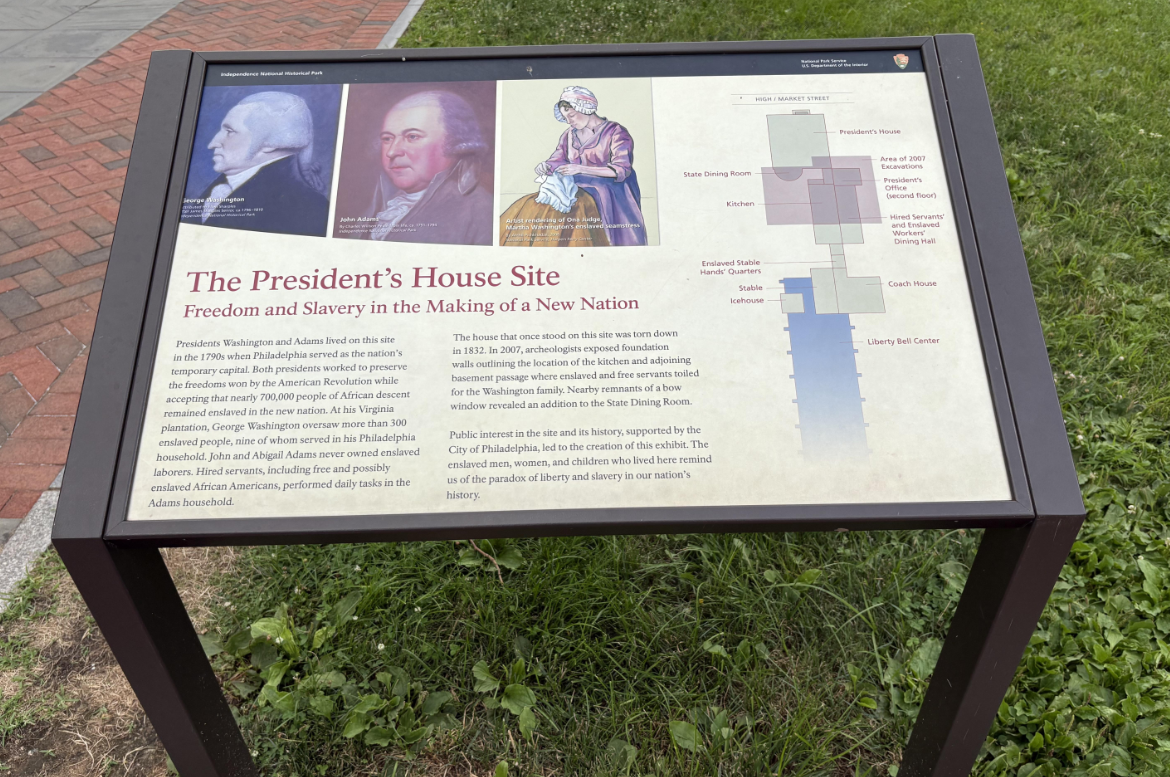
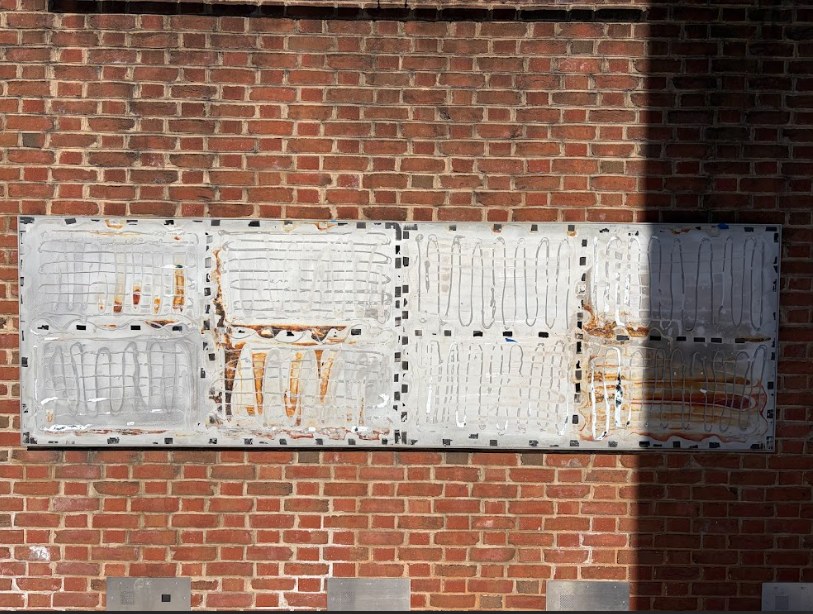
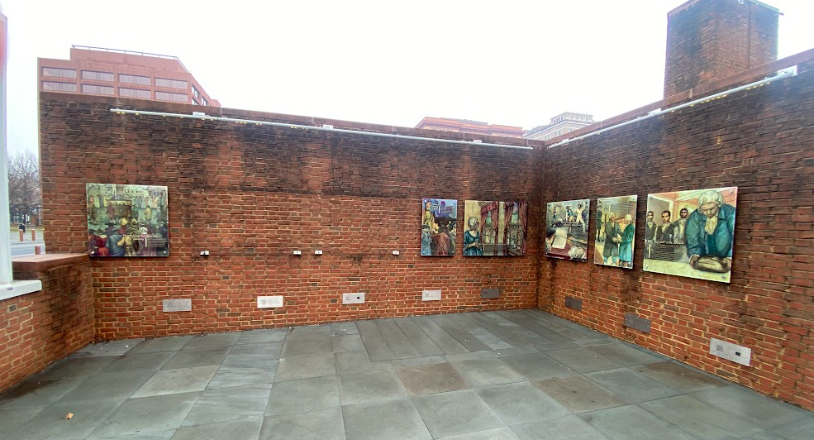
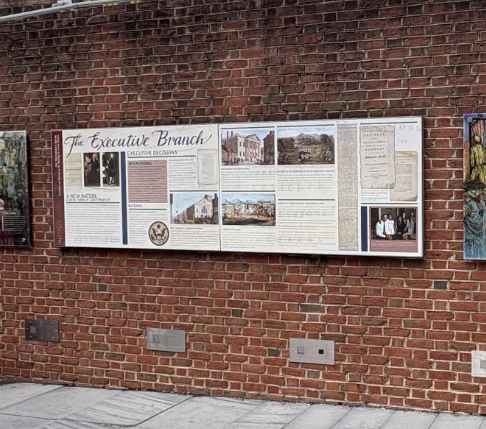
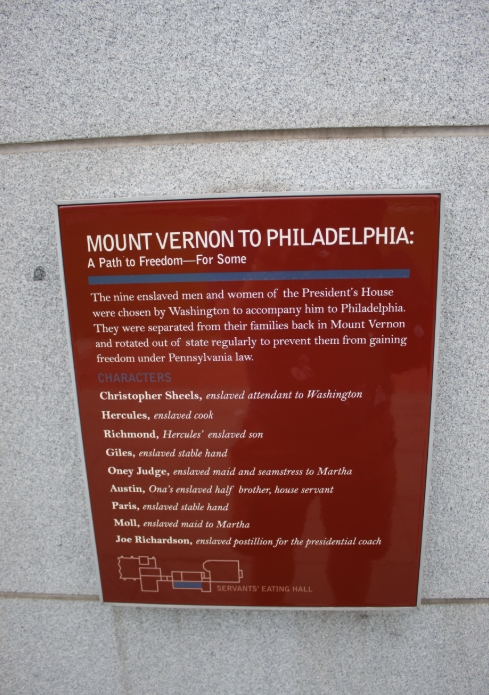
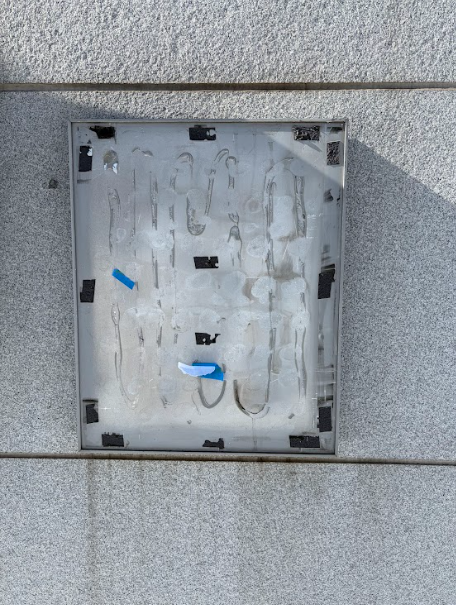
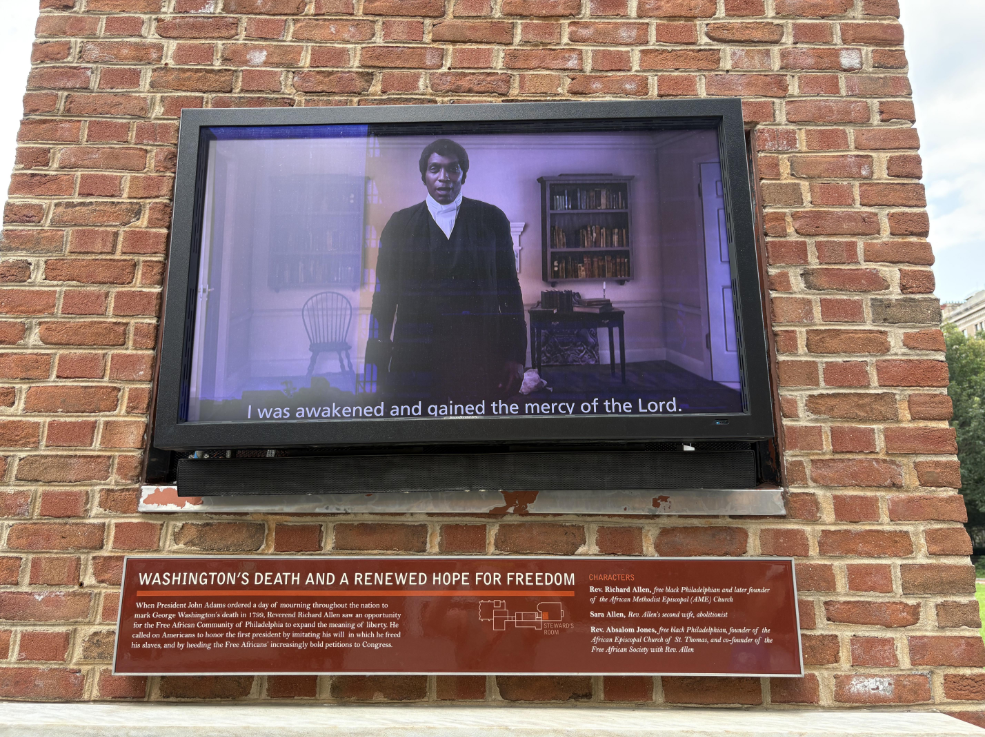
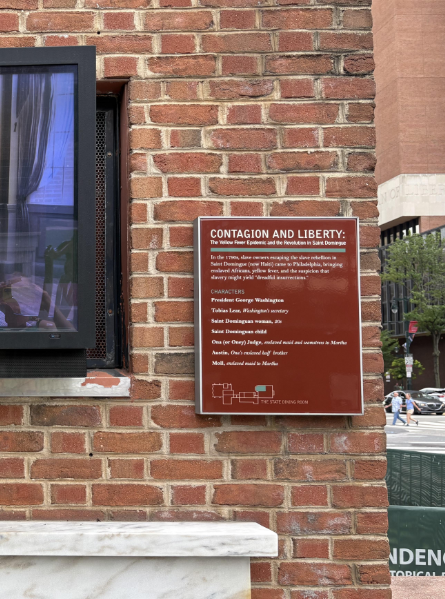
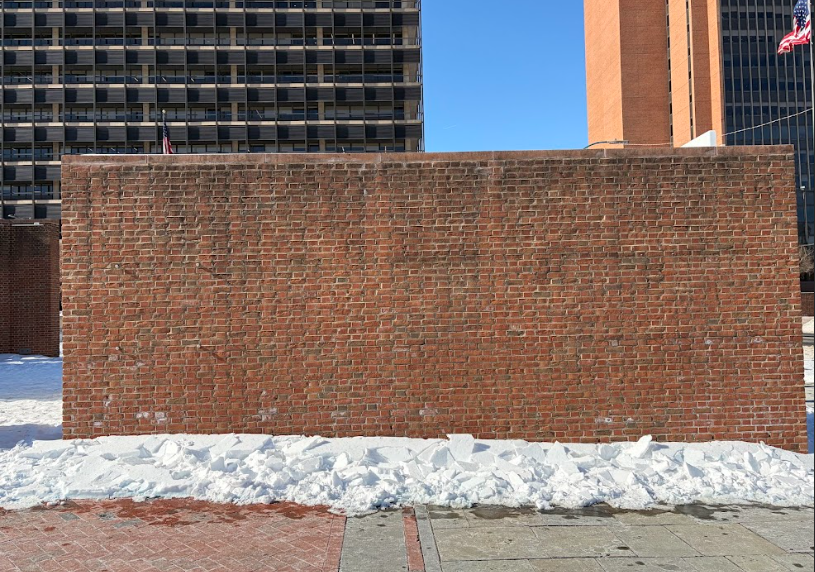
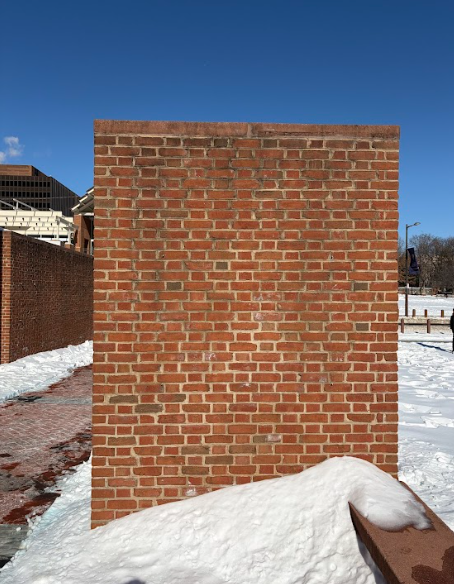
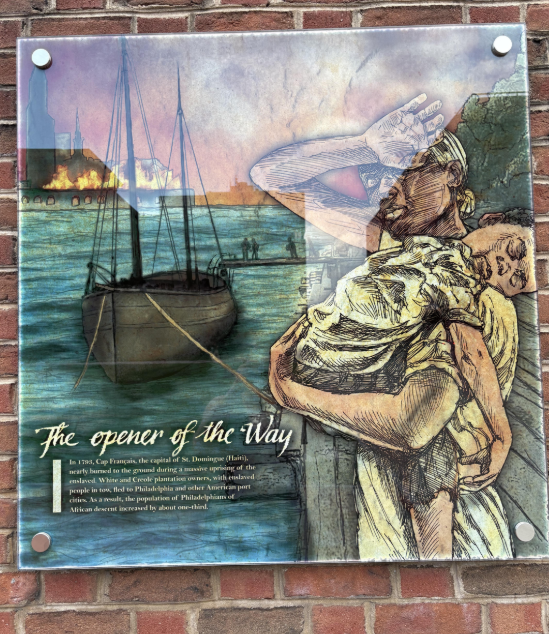
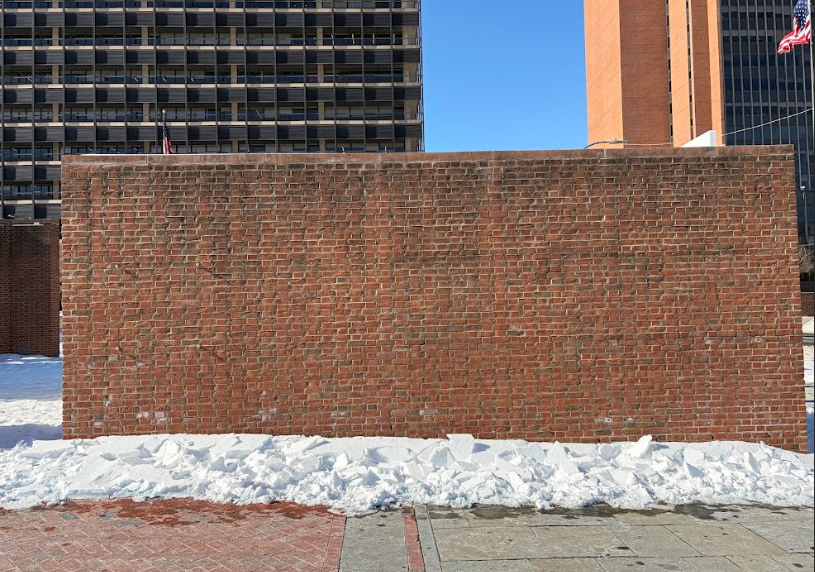
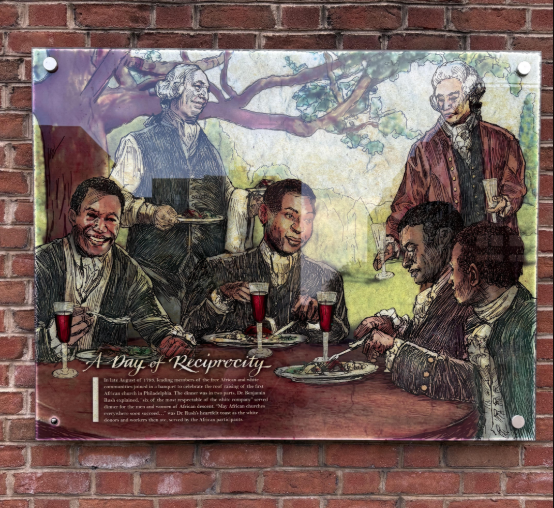
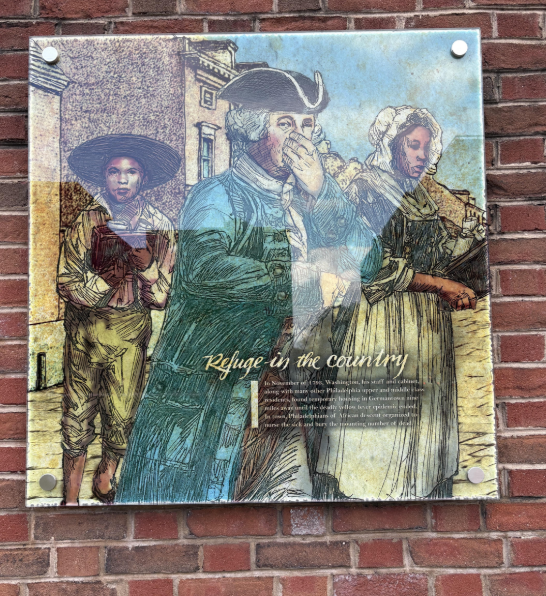
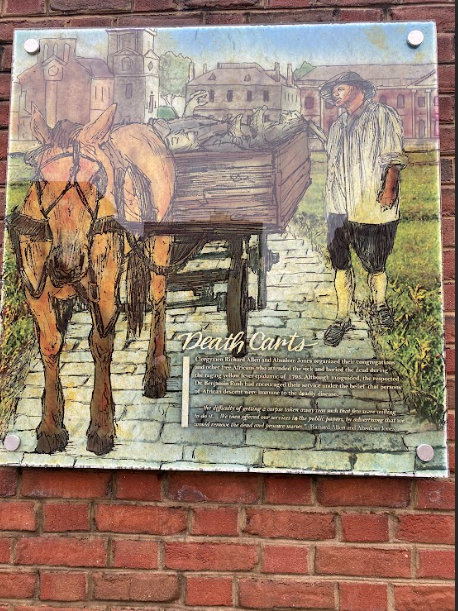
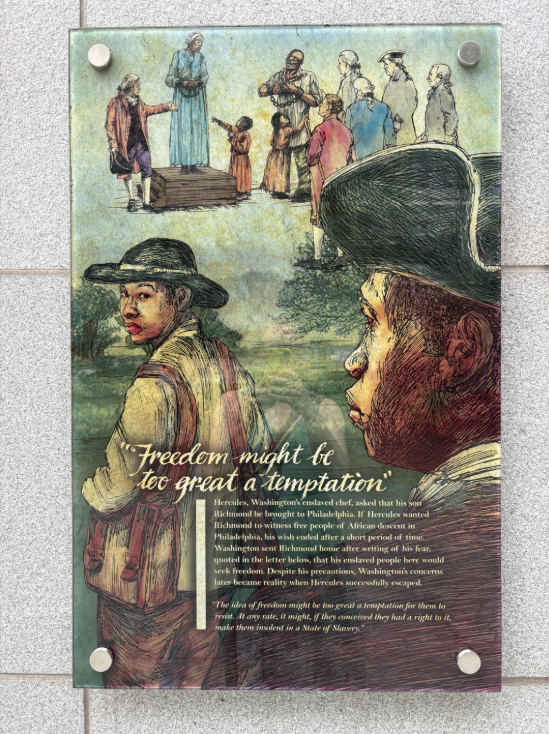
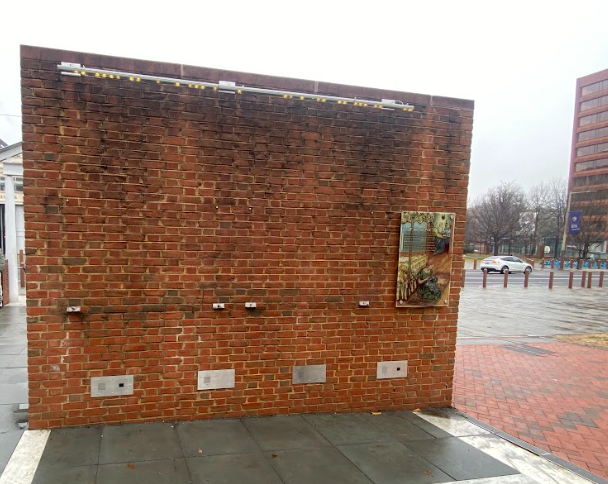
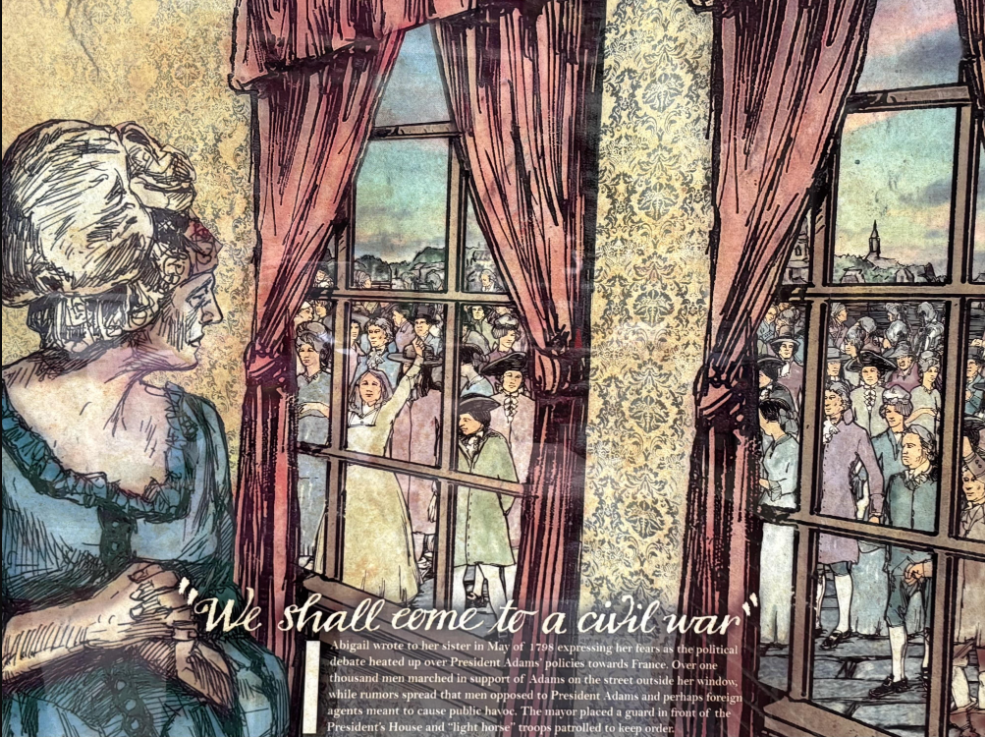
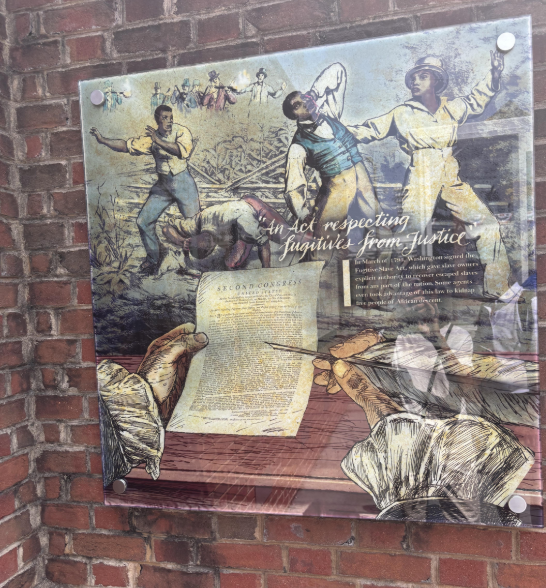
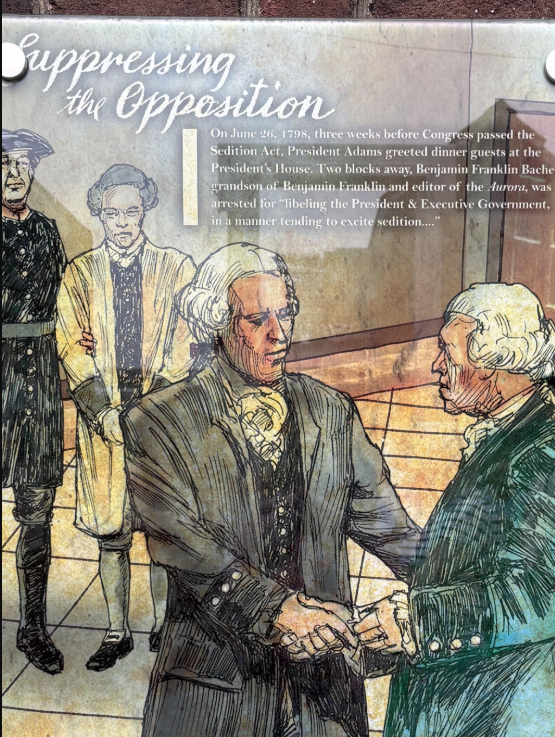
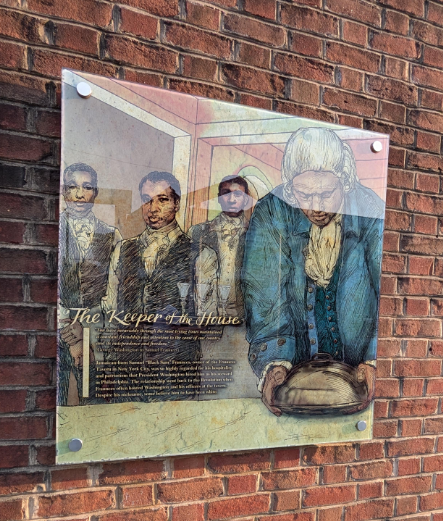
The President's House Site at Independence National Historical Park in Philadelphia hosted an unprecedented 30-panel exhibition documenting slavery at the nation's first executive residence during George Washington's presidency. When all 30 panels were removed overnight on January 22, 2026, the case became the most comprehensively documented instance of interpretive sign removal in the NPS censorship initiative. Following legal action by Democracy Forward and a federal judge's intervention, 14 panels were restored by February 19, 2026, and one was partially restored (TV monitor turned back on, but the plaque remains removed)—but 15 remain missing.
Legal Timeline
Restoration Progress
Historical Context
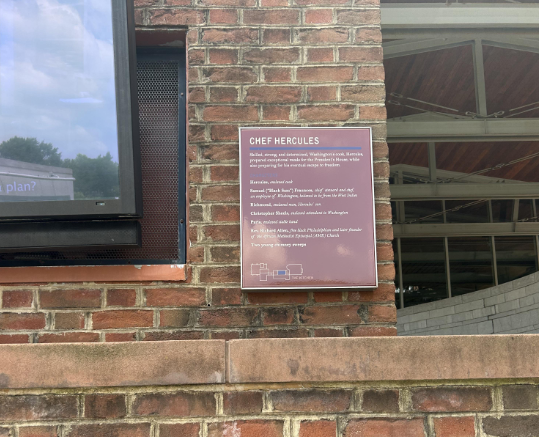
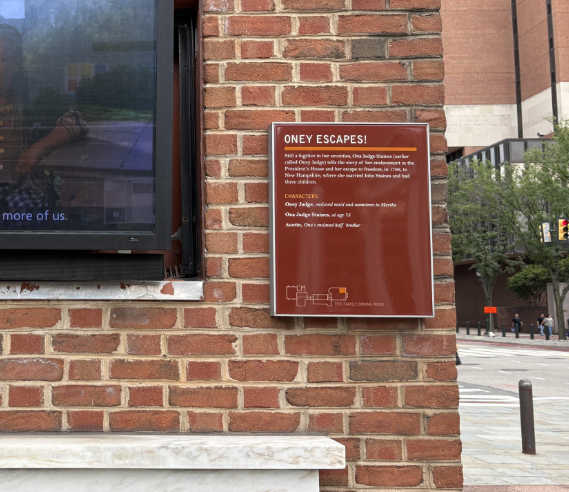
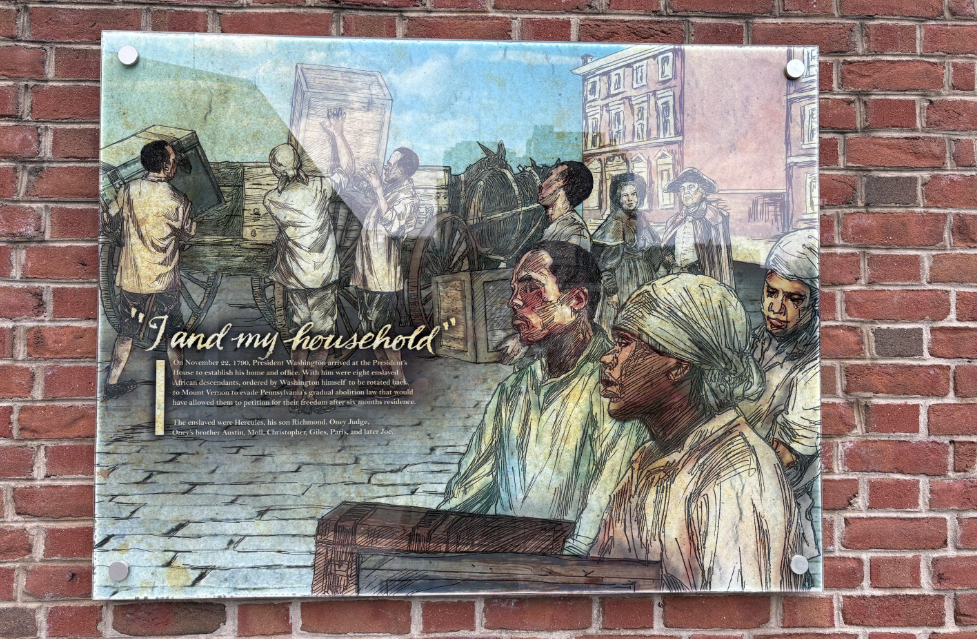
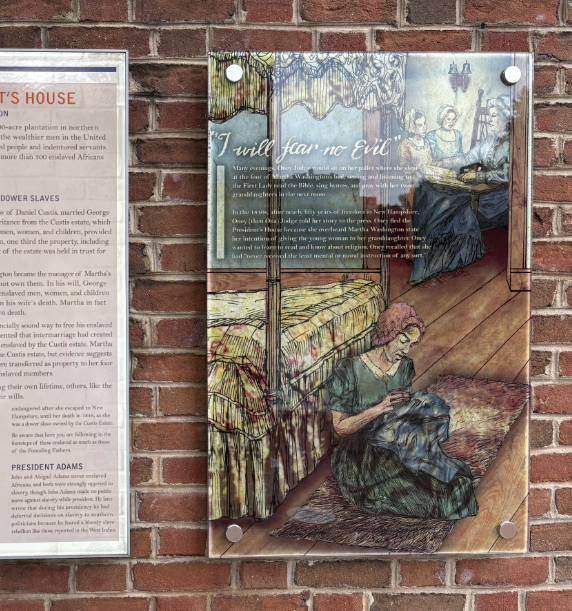
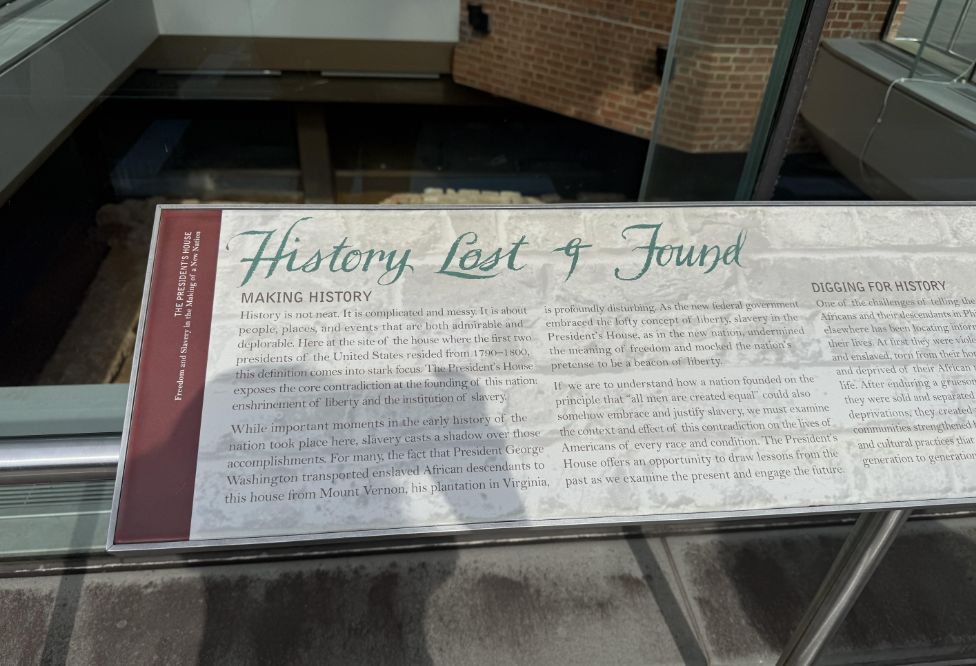
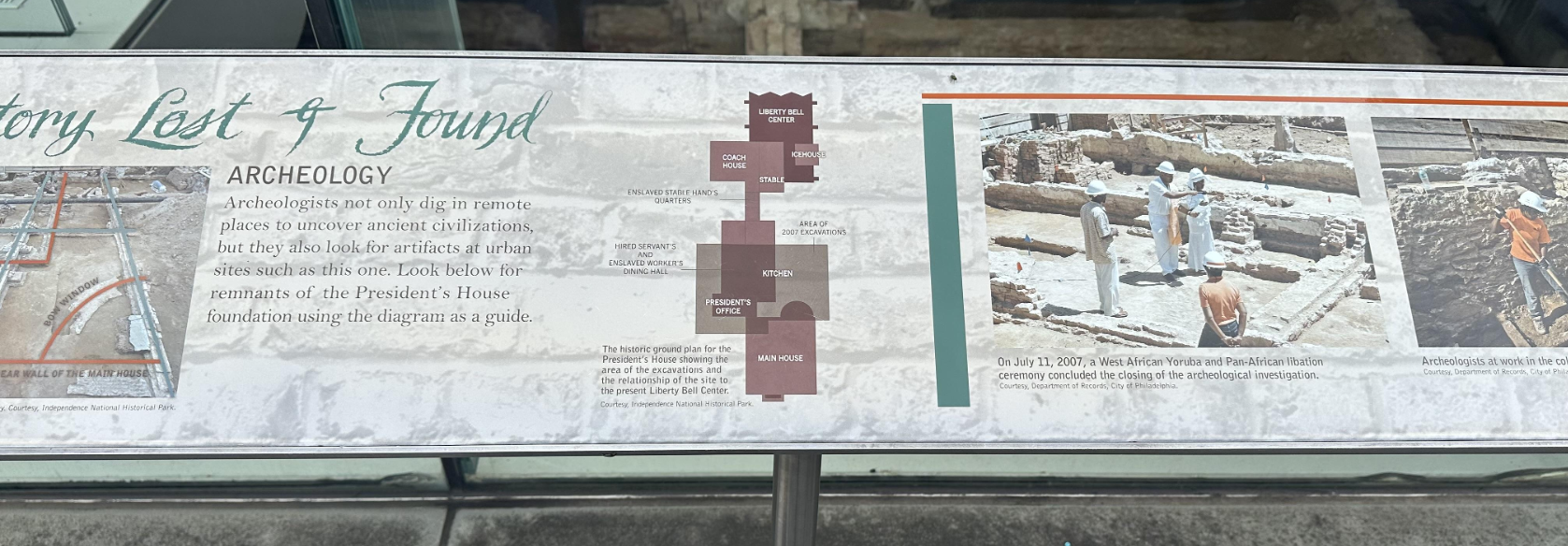
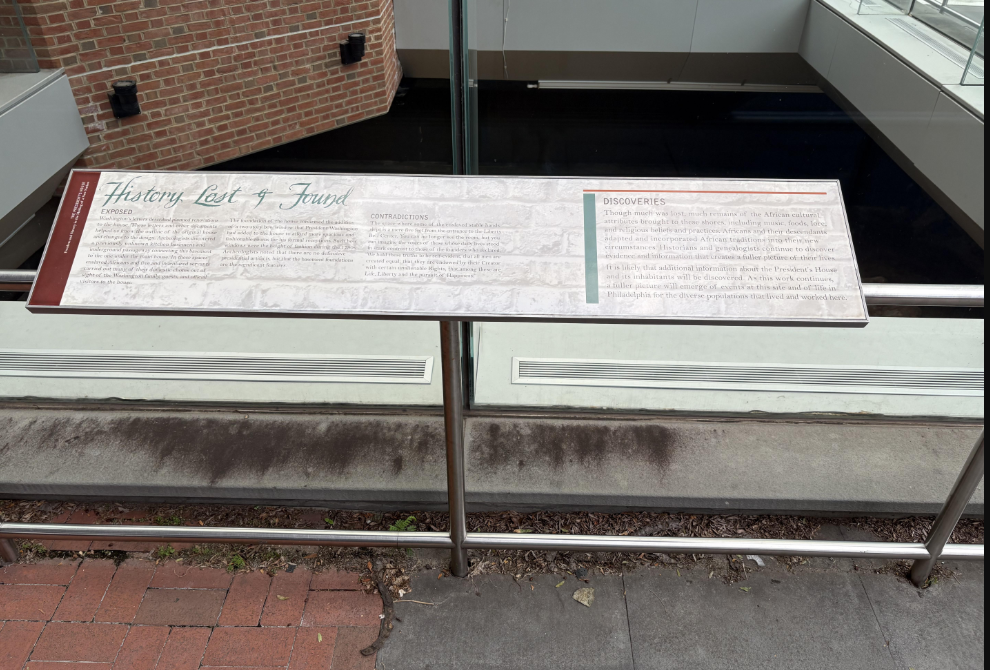
The President's House Site holds extraordinary significance in American history. Located at 524-530 Market Street, this location served as George Washington's official residence from 1790 to 1797, and later as John Adams's home. The 30-panel exhibition was developed to tell a story conspicuously absent from many national narratives: that nine enslaved people lived and worked in the President's House alongside Washington. These individuals—including the renowned chef Hercules and Oney Judge, who famously escaped to freedom—were at the heart of daily life in the nation's first executive residence.
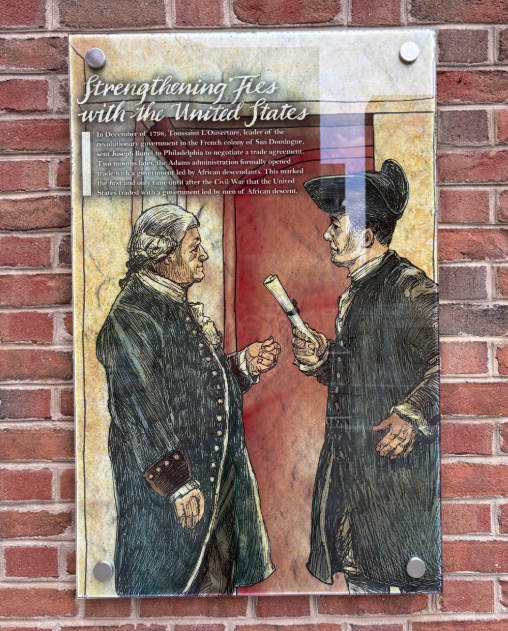
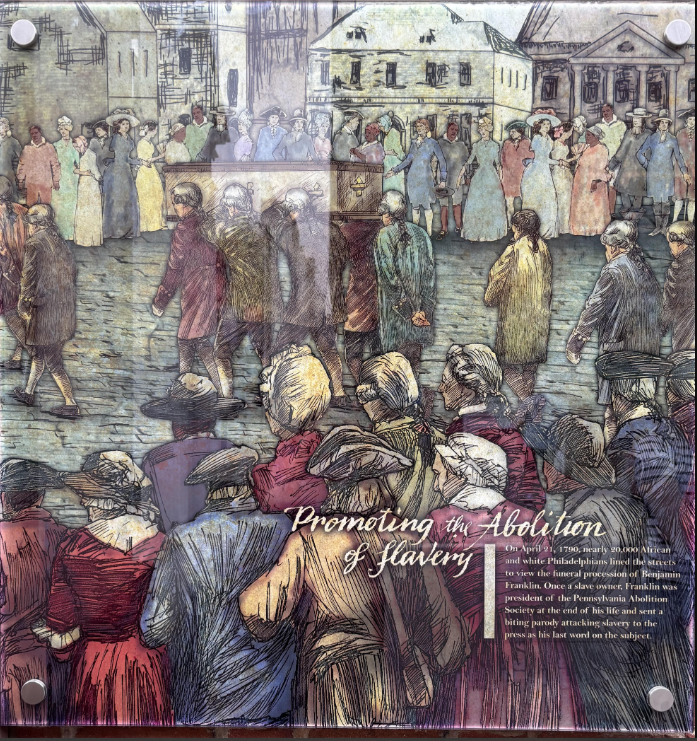
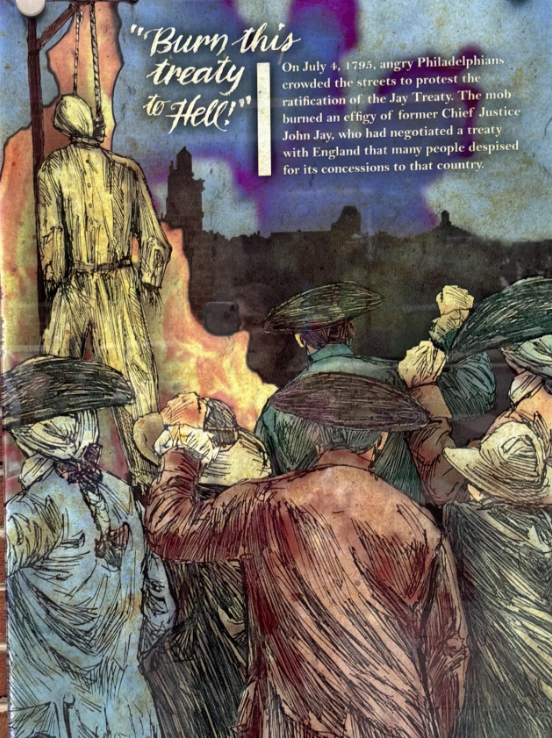
The panels documented the "hidden history" of slavery at the founding site. They traced the lives of enslaved workers, the conditions they endured, the resistance they mounted, and ultimately, their paths to freedom. Stories like Oney Judge's daring escape became emblems of American resilience and the ongoing struggle for liberty that the founding documents only partially acknowledged. The exhibition was a direct challenge to the sanitized version of early American history that had long dominated public memory.
By removing all 30 panels without warning or explanation, the National Park Service eliminated one of the most comprehensive and carefully researched exhibitions about slavery in federal historic sites. The fact that a federal court was required to partially restore them underscores how fragile historical truth remains when political winds shift.
Legal Challenges
Two active lawsuits challenge the removal of the President's House panels and broader NPS sign removals across the country. Both remain ongoing as of April 2026.
City of Philadelphia v. Doug Bergum
Case No. 2:26-cv-00434 · U.S. District Court, Eastern District of Pennsylvania · Filed Jan 22, 2026
The City of Philadelphia filed suit arguing that the removals violated a 2006 agreement between Philadelphia and the National Park Service that stipulated the President's House site would "commemorate the enslaved Africans who resided in the Washington household." U.S. District Judge Cynthia M. Rufe inspected all 34 physical panels, noting that certain panels "exhibited damage." On February 16, 2026, Judge Rufe issued an order preventing further removals or changes until further notice and requiring restoration of panels. On February 19, fourteen named exhibits were restored by court order. A Third Circuit judge paused the injunction the following day, halting further restoration. The case remains in active litigation.
NPCA v. Department of the Interior
Case No. 1:26-cv-10877 · U.S. District Court, District of Massachusetts · Filed Feb 17, 2026
A coalition of six organizations — the National Parks Conservation Association (NPCA), Association of National Park Rangers, Coalition to Protect America's National Parks, American Association for State and Local History (AASLH), Union of Concerned Scientists, and Society for Experiential Graphic Design (SEGD) — filed suit challenging NPS sign removals system-wide, including the President's House panels. The coalition filed for a preliminary injunction on March 19, 2026, seeking to prevent further removals across the entire National Park System pending resolution of the case.
The 30 Panels: Before, After, and Current Status
Sources & Further Reading
- Citing Orwell's 1984, judge orders restoration of slavery exhibit — PBS NewsHour, Feb 16, 2026
- Third Circuit pauses President's House restoration order — Philadelphia Inquirer, Feb 20, 2026
- Signs of the times: Removing stories of America's past from our national parks — CBS News
- National park signs related to Native Americans, climate change to be removed — Washington Post, Jan 27, 2026
- City of Philadelphia v. Doug Bergum (2:26-cv-00434) — Civil Rights Litigation Clearinghouse
- NPCA v. Department of the Interior (1:26-cv-10877) — Civil Rights Litigation Clearinghouse
- Administration doubles down on erasing history and silencing science — NPCA
- Save Our Signs Removal Tracker — Comprehensive removal database and photo archive
- Independence National Historical Park — National Park Service
Help Restore America's History
The President's House case shows how legal action can restore historical truth. Support efforts to bring back the remaining 17 panels and challenge similar removals across the national park system.
Back to Map