Carter G. Woodson Home National Historic Site
Park History
Sourced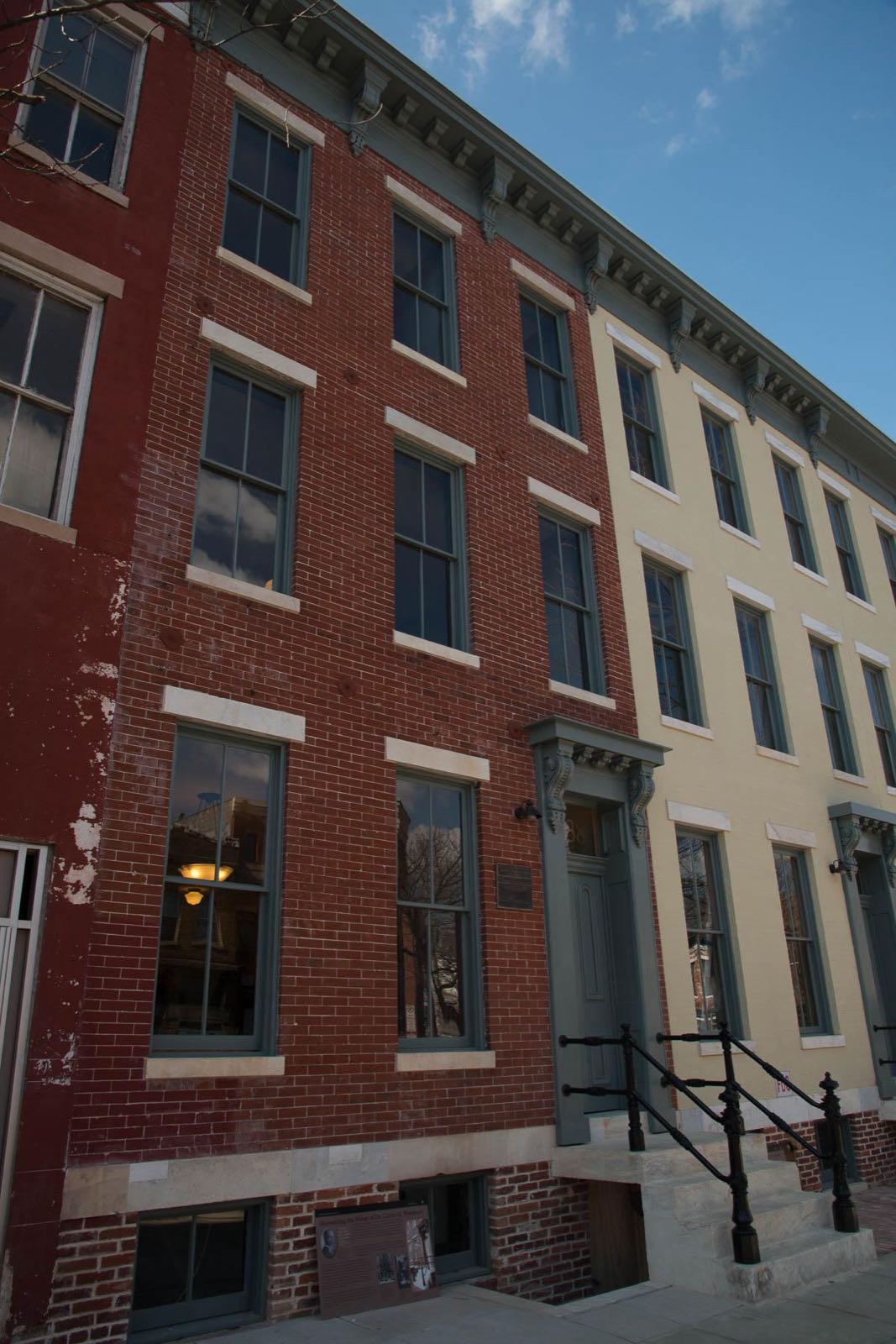
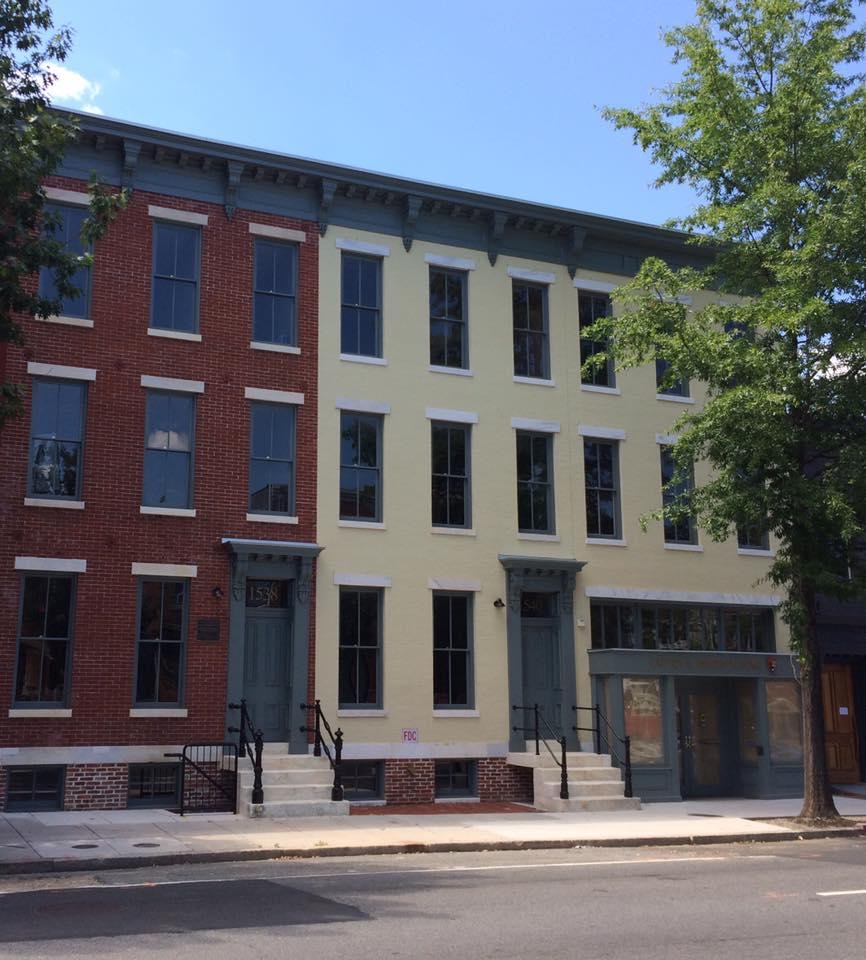
At 1538 Ninth Street NW, in Washington’s Shaw neighborhood, stands a three-story brick row house, one of a block of nine with originally identical Victorian Italianate fronts. The foundation document and historian Pero Gaglo Dagbovie’s 2012 resource study date the row to 1872–74; an undated park brochure says the 1890s and dates Woodson’s residence from 1915. [3] By the foundation document’s account, from 1922 until his death in 1950 it was the home and workplace of Dr. Carter G. Woodson, known as the Father of Black History, and headquarters of the Association for the Study of Negro Life and History, which he founded in 1915 (now the Association for the Study of African American Life and History). Here, in 1926, he created Negro History Week, which became Black History Month. [1] [2]
Woodson bought the house in July 1922 for $8,000. He lived on the third floor; the floors below held the association’s offices and the Associated Publishers, Inc., which the foundation document counts among the first publishers to print and distribute the works of African Americans, women and minorities. In 1923 he hung an 11½-foot sign out front reading “THE ASSOCIATED PUBLISHERS, INC.” Dagbovie calls this “office home” crucial to the early Black history movement. Woodson died there on April 3, 1950. [2] [1]
The house became a National Historic Landmark on May 11, 1976. Public Law 108-192, of December 19, 2003, authorized the Park Service to acquire it; it did so from the association in 2005, and the site became a park unit in 2006. The foundation document describes the home and two adjoining row houses, 1540 and 1542 Ninth Street, as undergoing rehabilitation for a visitor center and exhibits. [2] [3] [1]
Black history
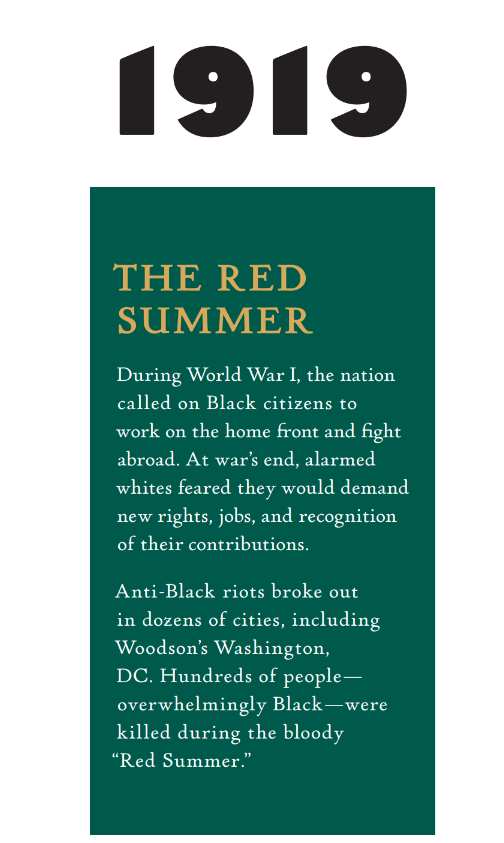
Woodson was born December 19, 1875, in New Canton, Virginia, to the formerly enslaved James Henry and Eliza Riddle. In 1892 he went to work in the coal mines of Fayette County, West Virginia, where a Black Civil War veteran, Oliver Jones, introduced him to books by self-trained Black historians. His 1912 Harvard Ph.D. made him only the second African American to earn one there, after W. E. B. Du Bois (1895), the foundation document notes. [1] During the “Red Summer” of 1919, when more than twenty-five major race riots swept U.S. cities, Woodson was in Washington for its July 20 riot and gave an affidavit about it. [2]
He timed the first Negro History Week, in February 1926, to the birthdays of Frederick Douglass and Abraham Lincoln. Race prejudice stemmed from the notion that Black people had contributed nothing of worth to world civilization, Woodson argued, Dagbovie writes; set the record straight in schools, and racism would be abolished. [2]
Sources
- Foundation Document Overview, Carter G. Woodson Home National Historic Site, District of Columbia (NPS, 2016)
- Pero Gaglo Dagbovie, “Willing to Sacrifice”: Carter G. Woodson, the Father of Black History, and the Carter G. Woodson Home — Historic Resource Study (NPS National Capital Region, April 2012)
- NPSHistory.com: Carter G. Woodson Home National Historic Site archive page — overview, Woodson time line and establishment block
Removed Per Nps Court Filing: Exhibit panels (1 items)
Carter G. Woodson Home National Historic Site in DC is one of hundreds of National Park Service sites where interpretive content has been flagged under Secretary's Order 3431. This directive requires parks to review materials that could be considered negative about past or living Americans — a standard that threatens the factual historical record these sites were created to preserve.
Why this matters: Carter G. Woodson Home National Historic Site is one of 466+ National Park Service sites where historically accurate interpretive content has been flagged under Secretary's Order 3431. Over 300 million people visit national parks each year. For many — especially schoolchildren — these visits are their first and deepest encounter with American history.
- Short video
- Video
- Short video; reason: Disparages Americans past or living; now: At the park
- Video; reason: Disparages Americans past or living; now: At the park
Change text: Delete “anti Black riots” to “Riots”
Explore the Full Map
See all 446 entries across every national park and wildlife refuge.
Open Interactive Map →