Hubbell Trading Post National Historic Site
Park History
Sourced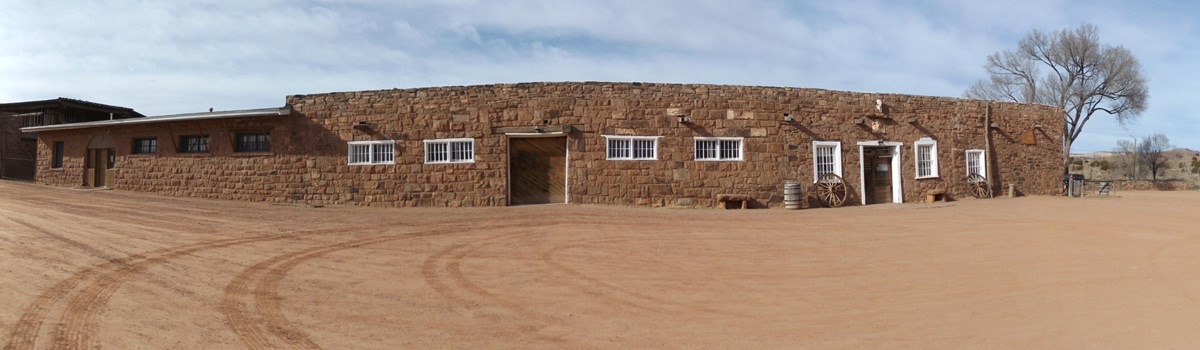
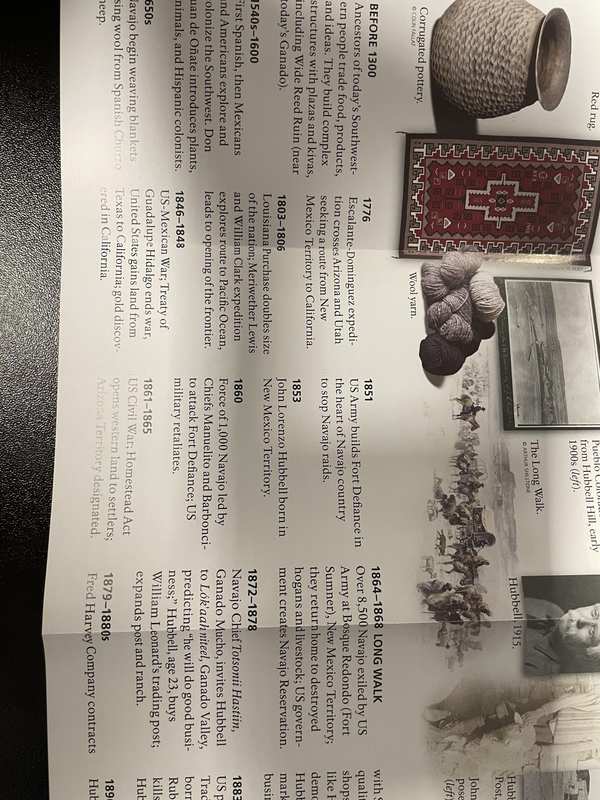
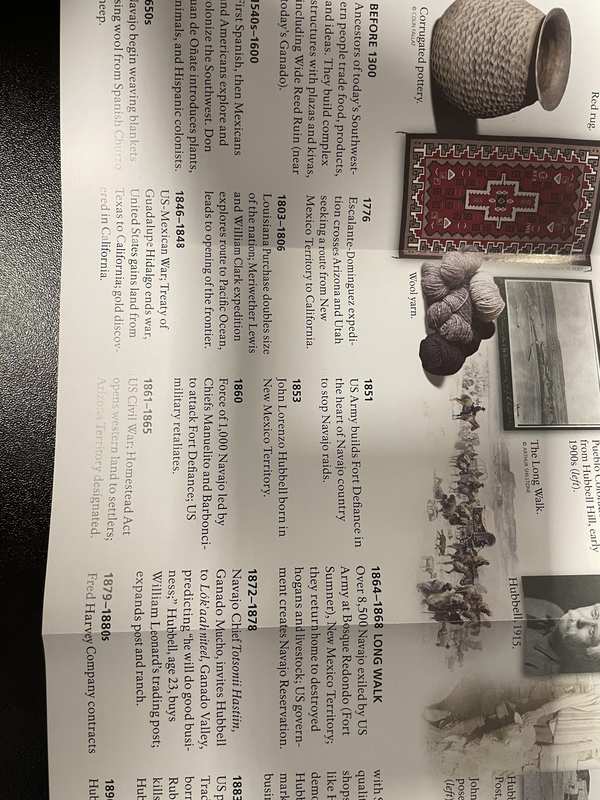
Hubbell Trading Post sits at 6,325 feet beside the Pueblo Colorado Wash on the edge of Ganado, Arizona, in a valley the Navajo call Lók’aah niteel, Wide Reeds, and in the middle of the Navajo Nation. People lived along this wash long before any trader: Wide Reed Ruin, a pueblo with kivas and plazas inside the site, was built in A.D. 1276–77 by tree-ring dating, and, by the administrative history’s account, the general area was largely abandoned about 1300 because of a drought that had begun in the 1270s. [2] [1] [4]
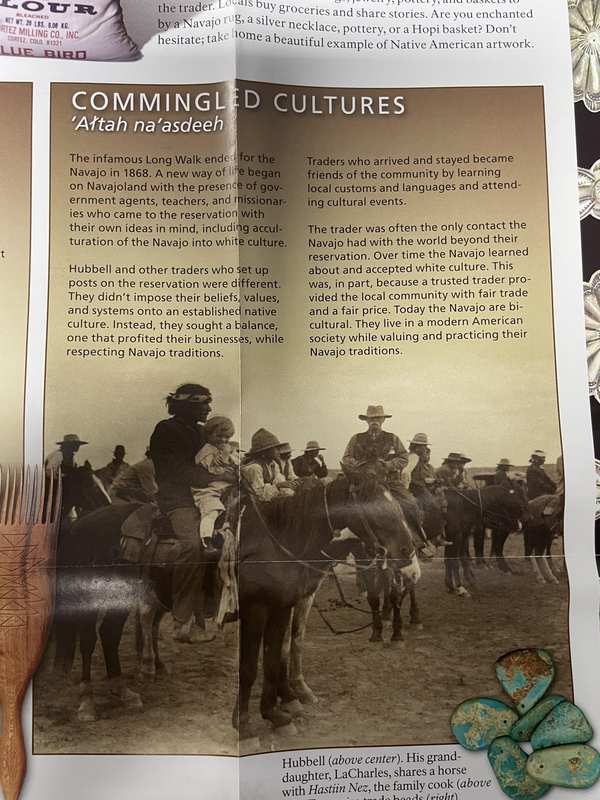
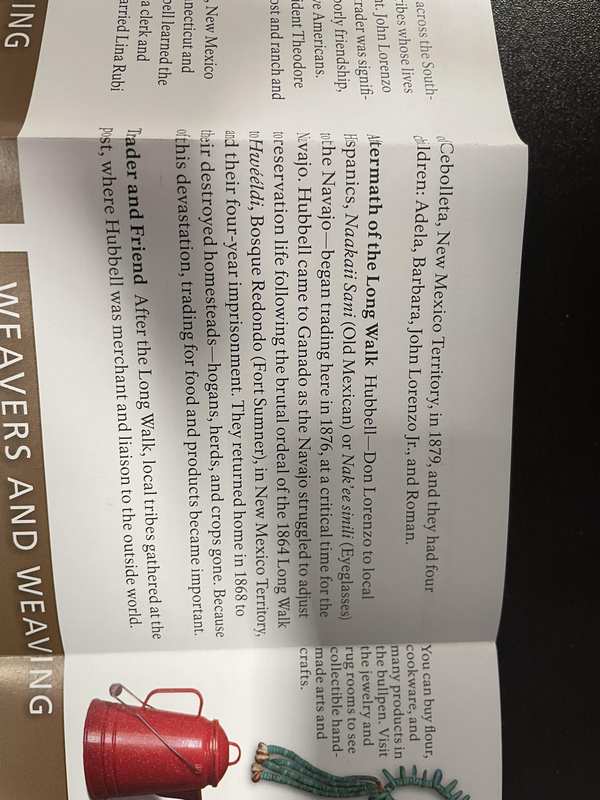
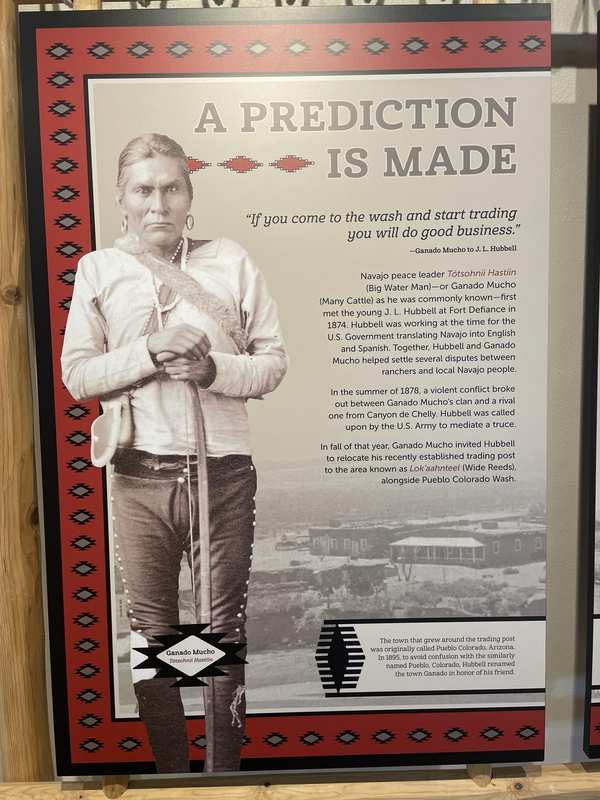
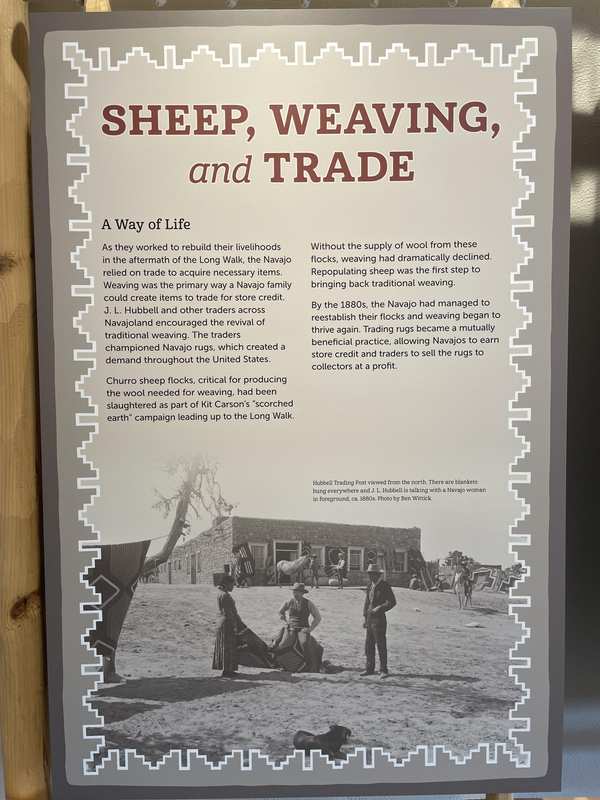
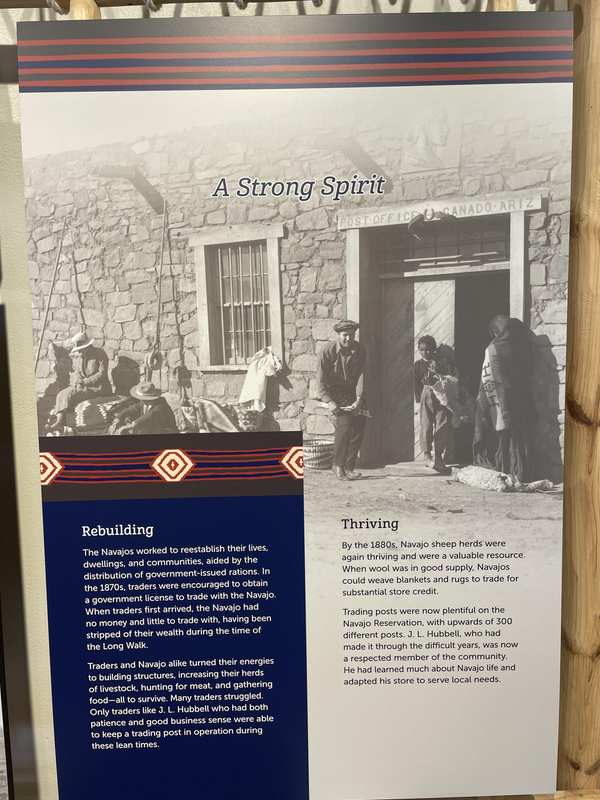
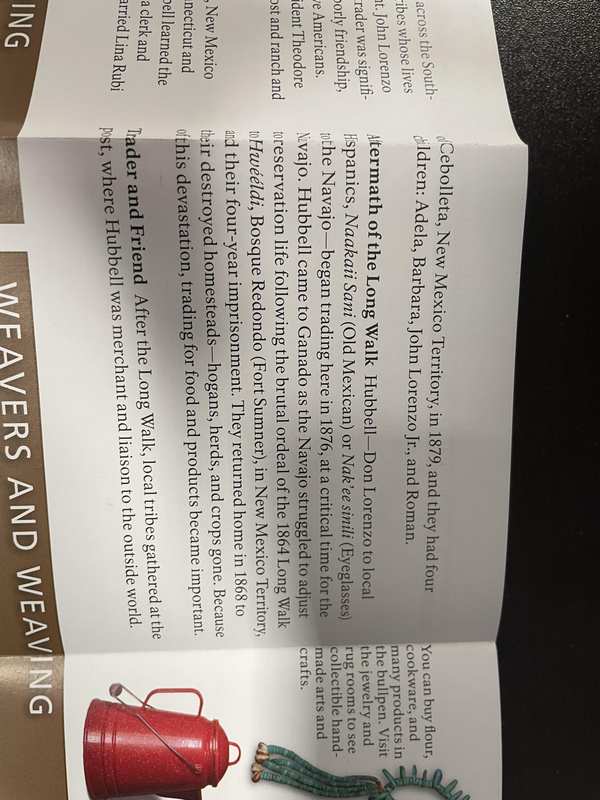
John Lorenzo Hubbell, born in Pajarito, New Mexico Territory, in 1853, began trading in the Ganado valley in 1876 and, by the park’s administrative history and foundation document, bought a trading post on this spot — William Leonard’s, the administrative history says — in 1878 (the 2010 park brochure dates the purchase to 1876). He came as the Navajo struggled to adjust to reservation life after the Long Walk. In 1883 he built a new post of uncoursed sandstone, today divided into a bullpen store, jewelry room and rug room beside a wareroom, and a U.S. post office opened there in the 1880s. At various times Hubbell and his sons owned more than 30 trading posts. He died in 1930 and lies in an unmarked grave on Hubbell Hill, following Navajo custom. [1] [3] [2]
Congress authorized the historic site on August 28, 1965, on the understanding that it would stay a working business, and Dorothy Hubbell sold it to the Park Service in 1967. It is the oldest continuously operating trading post in the Southwest: artisans still bring in rugs, jewelry, pottery and baskets, neighbors still buy groceries, and the museum collection holds more than 450,000 items. [2] [1]
Indigenous peoples
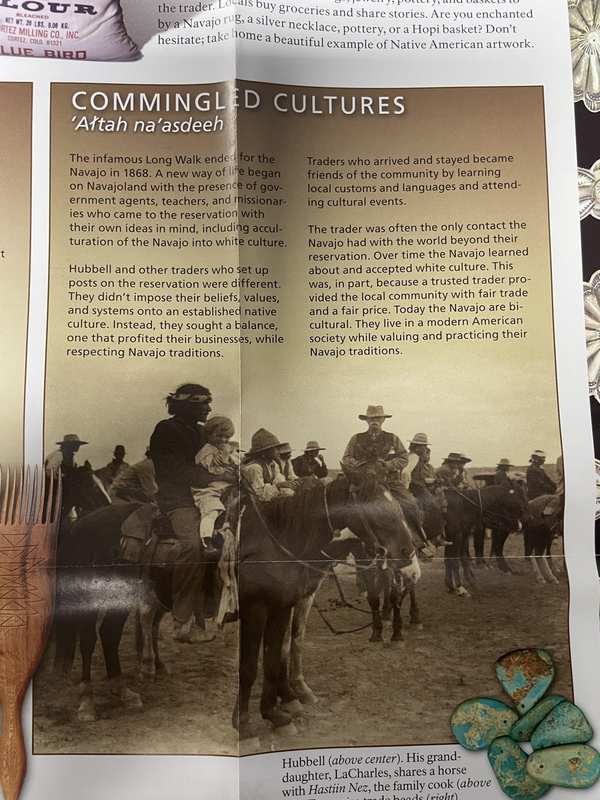
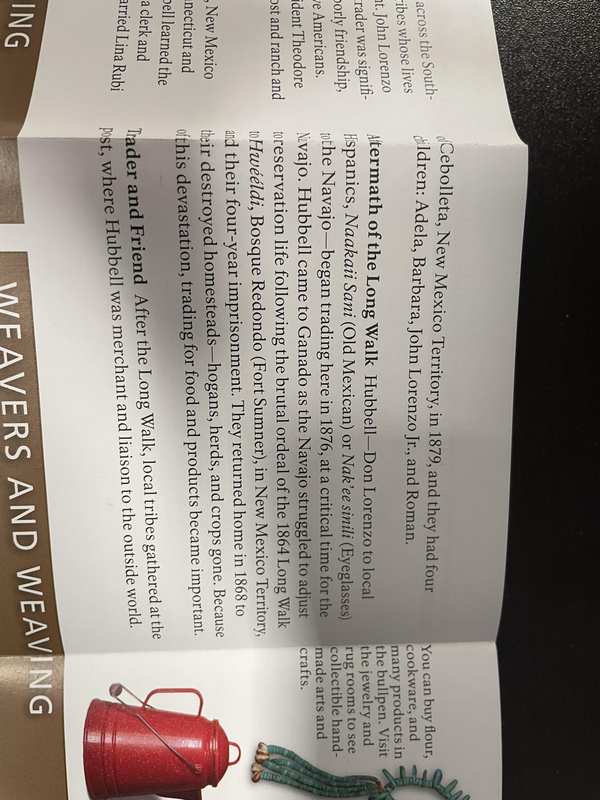
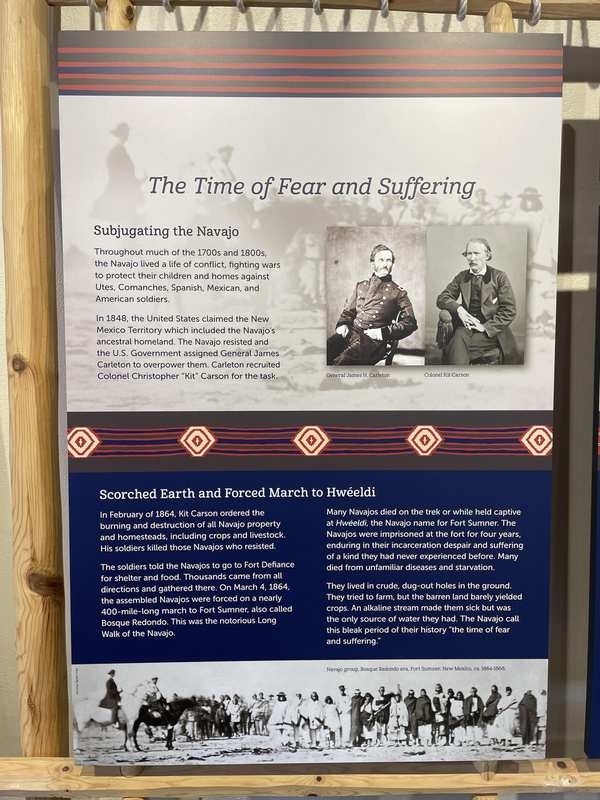
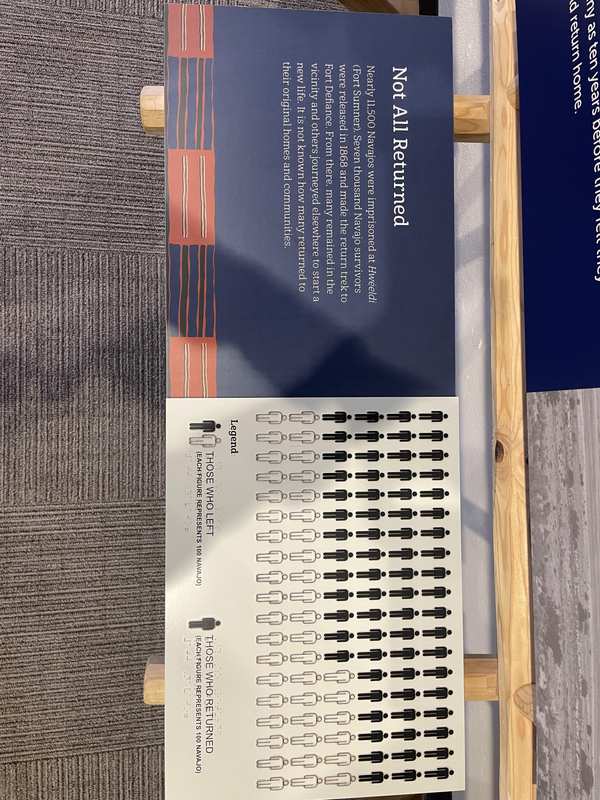
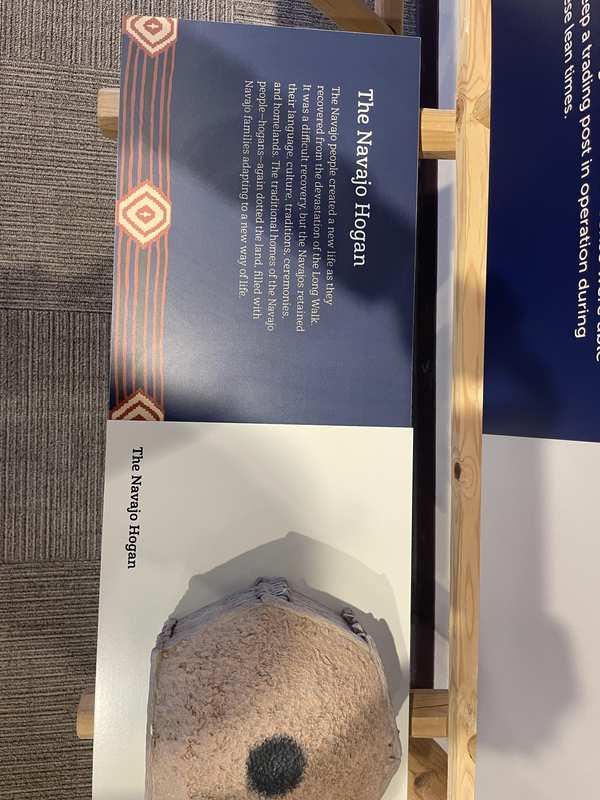
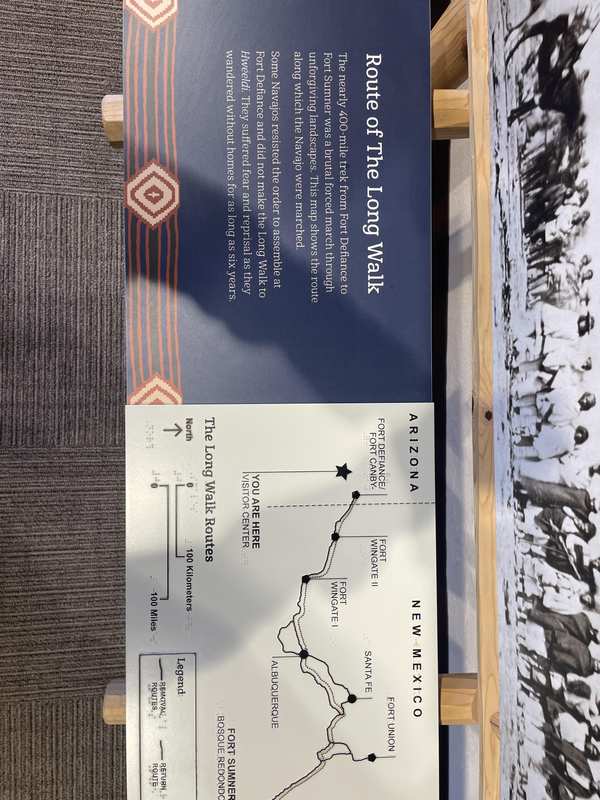
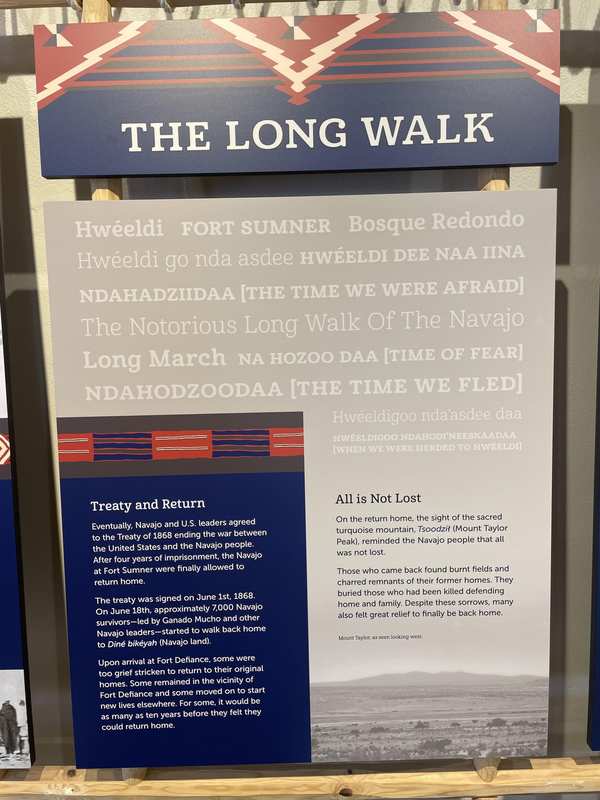
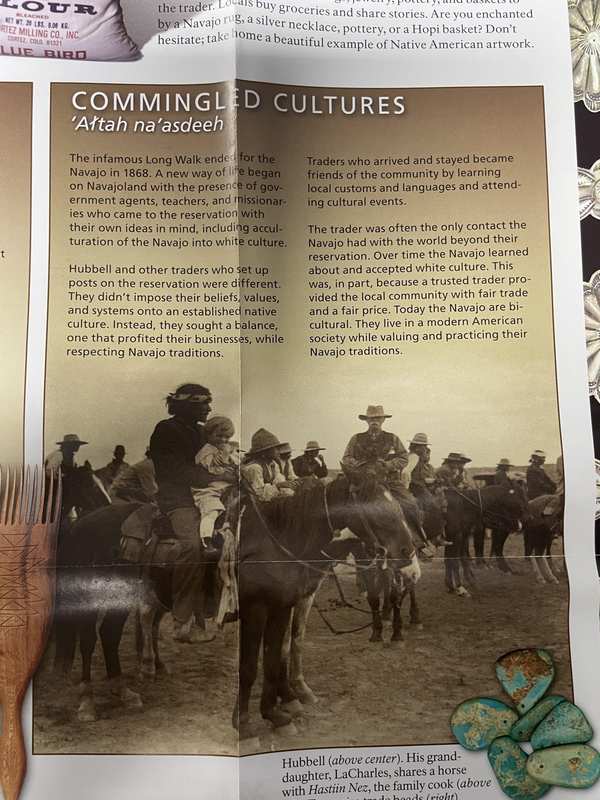
In 1864 the U.S. Army forced more than 8,500 Diné (Navajo) on the Long Walk to Hwééldi — Bosque Redondo, at Fort Sumner, New Mexico Territory — for four years of imprisonment. When they came home in 1868 their hogans, herds and crops were gone, and many came to depend on traders for food. The Navajo leader Totsonii Hastiin, Ganado Mucho, invited Hubbell to the valley; when smallpox swept the reservation in 1886 Hubbell turned his home into a hospital. Traders wrote letters and served as pawnbroker and banker; the Manchesters’ 1993 administrative history counts them among the most important acculturating forces in Navajo history. [1] [2] [5] [6] [4]
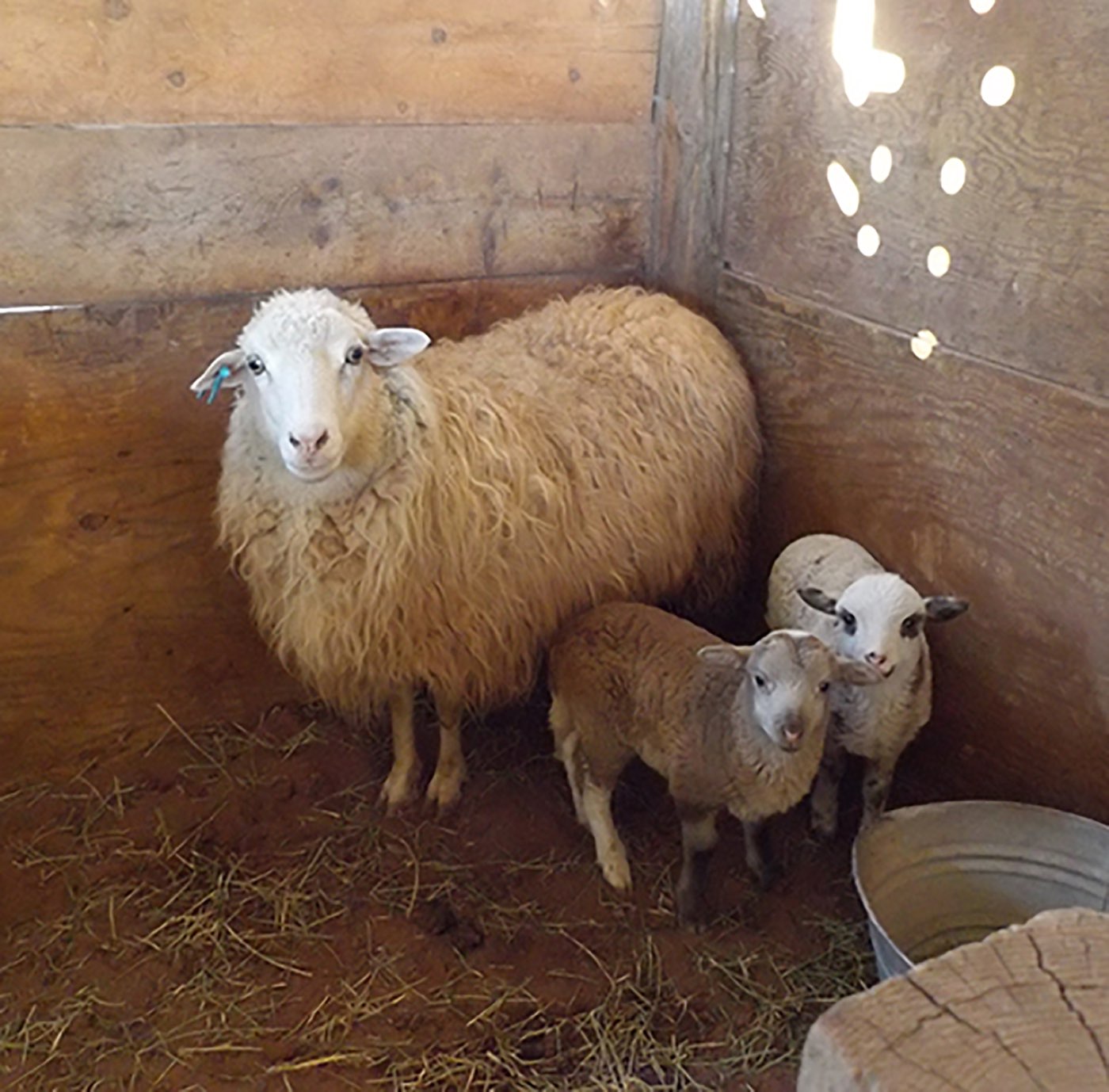
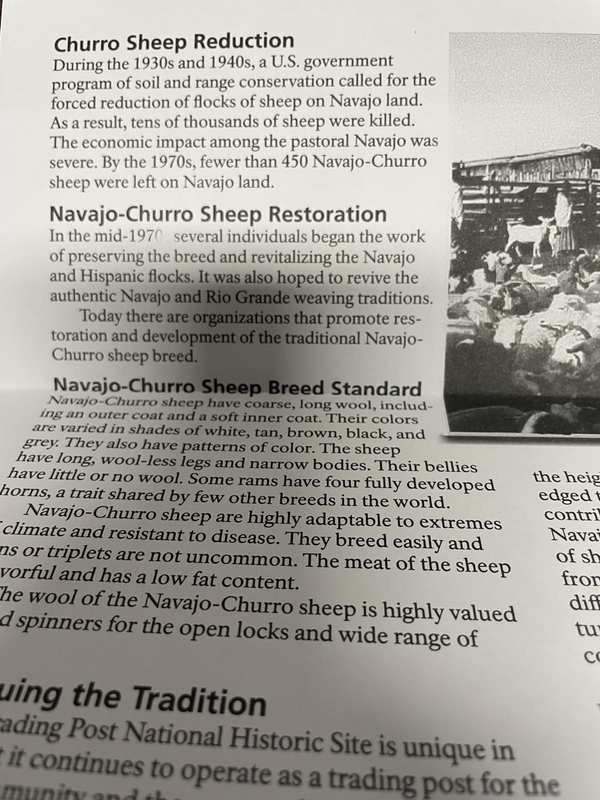
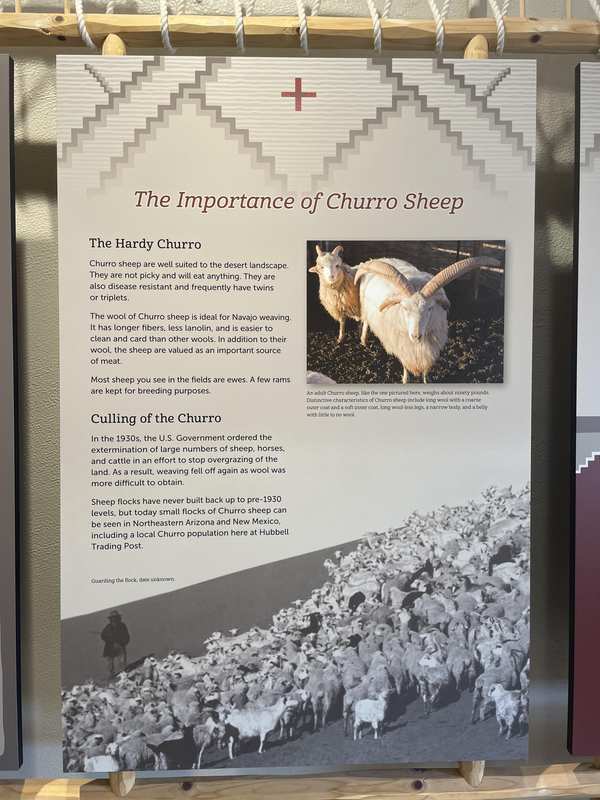
The park brochure says Navajo learned weaving from Spanish, Mexican and Pueblo weavers and surpassed them, and dates blankets of Spanish Churro-sheep wool to the 1650s; Navajo-Churro ewes still lamb at the post each spring. Hubbell urged weavers toward older patterns in gray, black, white and red, the style now called Ganado Red. Daghaa Neezi, Friday Kinlicheenie, came to work at the post around 1915, kept its garden for some 70 years and, as a medicine man, performed a Blessing Way there. [1] [8] [7]
Women
Born Dorothy Elizabeth Smith in Indiana, Dorothy Hubbell came west in 1920 to teach the Hubbell children and soon married their widowed father, Roman. By 1957, with Roman gradually paralyzed by strokes and the family company in bankruptcy, she was running the post while caring for him. That July she asked the Museum of Northern Arizona whether it could acquire and preserve the place; it could not, but the administrative history dates the movement for a national historic site to that year. She was appalled when one prospective buyer said he would sell off the contents and put in a liquor store, and the Manchesters credit her “vision, determination, and patience” for bringing the collection to the American people intact. [9] [11] [10]
Latino & Hispanic heritage
Hubbell came from a Hispanic New Mexican family on his mother’s side. His father, James Lawrence Hubbell, came from Connecticut; his mother, Julianita Gutierrez (so spelled in the administrative history; the park brochure has “Gutierriez”), was of Spanish descent. He worked as a clerk and Spanish interpreter at forts and trading posts before he traded, married Lina Rubi of Cebolleta, New Mexico Territory, in 1879, and was known to local Hispanics as Don Lorenzo — “Don,” the administrative history notes, being a Spanish term of respect — and to the Navajo as Naakaii Sani, Old Mexican. [1] [3]
Sources
- NPSHistory.com: Hubbell Trading Post NHS archive page — overview (from the 2010 NPS brochure) and establishment block
- Foundation Document Overview, Hubbell Trading Post National Historic Site (NPS, 2016)
- Manchester & Manchester, Hubbell Trading Post National Historic Site: An Administrative History (NPS Southwest Cultural Resources Center, 1993), Introduction — History of the Site to 1957
- Manchester & Manchester, Hubbell Trading Post National Historic Site: An Administrative History (NPS Southwest Cultural Resources Center, 1993), ch. IX, Cultural Resources III (Indian culture; archeological sites)
- Manchester & Manchester, Hubbell Trading Post National Historic Site: An Administrative History (NPS Southwest Cultural Resources Center, 1993), ch. IV, The Rise and Fall of the Trading Post as an Important Institution
- Manchester & Manchester, Hubbell Trading Post National Historic Site: An Administrative History (NPS Southwest Cultural Resources Center, 1993), ch. V, Traders and Trading
- Manchester & Manchester, Hubbell Trading Post National Historic Site: An Administrative History (NPS Southwest Cultural Resources Center, 1993), ch. VI, The Trading Post: Finances, Organization, and Some Veteran Employees
- NPS, Hubbell Trading Post NHS homepage (photo caption: Navajo-Churro ewes lambing each spring)
- Manchester & Manchester, Hubbell Trading Post National Historic Site: An Administrative History (NPS Southwest Cultural Resources Center, 1993), ch. I, Hubbell Trading Post, July 1957
- Manchester & Manchester, Hubbell Trading Post National Historic Site: An Administrative History (NPS Southwest Cultural Resources Center, 1993), ch. III, Land Acquisition
- Manchester & Manchester, Hubbell Trading Post National Historic Site: An Administrative History (NPS Southwest Cultural Resources Center, 1993), Executive Summary
REVISE: Publications
Hubbell Trading Post National Historic Site in AZ preserves a piece of American history that the public has trusted the National Park Service to protect and interpret. The visitor publications at this site have been developed over years by historians, subject-matter experts, and park staff — and are now being reviewed under Secretary's Order 3431.
Why this matters: Hubbell Trading Post National Historic Site is part of a network of over 400 national parks that serve as America's classrooms. The interpretive materials here were developed by subject-matter experts to help visitors understand the full story of this place. When historically accurate content is removed, the public loses access to its own history.
No Suggestions, but open to your suggestions. PDF file is available to print more when needed, so total number is approxiamate.
Photographs attached to this park's records in the leaked NPS review database.
Explore the Full Map
See all 446 entries across every national park and wildlife refuge.
Open Interactive Map →