The Natchez Trace Parkway is a 444-mile scenic road that follows the approximate route of the historic Natchez Trace, an ancient travel corridor connecting Natchez, Mississippi, to Nashville, Tennessee. The original trace was used for thousands of years by Native Americans, including the Natchez, Chickasaw, and Choctaw nations, and became a major route for "Kaintuck" boatmen who floated goods down the Mississippi River to Natchez or New Orleans and then walked home overland. The trace's peak use was between 1785 and 1820, before steamboats made the return trip upriver practical. The parkway, administered by the National Park Service, was authorized in 1938 and substantially completed in 2005, passing through diverse landscapes from cypress swamps to Appalachian foothills.
📚 Learn More at NPSHistory.com →

Natchez Trace Parkway stands as one of America's most significant Civil War sites. The events that unfolded here shaped the nation's future — and the interpretive materials that tell this story have been developed over decades by historians and park staff committed to factual accuracy.
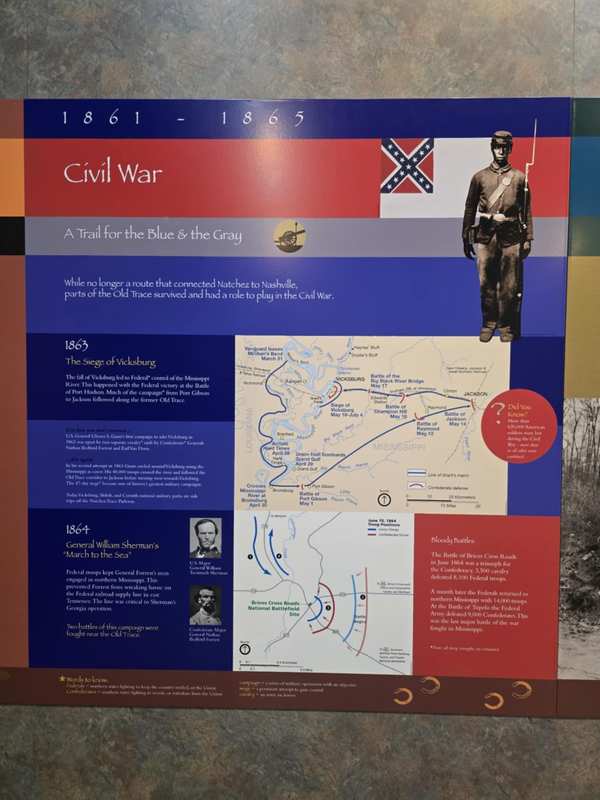
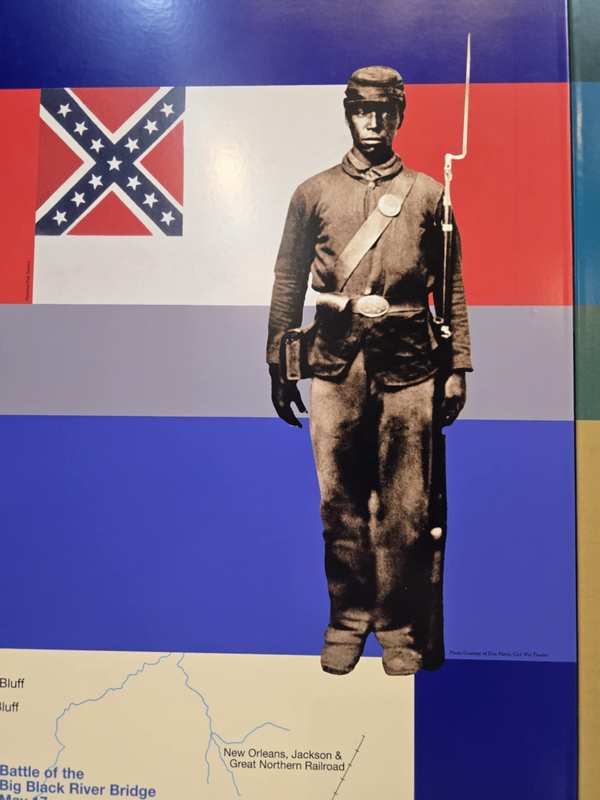
From the internal review records: “Panel of "Civil War" does not address the purpose or importance of the photographed soldier nor the USCT as a whole, which is disparaging to those who fought. Additionally, a black soldier is placed in front of a Confederate battle flag.”
Why this matters: Natchez Trace Parkway commemorates events that shaped the course of American history. The interpretation here has been developed by professional historians over decades and reflects scholarly consensus. For the thousands of students who visit each year, this is often their first direct encounter with the realities of the Civil War — including its root cause in slavery.
Panel of “Civil War” does not address the purpose or importance of the photographed soldier nor the USCT as a whole, which is disparaging to those who fought. Additionally, a black soldier is placed in front of a Confederate battle flag.

The history preserved at Natchez Trace Parkway reflects a pivotal chapter in the expansion of the United States — a chapter that involved conflict, displacement, and transformation. The interpretive materials now under review present this documented history as it happened, drawing on primary sources and scholarly consensus.
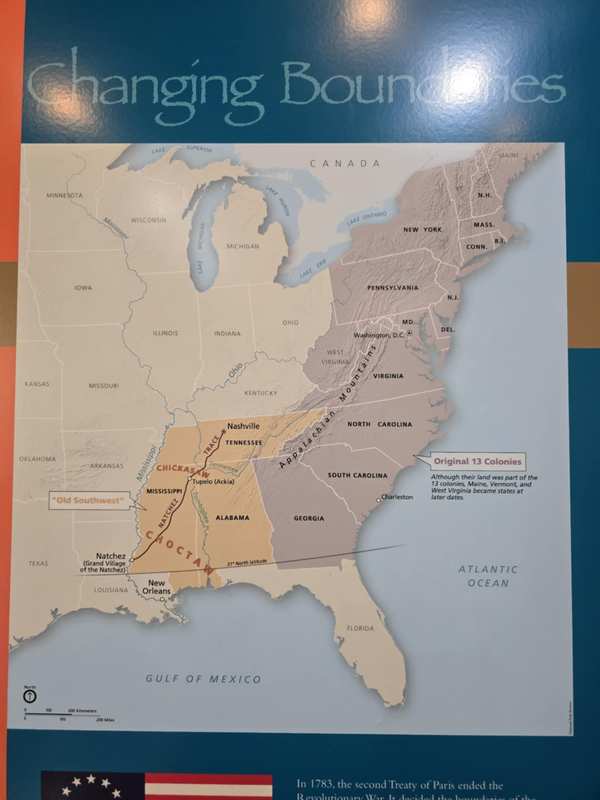
Among the content targeted: “Changing Boundaries” — language that the administration has ordered revised under its directive to review historically accurate interpretive materials.
Why this matters: The history presented at Natchez Trace Parkway draws on primary sources, treaties, and documented events. These are not contested opinions but the factual record of how the United States expanded its borders. Visitors — especially students — deserve access to the complete story, including its difficult chapters.
Exhibit “Changing Boundaries” states Gulf of Mexico, which is in violation of Executive Order 14172 Restoring Names that Honor American Greatness. Map should be changed or text added to clarify if it is a historical map.

Natchez Trace Parkway in MS preserves a piece of American history that the public has trusted the National Park Service to protect and interpret. The interpretive materials at this site have been developed over years by historians, subject-matter experts, and park staff — and are now being reviewed under Secretary's Order 3431.
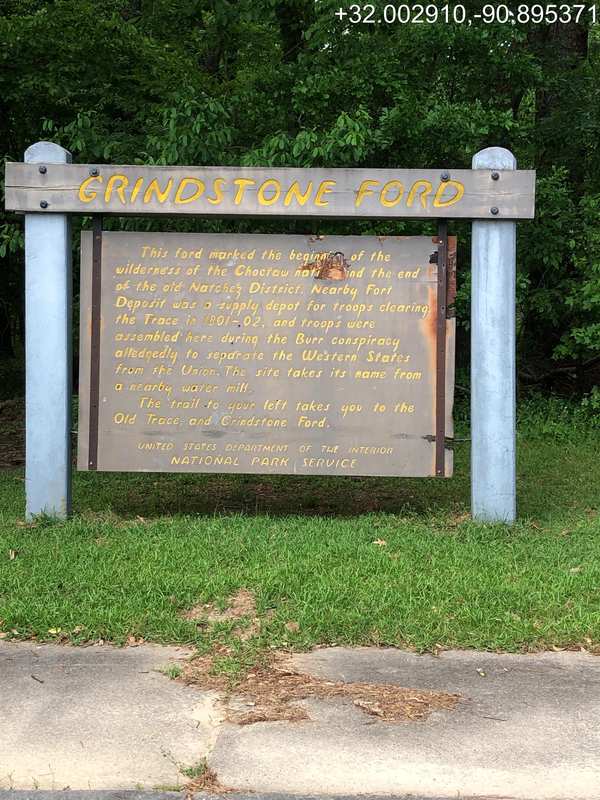
Among the content targeted: “Burr conspiracy” — language that the administration has flagged for review under its directive to review historically accurate interpretive materials.
Why this matters: The specific language being targeted at Natchez Trace Parkway — including “Burr conspiracy” — is historically accurate content developed by professional historians and park staff. When this language is revised or removed, visitors lose access to the documented record of what happened here.
Routed sign for Grindstone Ford references the “Burr conspiracy”, which is an allegation that disparages the prior U.S. Vice President as court records reflect he was found innocent.

At Natchez Trace Parkway, the National Park Service has worked for years to document and interpret the history of slavery at this site — a history that was ignored for much of the park's existence. The exhibits, waysides, and publications now under review represent a hard-won commitment to telling the complete American story.
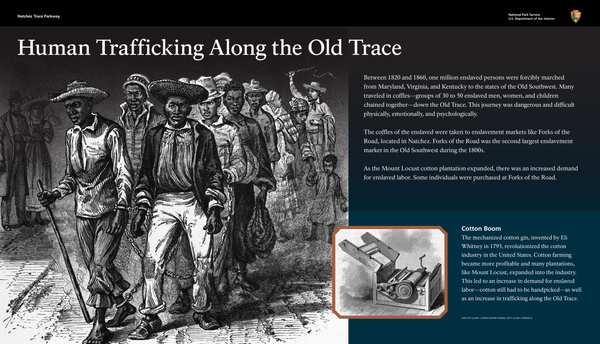
Among the content targeted: “Human Trafficking Along the Old Trace” — language that the administration has flagged for review under its directive to review historically accurate interpretive materials.
Why this matters: The history of slavery at Natchez Trace Parkway was suppressed for generations. The materials now being targeted represent decades of work by historians, descendants of enslaved people, and community advocates to ensure these stories are finally told. Removing them would re-erase history that has only recently been acknowledged.
“Human Trafficking Along the Old Trace” may disparage the enslaved persons by framing them as property instead of Americans and should be reviewed.

Long before Natchez Trace Parkway became a national park, this land was home to Indigenous peoples whose connection to it spans thousands of years. The interpretive materials now being reviewed tell their story — often developed through years of formal tribal consultation, as required by federal law.
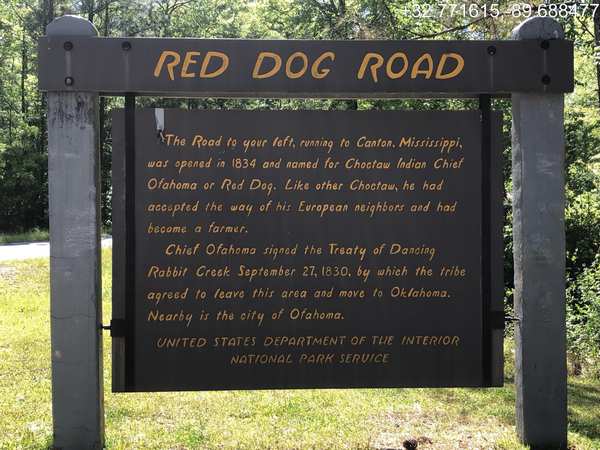
The administration has flagged for review content that includes the language: “Red Dog Road”, and “(l)ike other Choctaw, he had accepted the way of his European neighbors...”. Officials deemed this language potentially “disparaging to certain visitors.”
Why this matters: The Indigenous history presented at Natchez Trace Parkway was developed through formal tribal consultation — a legal requirement under federal law. The language being reviewed was often specifically requested by tribal nations whose ancestors lived on this land for thousands of years. Revising it without renewed consultation would violate both the spirit and the letter of that process.
“Red Dog Road” routed sign states “(l)ike other Choctaw, he had accepted the way of his European neighbors...” diminishes the forced removal of all native tribes and is disparaging to these Americans.

Natchez Trace Parkway in MS preserves a piece of American history that the public has trusted the National Park Service to protect and interpret. The interpretive materials at this site have been developed over years by historians, subject-matter experts, and park staff — and are now being reviewed under Secretary's Order 3431.
Why this matters: Natchez Trace Parkway is part of a network of over 400 national parks that serve as America's classrooms. The interpretive materials here were developed by subject-matter experts to help visitors understand the full story of this place. When historically accurate content is removed, the public loses access to its own history.
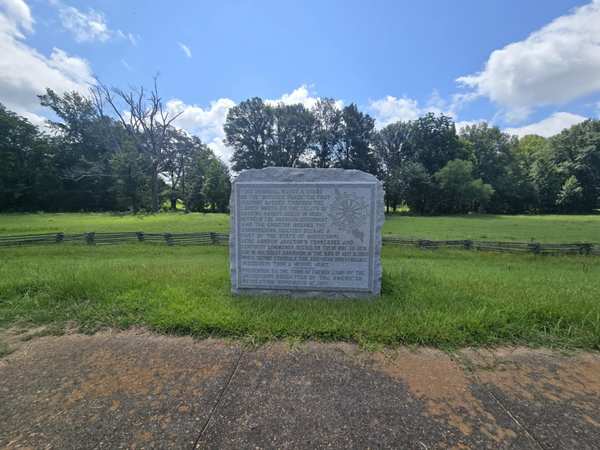
Daughters of the American Revolution marker is getting worn down and difficult to read in-person. Contrast between text and background is nonexistant.

Long before Natchez Trace Parkway became a national park, this land was home to Indigenous peoples whose connection to it spans thousands of years. The interpretive materials now being reviewed tell their story — often developed through years of formal tribal consultation, as required by federal law.
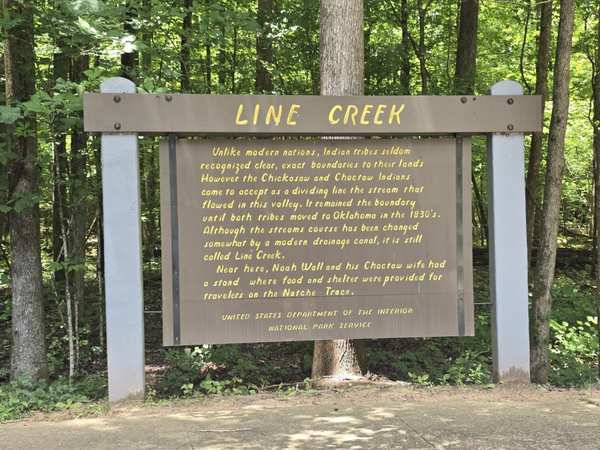
The administration has flagged for review content that includes the language: “Line Creek”, and “modern nations”. Officials deemed this language potentially “disparaging to certain visitors.”
Why this matters: The Indigenous history presented at Natchez Trace Parkway was developed through formal tribal consultation — a legal requirement under federal law. The language being reviewed was often specifically requested by tribal nations whose ancestors lived on this land for thousands of years. Revising it without renewed consultation would violate both the spirit and the letter of that process.
Sign “Line Creek” contrasts Native cultures to “modern nations”, which is disparaging to these cultures and their traditions. Letter ‘z’ is missing from the end of “Natchez”.

Natchez Trace Parkway in MS preserves a piece of American history that the public has trusted the National Park Service to protect and interpret. The interpretive materials at this site have been developed over years by historians, subject-matter experts, and park staff — and are now being reviewed under Secretary's Order 3431.
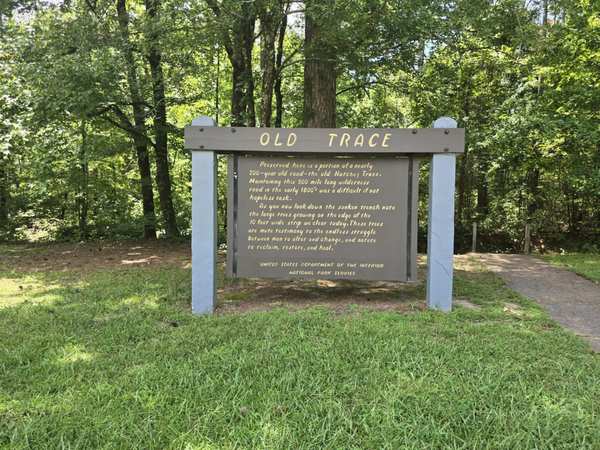
Among the content targeted: “...the endless struggle between man to alter and change, and nature to reclaim, restore, and heal.” — language that the administration has flagged for review under its directive to review historically accurate interpretive materials.
Why this matters: The specific language being targeted at Natchez Trace Parkway — including “...the endless struggle between man to alter and change, and nature to reclaim, restore, and heal.” — is historically accurate content developed by professional historians and park staff. When this language is revised or removed, visitors lose access to the documented record of what happened here.
Sign reads "...the endless struggle between man to alter and change, and nature to reclaim, restore, and heal.” which is disparaging by implying that people destroy nature.

The history preserved at Natchez Trace Parkway reflects a pivotal chapter in the expansion of the United States — a chapter that involved conflict, displacement, and transformation. The interpretive materials now under review present this documented history as it happened, drawing on primary sources and scholarly consensus.
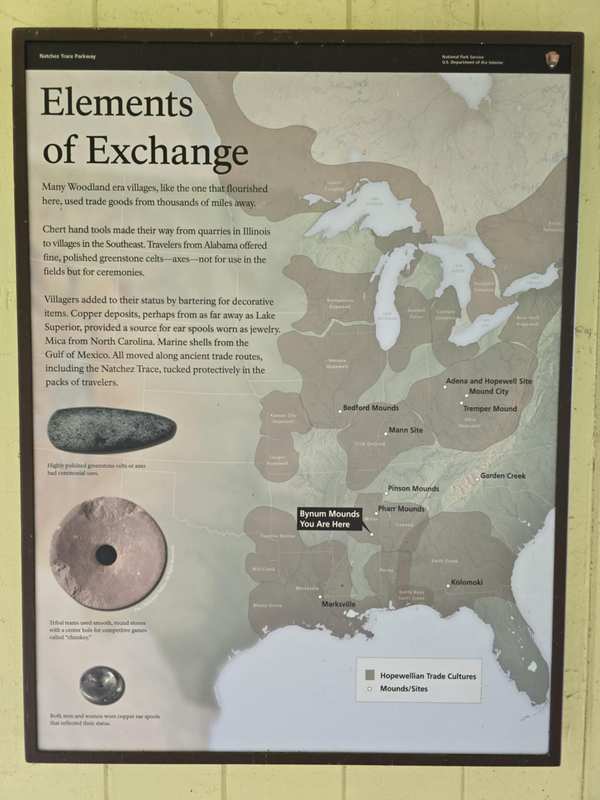
The administration has flagged for review content that includes the language: “Element of Exchange”, and “Marine shells from the Gulf of Mexico”.
Why this matters: The history presented at Natchez Trace Parkway draws on primary sources, treaties, and documented events. These are not contested opinions but the factual record of how the United States expanded its borders. Visitors — especially students — deserve access to the complete story, including its difficult chapters.
“Element of Exchange” wayside states, “Marine shells from the Gulf of Mexico”, which is in violation of EO 14172.

Long before Natchez Trace Parkway became a national park, this land was home to Indigenous peoples whose connection to it spans thousands of years. The interpretive materials now being reviewed tell their story — often developed through years of formal tribal consultation, as required by federal law.
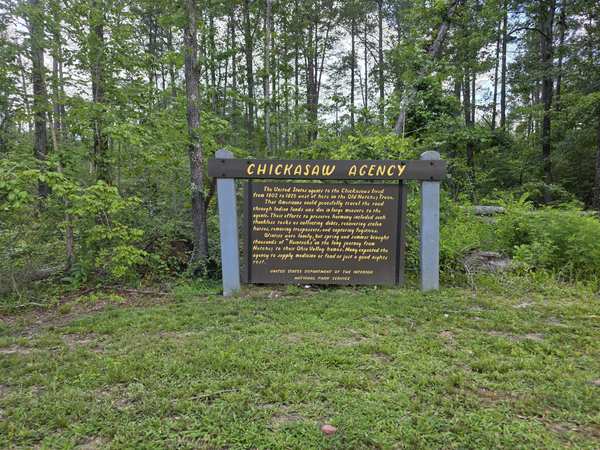
Among the content targeted: “That Americans could peacefully travel the road through Indian lands was due in large measure to the agents. Their efforts to preserve harmony included such thankless tasks as collecting debts, recovering stolen horses, removing trespassers and capturing fugitives” — language that the administration has flagged for review under its directive to review historically accurate interpretive materials.
Why this matters: The Indigenous history presented at Natchez Trace Parkway was developed through formal tribal consultation — a legal requirement under federal law. The language being reviewed was often specifically requested by tribal nations whose ancestors lived on this land for thousands of years. Revising it without renewed consultation would violate both the spirit and the letter of that process.
Sign states: "That Americans could peacefully travel the road through Indian lands was due in large measure to the agents. Their efforts to preserve harmony included such thankless tasks as collecting debts, recovering stolen horses, removing trespassers and capturing fugitives” statement is disparaging to the Chickasaw that lived in this area.

At Natchez Trace Parkway, the National Park Service has worked for years to document and interpret the history of slavery at this site — a history that was ignored for much of the park's existence. The exhibits, waysides, and publications now under review represent a hard-won commitment to telling the complete American story.
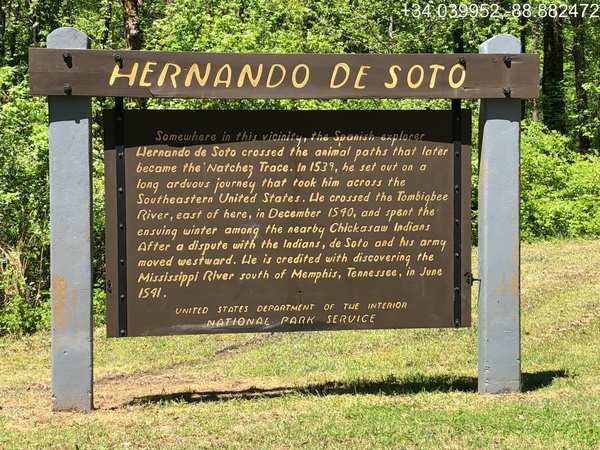
Among the content targeted: “After a dispute with the Indians, deSoto and his army moved westward.” — language that the administration has flagged for review under its directive to review historically accurate interpretive materials.
Why this matters: The history of slavery at Natchez Trace Parkway was suppressed for generations. The materials now being targeted represent decades of work by historians, descendants of enslaved people, and community advocates to ensure these stories are finally told. Removing them would re-erase history that has only recently been acknowledged.
Sign states, "After a dispute with the Indians, deSoto and his army moved westward.” disparages the Chickasaw by framing them as the cause for de Soto and his men leaving. Other exhibits elaborate that this conflict was spurred on because de Soto sought Chickasaw slaves.

Natchez Trace Parkway in MS is one of hundreds of National Park Service sites where interpretive content has been flagged under Secretary's Order 3431. This directive requires parks to review materials that could be considered negative about past or living Americans — a standard that threatens the factual historical record these sites were created to preserve.
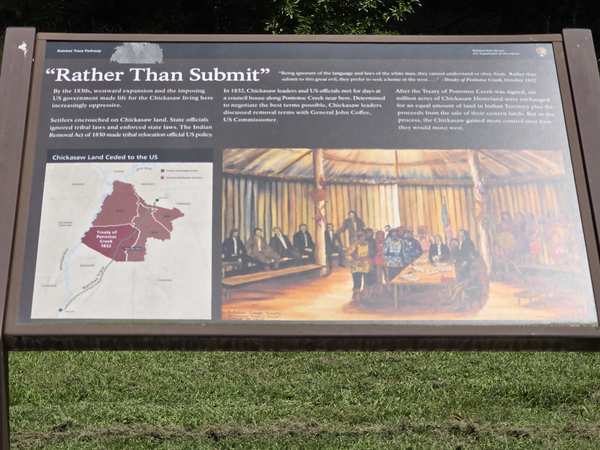
Among the content targeted: “Rather Than Submit” — language that the administration has flagged for review under its directive to review historically accurate interpretive materials.
Why this matters: Natchez Trace Parkway is one of 466+ National Park Service sites where historically accurate interpretive content has been flagged under Secretary's Order 3431. Over 300 million people visit national parks each year. For many — especially schoolchildren — these visits are their first and deepest encounter with American history.
Wayside “Rather Than Submit” has a piece of the sign missing in the black branding bar.


Natchez Trace Parkway in MS is one of hundreds of National Park Service sites where interpretive content has been flagged under Secretary's Order 3431. This directive requires parks to review materials that could be considered negative about past or living Americans — a standard that threatens the factual historical record these sites were created to preserve.
Why this matters: Natchez Trace Parkway is one of 466+ National Park Service sites where historically accurate interpretive content has been flagged under Secretary's Order 3431. Over 300 million people visit national parks each year. For many — especially schoolchildren — these visits are their first and deepest encounter with American history.
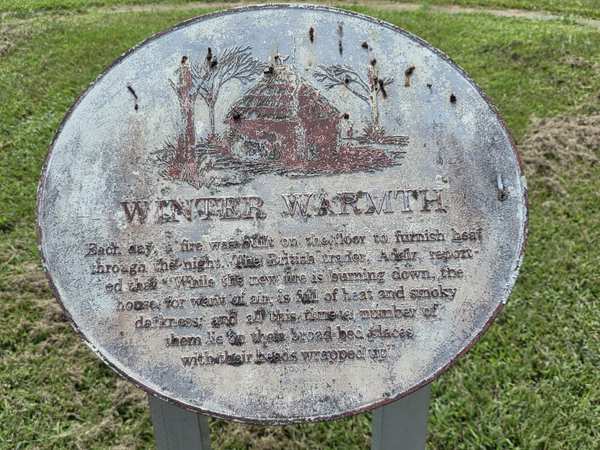
Small white signs are faded and impossible to read. They need to be replaced.


Natchez Trace Parkway in MS preserves a piece of American history that the public has trusted the National Park Service to protect and interpret. The interpretive materials at this site have been developed over years by historians, subject-matter experts, and park staff — and are now being reviewed under Secretary's Order 3431.
Why this matters: Natchez Trace Parkway is part of a network of over 400 national parks that serve as America's classrooms. The interpretive materials here were developed by subject-matter experts to help visitors understand the full story of this place. When historically accurate content is removed, the public loses access to its own history.
Wayside exhibit is in disrepair. Can’t touch it without getting small shards of fiberglass in fingers. Content is impossible to read clearly.


Natchez Trace Parkway in MS preserves a piece of American history that the public has trusted the National Park Service to protect and interpret. The interpretive materials at this site have been developed over years by historians, subject-matter experts, and park staff — and are now being reviewed under Secretary's Order 3431.
The administration has flagged for review content that includes the language: “Objects and Ideas”, and “the Gulf of México”.
Why this matters: The specific language being targeted at Natchez Trace Parkway — including “Objects and Ideas” — is historically accurate content developed by professional historians and park staff. When this language is revised or removed, visitors lose access to the documented record of what happened here.
Routed sign uses AD; should be CE in alignment with editorial style guide provided by HFC. “Objects and Ideas” wayside refers to “the Gulf of México” which violates EO 14172.

Natchez Trace Parkway in MS is one of hundreds of National Park Service sites where interpretive content has been flagged under Secretary's Order 3431. This directive requires parks to review materials that could be considered negative about past or living Americans — a standard that threatens the factual historical record these sites were created to preserve.
Among the content targeted: “Coming Home” — language that the administration has flagged for review under its directive to review historically accurate interpretive materials.
Why this matters: Natchez Trace Parkway is one of 466+ National Park Service sites where historically accurate interpretive content has been flagged under Secretary's Order 3431. Over 300 million people visit national parks each year. For many — especially schoolchildren — these visits are their first and deepest encounter with American history.
“Coming Home” wayside has a bullet hole through Kirk Perry's mouth.


The history preserved at Natchez Trace Parkway reflects a pivotal chapter in the expansion of the United States — a chapter that involved conflict, displacement, and transformation. The interpretive materials now under review present this documented history as it happened, drawing on primary sources and scholarly consensus.
The administration has flagged for review content that includes the language: “Gulf of Mexico”, and “River Canals”.
Why this matters: The history presented at Natchez Trace Parkway draws on primary sources, treaties, and documented events. These are not contested opinions but the factual record of how the United States expanded its borders. Visitors — especially students — deserve access to the complete story, including its difficult chapters.
Two waysides state “Gulf of Mexico” which violates EO 14172. Wayside titled “River Canals” has had map seemingly chipped out of it to reveal concrete underneath. All three exhibits are in bad shape; visitors can't touch them without getting small pieces of fiberglass in their hands. Waysides should be completely replaced.


Natchez Trace Parkway in MS is one of hundreds of National Park Service sites where interpretive content has been flagged under Secretary's Order 3431. This directive requires parks to review materials that could be considered negative about past or living Americans — a standard that threatens the factual historical record these sites were created to preserve.
Why this matters: Natchez Trace Parkway is one of 466+ National Park Service sites where historically accurate interpretive content has been flagged under Secretary's Order 3431. Over 300 million people visit national parks each year. For many — especially schoolchildren — these visits are their first and deepest encounter with American history.
Cave Springs and Bear Creek Mound waysides have been stolen.

Long before Natchez Trace Parkway became a national park, this land was home to Indigenous peoples whose connection to it spans thousands of years. The interpretive materials now being reviewed tell their story — often developed through years of formal tribal consultation, as required by federal law.
The administration has flagged for review content that includes the language: “the time of Christ”, and “a crude temple”. Officials deemed this language potentially “disparaging to certain visitors.”
Why this matters: The Indigenous history presented at Natchez Trace Parkway was developed through formal tribal consultation — a legal requirement under federal law. The language being reviewed was often specifically requested by tribal nations whose ancestors lived on this land for thousands of years. Revising it without renewed consultation would violate both the spirit and the letter of that process.
Routed sign uses BC, AD, and “the time of Christ” which conflict with editorial style guide provided by HFC. Additionally, “a crude temple” disparages the work of the Natives who built the structure.


Long before Natchez Trace Parkway became a national park, this land was home to Indigenous peoples whose connection to it spans thousands of years. The interpretive materials now being reviewed tell their story — often developed through years of formal tribal consultation, as required by federal law.
The administration has flagged for review content that includes the language: “Wildnerness Haven”, and “NATIVE AMERICANS WE ARE NOT ‘Indians’”.
Why this matters: The Indigenous history presented at Natchez Trace Parkway was developed through formal tribal consultation — a legal requirement under federal law. The language being reviewed was often specifically requested by tribal nations whose ancestors lived on this land for thousands of years. Revising it without renewed consultation would violate both the spirit and the letter of that process.
“Wildnerness Haven” white sign is faded, difficult to read, and has been vandalized to state, “NATIVE AMERICANS WE ARE NOT ‘Indians’”. The word “Indians” was used in an unattributed quote to describe the scene of Colbert's Stand.

Natchez Trace Parkway in MS preserves a piece of American history that the public has trusted the National Park Service to protect and interpret. The interpretive materials at this site have been developed over years by historians, subject-matter experts, and park staff — and are now being reviewed under Secretary's Order 3431.
Among the content targeted: “Colbert looked after his own well-being and once charged Andrew Jackson $75,000 to ferry his Tennessee army across the river” — language that the administration has flagged for review under its directive to review historically accurate interpretive materials.
Why this matters: The specific language being targeted at Natchez Trace Parkway — including “Colbert looked after his own well-being and once charged Andrew Jackson $75,000 to ferry his Tenness” — is historically accurate content developed by professional historians and park staff. When this language is revised or removed, visitors lose access to the documented record of what happened here.
Routed sign states, “Colbert looked after his own well-being and once charged Andrew Jackson $75,000 to ferry his Tennessee army across the river” which disparages George Colbert as a swindler.

Natchez Trace Parkway in MS is one of hundreds of National Park Service sites where interpretive content has been flagged under Secretary's Order 3431. This directive requires parks to review materials that could be considered negative about past or living Americans — a standard that threatens the factual historical record these sites were created to preserve.
Why this matters: Natchez Trace Parkway is one of 466+ National Park Service sites where historically accurate interpretive content has been flagged under Secretary's Order 3431. Over 300 million people visit national parks each year. For many — especially schoolchildren — these visits are their first and deepest encounter with American history.
Audio description box by the wayside is not functioning.

Natchez Trace Parkway in MS is one of hundreds of National Park Service sites where interpretive content has been flagged under Secretary's Order 3431. This directive requires parks to review materials that could be considered negative about past or living Americans — a standard that threatens the factual historical record these sites were created to preserve.
Why this matters: Natchez Trace Parkway is one of 466+ National Park Service sites where historically accurate interpretive content has been flagged under Secretary's Order 3431. Over 300 million people visit national parks each year. For many — especially schoolchildren — these visits are their first and deepest encounter with American history.
“Tiny Jewels of the Air” wayside has a hole in it.

Natchez Trace Parkway in MS preserves a piece of American history that the public has trusted the National Park Service to protect and interpret. The interpretive materials at this site have been developed over years by historians, subject-matter experts, and park staff — and are now being reviewed under Secretary's Order 3431.
Why this matters: Natchez Trace Parkway is part of a network of over 400 national parks that serve as America's classrooms. The interpretive materials here were developed by subject-matter experts to help visitors understand the full story of this place. When historically accurate content is removed, the public loses access to its own history.
Routed sign body at Dogwood Mudhole has not been replaced. The sign is faded and worn, which is a stark difference from the header that has been replaced.


Long before Natchez Trace Parkway became a national park, this land was home to Indigenous peoples whose connection to it spans thousands of years. The interpretive materials now being reviewed tell their story — often developed through years of formal tribal consultation, as required by federal law.
The administration has flagged for review content that includes the language: “Travelers on the Trace”, “Hazards of the Trace”, and “section quotes,”.
Why this matters: The Indigenous history presented at Natchez Trace Parkway was developed through formal tribal consultation — a legal requirement under federal law. The language being reviewed was often specifically requested by tribal nations whose ancestors lived on this land for thousands of years. Revising it without renewed consultation would violate both the spirit and the letter of that process.
“Travelers on the Trace” poster depicts a shoeless mountain man, which perpetuates a stereotypical image of poor travelers. Given the conditions of the trail, it is unlikely that someone would have trekked the Old Trace shoeless. “Hazards of the Trace” poster under the “Thieves” section quotes, “...our camp (was) surprised in the night, and two of our horses stolen, by the Indians.” which perpetuates sterotypes of Native Americans being thieves.

Natchez Trace Parkway in MS preserves a piece of American history that the public has trusted the National Park Service to protect and interpret. The interpretive materials at this site have been developed over years by historians, subject-matter experts, and park staff — and are now being reviewed under Secretary's Order 3431.
Among the content targeted: “The Old Natchez Trace” — language that the administration has flagged for review under its directive to review historically accurate interpretive materials.
Why this matters: The specific language being targeted at Natchez Trace Parkway — including “The Old Natchez Trace” — is historically accurate content developed by professional historians and park staff. When this language is revised or removed, visitors lose access to the documented record of what happened here.
“The Old Natchez Trace” sign is incredibly worn and faded. It is nearly impossible to read the information on the sign.


Natchez Trace Parkway in MS preserves a piece of American history that the public has trusted the National Park Service to protect and interpret. The interpretive materials at this site have been developed over years by historians, subject-matter experts, and park staff — and are now being reviewed under Secretary's Order 3431.
Among the content targeted: “Footsteps through History” — language that the administration has flagged for review under its directive to review historically accurate interpretive materials.
Why this matters: The specific language being targeted at Natchez Trace Parkway — including “Footsteps through History” — is historically accurate content developed by professional historians and park staff. When this language is revised or removed, visitors lose access to the documented record of what happened here.
Bulletin board at Meriwether Lewis campground poster is cracking and difficult to read in places. “Footsteps through History” sign is missing a chunk out of the top.

Natchez Trace Parkway in MS preserves a piece of American history that the public has trusted the National Park Service to protect and interpret. The interpretive materials at this site have been developed over years by historians, subject-matter experts, and park staff — and are now being reviewed under Secretary's Order 3431.
Why this matters: Natchez Trace Parkway is part of a network of over 400 national parks that serve as America's classrooms. The interpretive materials here were developed by subject-matter experts to help visitors understand the full story of this place. When historically accurate content is removed, the public loses access to its own history.
Wayside panel at Sheboss Place is in complete disrepair. It's impossible to even read the text on the sign to check for interpretive issues. This is one of the older style fiberglass panels as well.


Natchez Trace Parkway in MS preserves a piece of American history that the public has trusted the National Park Service to protect and interpret. The interpretive materials at this site have been developed over years by historians, subject-matter experts, and park staff — and are now being reviewed under Secretary's Order 3431.
Why this matters: Natchez Trace Parkway is part of a network of over 400 national parks that serve as America's classrooms. The interpretive materials here were developed by subject-matter experts to help visitors understand the full story of this place. When historically accurate content is removed, the public loses access to its own history.
Wayside along paved path to barn had tree fall on it in 2024 and destroyed it. The audio button near the wayside in the tobacco barn does not work.

Natchez Trace Parkway in MS is one of hundreds of National Park Service sites where interpretive content has been flagged under Secretary's Order 3431. This directive requires parks to review materials that could be considered negative about past or living Americans — a standard that threatens the factual historical record these sites were created to preserve.
Why this matters: Natchez Trace Parkway is one of 466+ National Park Service sites where historically accurate interpretive content has been flagged under Secretary's Order 3431. Over 300 million people visit national parks each year. For many — especially schoolchildren — these visits are their first and deepest encounter with American history.
Wayside panel at Jackson Falls has deteriorated and is impossible to read.

Natchez Trace Parkway in MS is one of hundreds of National Park Service sites where interpretive content has been flagged under Secretary's Order 3431. This directive requires parks to review materials that could be considered negative about past or living Americans — a standard that threatens the factual historical record these sites were created to preserve.
Why this matters: Natchez Trace Parkway is one of 466+ National Park Service sites where historically accurate interpretive content has been flagged under Secretary's Order 3431. Over 300 million people visit national parks each year. For many — especially schoolchildren — these visits are their first and deepest encounter with American history.
Wayside at Baker Bluff Overlook is deteriorating and impossible to read.

Long before Natchez Trace Parkway became a national park, this land was home to Indigenous peoples whose connection to it spans thousands of years. The interpretive materials now being reviewed tell their story — often developed through years of formal tribal consultation, as required by federal law.
Among the content targeted: “Indian fighter” — language that the administration has flagged for review under its directive to review historically accurate interpretive materials.
Why this matters: The Indigenous history presented at Natchez Trace Parkway was developed through formal tribal consultation — a legal requirement under federal law. The language being reviewed was often specifically requested by tribal nations whose ancestors lived on this land for thousands of years. Revising it without renewed consultation would violate both the spirit and the letter of that process.
Wayside at Gordon House Historic Site needs both review and replacement; wayside is deteriorating and makes the sign incredibly difficult to read. Sign calls Gordon an “Indian fighter”, which could be disparaging to the Creeks who fought in the War of 1812.

Natchez Trace Parkway in MS is one of hundreds of National Park Service sites where interpretive content has been flagged under Secretary's Order 3431. This directive requires parks to review materials that could be considered negative about past or living Americans — a standard that threatens the factual historical record these sites were created to preserve.
Why this matters: Natchez Trace Parkway is one of 466+ National Park Service sites where historically accurate interpretive content has been flagged under Secretary's Order 3431. Over 300 million people visit national parks each year. For many — especially schoolchildren — these visits are their first and deepest encounter with American history.
Stone monument condition is good, but the sign with text is missing and needs to be replaced.


Natchez Trace Parkway in MS is one of hundreds of National Park Service sites where interpretive content has been flagged under Secretary's Order 3431. This directive requires parks to review materials that could be considered negative about past or living Americans — a standard that threatens the factual historical record these sites were created to preserve.
Why this matters: Natchez Trace Parkway is one of 466+ National Park Service sites where historically accurate interpretive content has been flagged under Secretary's Order 3431. Over 300 million people visit national parks each year. For many — especially schoolchildren — these visits are their first and deepest encounter with American history.
All posters are in poor condition as the lamination is cracking and pulling away from the image.

Natchez Trace Parkway in MS is one of hundreds of National Park Service sites where interpretive content has been flagged under Secretary's Order 3431. This directive requires parks to review materials that could be considered negative about past or living Americans — a standard that threatens the factual historical record these sites were created to preserve.
Why this matters: Natchez Trace Parkway is one of 466+ National Park Service sites where historically accurate interpretive content has been flagged under Secretary's Order 3431. Over 300 million people visit national parks each year. For many — especially schoolchildren — these visits are their first and deepest encounter with American history.
Wayside at Tennessee Valley Divide text is barely readable as fiberglass is deteriorating.


Natchez Trace Parkway in MS preserves a piece of American history that the public has trusted the National Park Service to protect and interpret. The interpretive materials at this site have been developed over years by historians, subject-matter experts, and park staff — and are now being reviewed under Secretary's Order 3431.
Why this matters: Natchez Trace Parkway is part of a network of over 400 national parks that serve as America's classrooms. The interpretive materials here were developed by subject-matter experts to help visitors understand the full story of this place. When historically accurate content is removed, the public loses access to its own history.
Both posters are in poor condition as the lamination is cracking and pulling away from the image. Bulletin board has no lock. No interpretive issues on either side.


Natchez Trace Parkway in MS preserves a piece of American history that the public has trusted the National Park Service to protect and interpret. The interpretive materials at this site have been developed over years by historians, subject-matter experts, and park staff — and are now being reviewed under Secretary's Order 3431.
Among the content targeted: “Here I Stay” — language that the administration has flagged for review under its directive to review historically accurate interpretive materials.
Why this matters: The specific language being targeted at Natchez Trace Parkway — including “Here I Stay” — is historically accurate content developed by professional historians and park staff. When this language is revised or removed, visitors lose access to the documented record of what happened here.
No posters or displays in the case. Damaged plexiglass with no lock. Wayside “Here I Stay” is deteriorating and impossible to read.

Natchez Trace Parkway in MS is one of hundreds of National Park Service sites where interpretive content has been flagged under Secretary's Order 3431. This directive requires parks to review materials that could be considered negative about past or living Americans — a standard that threatens the factual historical record these sites were created to preserve.
Why this matters: Natchez Trace Parkway is one of 466+ National Park Service sites where historically accurate interpretive content has been flagged under Secretary's Order 3431. Over 300 million people visit national parks each year. For many — especially schoolchildren — these visits are their first and deepest encounter with American history.
No posters or displays in the case. We don’t have keys for locks.
The history preserved at Natchez Trace Parkway reflects a pivotal chapter in the expansion of the United States — a chapter that involved conflict, displacement, and transformation. The interpretive materials now under review present this documented history as it happened, drawing on primary sources and scholarly consensus.
Among the content targeted: “Gulf of Mexico” — language that the administration has flagged for review under its directive to review historically accurate interpretive materials.
Why this matters: The history presented at Natchez Trace Parkway draws on primary sources, treaties, and documented events. These are not contested opinions but the factual record of how the United States expanded its borders. Visitors — especially students — deserve access to the complete story, including its difficult chapters.
Emerald Mound site bulletin mentions “Gulf of Mexico” which violates EO 14172. Publication is scheduled for redesign.
See all 874+ entries across every national park and wildlife refuge.
Open Interactive Map →