San Antonio Missions National Historical Park
Park History
NPSHistory.comSan Antonio Missions National Historical Park in San Antonio, Texas, preserves four of the five Spanish colonial missions established along the San Antonio River in the 18th century: Mission Concepción, Mission San José, Mission San Juan, and Mission Espada. Together with the Alamo (Mission San Antonio de Valero), these missions represent the largest concentration of Spanish colonial missions in North America. Founded between 1718 and 1731 by Franciscan friars, the missions served as centers for converting and acculturating Native American peoples into Spanish colonial society. The park was established in 1978 and the missions were inscribed as a UNESCO World Heritage Site in 2015 — the first World Heritage Site in Texas — recognized for their outstanding example of the interchange of Spanish and Coahuiltecan cultures.
FLAGGED FOR REVIEW: Exhibit panels (6 items)
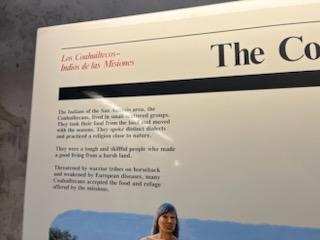
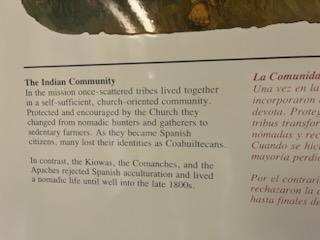
Long before San Antonio Missions NHP became a national park, this land was home to Indigenous peoples whose connection to it spans thousands of years. The interpretive materials now being reviewed tell their story — often developed through years of formal tribal consultation, as required by federal law.
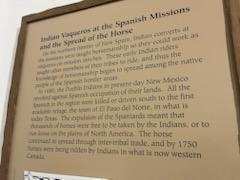
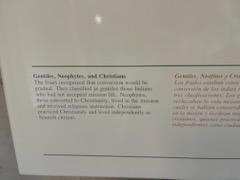
The administration has flagged for review content that includes the language: “Coahuiltecans”, “Imperfect conversion of Indians”, “pacified native people”, and “The Church sought converts who understood and observed Chistianity and who accepted Spanish culture and language.”. Officials deemed this language potentially “disparaging to certain visitors.”
Why this matters: The Indigenous history presented at San Antonio Missions NHP was developed through formal tribal consultation — a legal requirement under federal law. The language being reviewed was often specifically requested by tribal nations whose ancestors lived on this land for thousands of years. Revising it without renewed consultation would violate both the spirit and the letter of that process.
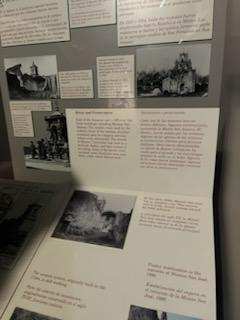
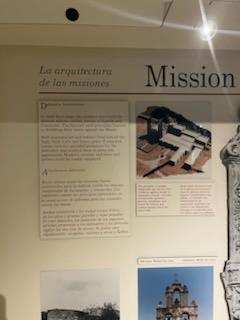
The photos attached are from indoor exhibits at Mission Concepcion. Each contains language that may have been or is disparaging to Americans living in colonial times. Specifically, language that may imply less agency or autonomy of indigenous peoples facing Spanish culture in 1700s. Examples include:
Photographs attached to this park's records in the leaked NPS review database.
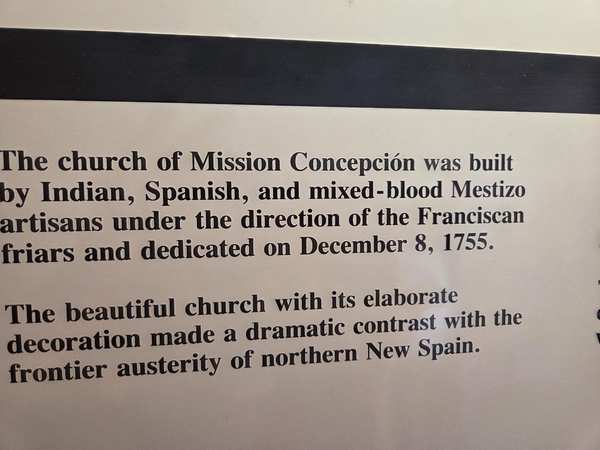
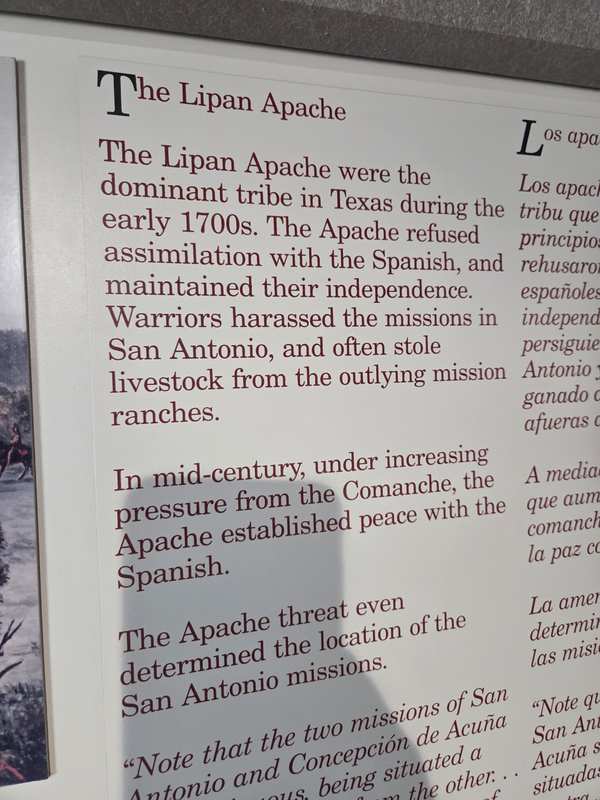
Explore the Full Map
See all 446 entries across every national park and wildlife refuge.
Open Interactive Map →